

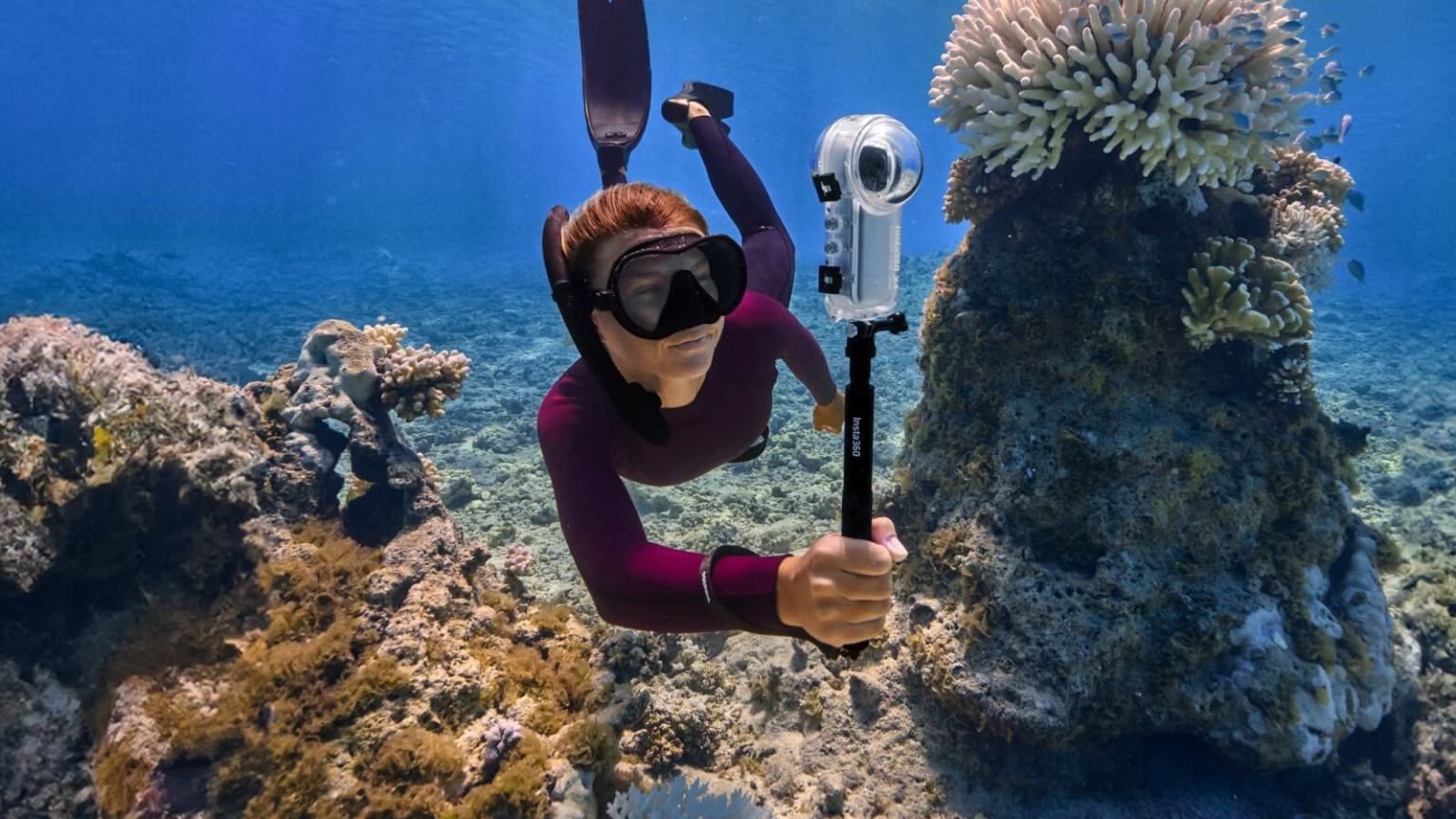
Content creation has evolved beyond traditional cameras capturing single perspectives. Modern creators, adventurers and storytellers increasingly turn to immersive technology to capture experiences in their full spatial context. Insta360 specializes in 360-degree cameras that capture everything around you simultaneously, enabling immersive content creation impossible with conventional equipment. Whether you’re documenting travel, creating virtual reality content, producing interactive videos or simply capturing moments from every angle, understanding how 360-degree technology works and what equipment options exist helps you choose the right tool for your creative vision.
Understanding 360-Degree Camera Technology
Traditional cameras capture a single perspective whatever direction you point the lens. This limitation means you miss action occurring outside your chosen frame. 360-degree cameras fundamentally change this paradigm by simultaneously capturing in all directions, front, back, left, right, up and down. Most 360-degree cameras achieve this through dual-lens systems, with each lens capturing a 180-degree hemisphere that combine to create a complete spherical image. The resulting footage can be viewed in multiple ways as immersive virtual reality experiences when viewed through VR headsets, as interactive web videos allowing viewers to pan and look around or as traditional flat videos with stabilized perspectives. Insta360 This versatile capture capability makes 360-degree cameras exceptional tools for creating content that engages audiences more deeply than traditional single-perspective footage.
Applications and Content Types
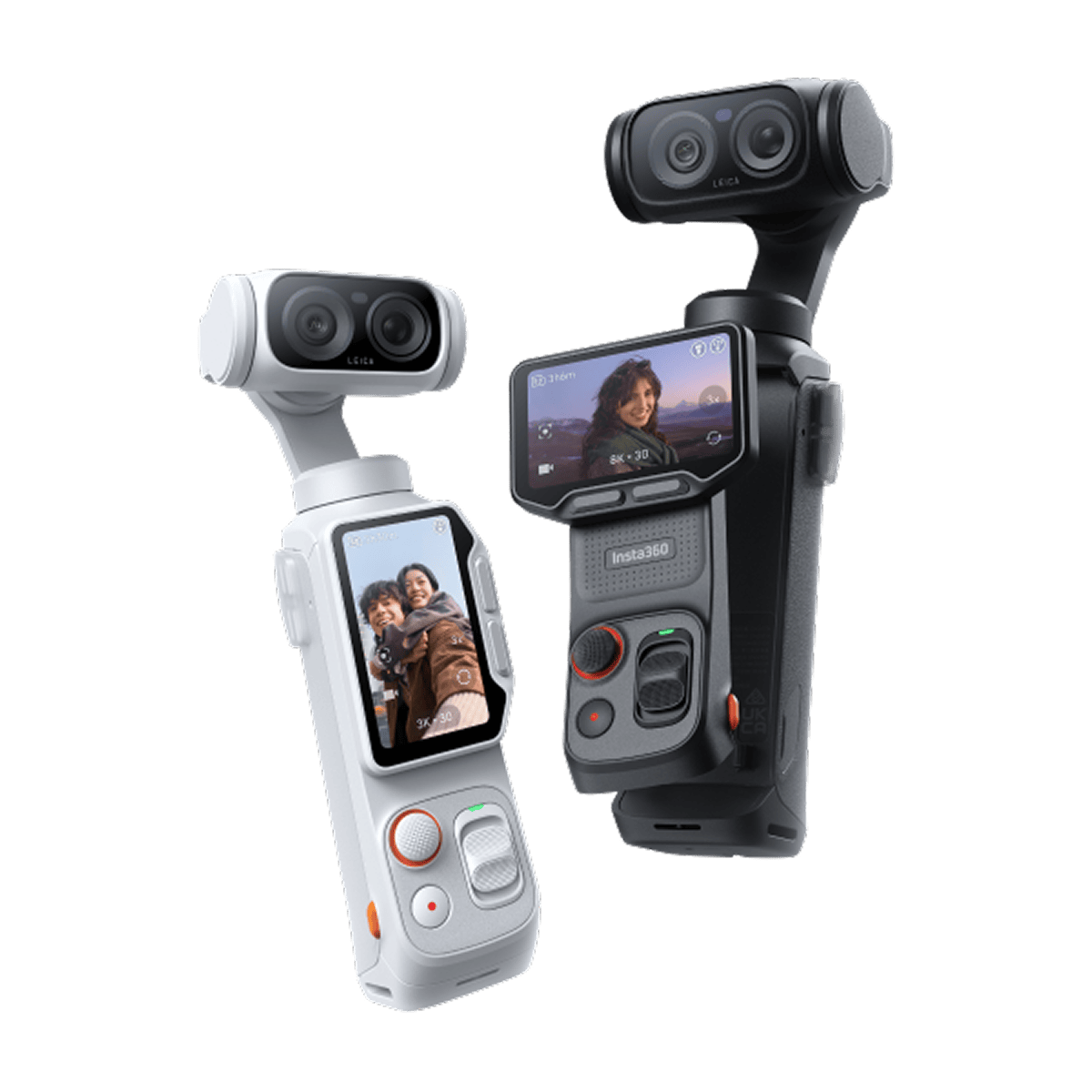
360-degree cameras open creative possibilities across numerous content categories. Travel and adventure creators use them to showcase destinations immersively, allowing viewers to explore locations as if they were present. Real estate professionals create immersive property tours that engage potential buyers far more effectively than static photos. Extreme sports content becomes more engaging when captured from every angle simultaneously, letting viewers experience the action intensity. Educational institutions use 360-degree video for virtual field trips and immersive learning experiences. Music performances and concerts recorded in 360-degree format enable fans to experience events from multiple perspectives. Corporate and industrial applications include equipment documentation, facility tours and safety training videos. Insta360 The versatility of 360-degree capture appeals to diverse creators seeking to produce distinctive, engaging content that stands out in crowded digital spaces.
Video Stabilization and Smooth Motion
One technical challenge in action camera work is compensating for movement and vibration that would otherwise result in shaky, unwatchable footage. Professional stabilization systems using gyroscopes and advanced computational processing have made this manageable for traditional action cameras. 360-degree cameras face increased complexity stabilizing footage captured from all directions simultaneously requires sophisticated algorithms accounting for rotational movement in all planes. Modern 360-degree cameras employ electronic stabilization that processes the full spherical capture and outputs smooth, stable footage. Some advanced models include built-in gimbal-like mechanical stabilization combined with electronic processing. Handheld stabilization systems and mounts designed specifically for 360-degree cameras provide additional options for achieving smooth footage during movement. Understanding the stabilization capabilities of different camera models helps determine whether they’re suitable for your intended use smooth cinematic footage requires different stability standards than documentative content.
Audio Capture and Spatial Sound
 Video quality alone doesn’t define content excellence, immersive audio completes the experience. 360-degree cameras increasingly incorporate directional microphone arrays that capture spatial audio, preserving the sense of sound’s origin and direction. This spatial audio, recorded during 360-degree capture, plays back immersively when viewed through VR headsets or quality headphones. Ambient sound recording captures environmental audio authentically, while directional features enable isolating specific sound sources. Some 360-degree camera systems support multi-microphone configurations for enhanced audio quality and flexibility. Understanding audio recording capabilities helps determine whether a camera is suitable for audio-heavy content like music performances or intimate interviews. Insta360 Cameras combining high-quality 360-degree video capture with sophisticated spatial audio recording create truly immersive content experiences.
Resolution and Frame Rate Considerations
360-degree video demands higher resolutions than traditional content because the complete spherical image is distributed across viewing devices and screens. Content intended for VR headsets requires at least 4K (3840×2160) resolution to maintain quality when displayed within a headset’s field of view. 8K resolution 360-degree video provides exceptional quality but consumes enormous storage space and requires significant processing power. Frame rates impact smoothness and viewer comfort, particularly in VR 24-30 fps is standard for most applications, while 60 fps provides increased smoothness. Choosing resolution and frame rate involves balancing quality against storage requirements, processing capabilities and distribution constraints. Insta360 Modern 360-degree cameras offer various resolution and frame rate combinations, allowing creators to match technical specifications to their specific content requirements.
Getting Started with 360-Degree Content Creation
- Understand your content goals are you creating VR experiences, interactive web content, traditional flat videos or a combination requiring different specifications.
- Research camera models aligned with your budget and technical requirements, examining stabilization, audio and resolution capabilities.
- Learn post-processing fundamentals 360-degree footage requires specialized editing software and understanding of equirectangular format projection.
- Start with simple projects to develop familiarity with the technology before tackling complex productions.
- Experiment with mounting options and perspectives, discovering what works best for your creative style.
360-degree cameras represent the frontier of accessible immersive content creation. Whether you’re a professional producer exploring new creative possibilities or an enthusiast seeking to capture experiences more completely, this technology opens avenues for storytelling and engagement previously impossible. The learning curve is manageable for those willing to experiment and the creative rewards, engaging audiences in genuinely immersive experiences, justify the investment for creators passionate about pushing content boundaries.