
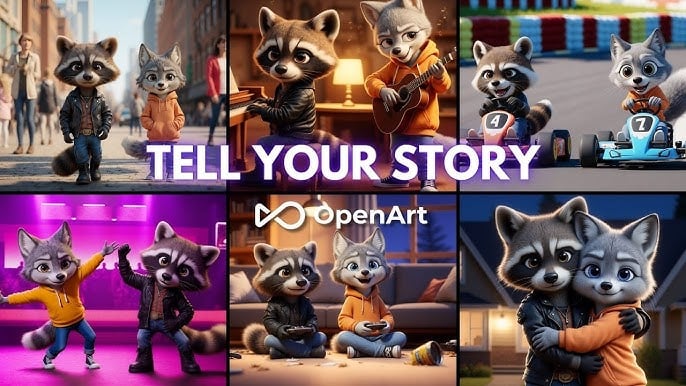
Digital art creation has transformed from specialized technical domain into accessible creative medium. Traditional art demands years of training mastering drawing, painting and design fundamentals. Modern AI-powered tools democratize artistic expression enabling anyone to visualize creative ideas without years of technical training. Whether you’re exploring artistic interests, developing design skills or pursuing creative projects, intelligent art generation tools remove traditional barriers. Understanding how these platforms work and leveraging their capabilities enables bringing imaginative visions to life. The intersection of technology and creativity opens new possibilities for expression previously limited to formally trained artists.
The Democratization of Digital Art Creation
Historically, digital art required expensive software, technical training and years of practice. Tools like Photoshop and digital painting software demanded steep learning curves. Artists invested thousands in equipment and education. These barriers meant artistic expression remained exclusive. AI art generation platforms transform this reality by removing technical knowledge requirements. OpenArt AI enables creative vision expression without extensive technical training. This democratization means anyone with imagination can create digital art. Artistic barriers transform from gatekeeping to opportunity enabling broader creative participation.
Democratization extends beyond tools to participation. Communities form around AI art creation. Social platforms share AI artwork. Recognition and appreciation motivate continued creative engagement. This community aspect transforms artistic expression from isolated hobby into shared cultural participation.
Understanding AI Art Generation Capabilities
AI art generation processes natural language descriptions into visual creations. Users describe desired imagery through text prompts. Algorithms trained on millions of images synthesize outputs matching descriptions. This text-to-image technology bridges language and visual communication. OpenArt AI platforms provide intuitive interfaces enabling effective prompt crafting. Learning to write effective descriptions becomes the primary skill rather than mastering software. This shift in required knowledge makes creation more accessible. Understanding prompt engineering opens creative possibilities enabling sophisticated artwork generation.
Capability understanding also prevents frustration. Knowing AI strengths and limitations shapes realistic expectations. Detailed prompts produce better results than vague descriptions. Iterating through variations improves outputs. This knowledge transforms creation from guessing into strategic approach.
Applications Across Creative Fields
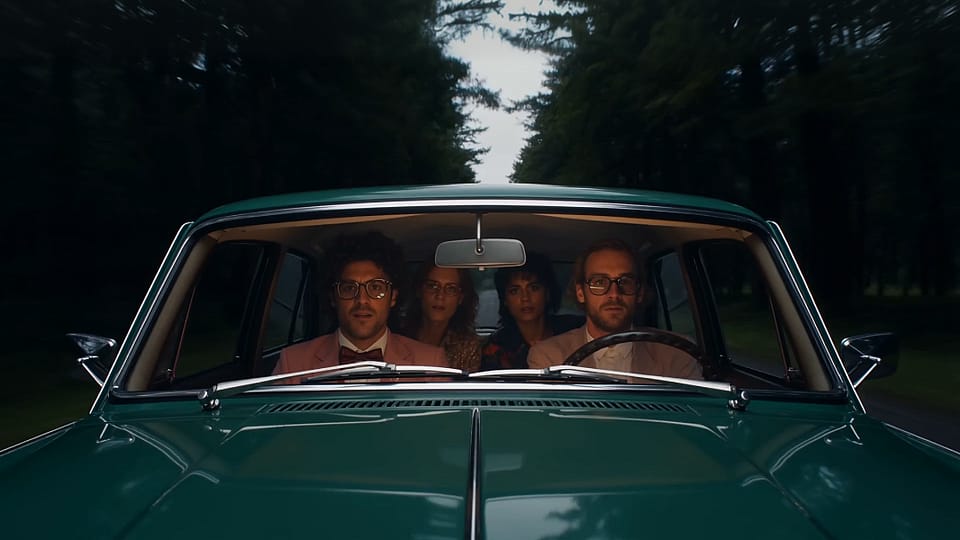
- Concept art development accelerates design exploration for games, films and animation.
- Marketing material creation generates campaign visuals without hiring expensive designers.
- Personal projects from wallpapers to illustrated stories become feasible without artistic training.
- Brand identity development benefits from rapid visual exploration and iteration.
- Educational illustrations make learning materials more engaging and visually appealing.
Creative Processes and Iterative Refinement
Effective AI art creation involves iterative refinement. Initial generations provide starting points. Prompt adjustments produce variations. Combining generated elements creates complex compositions. OpenArt AI tools streamline iteration enabling rapid experimentation. This trial-and-error process mirrors traditional artistic development compressed into minutes rather than months. Experimentation reveals style preferences and effective descriptions. Over time, users develop intuitions for generating desired outputs. This creative feedback loop mirrors traditional artistic learning.
Iteration also enables refining artistic vision. Initial vague ideas crystallize through multiple generations. Visual feedback from AI outputs clarifies artistic direction. This collaborative relationship between human creativity and machine capability produces results neither could achieve independently.
Developing Artistic Style Through AI
Different prompts produce distinctly different outputs. Describing specific art styles, time periods or artist influences shapes results. Experimenting with style descriptions enables discovering personal preferences. OpenArt AI style exploration develops artistic sensibility. Understanding which aesthetics resonate develops taste and preference. This style exploration builds foundation for developing personal artistic voice. Technology enables discovering authentic artistic interests and preferences.
Style development also extends to understanding art history. Referencing art movements, historical periods and artistic traditions informs modern creation. This knowledge connection enriches artwork meaning and sophistication.
Combining AI Generation with Human Editing
AI-generated artwork often requires human refinement. Generated images serve as starting points for additional editing. Combining AI outputs with manual adjustments creates polished results. OpenArt AI integration with design software enables seamless workflow. This hybrid approach leverages AI strengths while preserving human creative control. Learning to edit AI outputs develops additional artistic skills. The collaboration between AI generation and human refinement produces superior results.
Hybrid approaches also address AI limitations. When AI outputs fall short, human intervention corrects issues. This flexibility prevents frustration and enables overcoming specific limitations.
Building Portfolio and Creative Confidence
Creating artwork quickly builds confidence and portfolio content. Seeing visual realizations of ideas motivates continued creation. Portfolio building becomes feasible for aspiring designers and artists. OpenArt AI enables rapid portfolio development supporting career exploration. Tangible output from creative effort builds self-efficacy. Success experiences motivate ambitious projects. This momentum transforms creative interest into sustainable engagement.
Portfolio building also enables external opportunities. Sharing artwork gains recognition from community. Positive feedback reinforces creative participation. This external validation sustains long-term engagement with creative pursuits.
Exploring Creative Boundaries
AI platforms enable exploring imaginary concepts, impossible physics and fantastical scenarios. Creating artwork depicting nonexistent subjects becomes possible. This exploration expands creative possibilities beyond physical limitations. OpenArt AI enables visualizing imaginative ideas limited only by description ability. This freedom unleashes creativity from practical constraints. Exploring impossible scenarios develops creative thinking extending beyond visual art.
Boundary exploration also enables artistic experimentation. Trying unusual combinations and concepts reveals surprising possibilities. This experimental approach mirrors artistic innovation across history.
Start Creating Today
Your creative ideas deserve visual expression. OpenArt AI provides tools translating imagination into artwork. Stop imagining what art could look like. Start creating art bringing visions to life. Accessible tools remove barriers enabling creative participation. Your unique perspective deserves artistic expression. Begin with simple ideas and build toward ambitious projects. Creative confidence develops through practice and experimentation. Discover what visual art creation enables and let imagination guide artistic journey. Transform your creative ideas into beautiful artwork today.