

Authentic cultural experiences connect travelers with the histories, traditions and contemporary lives of communities across the Pacific. Rather than viewing cultures as museum exhibits, immersive cultural centers invite guests to participate in and learn from living traditions. The Polynesian Cultural Center stands as a premier destination for visitors seeking meaningful engagement with Pacific island heritage, offering both educational content and interactive experiences that honor the diversity and sophistication of Polynesian societies.
Understanding Polynesian Cultures and Regional Diversity
Polynesia encompasses numerous island nations and territories spread across the Pacific Ocean, each with distinct languages, customs, governance systems and artistic traditions. Samoa, Tonga, Tahiti, the Cook Islands, Hawaii and other regions share cultural connections while maintaining unique identities shaped by geography and history. Western visitors often approach Polynesian culture through limited or stereotyped frameworks, missing the complexity and contemporary relevance of Pacific island societies. The Polynesian Cultural Center addresses this by presenting multiple island cultures with nuance, emphasizing both historical continuity and modern adaptation. Visitors leave with deeper understanding of Pacific island navigation techniques, social structures, spiritual beliefs and the impacts of colonialism and globalization on island communities.
Village Experiences and Hands-On Learning
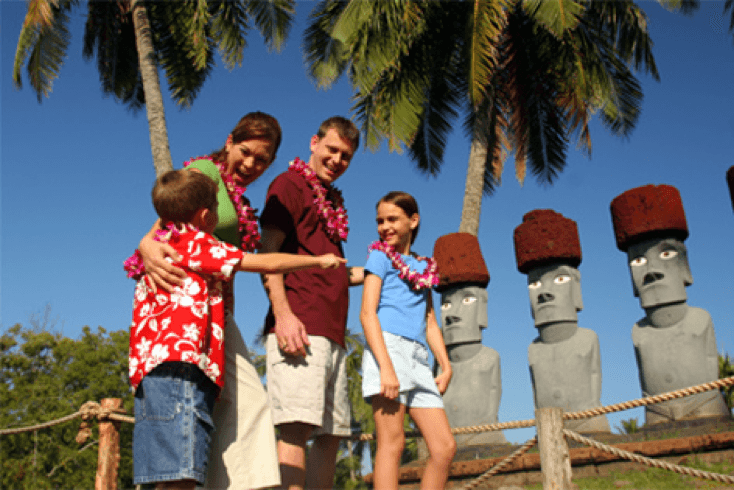
Rather than passive observation, the center organizes its cultural presentations around village experiences where guests participate directly in traditional activities. These stations showcase authentic crafts, demonstrations and cultural practices maintained by descendants of Pacific island communities. Visitors might learn traditional weaving techniques, observe artisans creating wood carvings, participate in dance workshops or taste regional cuisine prepared using historical methods. Each village area dedicates itself to a specific island culture, with knowledgeable guides and cultural practitioners providing context and encouraging interaction. This hands-on approach transforms tourism from spectacle into genuine cultural exchange. The Polynesian Cultural Center emphasizes that Pacific island cultures remain vibrant and evolving, not historical artifacts frozen in time.
Performance Arts and Storytelling Traditions
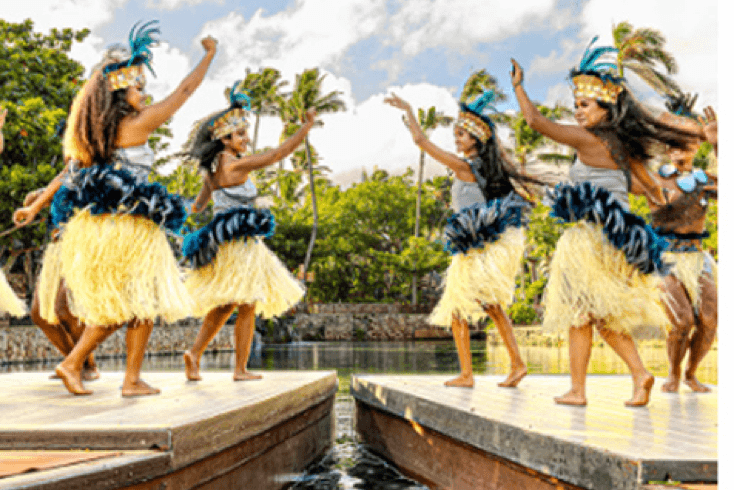
Music, dance and oral storytelling represent core expressive forms across Polynesian cultures. Hula, siva and other dance forms encode histories, genealogies and spiritual concepts into movement. Traditional instruments including ukuleles, nose flutes and percussion create distinctive soundscapes that vary by island region. Evening performances at the center showcase these arts at professional quality, featuring talented performers who learned traditions within their own communities. Rather than diluting cultural presentations for commercial appeal, performances maintain artistic integrity while making them accessible to international audiences. Stories conveyed through song and dance address themes of navigation, romance, spiritual connection and resistance to colonialism. Attending these performances contextualizes the cultural practices observed in village demonstrations, revealing their deeper significance beyond surface aesthetics. The Polynesian Cultural Center‘s commitment to authentic performance programming ensures visitors experience these art forms as living cultural practice.
Food, Cuisine and Agricultural Heritage
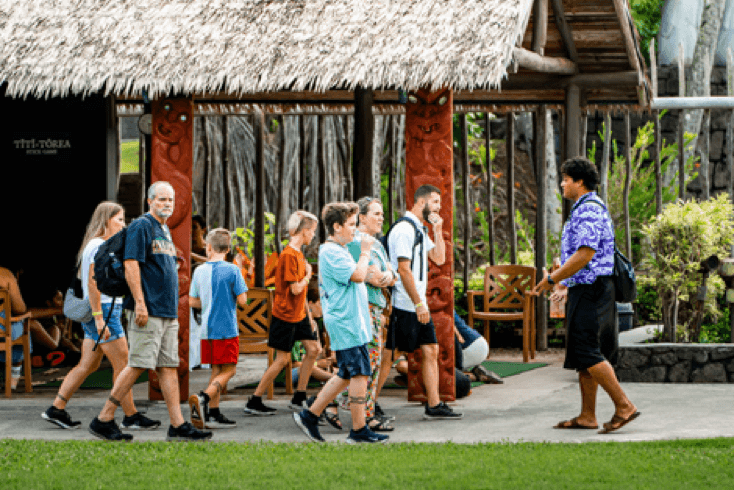
Pacific island cuisines reflect both pre-colonial agricultural systems and the transformations brought by contact with other regions. Taro, coconut, breadfruit and yams comprise traditional staples, prepared through methods developed across generations. Contemporary Pacific island cooking integrates these foundation ingredients with influences from Asian, European and American foodways, creating hybrid cuisines that reflect island histories. Dining at the center introduces visitors to regional dishes prepared by island cooks, offering flavors and preparations they might not encounter elsewhere. Understanding food practices reveals much about island environments, trade relationships and cultural values around hospitality and community sharing. Sampling traditional preparations fosters appreciation for agricultural knowledge accumulated over centuries of island habitation. Many center visitors report that tasting authentic regional cuisine becomes a highlight of their visit, creating sensory memories that extend beyond visual and auditory experiences. The Polynesian Cultural Center uses food experiences as gateways to deeper cultural understanding.
Historical Context and Contemporary Perspectives
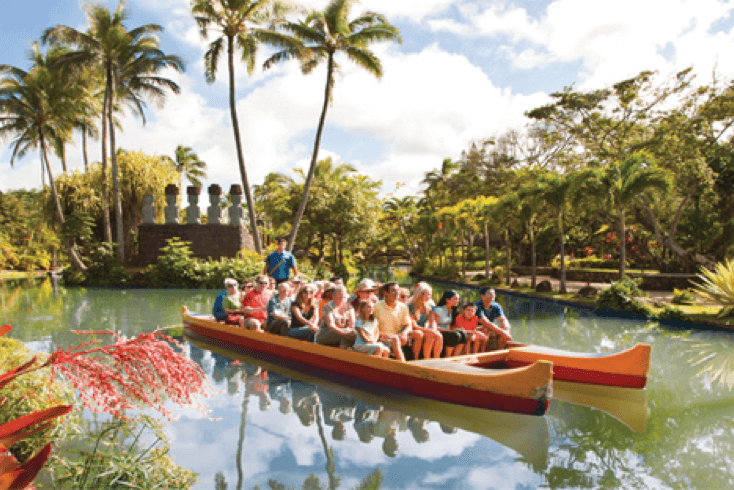
Polynesian cultural presentations must honestly address the historical experiences that shaped island societies, including colonialism, disease epidemics, economic exploitation and environmental changes. Many cultural centers historically sanitized these histories, presenting idyllic pre-contact cultures and glossing over colonialism’s devastating impacts. Contemporary approaches acknowledge these histories while centering Pacific island voices and perspectives. The center presents exhibitions and programs that address how island communities navigated colonialism, maintained cultural practices under pressure and continue asserting sovereignty and self-determination today. This contextual understanding transforms cultural tourism from escapist fantasy into genuine learning. Visitors develop appreciation for the resilience and agency demonstrated by Pacific island peoples in preserving and adapting their cultures across centuries of external pressure. The Polynesian Cultural Center situates cultural presentations within honest historical narratives.
- Multiple village areas showcase distinct island cultures, emphasizing diversity rather than flattening Polynesia into a single unified culture.
- Hands-on participation in traditional crafts and activities creates deeper engagement than observation alone.
- Professional performance programming presents music and dance as living art forms rather than historical recreations.
- Authentic cuisine experiences reveal connections between island environments, history and cultural values.
- Historical context addressing colonialism and contemporary island perspectives prevents cultural tourism from becoming escapist fantasy.
Meaningful cultural tourism respects communities while offering visitors transformative learning. Planning a visit to the Polynesian Cultural Center represents a commitment to engaging with Pacific island cultures authentically and supporting institutions that center island voices. The center’s combination of educational programming, hands-on experiences, professional performances and honest historical context creates conditions for genuine cultural exchange. Whether traveling from mainland United States, other Pacific islands or international locations, visitors leave with enriched understanding of Polynesian cultures and recognition of their ongoing significance in the modern world.