

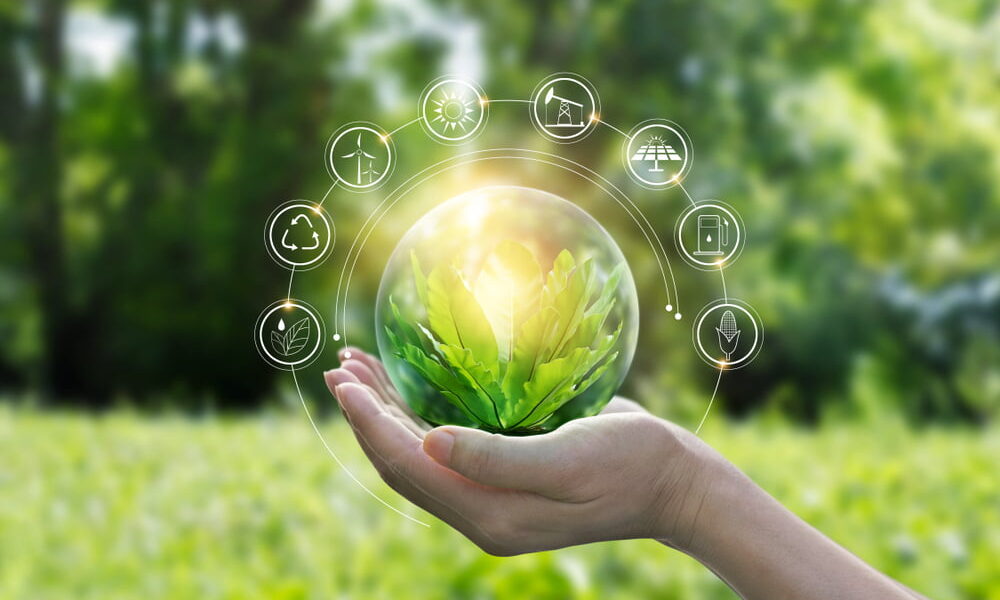
In a world where environmental concerns are at the forefront of global discussions, sustainable technology has emerged as a beacon of hope for a greener future. Technological innovations are paving the way for a more sustainable and eco-friendly world, addressing pressing issues such as climate change, resource depletion, and pollution. This article explores five remarkable sustainable technologies that are reshaping industries and promising a more sustainable future.
1. Solar Power Revolution

Solar power stands as a leading sustainable technology, offering a clean and renewable energy source. Solar panels harness energy from the sun and convert it into electricity, drastically reducing reliance on fossil fuels and decreasing carbon footprints. The technology has evolved to become more efficient, affordable, and accessible for both residential and industrial applications.
- Photovoltaic Panels: These panels directly convert sunlight into electricity using semiconductors. Advances in material science have improved their efficiency and durability.
- Solar Farms: Large-scale installations that generate significant amounts of electricity to power entire communities, reducing reliance on non-renewable energy sources.
- Solar Roof Tiles: Integrated into conventional roofing structures, these tiles blend seamlessly while harnessing solar energy, making them an aesthetically pleasing choice for homeowners.
- Solar Water Heaters: Utilizing the sun’s heat to warm water, reducing the need for electricity or gas for heating, which in turn lowers utility bills and reduces the carbon footprint.
- Solar-Powered Transportation: Solar panels integrated into electric vehicles, charging stations, and even planes offer sustainable mobility solutions, reducing dependency on traditional fuels.
2. Wind Power: Harvesting the Breeze
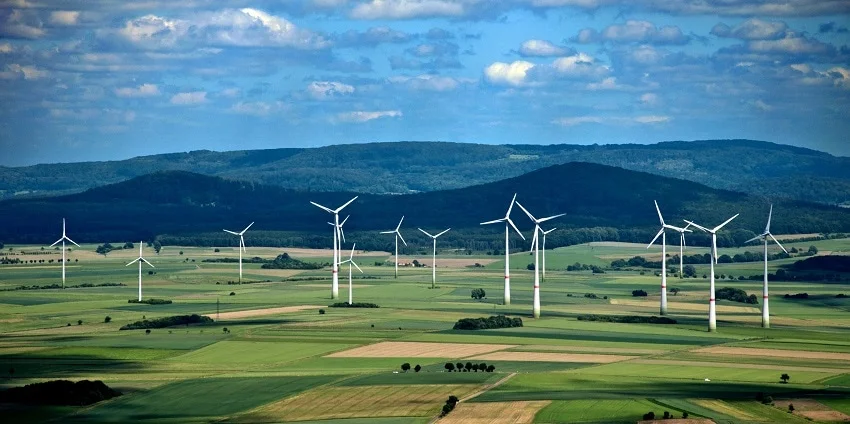
Wind power is another key sustainable technology that harnesses the wind’s kinetic energy to generate electricity. Wind turbines are an excellent source of clean and renewable energy, making a significant contribution to reducing greenhouse gas emissions.
- Onshore Wind Farms: These are wind farms located on land and typically consist of multiple wind turbines. They are a cost-effective and efficient way to generate large amounts of electricity.
- Offshore Wind Farms: Located in bodies of water, these wind farms have the potential to produce even more energy due to the consistent and strong offshore winds.
- Vertical Axis Wind Turbines (VAWTs): A more compact and potentially more bird-friendly alternative to traditional horizontal axis wind turbines.
- Wind Turbines for Homes: Small-scale wind turbines designed for individual households, reducing reliance on the grid and enabling self-sufficiency in energy production.
- Innovations in Blade Design: Ongoing research and development are improving the design of wind turbine blades, making them more efficient and quieter.
3. Energy-Efficient Buildings: Designing for Sustainability
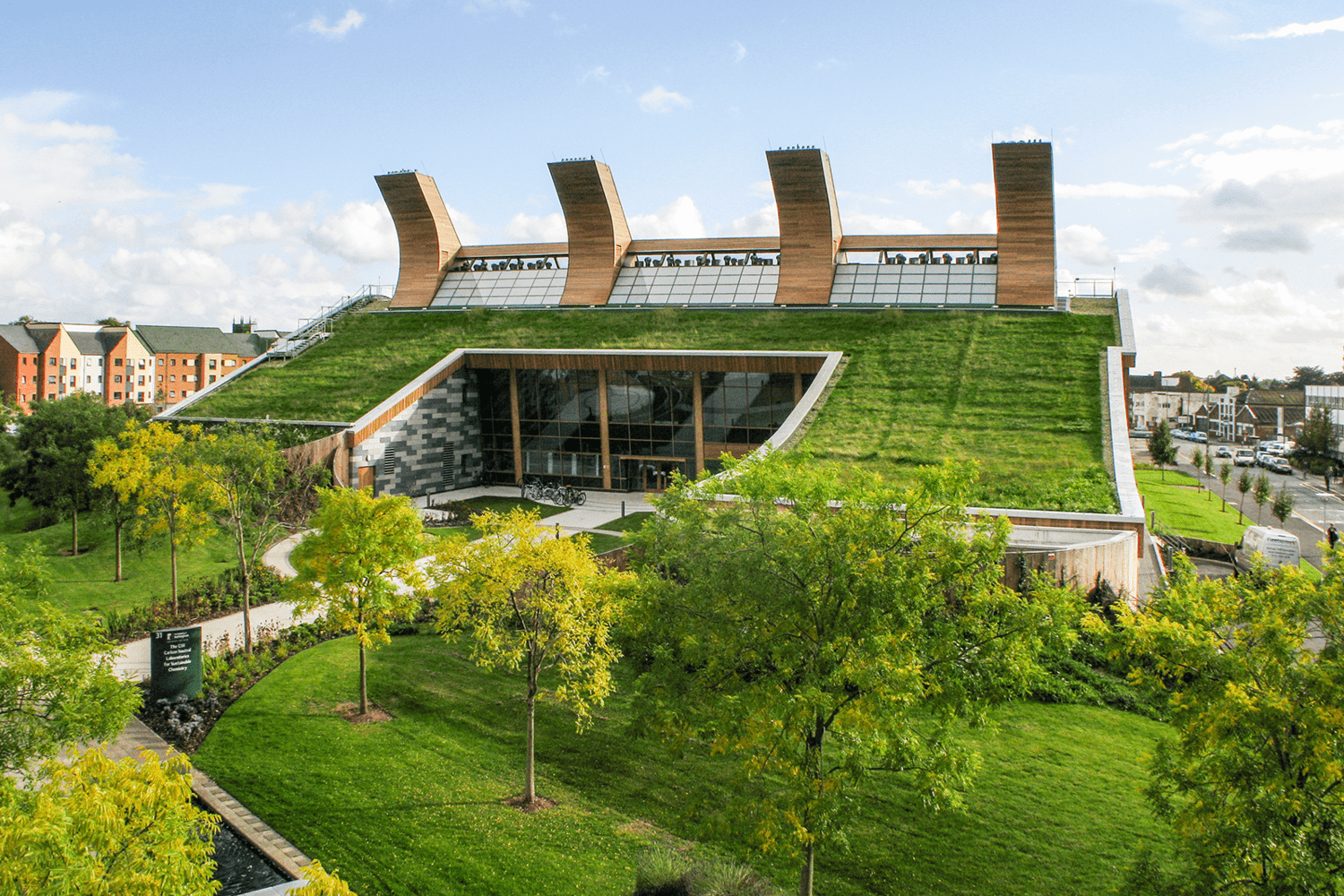
The design and construction of energy-efficient buildings have gained prominence as a sustainable technology. By incorporating smart design principles, efficient insulation, and renewable energy systems, buildings can significantly reduce energy consumption and promote a greener environment.
- Passive Solar Design: Utilizes the sun’s energy for heating, cooling, and lighting, reducing the need for additional energy sources.
- Green Roofs: Vegetated roofs that provide insulation, absorb rainwater, and reduce urban heat island effects, contributing to a healthier environment.
- Energy-Efficient HVAC Systems: High-efficiency heating, ventilation, and air conditioning systems that optimize energy usage and reduce greenhouse gas emissions.
- Smart Building Automation Systems: Utilizes sensors and automation to optimize energy usage by adjusting lighting, heating, and cooling according to occupancy and external conditions.
- Recycled Building Materials: Incorporating recycled materials in construction reduces waste and the need for new resource extraction, promoting a circular economy.
4. Circular Economy: Reducing Waste, Enhancing Sustainability
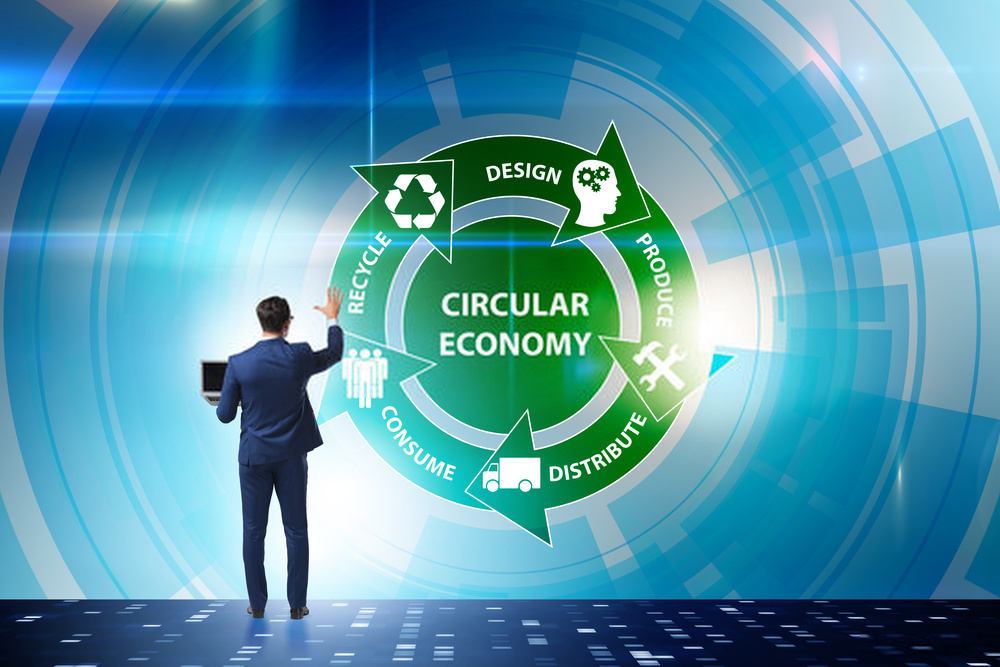
The concept of a circular economy focuses on reducing waste by extending the life of products, reusing materials, and recycling to create a closed-loop system. Sustainable technologies play a crucial role in achieving a circular economy and minimizing the environmental impact of manufacturing and consumption.
- Material Recycling Technologies: Advanced recycling processes that can recover materials from products, ensuring they are reused in new manufacturing processes.
- 3D Printing: Enables the manufacturing of products with reduced material wastage, using recycled materials, and creating customized, efficient designs.
- Product Life Extension Apps: Applications that allow users to repair, refurbish, or upgrade their products, prolonging their lifespan and reducing overall waste.
- Waste-to-Energy Technologies: Systems that convert waste into energy, contributing to the reduction of landfill waste and the generation of sustainable power.
- Resource Recovery from E-Waste: Technologies that extract valuable materials from electronic waste, reducing the need for mining and minimizing environmental damage.
5. Water and Waste Management: Innovative Solutions
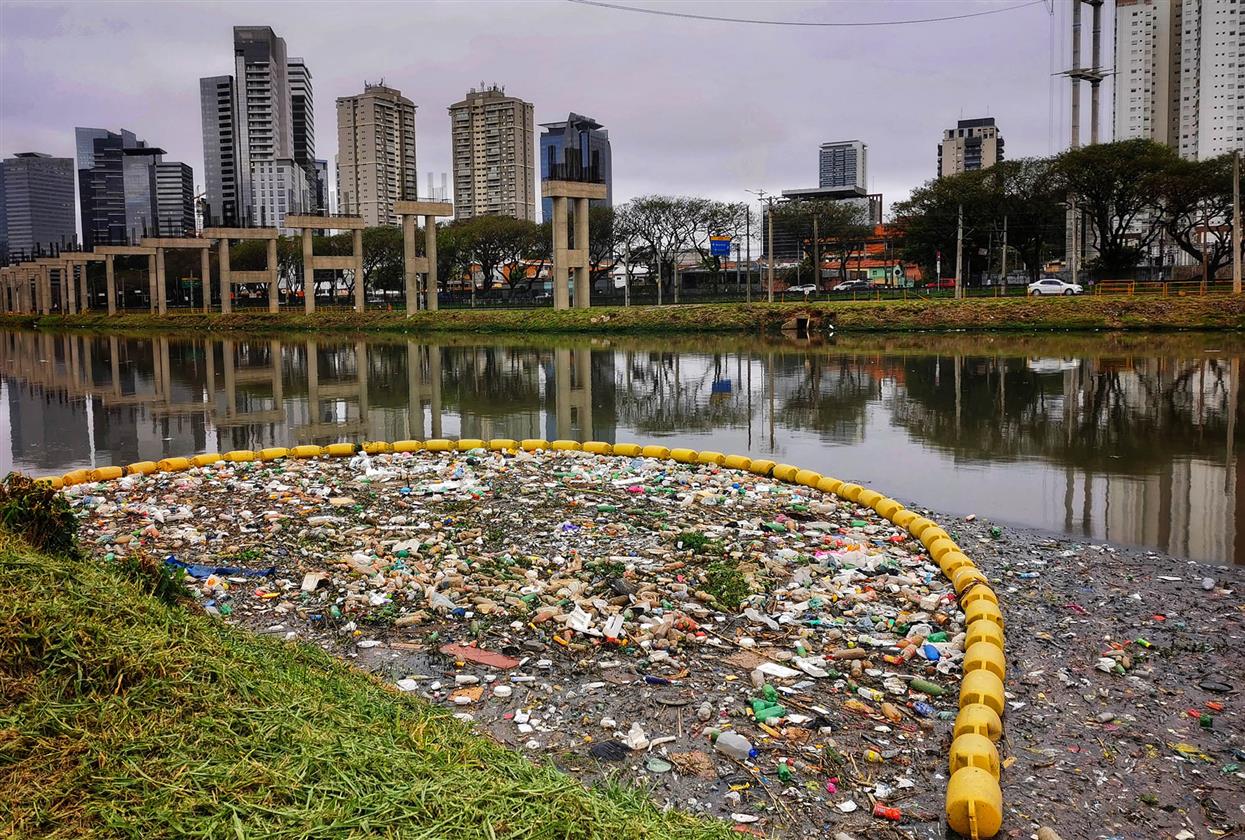
Water scarcity and improper waste management are pressing environmental issues. Sustainable technologies in these domains are revolutionizing the way we utilize and manage water and waste, aiming for more efficient and eco-friendly solutions.
- Greywater Systems: These systems recycle water from sinks, showers, and laundry for non-potable uses like irrigation and flushing toilets, reducing the strain on fresh water resources.
- Smart Irrigation Systems: Utilizes sensors and data analytics to optimize irrigation, reducing water wastage in agriculture and landscaping.
- Waste Sorting Technologies: Automated sorting systems that enhance recycling processes by efficiently segregating different types of waste for recycling.
- Anaerobic Digestion: Converts organic waste into biogas and nutrient-rich fertilizers, providing a sustainable approach to waste management.
- Desalination Technologies: Advanced desalination methods that convert seawater or brackish water into potable water, addressing water scarcity in coastal regions.
Conclusion
Sustainable technology is undeniably the cornerstone of a greener future. The innovations discussed here represent just a glimpse of the incredible progress being made in the field of sustainability. As these technologies continue to evolve and become more accessible, we can look forward to a world where our actions are in harmony with the environment, ensuring a sustainable and prosperous future for generations to come.