

3D printing technology has evolved from a niche maker hobby into an accessible tool for businesses, designers and enthusiasts alike. The market now offers models at various price points, with features tailored to different needs and skill levels. Whether you’re prototyping a product, creating artistic pieces, manufacturing parts for production runs or exploring innovative design concepts, finding the right 3D printer depends on understanding your specific requirements and the capabilities available in today’s expanding market.
Understanding printer Types and Applications
Not all printers work the same way. Fused deposition modeling (FDM) remains the most common and affordable approach, melting plastic filament to build objects layer by layer with precision and reliability. Stereolithography (SLA) and digital light processing (DLP) use resin and light to achieve higher detail and smoother finishes that rival traditional manufacturing methods. Selective laser sintering (SLS) handles more complex geometries and functional parts designed for demanding industrial environments. The choice between these technologies depends on your end goal whether you prioritize speed, detail quality, material options or production volume requirements. Many users start with FDM due to its accessibility and strong community support, then explore Flashforge 3D printer options in other categories as their needs evolve and projects become increasingly complex.
FDM Printers for Versatility and Accessibility
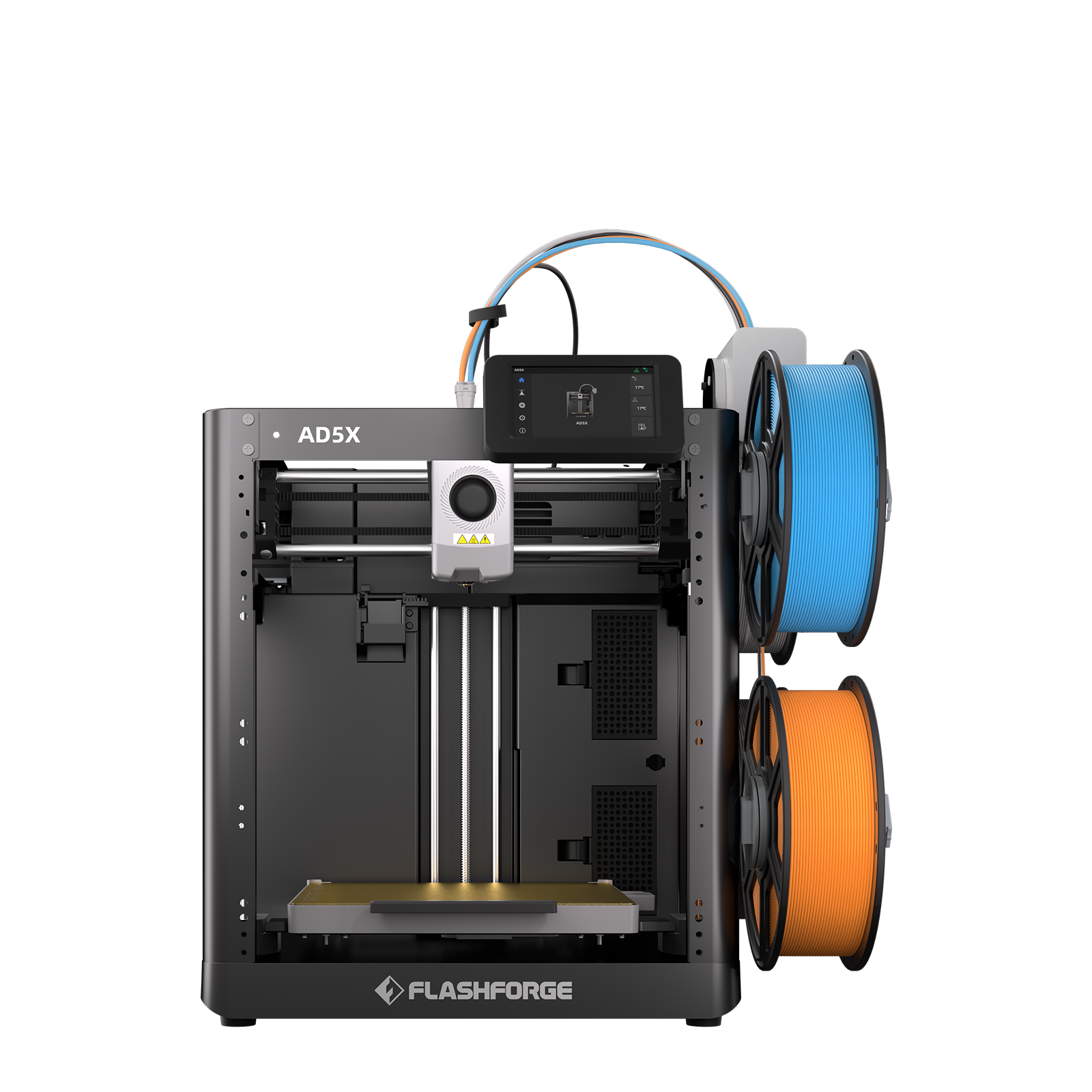
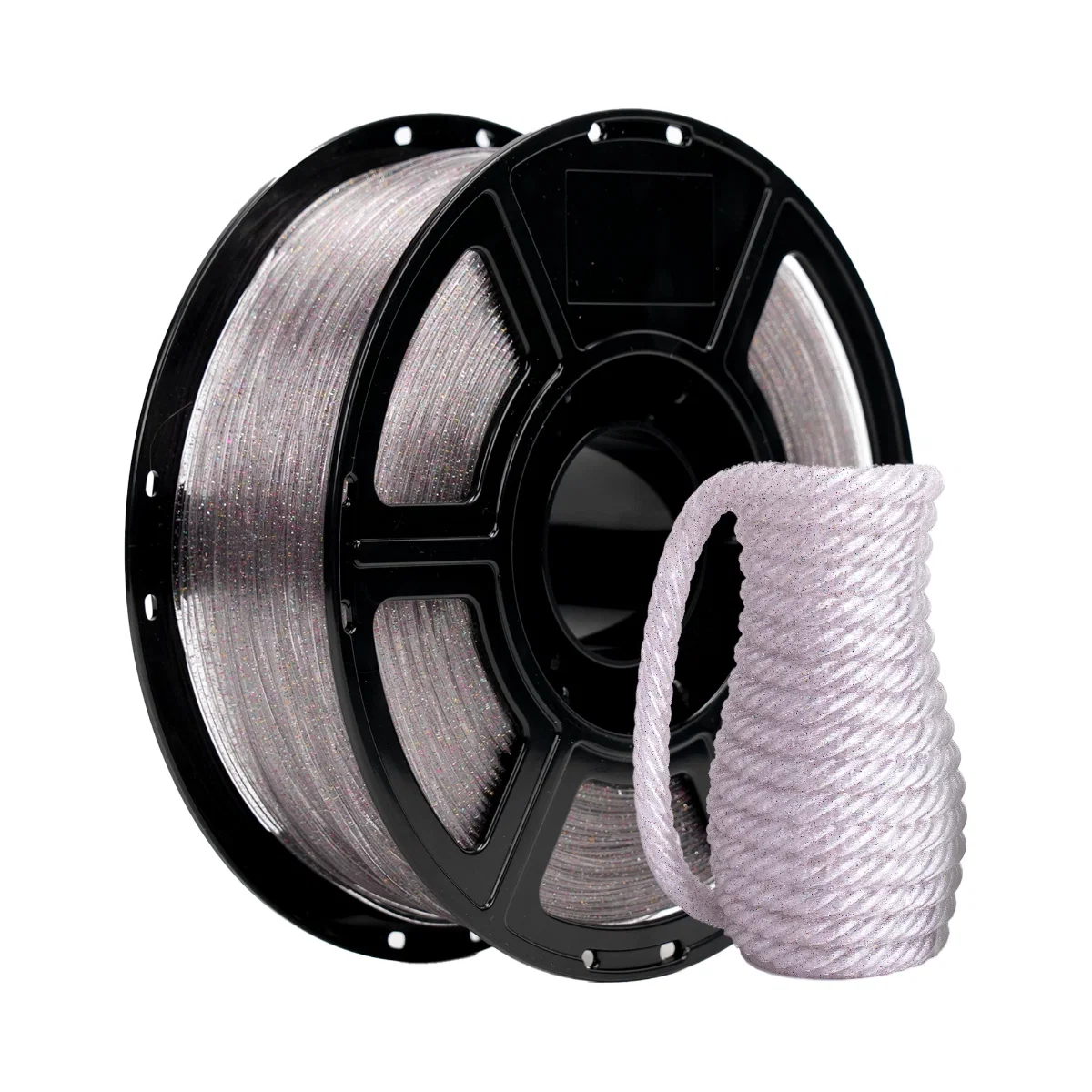
Fused deposition modeling remains the go-to choice for beginners and educational institutions because of its straightforward operation and remarkably low cost per print. These machines heat plastic filament to a liquid state, then extrude it through a precision nozzle to build objects with consistent quality and dimensional accuracy. Print quality has improved significantly over recent years, with modern machines achieving fine details and smooth surfaces that rival more expensive technologies once reserved for professional designers and engineers. The range of materials, from standard PLA to flexible TPU, carbon-fiber-reinforced nylon and specialized polymers engineered for industrial use, gives users tremendous flexibility in their projects and applications. Anyone interested in entry-level manufacturing or rapid prototyping should explore Flashforge printer models that balance affordability with reliability and long-term support from manufacturers.
Resin Printing for Precision and Detail
When detail matters most, resin-based 3D printers deliver superior surface finish and dimensional accuracy compared to traditional FDM approaches and other printing methods. These machines use UV light to cure liquid resin into solid shapes, capturing fine features and intricate designs with minimal post-processing effort required. Resin printing excels in jewelry design, dental applications, miniature gaming models and any specialized project where precision justifies the higher material cost per print. The technology has become more user-friendly in recent years, with improved resin formulations, safety features, heated build chambers and better ventilation systems reducing printing failures and environmental concerns significantly. For artists and designers demanding museum-quality results and fine detail work, investing in a quality Flashforge printer using resin technology remains a worthwhile decision.
Industrial and Professional Systems
- Production-grade printers handle continuous manufacturing runs with consistent quality and minimal operator oversight required.
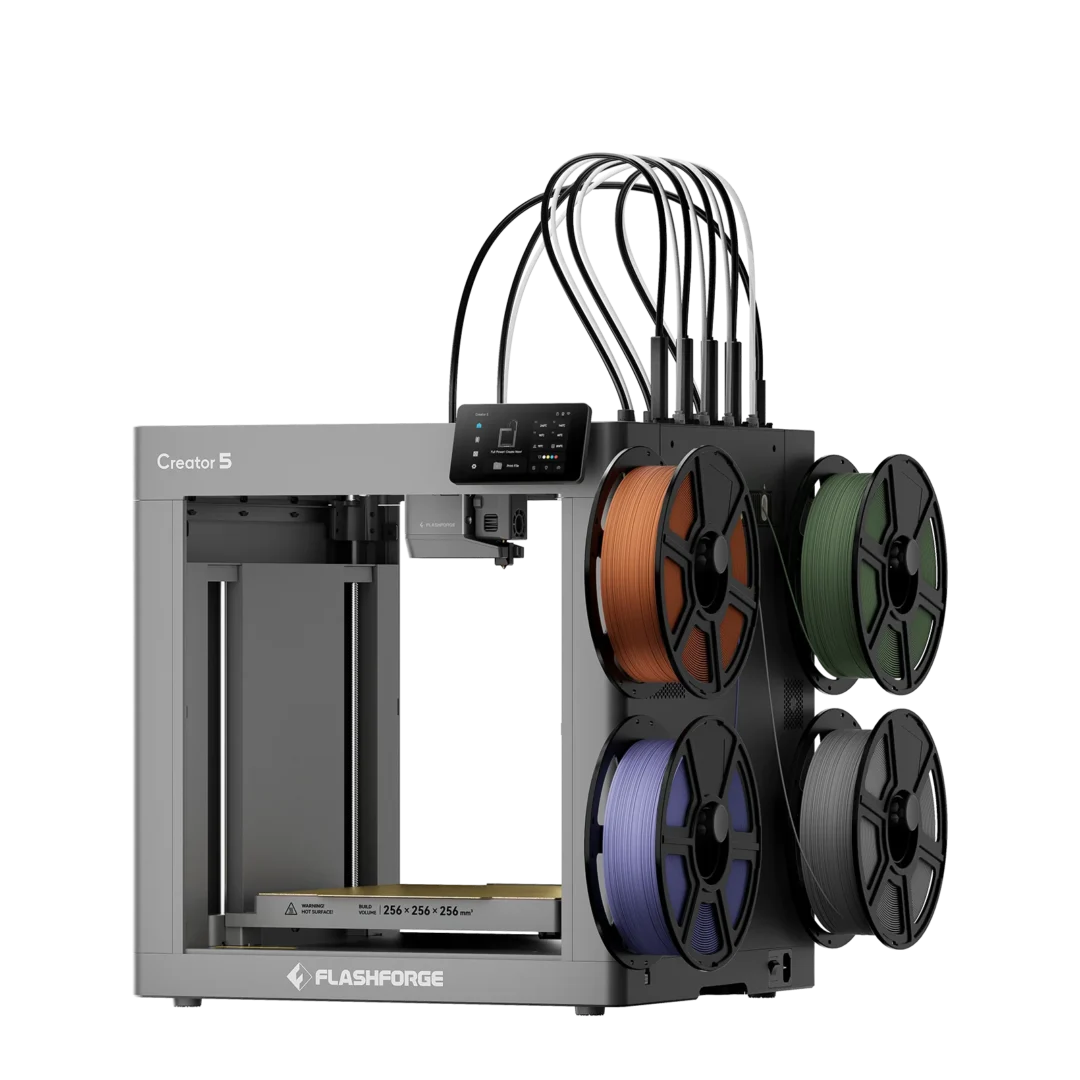
- Multi-material systems combine different filaments or resins in a single print, enabling complex assemblies and functional prototypes.
- Closed-loop temperature and humidity control ensures reliable results even in demanding production environments.
- Automatic nozzle cleaning, filament detection and predictive maintenance reduce downtime and maximize productivity.
- Integration with manufacturing software and quality control systems streamlines workflows from design to final delivery.
Businesses investing in 3D printing infrastructure expect equipment that performs reliably across thousands of operating hours without failure or malfunction. Industrial systems offer advanced features like fully enclosed chambers, sophisticated cooling systems and redundant safety systems for continuous uninterrupted operation. The initial investment is substantially higher than consumer models, but the cost-per-part decreases significantly as production volume increases and economies of scale take effect in manufacturing. Companies exploring in-house manufacturing should carefully evaluate how a professional-grade Flashforge printer fits into their existing workflow and whether the enhanced capability justifies the significant expense.
Materials and Finishing Considerations
The material you print with matters as much as the printer itself in determining final results and functionality. Different filaments and resins offer varying strength characteristics, flexibility, temperature resistance, chemical compatibility and aesthetic qualities for different applications and industries. Post-processing techniques, sanding, painting, vapor smoothing and specialized chemical treatments, can dramatically improve finished product appearance and functional performance for end users. Understanding these options before purchasing helps you select a 3D printer ecosystem that aligns with your long-term goals and intended applications. Budget-conscious makers might start with standard materials, while specialized applications demand premium options like engineering-grade polymers or food-safe medical-grade resins.
Choosing the Right System for Your Needs
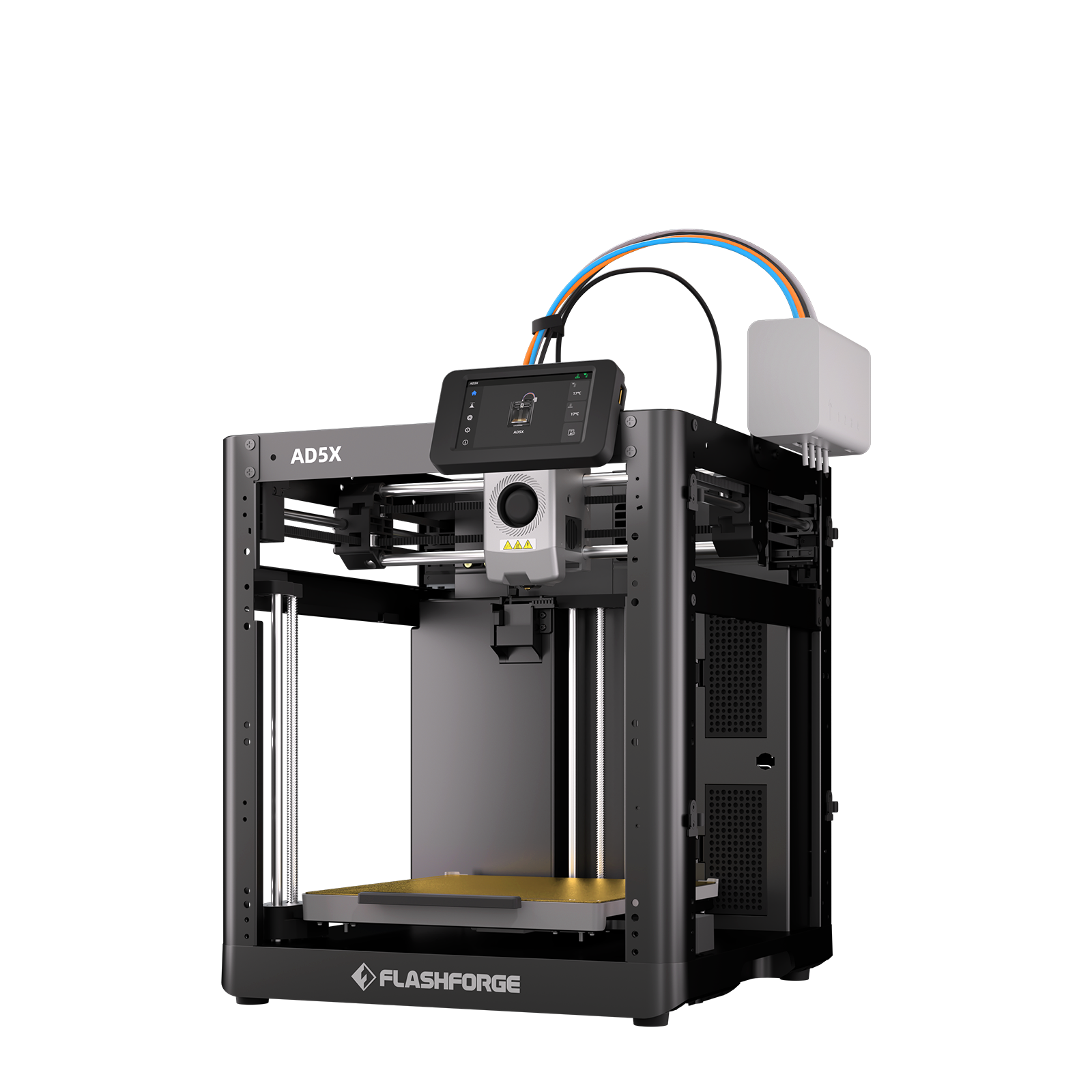
Selecting a printer requires honest assessment of your requirements including resolution needed, material compatibility options, build volume capacity, print speed requirements, maintenance tolerance and overall budget constraints. Beginners often benefit from community-supported models with abundant documentation and accessible aftermarket parts. Professionals prioritize reliability and responsive support from equipment manufacturers. Educational institutions need systems that are robust enough to withstand regular use and flexible enough to teach multiple printing methodologies. Visit Flashforge the 3D printer retailer to explore models, compare detailed specifications and find authentic reviews from experienced users. The right equipment investment will deliver years of creative output and manufacturing capability.
