

In the ever-evolving world of smartphones, two dominant operating systems, iOS and Android, vie for attention. Choosing the right operating system can significantly impact your smartphone experience. Each has its unique features, strengths, and weaknesses. In this article, we’ll delve into a comprehensive comparison to help you determine which one suits your needs and preferences.
User Interface and Design
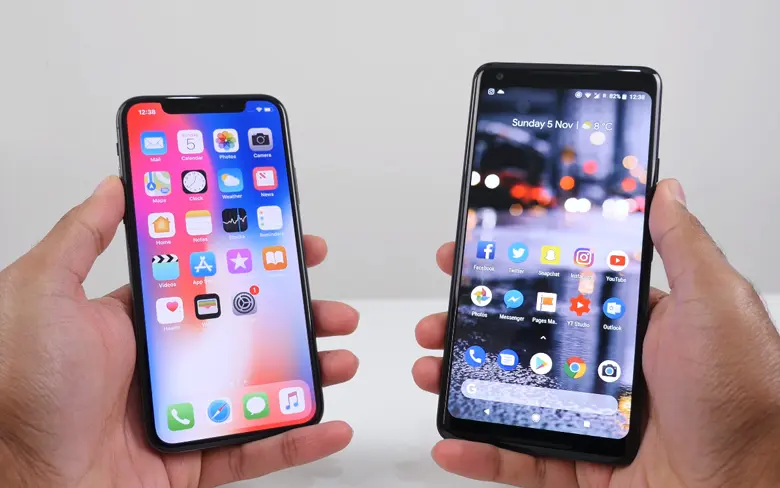
The user interface (UI) and design of an operating system play a crucial role in user experience. Both iOS and Android have their distinct styles and aesthetics.
iOS:
- Apple’s iOS is renowned for its sleek, minimalist design.
- The UI is intuitive and user-friendly, making it easy for newcomers to navigate.
- The consistent design across all Apple devices provides a seamless experience for users within the Apple ecosystem.
- iOS offers limited customization options compared to Android, maintaining a standardized look and feel.
- The control center and notifications are well-organized, providing quick access to important functions.
Android:
- Android offers a more customizable user experience, allowing users to tweak the UI to their liking.
- The Android interface varies across manufacturers, with each adding their own touch, providing a broader range of design options.
- Notifications on Android are more interactive and customizable, offering richer features for managing alerts.
- Widgets are a notable feature on Android, allowing users to personalize their home screens with real-time updates and quick access to apps.
- The app drawer in Android keeps apps neatly organized, providing an efficient way to find and access applications.
App Ecosystem
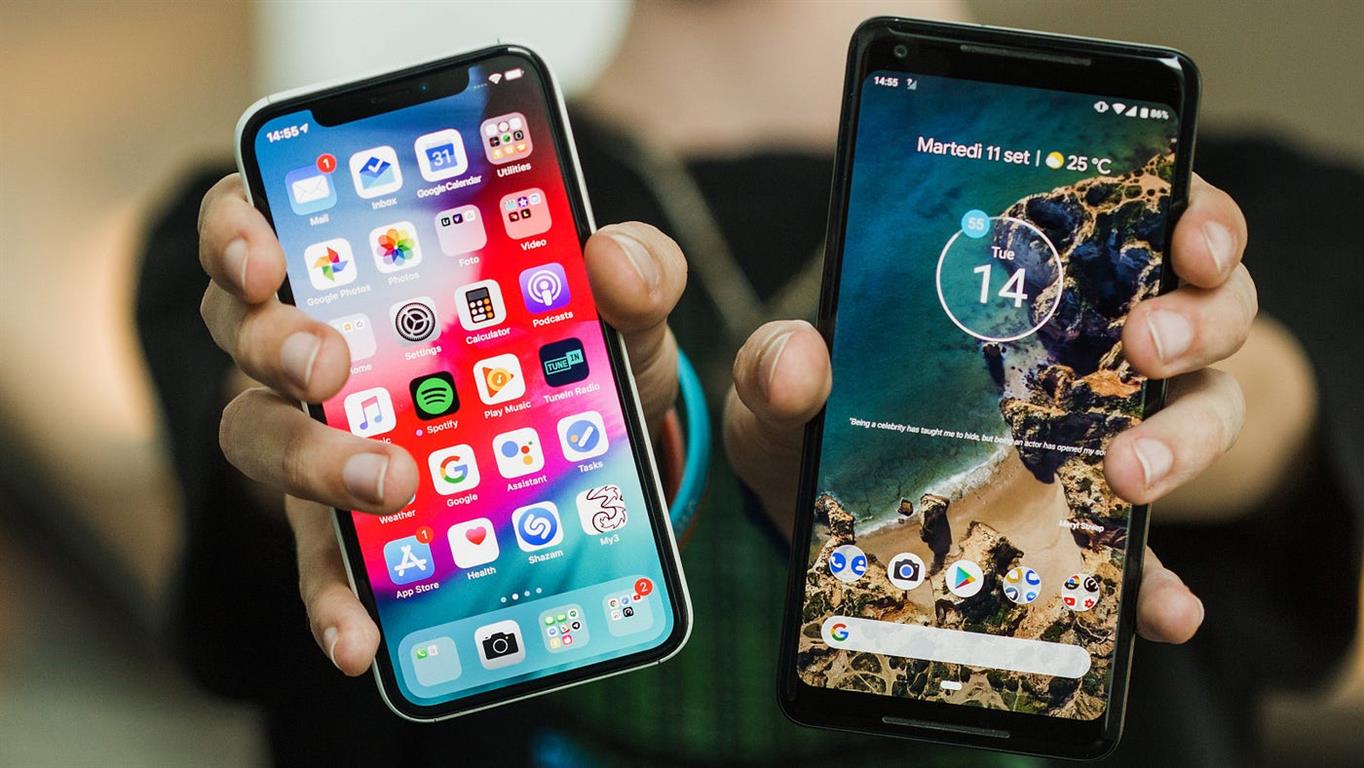
The app ecosystem is a crucial consideration for anyone looking to maximize the functionality and versatility of their smartphone.
iOS:
- The Apple App Store is known for its stringent app review process, ensuring high-quality, secure applications.
- iOS often receives new apps and updates first, thanks to its developer-friendly environment and lucrative app market.
- The App Store is well-organized, making it easy to discover and download apps.
Android:
- The Google Play Store has a larger number of apps compared to the App Store, offering a more diverse selection.
- Android allows users to download apps from third-party sources, giving more flexibility but necessitating caution regarding security.
- Developers appreciate the open nature of the Android platform, enabling more innovative and experimental apps.
- Some apps are available on Android before iOS due to a less stringent app review process.
Integration and Ecosystem

The level of integration with other devices and services can greatly impact the overall convenience and seamless user experience.
iOS:
- iOS excels in integration within the Apple ecosystem, seamlessly connecting with other Apple devices and services like iCloud, iMessage, FaceTime, and Apple Watch.
- Handoff allows for easy transition between devices, such as starting an email on an iPhone and finishing it on a Mac.
Android:
- Android offers integration with a wide variety of devices and services, including those from different manufacturers.
- Google services like Gmail, Google Drive, and Google Photos are deeply integrated into the Android experience, providing a cohesive ecosystem.
Customization and Flexibility

The degree of customization and flexibility can significantly impact the level of personalization and control you have over your device.
iOS:
- iOS provides a more controlled environment, limiting customization options to maintain a consistent and secure user experience.
- Customization is limited to changing wallpapers, rearranging app icons, and selecting app layouts.
Android:
- Android offers extensive customization options, allowing users to personalize their device with different launchers, themes, and icon packs.
- Users can tweak system settings, choose default apps, and apply custom ROMs for a tailored experience.
Security and Privacy
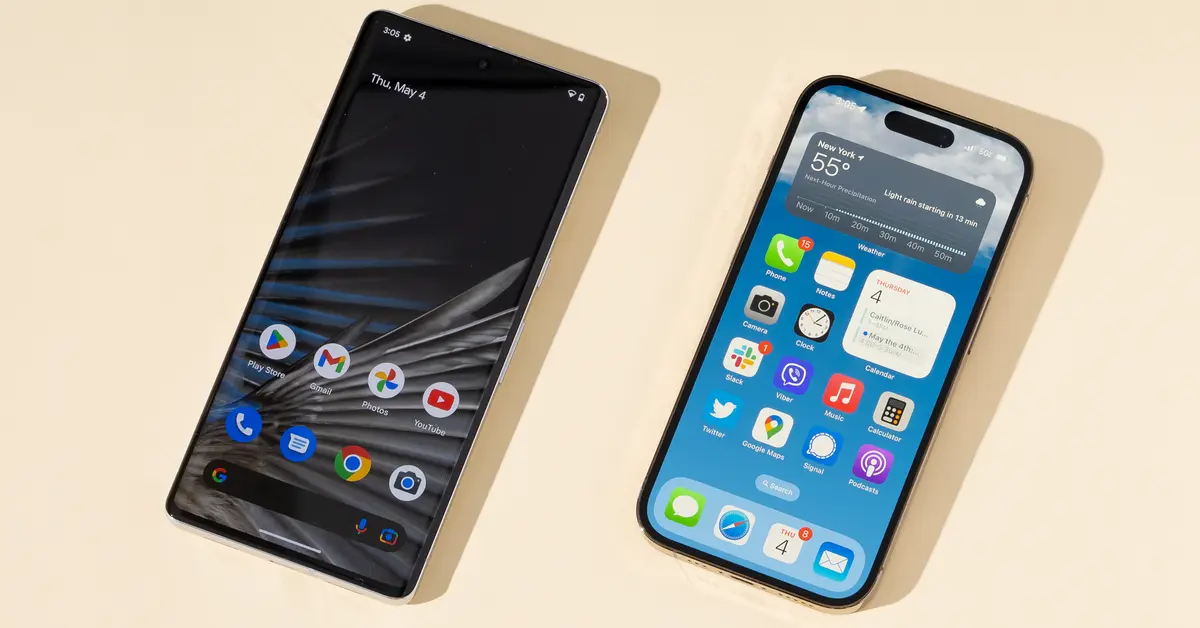
Ensuring the security and privacy of your personal data is paramount when choosing an operating system.
iOS:
- iOS is known for its robust security features, including end-to-end encryption for iMessages and FaceTime calls.
- Apple emphasizes user privacy and has stringent app permissions, providing users more control over what data apps can access.
Android:
- Android has made significant strides in enhancing security and privacy in recent years.
- Google regularly updates Android with security patches and features like Google Play Protect to safeguard against malware.
- Users can control app permissions and have the option to use third-party security apps for added protection.
Conclusion
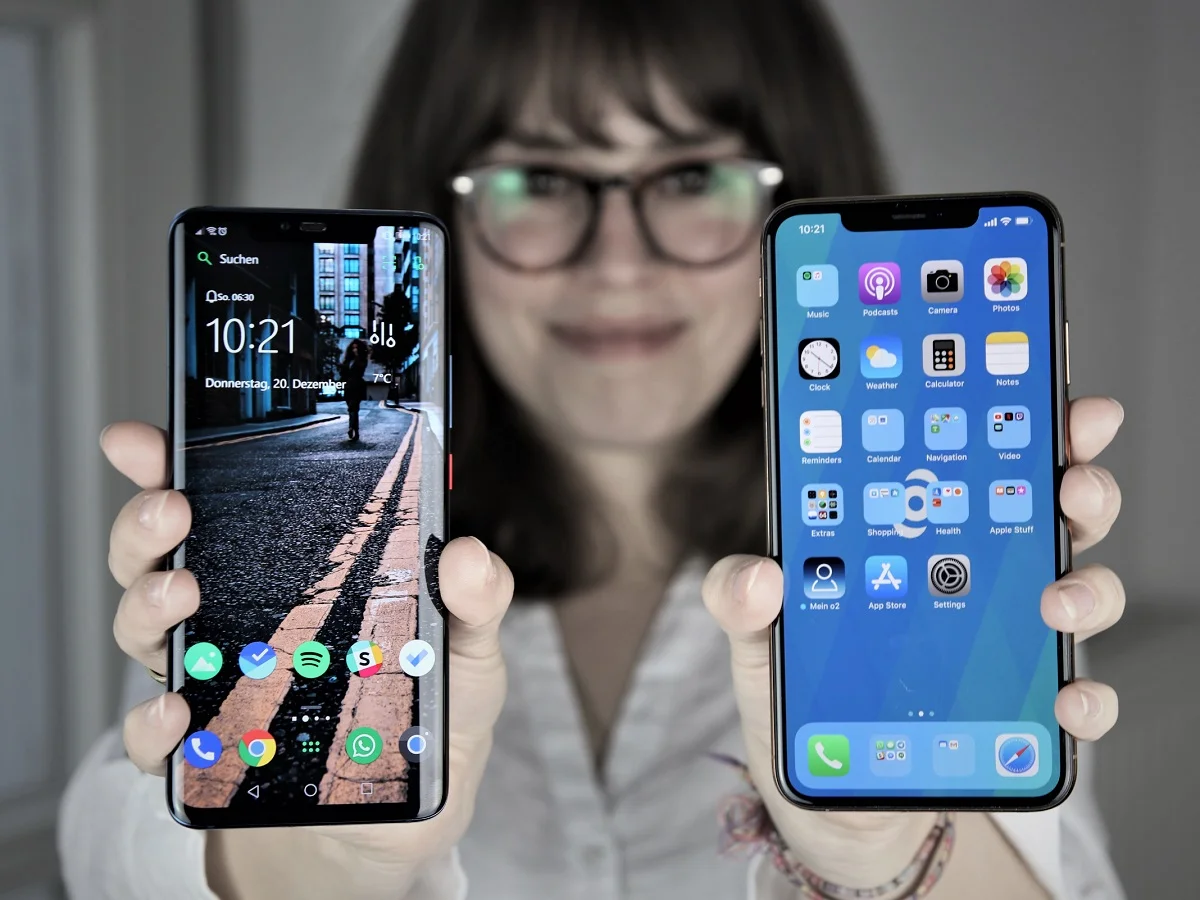
Choosing between iOS and Android ultimately comes down to your preferences, priorities, and the ecosystem you’re already invested in. iOS offers a streamlined and secure experience, ideal for those deeply integrated into the Apple ecosystem. On the other hand, Android provides greater customization and a diverse app ecosystem, catering to those who value flexibility and options. Consider your needs and desires carefully to make an informed decision that aligns with your smartphone usage.
Whether you opt for the sleek and standardized iOS or the customizable and versatile Android, both operating systems continue to evolve, offering exciting features and innovations to enhance your smartphone experience.