

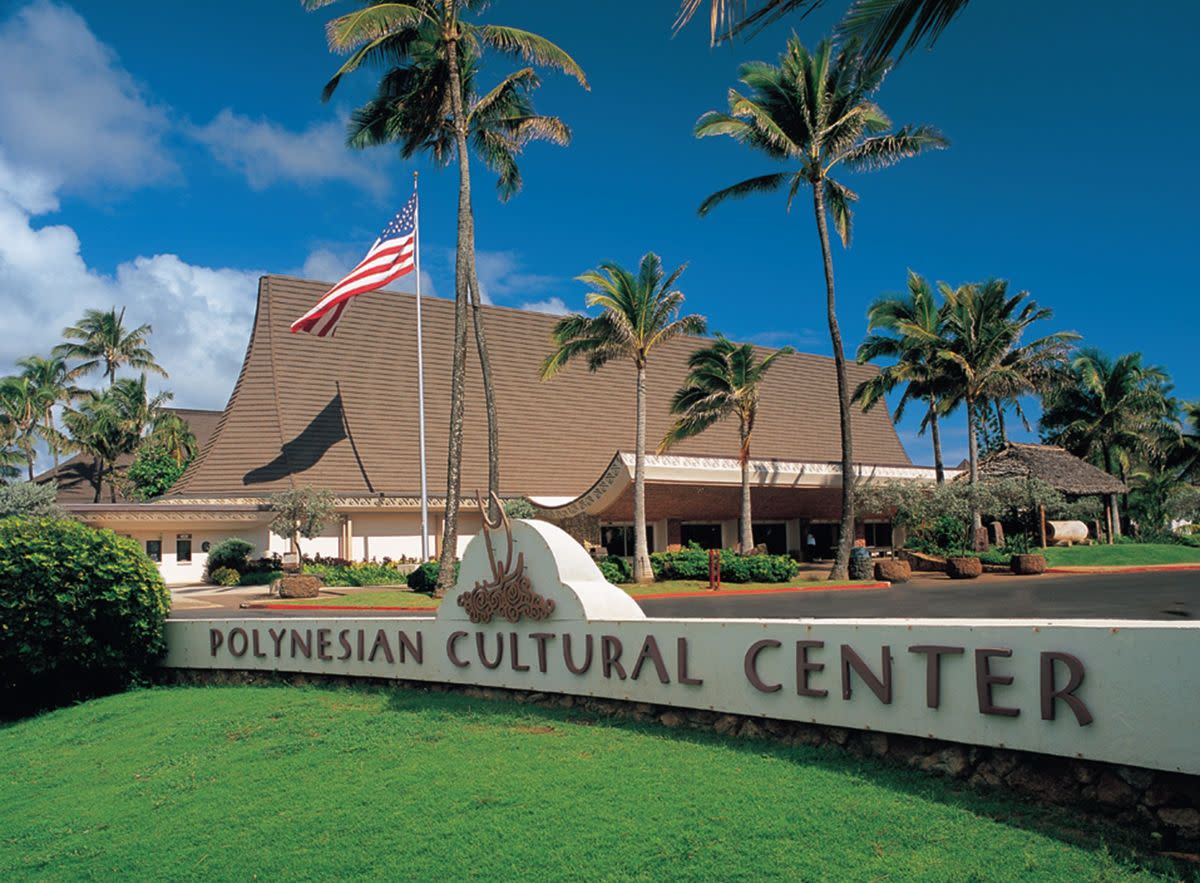
Polynesian cultures represent some of the world’s most distinctive and vibrant traditions, yet many travelers experience them only superficially through resort settings or guided tours. Authentic Polynesian cultural experiences require engaging directly with communities, learning histories and traditions and participating in cultural practices that shape daily island life. Specialized cultural centers and educational institutions have created immersive experiences enabling visitors to understand Polynesian heritage deeply while supporting cultural preservation. These destinations transform travel from passive consumption into active learning, enabling travelers to leave with genuine cultural understanding rather than surface-level impressions. Experiencing authentic Polynesian culture enriches travel profoundly while supporting communities dedicated to preserving endangered traditions.
Understanding Polynesian Cultural Heritage and History
Polynesian cultures span vast Pacific distances, from Hawaii to New Zealand to Easter Island, yet share historical connections and cultural traditions reflecting ancient navigation, settlement patterns and island adaptation. Understanding this shared heritage requires learning about Polynesian ancestors who navigated thousands of miles across open ocean using celestial navigation and environmental observation. Polynesian languages share linguistic roots reflecting shared ancestry and migration patterns. Traditional practices including hula, tattooing, canoe building and food preparation reflect sophisticated cultural knowledge refined across centuries of island living. Western colonization disrupted these traditions, yet contemporary Polynesian communities work actively preserving languages, practices and knowledge threatened by cultural homogenization. Polynesian Cultural Center Polynesian cultural institutions serve crucial roles documenting and transmitting these traditions to future generations while enabling visitors understanding cultural significance.
Immersive Cultural Center Experiences

Modern cultural centers create controlled environments enabling safe, respectful immersion in Polynesian traditions. Rather than exploitative tourism reducing cultures to spectacle, genuine cultural centers employ community members as educators, offer historically accurate information and present traditions within cultural context. Visitors participate in activities including hula lessons, traditional cooking demonstrations, canoe-building workshops and language instruction. These hands-on experiences create embodied understanding, learning hula teaches dance, rhythm and storytelling connections to Polynesian worldviews; participating in traditional food preparation reveals ingredient knowledge and agricultural practices; attempting celestial navigation demonstrates ancestral expertise. Polynesian Cultural Center Comprehensive cultural centers integrate multiple villages or regions representing specific island communities, enabling comparative understanding of cultural variations across Polynesia.
Language and Communication in Cultural Contexts
- Polynesian language lessons enable visitors pronouncing place names correctly and understanding cultural terminology that explains traditions.
- Translation of chants and songs reveals narrative structures and storytelling traditions transmitting cultural knowledge across generations.
- Understanding linguistic relationships across Polynesian regions reveals shared heritage and cultural migrations through language analysis.
- Learning greetings and basic communication demonstrates respect for communities while enabling genuine interaction beyond tourist transactional relationships.
- Discovering how languages encode cultural values and worldviews through specific vocabulary and grammatical structures.
Traditional Arts and Crafts as Cultural Expression
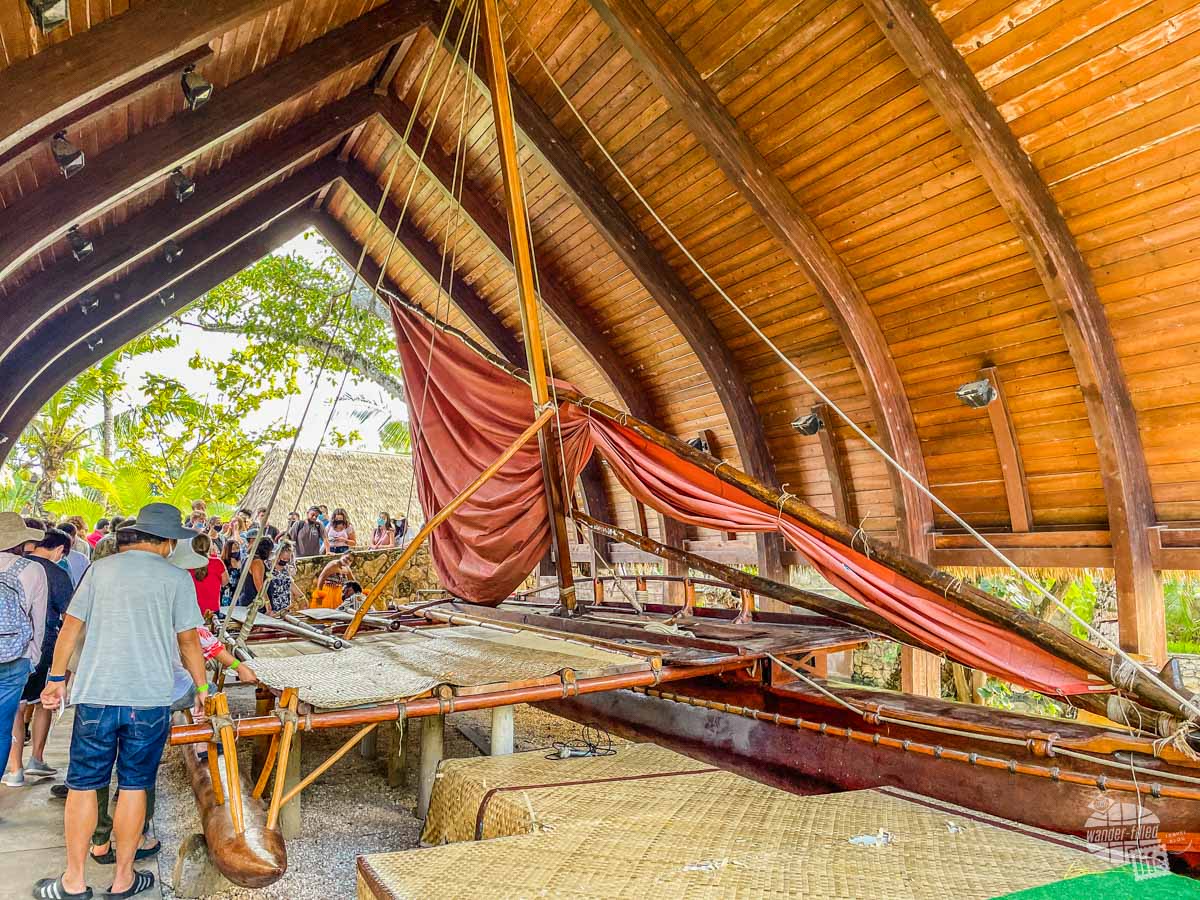
Polynesian artistic traditions including tattooing, weaving, woodcarving and feather work represent sophisticated aesthetic systems and cultural symbolism. Traditional tattoos mark genealogy, social status and spiritual beliefs, designs tell individual and family histories intelligible to community members. Weaving practices produce functional items including baskets and mats while preserving knowledge about plant resources and environmental adaptation. Woodcarving creates both functional implements and sacred objects embodying spiritual beliefs. Feather work demonstrates mastery of rare materials and intricate technique. Learning these practices from practitioners reveals technical mastery while explaining cultural meanings embedded in artistic choices. Polynesian Cultural Center Cultural institutions featuring traditional arts preserve endangered crafts by creating markets supporting practitioners while enabling visitor participation.
Food, Agriculture and Culinary Traditions
Polynesian cuisine reflects adaptation to island environments, utilizing local plants, marine resources and sophisticated preservation techniques. Traditional staple crops including taro, coconut, breadfruit and sweet potato shaped settlement patterns and agricultural development. Fishing practices reflect detailed ecological knowledge, understanding seasonal fish movements and sustainable harvesting methods. Cooking techniques including earth ovens (imu) enable efficient resource use while creating communal dining experiences. Contemporary Polynesian cuisine blends traditional ingredients with international influences while maintaining connection to ancestral foodways. Participating in food preparation connects to cultural practices, environmental relationships and social structures. Learning these practices honors agricultural heritage while enabling appreciation for how communities adapted to island constraints.
Music, Dance and Storytelling Traditions
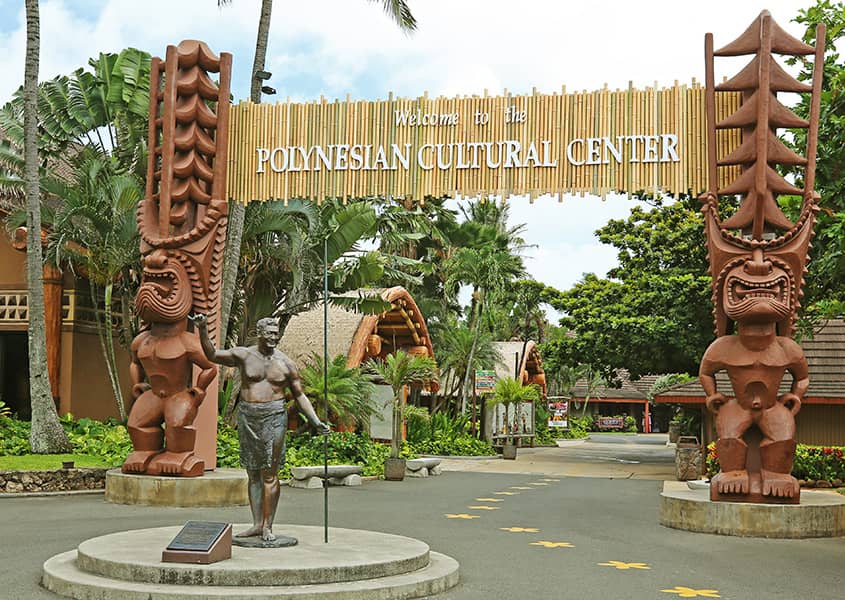 Hula and other traditional dances represent complex communication systems encoding stories, historical events and spiritual beliefs. Dance movements serve as mnemonic devices transmitting narratives without written records. Musical traditions including traditional instruments (ukulele, pahu drum, conch shell) create acoustic environments reflecting cultural aesthetics. Chants combine poetic language with musical accompaniment, creating emotionally powerful expressions of cultural identity. Contemporary performances honor ancestral traditions while enabling modern interpretation and innovation. Understanding these traditions requires moving beyond tourist performances toward genuine educational experiences explaining cultural contexts and meanings. Polynesian Cultural Center Cultural performances featuring community members as educators rather than performers create more authentic experiences than commercialized entertainment.
Spiritual Beliefs and Religious Practices
Pre-contact Polynesian religions centered on complex pantheons reflecting natural forces and ancestral veneration. Spiritual practices integrated into daily life through rituals, taboos (kapu) and sacred sites. Colonization and missionary activity disrupted traditional beliefs, yet many communities maintain spiritual practices honoring ancestral beliefs alongside adopted religions. Understanding these spiritual dimensions requires respectful engagement respecting sacred sites and practices. Many cultural centers include education about spiritual beliefs while maintaining appropriate boundaries around sacred practices. Learning about spiritual worldviews enables understanding how Polynesian peoples conceptualized human relationships to natural and supernatural worlds.
Community Engagement and Sustainable Tourism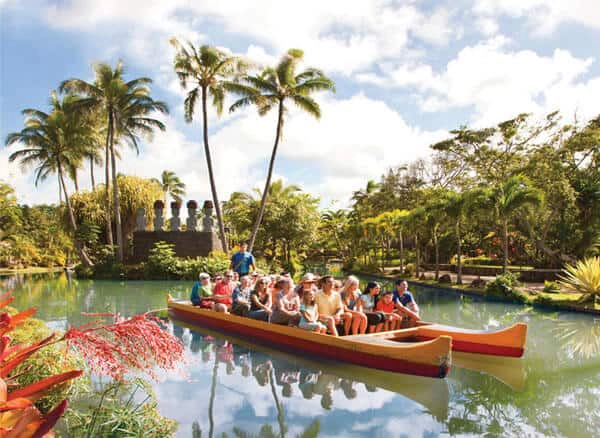
Authentic cultural tourism supports communities through employment, revenue generation and cultural validation while creating obligations to represent traditions accurately and respectfully. Sustainable cultural institutions employ community members, invest revenues in community projects and maintain control over cultural representation. Visitors choosing these institutions over exploitative alternatives directly support community wellbeing. Genuine engagement requires respecting community guidelines about photography, sacred practices and appropriate behavior. Polynesian Cultural Center Community-based cultural experiences ensure tourism benefits flow to communities while preserving cultural integrity.
Contemporary Polynesian Identity and Cultural Continuity
Contemporary Polynesian communities navigate balancing cultural preservation with modern realities including economic pressures, climate change and globalization. Young people increasingly reclaim cultural practices, languages and identity as forms of resistance and affirmation. Cultural institutions serve vital roles revitalizing traditions among diaspora communities and supporting youth cultural reconnection. Tourism supporting these institutions provides resources enabling cultural work otherwise impossible. Understanding contemporary Polynesian experiences alongside historical knowledge enables appreciating living cultures rather than treating Polynesia as historical artifact.
Experiencing Polynesian culture authentically requires moving beyond resort entertainment toward direct engagement with communities and institutions dedicated to cultural preservation and education. By choosing immersive cultural experiences supporting communities, respecting sacred practices and engaging with cultures as living realities, travelers gain profound understanding while contributing to cultural continuity. These experiences transform travel into genuine cross-cultural learning, creating lasting appreciation for Polynesian achievements and contemporary communities continuing these remarkable traditions.
