

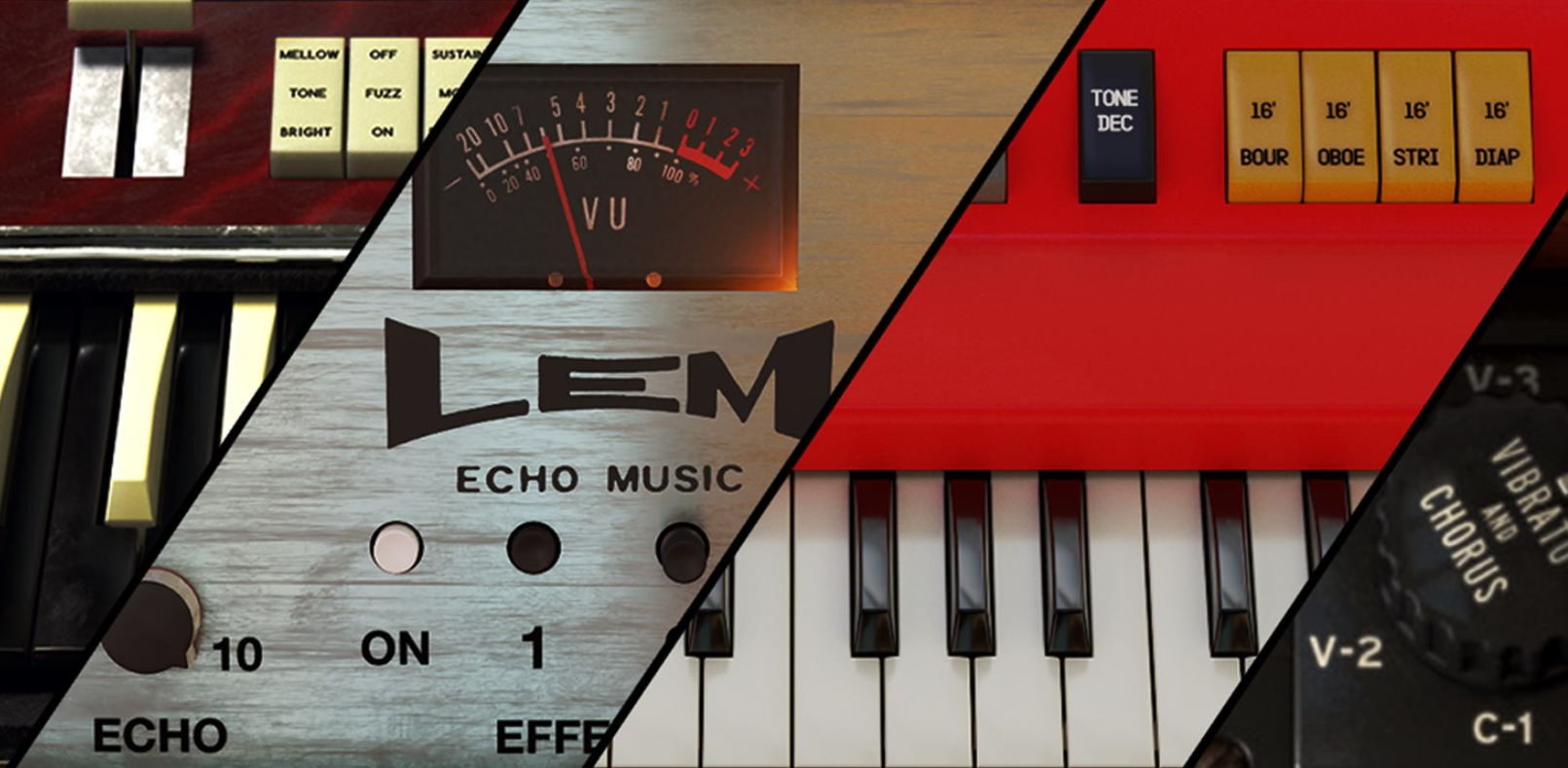
Where software instruments and plugins are released by the thousands, there is a distinct difference between a tool that merely mimics a sound and one that captures its “soul.” Martinic has built a global reputation by specializing in the latter. Since its inception in the early 1990s, this Dutch software house has dedicated itself to the high-end emulation of classic organs, synthesizers, and vacuum-tube effects, allowing today’s producers to harness the warmth of the 1960s and 70s within a 21st-century digital workstation.
For the composer who craves the grit of a transistor organ or the lush, swirling chorus of a legendary hardware unit, Martinic offers a bridge between the physical past and the virtual future.
The Art of Virtual Simulation: Beyond Simple Sampling

What sets Martinic apart from many competitors is their technical philosophy. While many developers use “sampling” (recording a physical instrument and playing those sounds back), Martinic utilizes Circuitry Modeling. This process involves mathematically recreating every capacitor, resistor, and vacuum tube within the original hardware.
This “component-level” approach ensures that the software behaves exactly like the physical machine. When you turn a virtual knob on a Martinic plugin, the sound reacts with the same organic unpredictability and character as the original vintage hardware. The result is a sound that feels “alive” rich in harmonics and responsive to the nuances of a performer’s touch.
The Iconic Catalog: A Treasure Trove for Producers
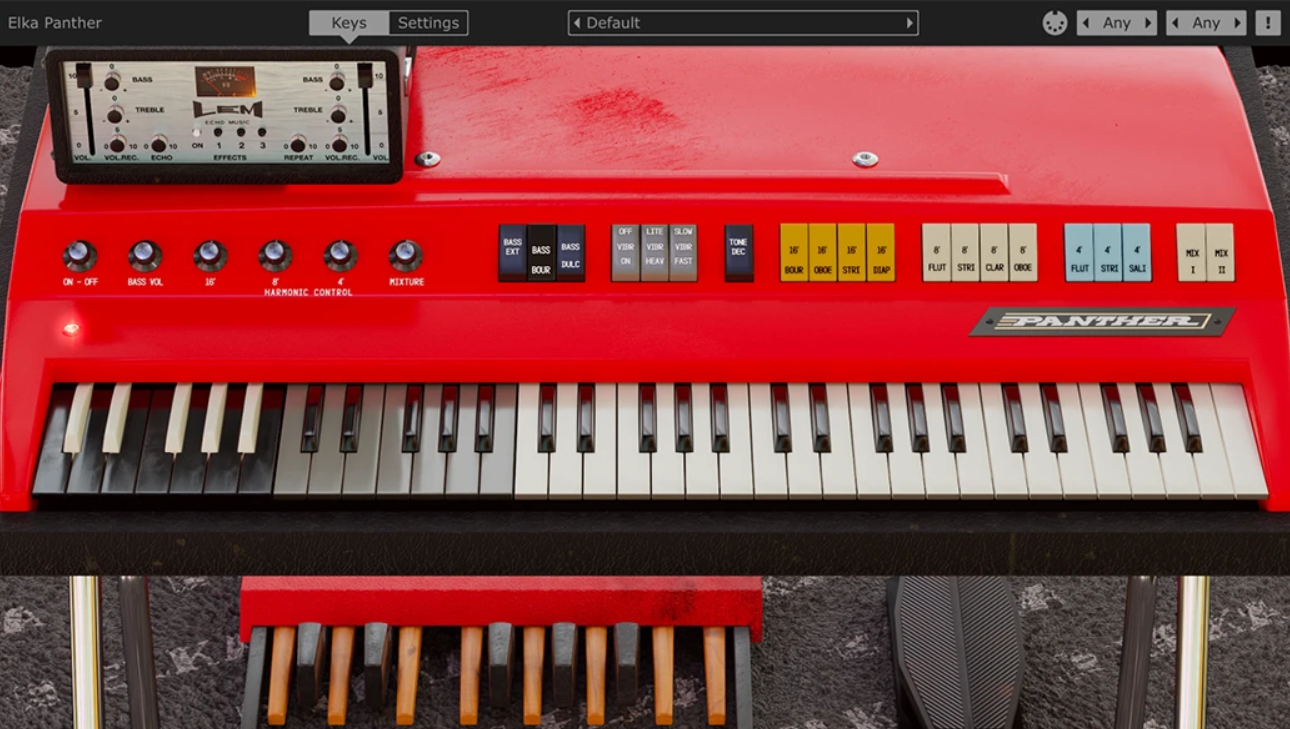
The Martinic collection is a carefully curated gallery of sonic history. Each plugin is designed to fill a specific gap in the digital palette:
1. The Elka Panther: The King of Transistor Organs
The Elka Panther is perhaps Martinic’s most celebrated achievement. Originally a 1960s Italian powerhouse used by legendary bands, the software version captures the bold, gritty, and versatile tones of the original. It’s not just an organ; it’s a time machine that brings the authentic “retro-cool” vibe to modern indie, rock, and psychedelic tracks.
2. The Kee Bass: A Vintage Classic Reimagined
Based on the Rheem Kee Bass one of the first monophonic string bass simulators this plugin provides that deep, percussive bass sound that defined an era of lounge and early electronic music. Martinic has updated the original 1960s design with modern features like extended ranges and LFOs, making it a secret weapon for synth-wave and lo-fi producers.
3. The AX73: The Forgotten Analog Giant
The AX73 synthesizer emulation is a masterclass in 1980s analog warmth. Originally a Japanese powerhouse, Martinic’s version expands on the hardware by adding modern modulation matrices, an extensive effects rack, and a powerful “Settings” page that allows users to tweak the virtual circuitry until it sounds like a perfectly aged piece of vintage gear.
Studio-Grade Effects: The “Scanner Vibrato” and Beyond
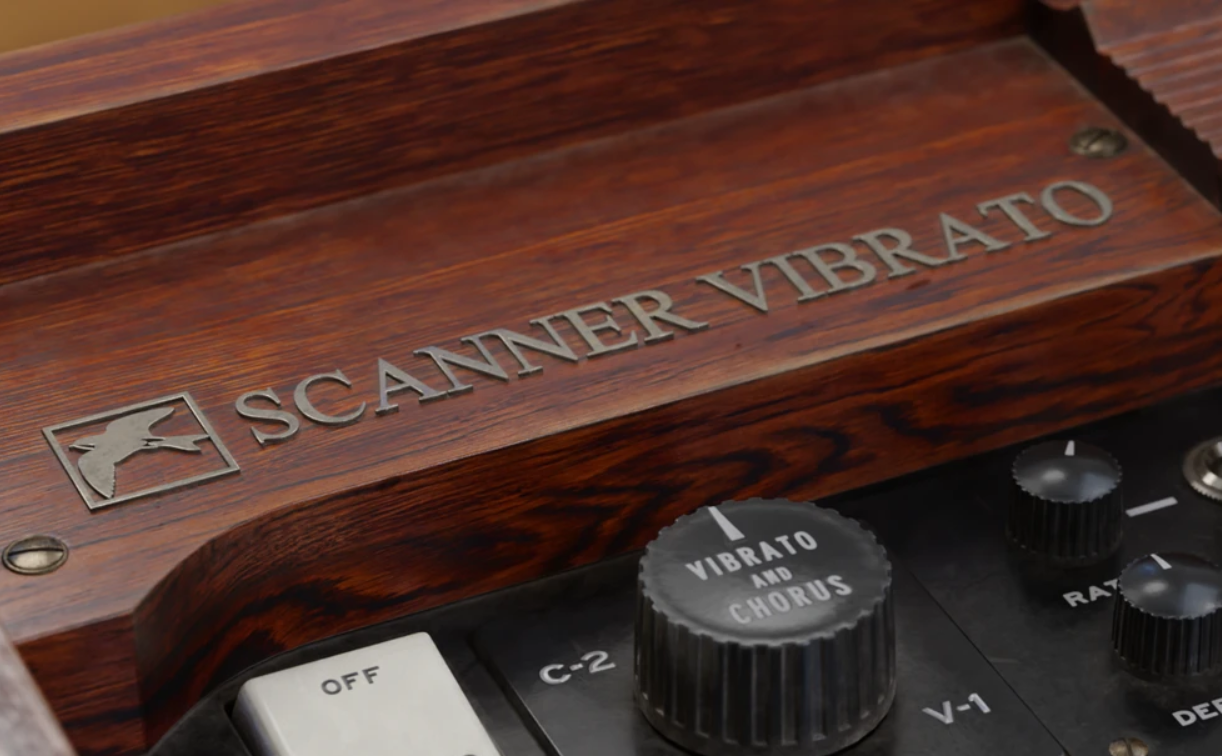
Martinic’s expertise isn’t limited to instruments. They have also decoded the “DNA” of classic studio effects. Their Scanner Vibrato and Lem Echo Music plugins are staples for mixing engineers who want to add a sense of space and movement that sounds “analog” rather than “digital.” These effects provide the subtle imperfections the slight tape flutter and the tube saturation that make a digital recording feel like a professional studio production.
Why Modern Musicians Choose Martinic

The trend in music production is moving away from “clean and perfect” toward “character and texture.” Martinic fits perfectly into this movement. Their plugins are remarkably CPU-efficient, meaning you can run multiple instances of a vintage organ or synth without crashing your computer.
Furthermore, the user interfaces are designed with a “vibe-first” mentality. They look like the equipment they emulate, encouraging a tactile, creative workflow that moves producers away from staring at data and toward listening to the music.
One of the greatest benefits of the Martinic ecosystem is accessibility. Finding, maintaining, and repairing a 50-year-old Elka Panther organ can cost thousands of dollars and hundreds of hours in technician fees. Martinic provides that same sonic DNA for a fraction of the price, ensuring that the legacy of these incredible machines is preserved for the next generation of creators.
Capturing the “Electric” Feeling
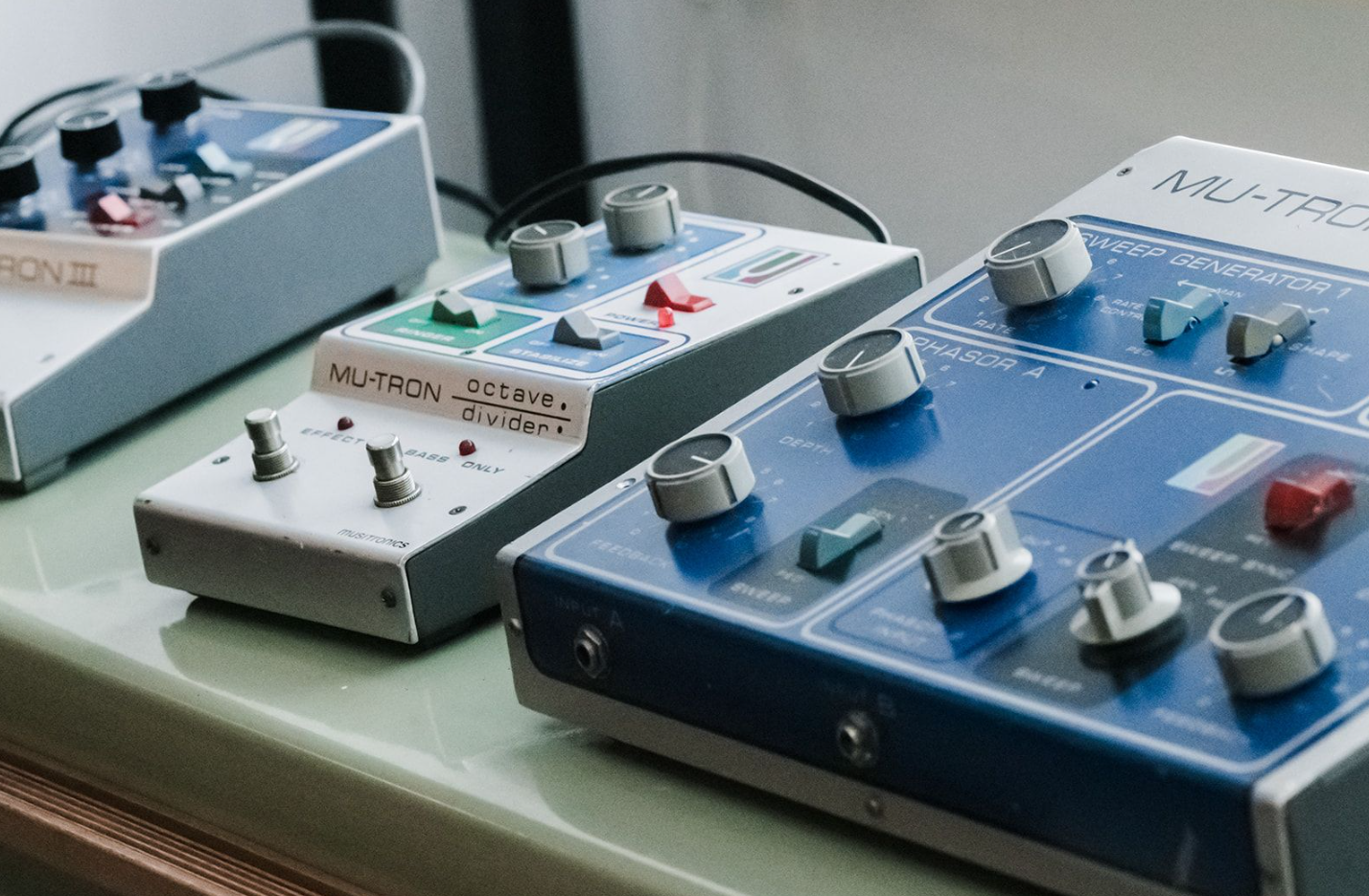
Martinic stands as a guardian of musical history. They understand that music is about emotion, and emotion is often found in the “beautiful imperfections” of analog gear. By meticulously modeling the circuitry of the past, they empower modern artists to create music that sounds timeless.
Whether you are scoring a film, producing a chart-topping pop track, or experimenting with ambient soundscapes in your bedroom studio, Martinic provides the authentic, vintage textures that turn a simple recording into a masterpiece.
