


Foldable phones have garnered significant attention in the smartphone market, promising a revolutionary shift in design and functionality. With their flexible displays that can be folded, these devices offer the convenience of a smartphone and the larger screen of a tablet. However, like any innovative technology, foldable phones come with their own set of advantages and disadvantages. In this article, we’ll delve into the pros and cons of foldable phones to help you determine whether they live up to the hype.
Pros of Foldable Phones
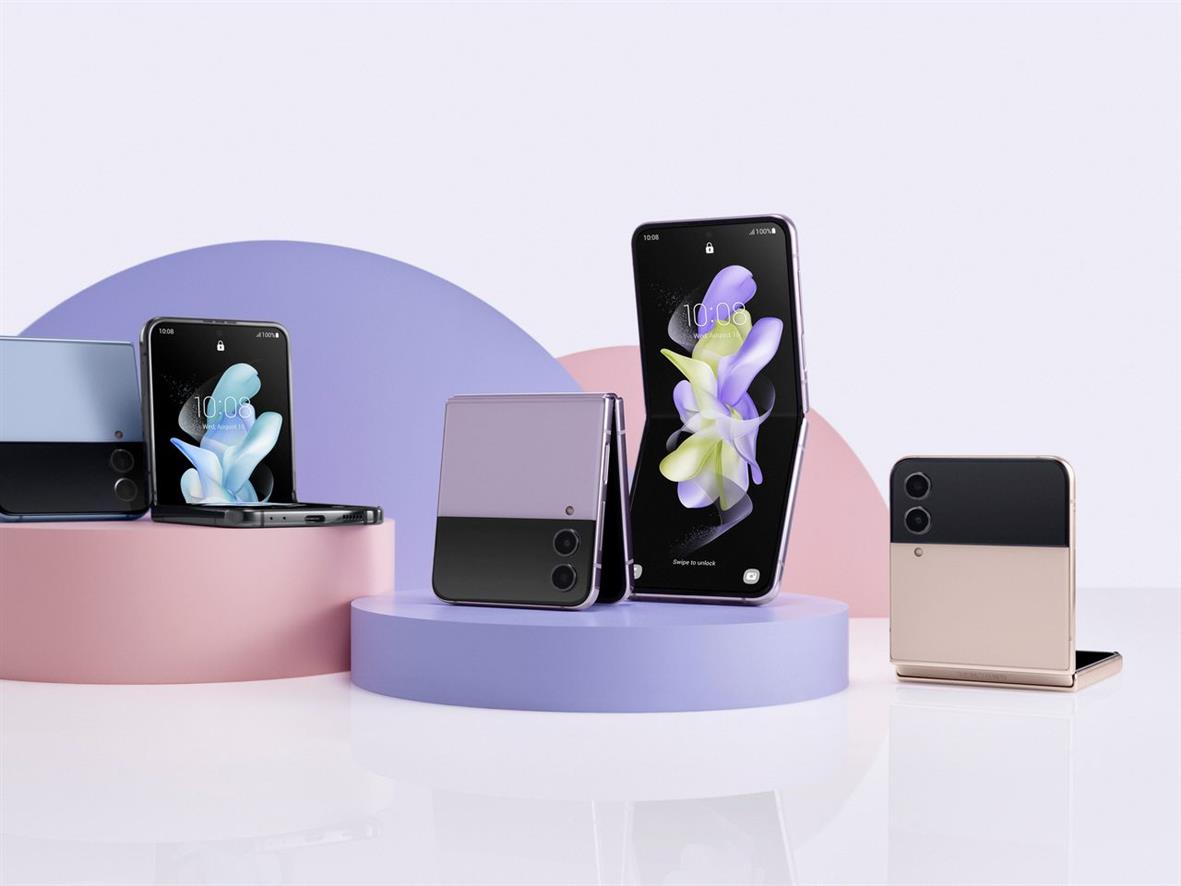
- Versatility and Form Factor
Foldable phones provide the flexibility of transforming from a compact phone to a larger tablet-like device, offering users more versatility in how they use their device.
Example: Samsung Galaxy Z Fold 3 allows users to unfold the device, expanding the display from a 6.2-inch phone to a 7.6-inch tablet, enhancing both communication and multimedia experiences.
- Enhanced Multitasking
The larger screen on foldable phones facilitates efficient multitasking, enabling users to view and operate multiple apps simultaneously without constantly switching between them.
Example: The Microsoft Surface Duo allows users to open two apps side by side, improving productivity by allowing seamless navigation between applications.
- Innovative Technology
Foldable phones represent a breakthrough in smartphone technology, showcasing advancements in engineering and design that could shape the future of mobile devices.
Example: Huawei Mate X2 features an outward-folding display with a unique hinge design, demonstrating technological innovation and engineering prowess.
- Improved Screen Durability
Modern foldable phones use durable materials and improved hinge mechanisms, enhancing the overall durability and longevity of the flexible display.
Example: The use of ultra-thin glass on the Samsung Galaxy Z Flip series adds durability to the display, reducing the risk of scratches and damage.
Cons of Foldable Phones
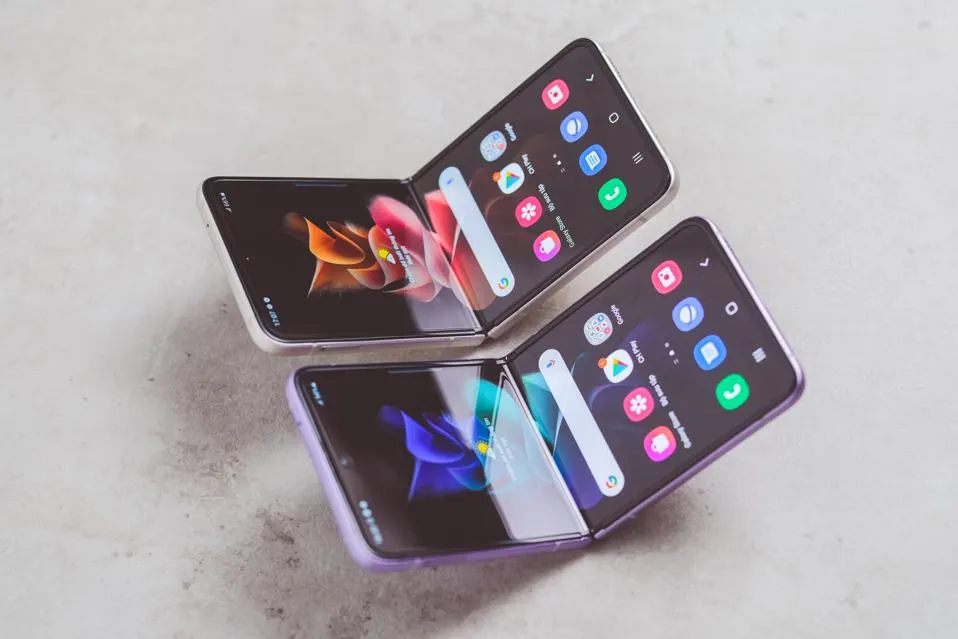
- High Cost
Foldable phones are considerably more expensive than traditional smartphones, making them a luxury purchase for most consumers.
Example: The Samsung Galaxy Z Fold 3 is priced significantly higher than conventional flagship phones, making it inaccessible for budget-conscious buyers.
- Fragility and Durability Concerns
Despite advancements, foldable phones are still perceived as fragile due to the complex hinge mechanisms and flexible displays, raising concerns about their long-term durability.
Example: Reports of display issues and susceptibility to damage on early foldable phone models like the Samsung Galaxy Fold highlight durability concerns.
- Bulk and Weight
Foldable phones tend to be bulkier and heavier than standard smartphones, impacting portability and ease of use, especially in one-handed operations.
Example: The unfolded form of the Motorola Razr 5G makes it notably thicker and heavier than most traditional smartphones, affecting user comfort during prolonged use.
- Limited App Optimization
Many apps are not fully optimized for the unique foldable display, resulting in an uneven user experience and potential usability issues.
Example: Some apps may not display properly or may have limited functionality when used on foldable phones, diminishing the benefits of the larger screen.
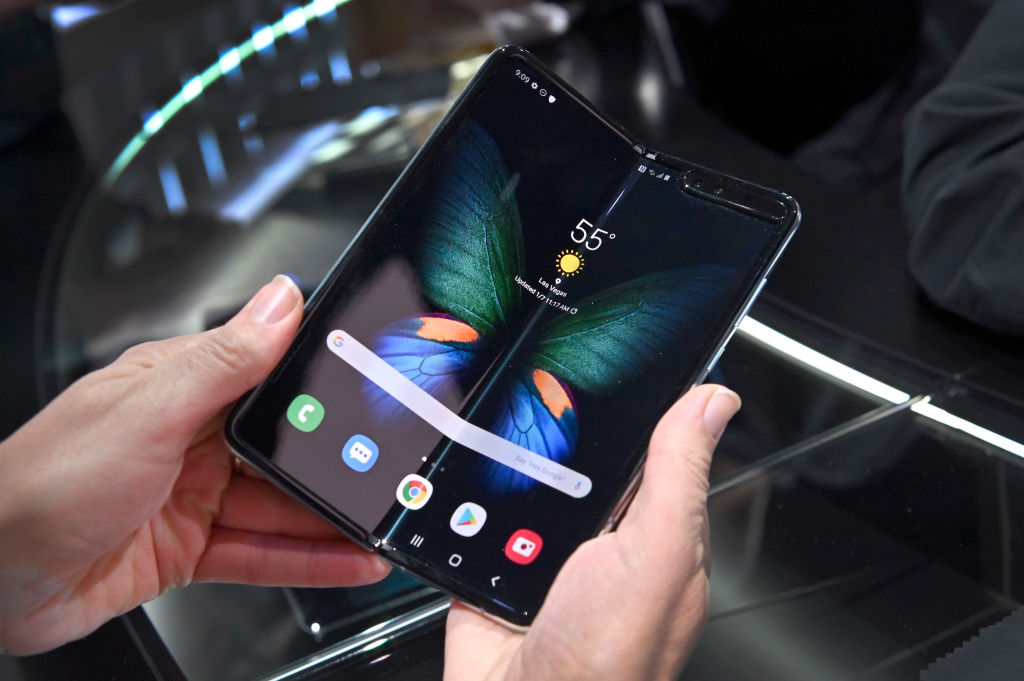
In conclusion, foldable phones offer an exciting glimpse into the future of smartphones, introducing groundbreaking design and functionality. The versatility, enhanced multitasking capabilities, and innovative technology they embody are undeniably appealing. However, their high cost, durability concerns, bulkiness, and app optimization issues pose significant drawbacks. Whether a foldable phone is worth the hype depends on your priorities and how willing you are to embrace the potential benefits while navigating the challenges. As technology continues to evolve, addressing these cons could propel foldable phones into mainstream adoption, revolutionizing the way we interact with our devices.