


Artificial Intelligence (AI) has infiltrated various aspects of our lives, including the thrilling realm of video games. From enhancing character behaviors to crafting dynamic and immersive gaming environments, AI has become an indispensable tool for game developers. This article explores the profound impact of AI on video games, shedding light on how it has revolutionized gameplay, storytelling, and overall user experience.
How AI Enhances Character Behavior

AI-driven character behavior is a pivotal aspect of modern video games. Through sophisticated algorithms and machine learning, AI allows for characters to exhibit dynamic responses and adapt to changing in-game circumstances. Here’s how AI enhances character behavior:
Adaptive Decision Making:
AI enables characters to make adaptive decisions based on their environment, other characters, or the player’s actions. For example, an AI-controlled enemy may decide to flank the player if they consistently take cover in a certain area.
Learning and Growth:
AI can simulate character learning and growth over time. Characters may improve their skills, learn from their mistakes, or develop unique strategies to challenge the player.
Emotional Responses:
AI can provide characters with emotional responses, adding depth to their interactions and making the gaming experience more engaging. Characters may express fear, anger, joy, or other emotions depending on the situation.
Dynamic Dialogue:
AI algorithms allow for dynamic and contextually relevant dialogues, creating a more immersive and personalized narrative experience. Conversations between characters can vary based on previous interactions, choices made by the player, or the progress in the game.
Realistic Interaction:
AI helps in making characters interact with their environment and other entities in a more realistic and natural manner. Characters can navigate obstacles, pick up items, or engage in combat with enhanced realism, making the game world feel more alive.
How AI Shapes Gaming Environments
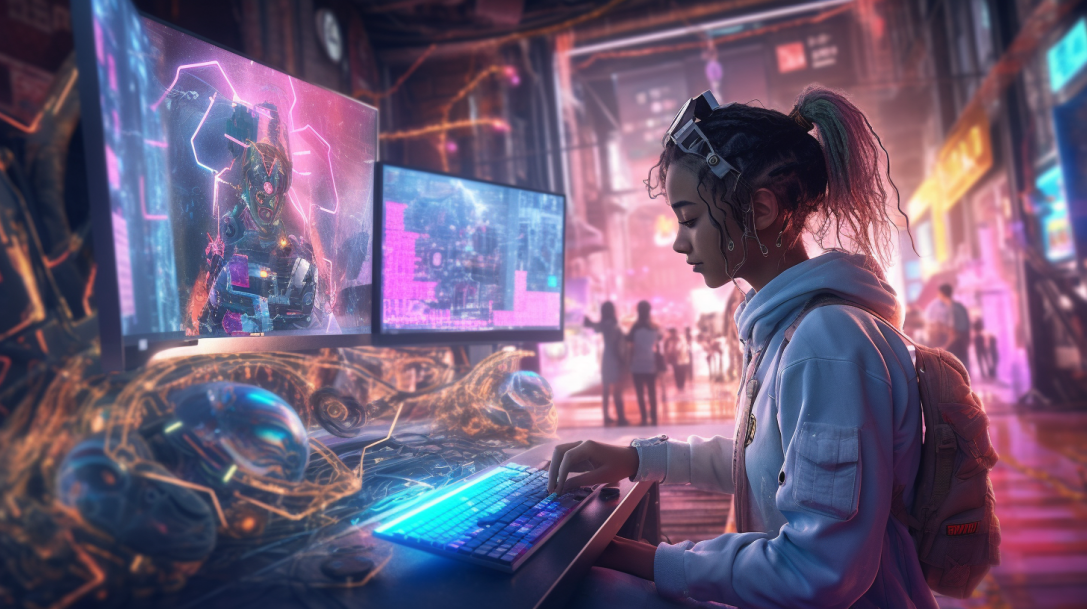
AI doesn’t just influence characters; it significantly impacts the design and dynamics of gaming environments. Here’s how AI shapes gaming environments:
Procedural Generation:
AI algorithms can generate vast and diverse gaming environments procedurally, saving development time and ensuring players have a unique experience in each playthrough.
Dynamic Difficulty Scaling:
AI can adjust the game’s difficulty in real-time based on the player’s performance, ensuring a challenging yet enjoyable gaming experience. This personalization keeps players engaged and prevents frustration.
Environmental Interactivity:
AI allows for dynamic interaction with the environment. Objects within the game world can respond intelligently to player actions, affecting gameplay and strategy. For instance, destructible environments that react realistically to explosions.
AI-driven NPCs (Non-Player Characters):
AI-driven NPCs can create a sense of life within the game world. NPCs can have their own schedules, goals, and behaviors, making the game world feel alive and immersive.
Natural World Simulation:
AI can simulate natural elements like weather, day-night cycles, and ecosystems within the game world, enhancing the overall realism and providing a more immersive experience for the player.
AI and Storytelling in Video Games

AI has significantly impacted the way stories are told within video games. Here’s how AI contributes to storytelling:
Branching Narratives:
AI can facilitate branching narratives where the story evolves based on the choices made by the player. This adds replay value and makes players feel like their decisions matter.
Dynamic Story Pacing:
AI can adjust the pacing of the story based on the player’s actions and preferences, ensuring that the narrative remains engaging and well-suited to the player’s playstyle.
Character Development:
AI can assist in developing more complex and compelling characters by generating backstories, dialogues, and motivations that align with the game’s narrative.
Adaptive Quests and Objectives:
AI algorithms can dynamically generate quests and objectives based on the player’s progress, ensuring a personalized and constantly evolving gaming experience.
Narrative Predictive Analytics:
AI can analyze player behavior and choices to predict narrative preferences, helping game developers tailor future game narratives to align with player expectations and preferences.
Conclusion

Artificial Intelligence has undoubtedly reshaped the landscape of video gaming, augmenting character behaviors, shaping gaming environments, and enhancing storytelling in profound ways. As AI continues to evolve, we can anticipate even more engaging and immersive gaming experiences, pushing the boundaries of what’s possible in the gaming world. Embrace the future of AI in gaming, where the only limit is the boundless creativity of developers and the imagination of players.