

When it comes to nourishing our bodies, understanding macronutrients is akin to knowing the building blocks of a house. Macronutrients, comprising proteins, carbohydrates, and fats, are the primary constituents of our diet. They provide the energy and essential nutrients our bodies need to function optimally. In this article, we will delve into the fascinating world of macronutrients, exploring their roles, sources, and why they are indispensable for our well-being.
Protein: The Powerhouse of Growth and Repair

Proteins, often dubbed the body’s “building blocks,” are crucial for growth, repair, and maintenance. They are made up of amino acids, the vital components that help build and repair tissues. Let’s take a closer look at some exemplary sources of protein.
- Eggs: Eggs are a complete protein source, containing all nine essential amino acids. They’re versatile and can be prepared in various ways, from scrambled to hard-boiled.
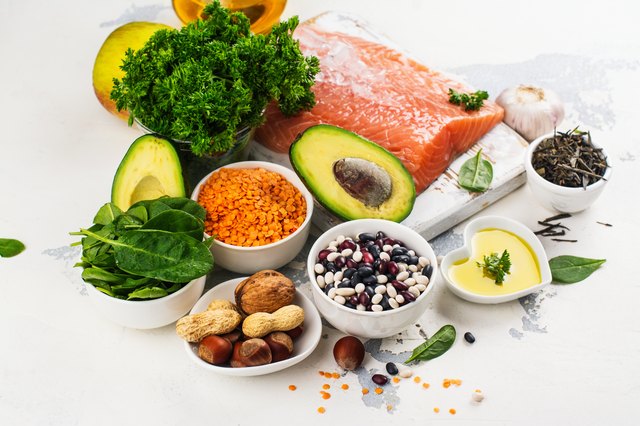
- Salmon: Salmon is not only a rich source of protein but also provides essential omega-3 fatty acids, promoting heart health and brain function.
- Legumes (Beans and Lentils): Beans and lentils are excellent plant-based protein sources, packed with fiber and nutrients. They’re perfect for vegetarians and vegans.
- Chicken Breast: Lean cuts of chicken breast are lean protein sources, low in fat and calories. They can be grilled, baked, or stir-fried for a healthy, protein-packed meal.
- Greek Yogurt: Greek yogurt is a protein powerhouse, often favored by those seeking a dairy-based protein option. It’s also rich in calcium and probiotics.
Carbohydrates: The Body’s Preferred Fuel
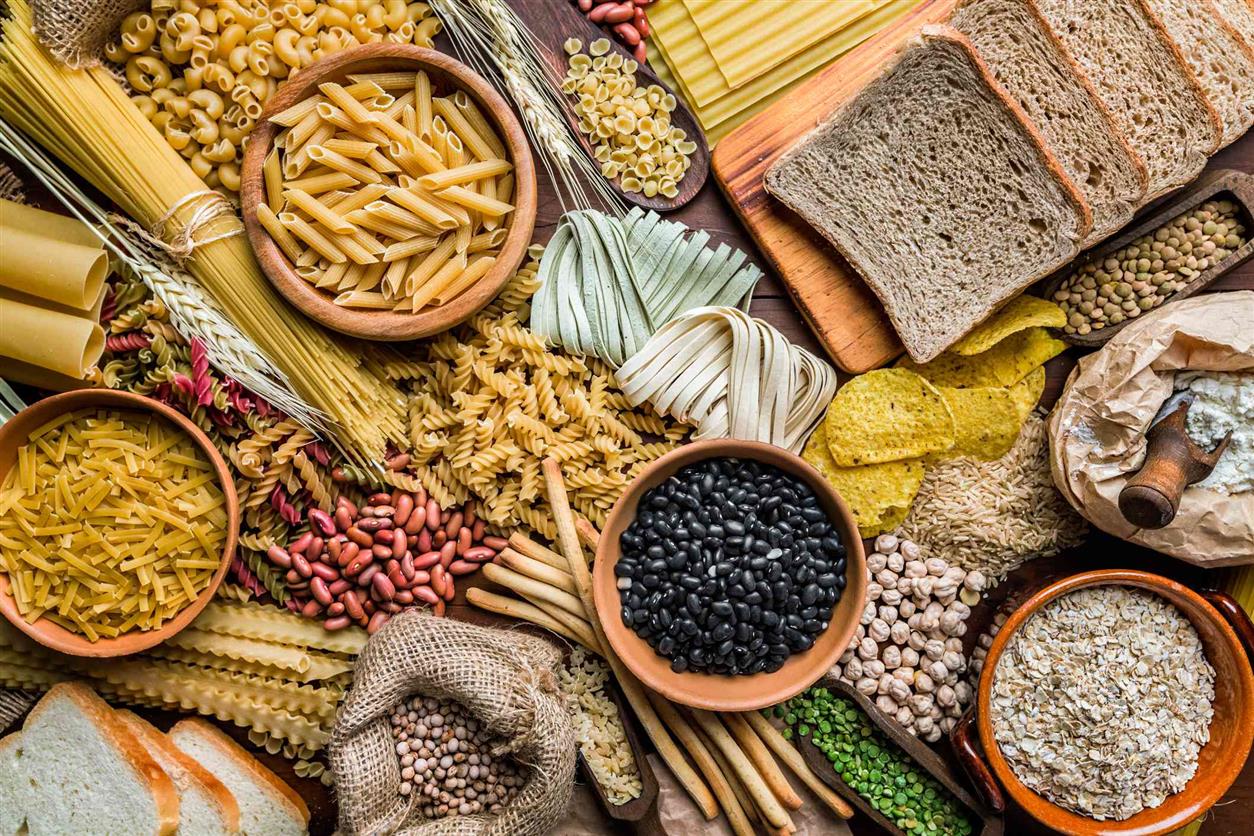
Carbohydrates are the body’s primary energy source, providing the fuel needed for physical and mental activities. They are broken down into glucose, which is then used for energy. Let’s explore some popular sources of carbohydrates.
- Whole Grains: Foods like brown rice, quinoa, and whole-grain bread are excellent sources of complex carbohydrates. They provide sustained energy and are rich in fiber.
- Fruits: Fruits like apples, bananas, and oranges are natural sources of simple carbohydrates, providing a quick energy boost.
- Vegetables: Starchy vegetables like potatoes and sweet potatoes are nutritious sources of carbohydrates, along with a range of vitamins and minerals.
- Legumes: Beans, lentils, and chickpeas are not only high in protein but also rich in carbohydrates and fiber, making them a nutritious choice.
- Dairy: Milk and dairy products like yogurt and cheese contain carbohydrates in the form of lactose, providing a mix of nutrients.
Fats: The Essential Energy Reserves

Contrary to popular belief, fats are a vital part of a balanced diet. They are essential for energy storage, hormone production, and absorption of fat-soluble vitamins (A, D, E, and K). Let’s discover some sources of healthy fats.
- Avocados: Avocados are a rich source of monounsaturated fats, promoting heart health and providing a creamy texture to dishes.
- Nuts and Seeds: Almonds, walnuts, chia seeds, and flaxseeds are excellent sources of healthy fats, omega-3 fatty acids, and protein.
- Olive Oil: Extra virgin olive oil is a staple in Mediterranean diets, containing monounsaturated fats and antioxidants.
- Fatty Fish: Fish like salmon, mackerel, and sardines are loaded with omega-3 fatty acids, essential for brain health and reducing inflammation.
- Coconut Oil: Coconut oil contains medium-chain triglycerides (MCTs), a type of fat that’s quickly absorbed and used for energy.
Fueling Your Body Wisely

Understanding macronutrients—proteins, carbohydrates, and fats—allows us to make informed dietary choices that contribute to our overall well-being. Incorporating a balanced mix of these macronutrients in our diet can optimize energy levels, support growth and repair, and maintain vital bodily functions. Remember, a wholesome diet is not about excluding any macronutrient but about finding the right balance for a healthy, energetic life. So, let’s nourish our bodies wisely and enjoy the benefits of a well-rounded diet!