
When was the last time you truly knew where your food came from?
In an era of mystery labels, misleading “organic” tags, and fruit that tastes like cardboard despite its perfect appearance, a quiet but powerful movement is redefining the way we eat—and the way we connect with those who feed us. It’s called Crowdfarming, and it’s not just another “farm to table” buzzword. It’s a radical rethinking of how we buy food: directly from the farmers who grow it.
If you’ve ever wished for tomatoes that taste like your childhood summer, or olive oil so fresh it practically sings, then keep reading. This is for you.
What Is Crowdfarming—And Why Should You Care?
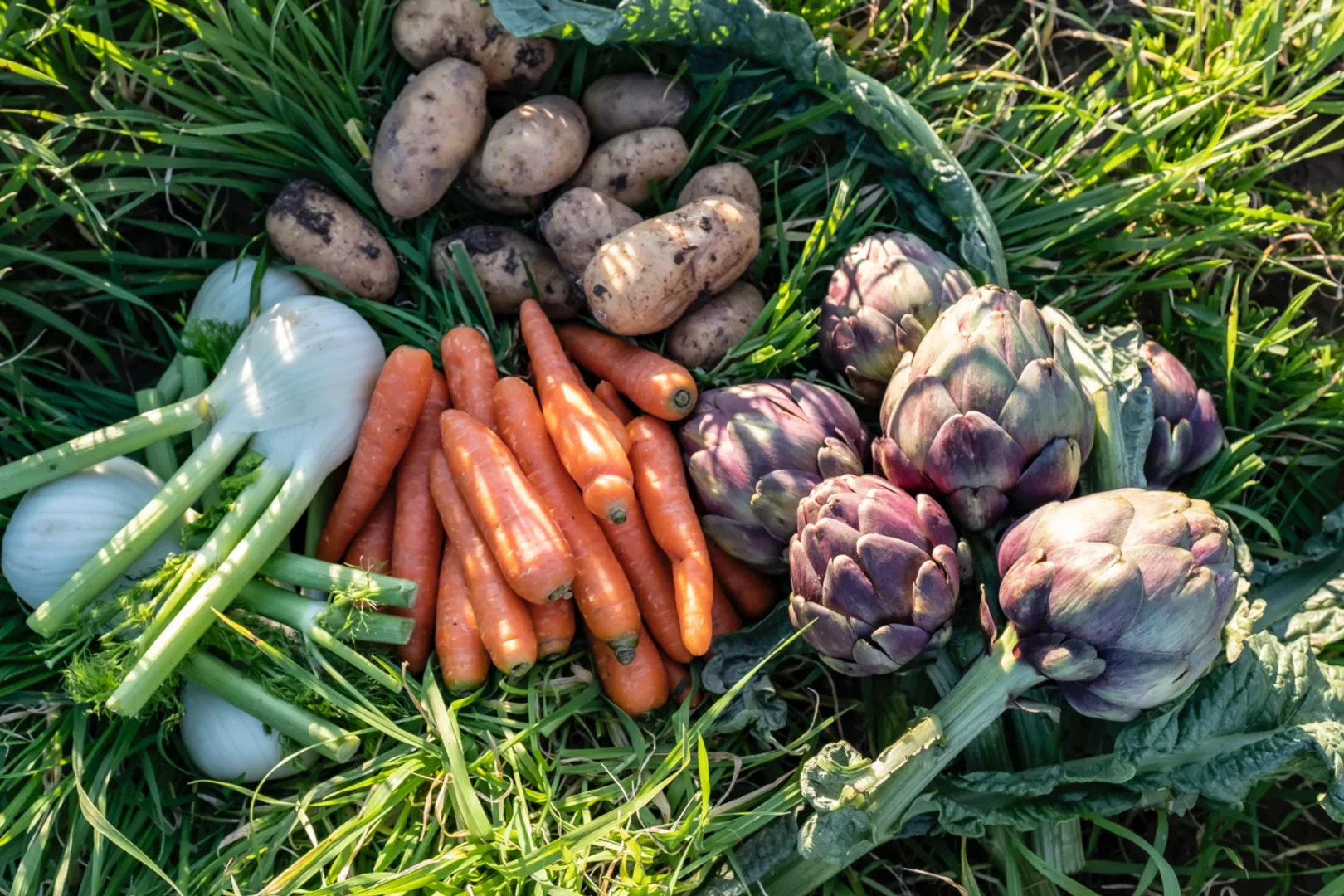
Crowdfarming is more than just a digital marketplace for produce. It’s a transparent food chain where you adopt a tree, a hive, or a patch of land—and in return, you receive its harvest directly from the farmer. No middlemen, no supermarket markups, no greenwashed packaging.
Imagine adopting a lemon tree in Sicily. You follow its growth through updates and photos. Then, at harvest time, a box of fresh, sun-soaked lemons arrives at your door. That’s Crowdfarming. Real food. Real farmers. Real connection.
Why This Model Matters Right Now
In today’s disconnected food system, farmers often earn a fraction of what you pay at the supermarket. Crowdfarming flips the script, ensuring that farmers receive fair compensation, while consumers get quality, traceable products. It’s a win-win—ethical for the grower, authentic for the eater.
But it’s not just about better food. It’s about food with a face, a place, and a purpose.
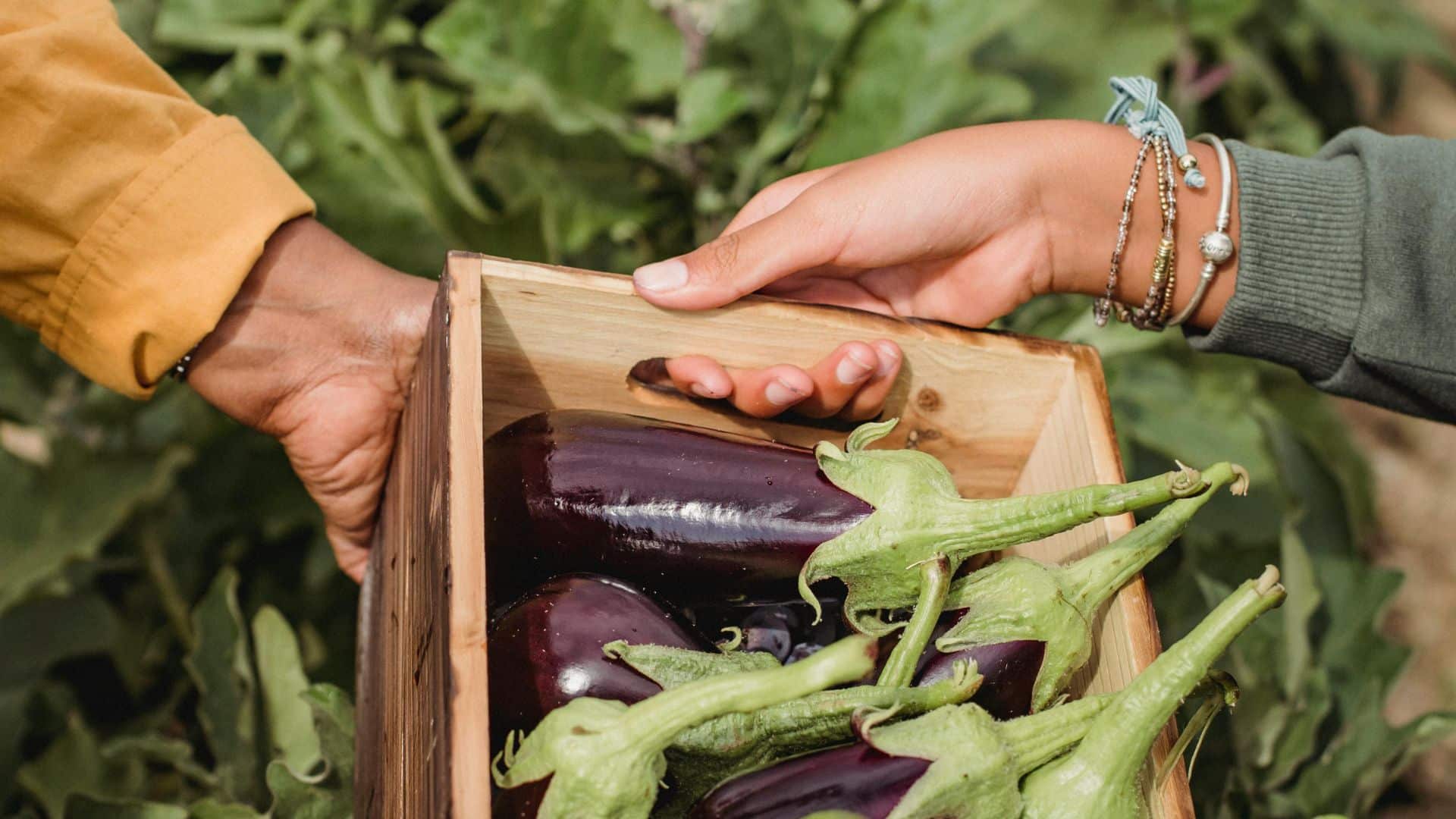
- You reduce food waste. Farmers grow exactly what’s needed for adopters.
- You lower CO₂ emissions. Fewer links in the supply chain = less unnecessary transport and packaging.
- You support biodiversity. Many farms on Crowdfarming use regenerative and organic practices.
It’s not charity. It’s choice. Your grocery basket becomes a tool for change.
From Your Screen to Your Plate: How It Works
Getting started with Crowdfarming is refreshingly simple—and surprisingly intimate.

- Choose what you want to adopt. From almond trees in Spain to honey bees in Portugal, you’ll find seasonal offerings from farms across Europe.
- Follow the story. Get updates on your adoption—watch the almond blossoms bloom or the bees do their work.
- Receive your harvest. When the time is right, your portion arrives directly at your home, perfectly ripe and packed with care.
It feels like Christmas—only the gift is edible, sustainable, and soul-satisfying.
Not Just Fruit and Veg—A Taste of Europe’s Finest
While fresh fruit is a major draw, Crowdfarming offers a wider range of artisanal and sustainable products:
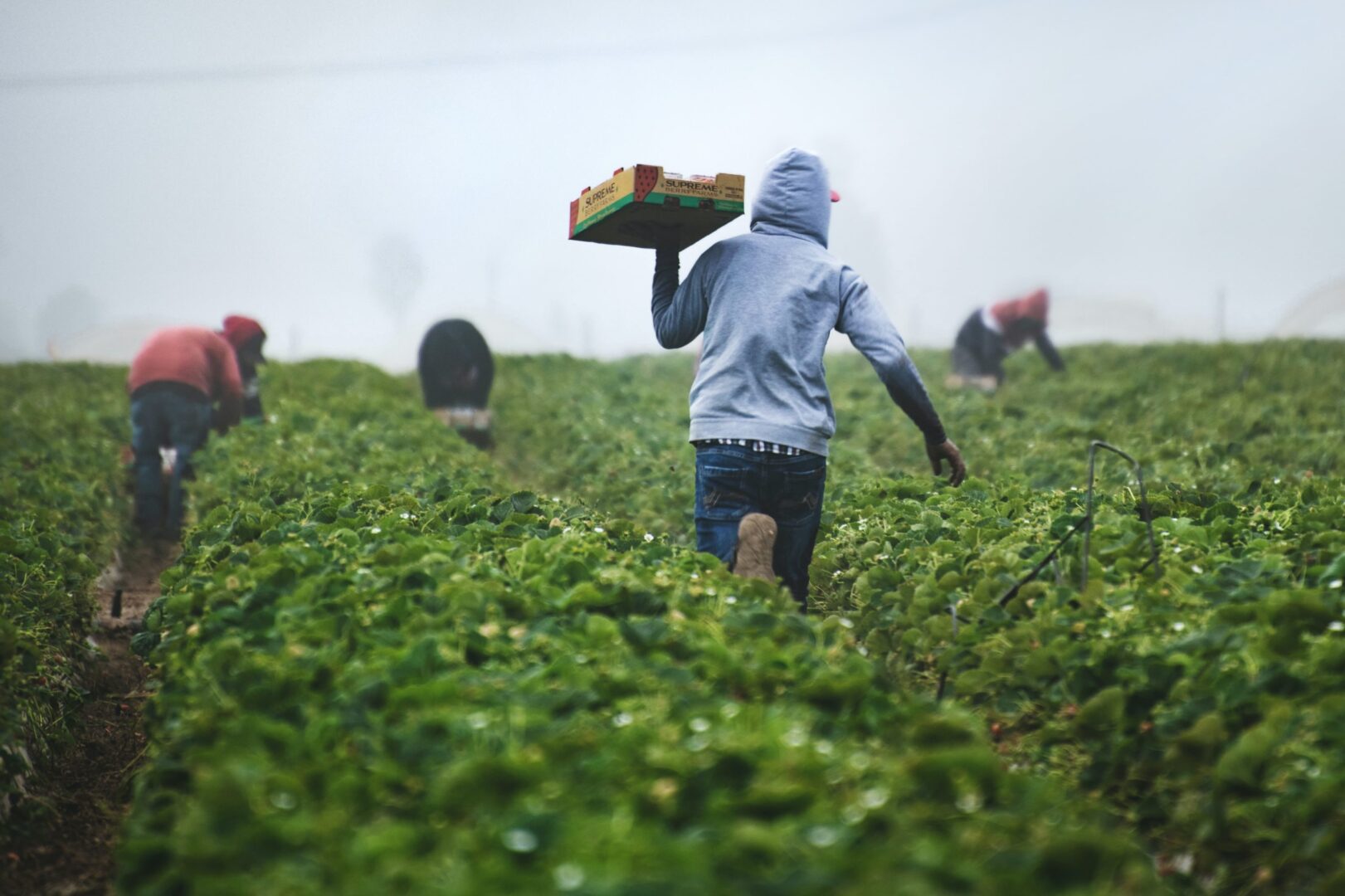
- Cold-pressed olive oil from family groves in Andalusia
- Raw honey from mountain apiaries in Galicia
- Ethical cheese and meat from small-batch producers
- Natural wines grown without chemicals or additives
Each item is a passport to a region’s culinary soul. You’re not just feeding yourself—you’re discovering traditions and sustaining livelihoods.
Who Is Crowdfarming Really For?
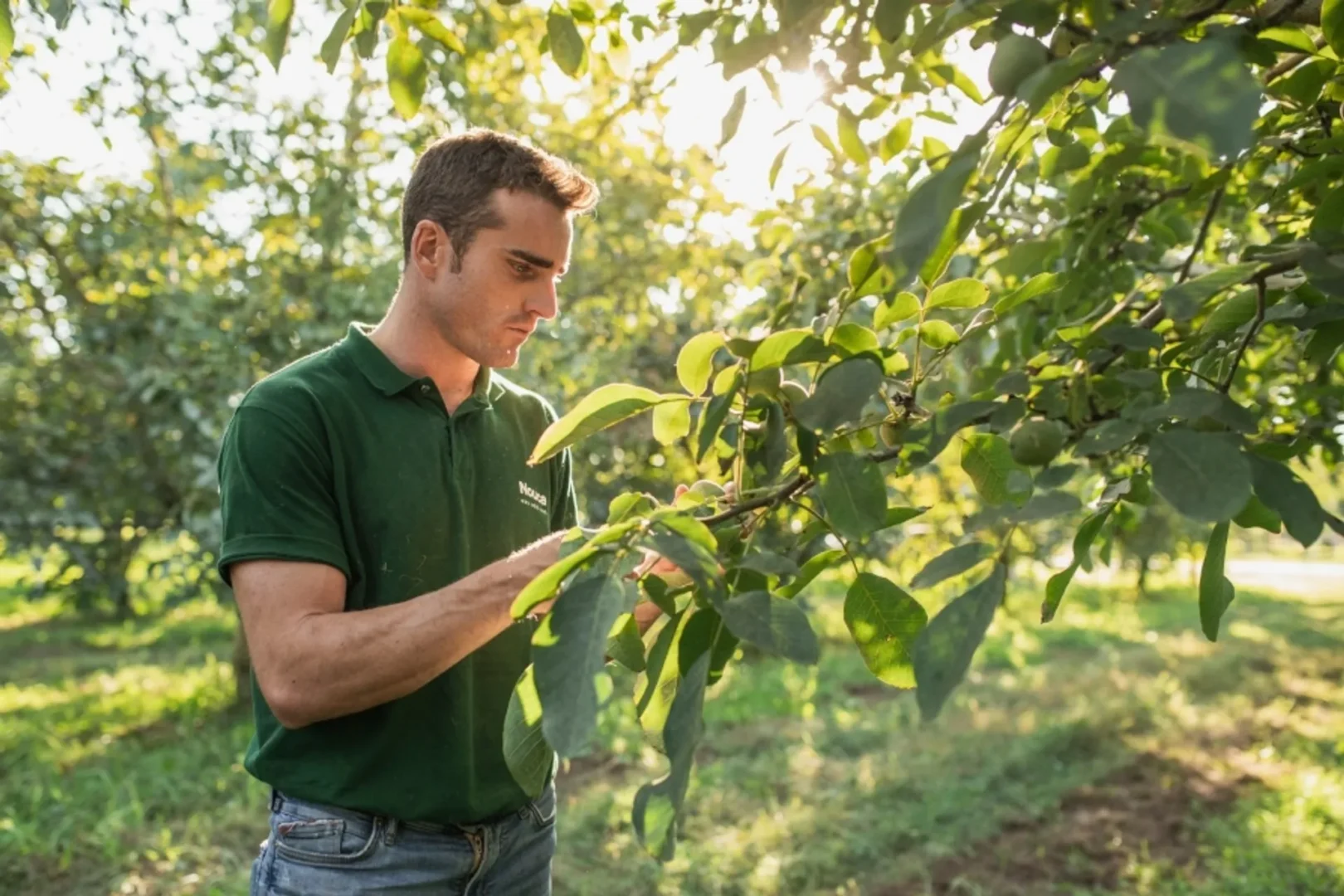
Honestly? Anyone who eats. But particularly those who:
- Feel disillusioned by industrial food systems
- Care about sustainability and ethical sourcing
- Want to reduce their environmental impact
- Value real taste over mass-produced mediocrity
- Enjoy the feeling of making a difference—one avocado at a time
Whether you’re a home chef, a conscious parent, or just someone tired of disappointing tomatoes, Crowdfarming is for you.
A Taste Test Worth Taking
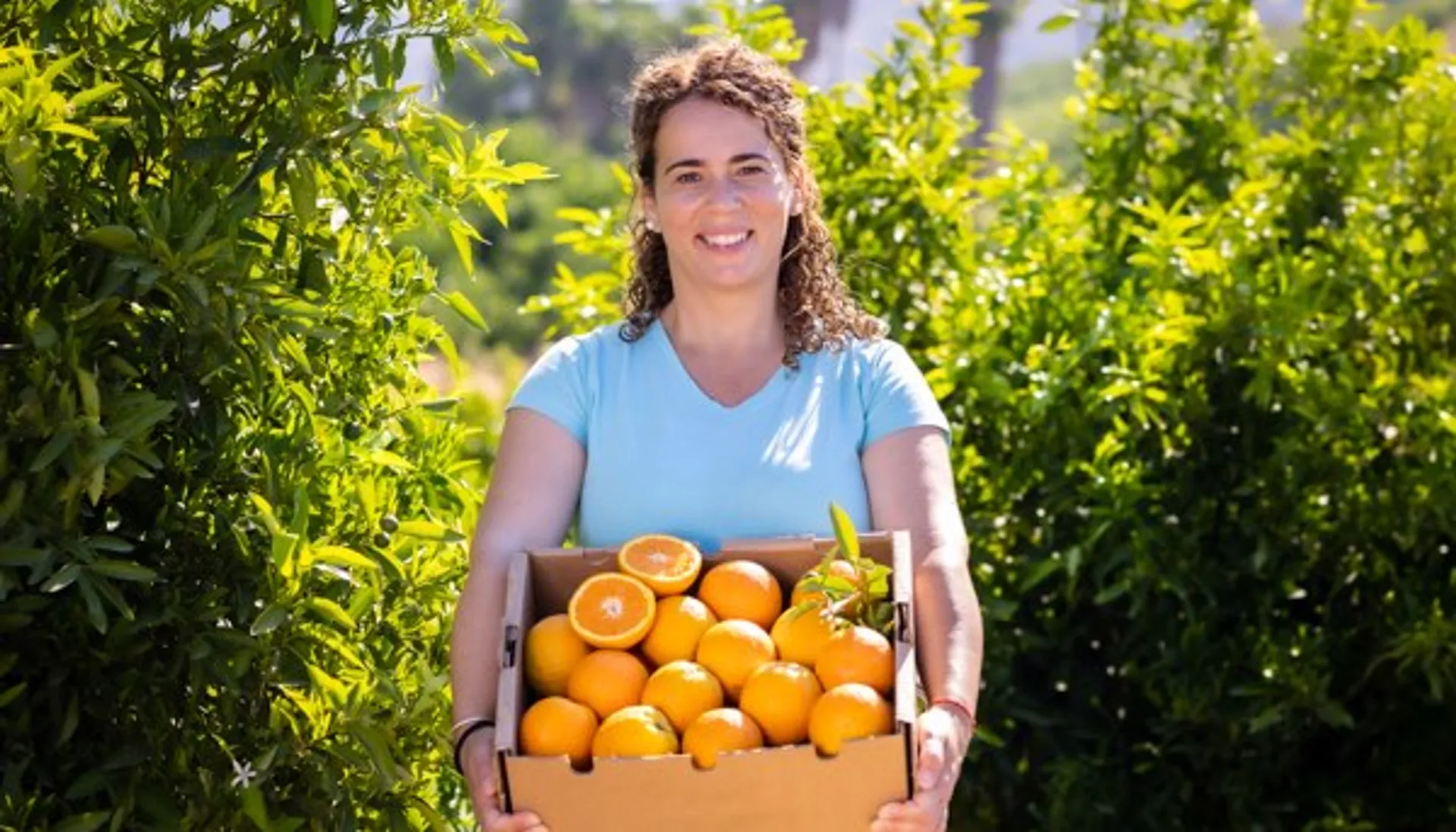
Skeptical? That’s fair. But don’t take our word for it—order something small. Try a box of organic oranges or a bottle of fresh-pressed olive oil. Taste the difference for yourself.
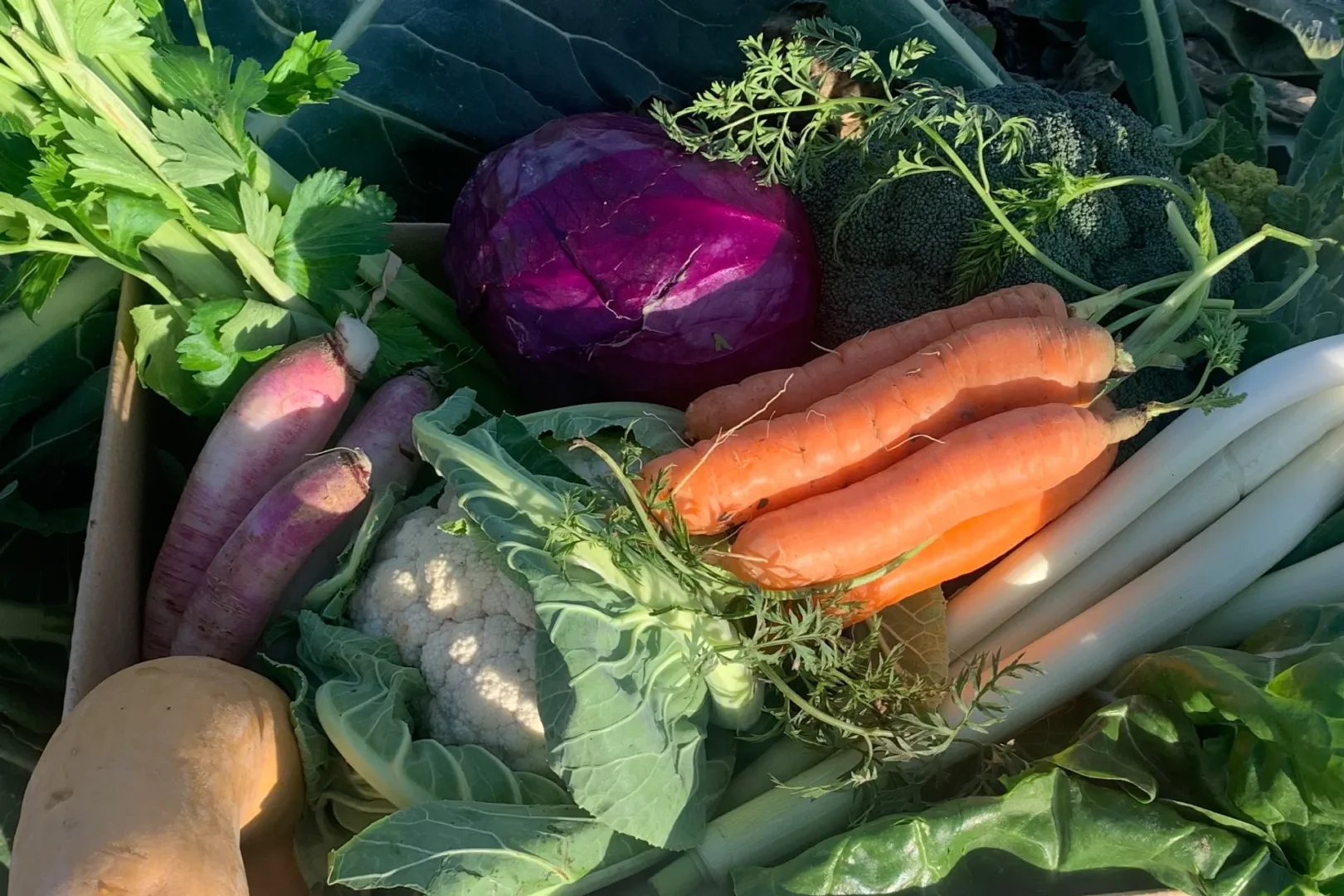
You’ll likely notice:
- The produce is oddly imperfect—because it’s real.
- The taste is shockingly rich—because it’s fresh.
- The box smells like the farm it came from—because it literally did.
And with every bite, you’ll remember: food wasn’t meant to be this distant, this anonymous, this… bland.
This Isn’t a Trend. It’s a Return.
Crowdfarming feels like innovation, but really, it’s a return—to trust, to seasonality, to food as it’s meant to be.
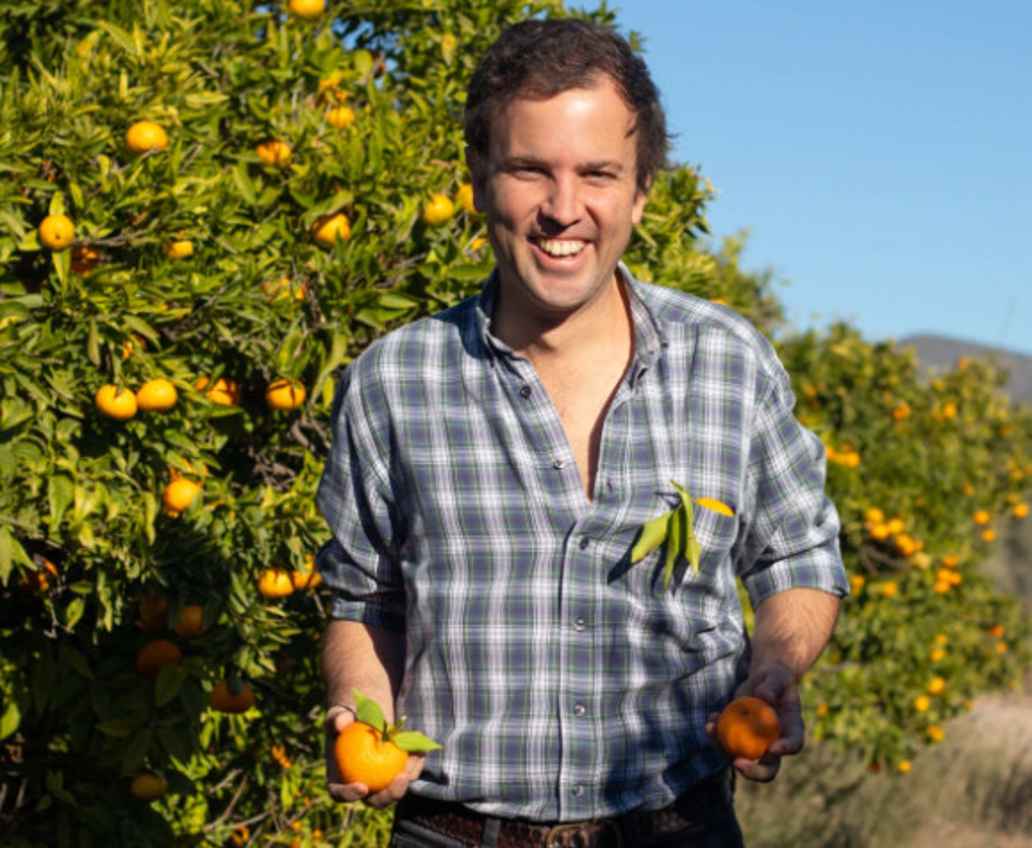
It’s the kind of change that sneaks into your life with a box of peaches and never leaves. So if you’re ready to eat better, live more consciously, and support farmers who care—this is your sign.
Adopt your first harvest today with Crowdfarming. Your kitchen—and your conscience—will thank you.
When was the last time you truly knew where your food came from?
In an era of mystery labels, misleading “organic” tags, and fruit that tastes like cardboard despite its perfect appearance, a quiet but powerful movement is redefining the way we eat—and the way we connect with those who feed us. It’s called Crowdfarming, and it’s not just another “farm to table” buzzword. It’s a radical rethinking of how we buy food: directly from the farmers who grow it.
If you’ve ever wished for tomatoes that taste like your childhood summer, or olive oil so fresh it practically sings, then keep reading. This is for you.
What Is Crowdfarming—And Why Should You Care?
Crowdfarming is more than just a digital marketplace for produce. It’s a transparent food chain where you adopt a tree, a hive, or a patch of land—and in return, you receive its harvest directly from the farmer. No middlemen, no supermarket markups, no greenwashed packaging.
Imagine adopting a lemon tree in Sicily. You follow its growth through updates and photos. Then, at harvest time, a box of fresh, sun-soaked lemons arrives at your door. That’s Crowdfarming. Real food. Real farmers. Real connection.
Why This Model Matters Right Now
In today’s disconnected food system, farmers often earn a fraction of what you pay at the supermarket. Crowdfarming flips the script, ensuring that farmers receive fair compensation, while consumers get quality, traceable products. It’s a win-win—ethical for the grower, authentic for the eater.
But it’s not just about better food. It’s about food with a face, a place, and a purpose.
- You reduce food waste. Farmers grow exactly what’s needed for adopters.
- You lower CO₂ emissions. Fewer links in the supply chain = less unnecessary transport and packaging.
- You support biodiversity. Many farms on Crowdfarming use regenerative and organic practices.
It’s not charity. It’s choice. Your grocery basket becomes a tool for change.
From Your Screen to Your Plate: How It Works
Getting started with Crowdfarming is refreshingly simple—and surprisingly intimate.
- Choose what you want to adopt. From almond trees in Spain to honey bees in Portugal, you’ll find seasonal offerings from farms across Europe.
- Follow the story. Get updates on your adoption—watch the almond blossoms bloom or the bees do their work.
- Receive your harvest. When the time is right, your portion arrives directly at your home, perfectly ripe and packed with care.
It feels like Christmas—only the gift is edible, sustainable, and soul-satisfying.
Not Just Fruit and Veg—A Taste of Europe’s Finest
While fresh fruit is a major draw, Crowdfarming offers a wider range of artisanal and sustainable products:
- Cold-pressed olive oil from family groves in Andalusia
- Raw honey from mountain apiaries in Galicia
- Ethical cheese and meat from small-batch producers
- Natural wines grown without chemicals or additives
Each item is a passport to a region’s culinary soul. You’re not just feeding yourself—you’re discovering traditions and sustaining livelihoods.
Who Is Crowdfarming Really For?
Honestly? Anyone who eats. But particularly those who:
- Feel disillusioned by industrial food systems
- Care about sustainability and ethical sourcing
- Want to reduce their environmental impact
- Value real taste over mass-produced mediocrity
- Enjoy the feeling of making a difference—one avocado at a time
Whether you’re a home chef, a conscious parent, or just someone tired of disappointing tomatoes, Crowdfarming is for you.
A Taste Test Worth Taking
Skeptical? That’s fair. But don’t take our word for it—order something small. Try a box of organic oranges or a bottle of fresh-pressed olive oil. Taste the difference for yourself.
You’ll likely notice:
- The produce is oddly imperfect—because it’s real.
- The taste is shockingly rich—because it’s fresh.
- The box smells like the farm it came from—because it literally did.
And with every bite, you’ll remember: food wasn’t meant to be this distant, this anonymous, this… bland.
This Isn’t a Trend. It’s a Return.
Crowdfarming feels like innovation, but really, it’s a return—to trust, to seasonality, to food as it’s meant to be.
It’s the kind of change that sneaks into your life with a box of peaches and never leaves. So if you’re ready to eat better, live more consciously, and support farmers who care—this is your sign.
Adopt your first harvest today with Crowdfarming. Your kitchen—and your conscience—will thank you.
When was the last time you truly knew where your food came from?
In an era of mystery labels, misleading “organic” tags, and fruit that tastes like cardboard despite its perfect appearance, a quiet but powerful movement is redefining the way we eat—and the way we connect with those who feed us. It’s called Crowdfarming, and it’s not just another “farm to table” buzzword. It’s a radical rethinking of how we buy food: directly from the farmers who grow it.
If you’ve ever wished for tomatoes that taste like your childhood summer, or olive oil so fresh it practically sings, then keep reading. This is for you.
What Is Crowdfarming—And Why Should You Care?
Crowdfarming is more than just a digital marketplace for produce. It’s a transparent food chain where you adopt a tree, a hive, or a patch of land—and in return, you receive its harvest directly from the farmer. No middlemen, no supermarket markups, no greenwashed packaging.
Imagine adopting a lemon tree in Sicily. You follow its growth through updates and photos. Then, at harvest time, a box of fresh, sun-soaked lemons arrives at your door. That’s Crowdfarming. Real food. Real farmers. Real connection.
Why This Model Matters Right Now
In today’s disconnected food system, farmers often earn a fraction of what you pay at the supermarket. Crowdfarming flips the script, ensuring that farmers receive fair compensation, while consumers get quality, traceable products. It’s a win-win—ethical for the grower, authentic for the eater.
But it’s not just about better food. It’s about food with a face, a place, and a purpose.
- You reduce food waste. Farmers grow exactly what’s needed for adopters.
- You lower CO₂ emissions. Fewer links in the supply chain = less unnecessary transport and packaging.
- You support biodiversity. Many farms on Crowdfarming use regenerative and organic practices.
It’s not charity. It’s choice. Your grocery basket becomes a tool for change.
From Your Screen to Your Plate: How It Works
Getting started with Crowdfarming is refreshingly simple—and surprisingly intimate.
- Choose what you want to adopt. From almond trees in Spain to honey bees in Portugal, you’ll find seasonal offerings from farms across Europe.
- Follow the story. Get updates on your adoption—watch the almond blossoms bloom or the bees do their work.
- Receive your harvest. When the time is right, your portion arrives directly at your home, perfectly ripe and packed with care.
It feels like Christmas—only the gift is edible, sustainable, and soul-satisfying.
Not Just Fruit and Veg—A Taste of Europe’s Finest
While fresh fruit is a major draw, Crowdfarming offers a wider range of artisanal and sustainable products:
- Cold-pressed olive oil from family groves in Andalusia
- Raw honey from mountain apiaries in Galicia
- Ethical cheese and meat from small-batch producers
- Natural wines grown without chemicals or additives
Each item is a passport to a region’s culinary soul. You’re not just feeding yourself—you’re discovering traditions and sustaining livelihoods.
Who Is Crowdfarming Really For?
Honestly? Anyone who eats. But particularly those who:
- Feel disillusioned by industrial food systems
- Care about sustainability and ethical sourcing
- Want to reduce their environmental impact
- Value real taste over mass-produced mediocrity
- Enjoy the feeling of making a difference—one avocado at a time
Whether you’re a home chef, a conscious parent, or just someone tired of disappointing tomatoes, Crowdfarming is for you.
A Taste Test Worth Taking
Skeptical? That’s fair. But don’t take our word for it—order something small. Try a box of organic oranges or a bottle of fresh-pressed olive oil. Taste the difference for yourself.
You’ll likely notice:
- The produce is oddly imperfect—because it’s real.
- The taste is shockingly rich—because it’s fresh.
- The box smells like the farm it came from—because it literally did.
And with every bite, you’ll remember: food wasn’t meant to be this distant, this anonymous, this… bland.
This Isn’t a Trend. It’s a Return.
Crowdfarming feels like innovation, but really, it’s a return—to trust, to seasonality, to food as it’s meant to be.
It’s the kind of change that sneaks into your life with a box of peaches and never leaves. So if you’re ready to eat better, live more consciously, and support farmers who care—this is your sign.
Adopt your first harvest today with Crowdfarming. Your kitchen—and your conscience—will thank you.
When was the last time you truly knew where your food came from?
In an era of mystery labels, misleading “organic” tags, and fruit that tastes like cardboard despite its perfect appearance, a quiet but powerful movement is redefining the way we eat—and the way we connect with those who feed us. It’s called Crowdfarming, and it’s not just another “farm to table” buzzword. It’s a radical rethinking of how we buy food: directly from the farmers who grow it.
If you’ve ever wished for tomatoes that taste like your childhood summer, or olive oil so fresh it practically sings, then keep reading. This is for you.
What Is Crowdfarming—And Why Should You Care?
Crowdfarming is more than just a digital marketplace for produce. It’s a transparent food chain where you adopt a tree, a hive, or a patch of land—and in return, you receive its harvest directly from the farmer. No middlemen, no supermarket markups, no greenwashed packaging.
Imagine adopting a lemon tree in Sicily. You follow its growth through updates and photos. Then, at harvest time, a box of fresh, sun-soaked lemons arrives at your door. That’s Crowdfarming. Real food. Real farmers. Real connection.
Why This Model Matters Right Now
In today’s disconnected food system, farmers often earn a fraction of what you pay at the supermarket. Crowdfarming flips the script, ensuring that farmers receive fair compensation, while consumers get quality, traceable products. It’s a win-win—ethical for the grower, authentic for the eater.
But it’s not just about better food. It’s about food with a face, a place, and a purpose.
- You reduce food waste. Farmers grow exactly what’s needed for adopters.
- You lower CO₂ emissions. Fewer links in the supply chain = less unnecessary transport and packaging.
- You support biodiversity. Many farms on Crowdfarming use regenerative and organic practices.
It’s not charity. It’s choice. Your grocery basket becomes a tool for change.
From Your Screen to Your Plate: How It Works
Getting started with Crowdfarming is refreshingly simple—and surprisingly intimate.
- Choose what you want to adopt. From almond trees in Spain to honey bees in Portugal, you’ll find seasonal offerings from farms across Europe.
- Follow the story. Get updates on your adoption—watch the almond blossoms bloom or the bees do their work.
- Receive your harvest. When the time is right, your portion arrives directly at your home, perfectly ripe and packed with care.
It feels like Christmas—only the gift is edible, sustainable, and soul-satisfying.
Not Just Fruit and Veg—A Taste of Europe’s Finest
While fresh fruit is a major draw, Crowdfarming offers a wider range of artisanal and sustainable products:
- Cold-pressed olive oil from family groves in Andalusia
- Raw honey from mountain apiaries in Galicia
- Ethical cheese and meat from small-batch producers
- Natural wines grown without chemicals or additives
Each item is a passport to a region’s culinary soul. You’re not just feeding yourself—you’re discovering traditions and sustaining livelihoods.
Who Is Crowdfarming Really For?
Honestly? Anyone who eats. But particularly those who:
- Feel disillusioned by industrial food systems
- Care about sustainability and ethical sourcing
- Want to reduce their environmental impact
- Value real taste over mass-produced mediocrity
- Enjoy the feeling of making a difference—one avocado at a time
Whether you’re a home chef, a conscious parent, or just someone tired of disappointing tomatoes, Crowdfarming is for you.
A Taste Test Worth Taking
Skeptical? That’s fair. But don’t take our word for it—order something small. Try a box of organic oranges or a bottle of fresh-pressed olive oil. Taste the difference for yourself.
You’ll likely notice:
- The produce is oddly imperfect—because it’s real.
- The taste is shockingly rich—because it’s fresh.
- The box smells like the farm it came from—because it literally did.
And with every bite, you’ll remember: food wasn’t meant to be this distant, this anonymous, this… bland.
This Isn’t a Trend. It’s a Return.
Crowdfarming feels like innovation, but really, it’s a return—to trust, to seasonality, to food as it’s meant to be.
It’s the kind of change that sneaks into your life with a box of peaches and never leaves. So if you’re ready to eat better, live more consciously, and support farmers who care—this is your sign.
Adopt your first harvest today with Crowdfarming. Your kitchen—and your conscience—will thank you.
When was the last time you truly knew where your food came from?
In an era of mystery labels, misleading “organic” tags, and fruit that tastes like cardboard despite its perfect appearance, a quiet but powerful movement is redefining the way we eat—and the way we connect with those who feed us. It’s called Crowdfarming, and it’s not just another “farm to table” buzzword. It’s a radical rethinking of how we buy food: directly from the farmers who grow it.
If you’ve ever wished for tomatoes that taste like your childhood summer, or olive oil so fresh it practically sings, then keep reading. This is for you.
What Is Crowdfarming—And Why Should You Care?
Crowdfarming is more than just a digital marketplace for produce. It’s a transparent food chain where you adopt a tree, a hive, or a patch of land—and in return, you receive its harvest directly from the farmer. No middlemen, no supermarket markups, no greenwashed packaging.
Imagine adopting a lemon tree in Sicily. You follow its growth through updates and photos. Then, at harvest time, a box of fresh, sun-soaked lemons arrives at your door. That’s Crowdfarming. Real food. Real farmers. Real connection.
Why This Model Matters Right Now
In today’s disconnected food system, farmers often earn a fraction of what you pay at the supermarket. Crowdfarming flips the script, ensuring that farmers receive fair compensation, while consumers get quality, traceable products. It’s a win-win—ethical for the grower, authentic for the eater.
But it’s not just about better food. It’s about food with a face, a place, and a purpose.
- You reduce food waste. Farmers grow exactly what’s needed for adopters.
- You lower CO₂ emissions. Fewer links in the supply chain = less unnecessary transport and packaging.
- You support biodiversity. Many farms on Crowdfarming use regenerative and organic practices.
It’s not charity. It’s choice. Your grocery basket becomes a tool for change.
From Your Screen to Your Plate: How It Works
Getting started with Crowdfarming is refreshingly simple—and surprisingly intimate.
- Choose what you want to adopt. From almond trees in Spain to honey bees in Portugal, you’ll find seasonal offerings from farms across Europe.
- Follow the story. Get updates on your adoption—watch the almond blossoms bloom or the bees do their work.
- Receive your harvest. When the time is right, your portion arrives directly at your home, perfectly ripe and packed with care.
It feels like Christmas—only the gift is edible, sustainable, and soul-satisfying.
Not Just Fruit and Veg—A Taste of Europe’s Finest
While fresh fruit is a major draw, Crowdfarming offers a wider range of artisanal and sustainable products:
- Cold-pressed olive oil from family groves in Andalusia
- Raw honey from mountain apiaries in Galicia
- Ethical cheese and meat from small-batch producers
- Natural wines grown without chemicals or additives
Each item is a passport to a region’s culinary soul. You’re not just feeding yourself—you’re discovering traditions and sustaining livelihoods.
Who Is Crowdfarming Really For?
Honestly? Anyone who eats. But particularly those who:
- Feel disillusioned by industrial food systems
- Care about sustainability and ethical sourcing
- Want to reduce their environmental impact
- Value real taste over mass-produced mediocrity
- Enjoy the feeling of making a difference—one avocado at a time
Whether you’re a home chef, a conscious parent, or just someone tired of disappointing tomatoes, Crowdfarming is for you.
A Taste Test Worth Taking
Skeptical? That’s fair. But don’t take our word for it—order something small. Try a box of organic oranges or a bottle of fresh-pressed olive oil. Taste the difference for yourself.
You’ll likely notice:
- The produce is oddly imperfect—because it’s real.
- The taste is shockingly rich—because it’s fresh.
- The box smells like the farm it came from—because it literally did.
And with every bite, you’ll remember: food wasn’t meant to be this distant, this anonymous, this… bland.
This Isn’t a Trend. It’s a Return.
Crowdfarming feels like innovation, but really, it’s a return—to trust, to seasonality, to food as it’s meant to be.
It’s the kind of change that sneaks into your life with a box of peaches and never leaves. So if you’re ready to eat better, live more consciously, and support farmers who care—this is your sign.
Adopt your first harvest today with Crowdfarming. Your kitchen—and your conscience—will thank you.
When was the last time you truly knew where your food came from?
In an era of mystery labels, misleading “organic” tags, and fruit that tastes like cardboard despite its perfect appearance, a quiet but powerful movement is redefining the way we eat—and the way we connect with those who feed us. It’s called Crowdfarming, and it’s not just another “farm to table” buzzword. It’s a radical rethinking of how we buy food: directly from the farmers who grow it.
If you’ve ever wished for tomatoes that taste like your childhood summer, or olive oil so fresh it practically sings, then keep reading. This is for you.
What Is Crowdfarming—And Why Should You Care?
Crowdfarming is more than just a digital marketplace for produce. It’s a transparent food chain where you adopt a tree, a hive, or a patch of land—and in return, you receive its harvest directly from the farmer. No middlemen, no supermarket markups, no greenwashed packaging.
Imagine adopting a lemon tree in Sicily. You follow its growth through updates and photos. Then, at harvest time, a box of fresh, sun-soaked lemons arrives at your door. That’s Crowdfarming. Real food. Real farmers. Real connection.
Why This Model Matters Right Now
In today’s disconnected food system, farmers often earn a fraction of what you pay at the supermarket. Crowdfarming flips the script, ensuring that farmers receive fair compensation, while consumers get quality, traceable products. It’s a win-win—ethical for the grower, authentic for the eater.
But it’s not just about better food. It’s about food with a face, a place, and a purpose.
- You reduce food waste. Farmers grow exactly what’s needed for adopters.
- You lower CO₂ emissions. Fewer links in the supply chain = less unnecessary transport and packaging.
- You support biodiversity. Many farms on Crowdfarming use regenerative and organic practices.
It’s not charity. It’s choice. Your grocery basket becomes a tool for change.
From Your Screen to Your Plate: How It Works
Getting started with Crowdfarming is refreshingly simple—and surprisingly intimate.
- Choose what you want to adopt. From almond trees in Spain to honey bees in Portugal, you’ll find seasonal offerings from farms across Europe.
- Follow the story. Get updates on your adoption—watch the almond blossoms bloom or the bees do their work.
- Receive your harvest. When the time is right, your portion arrives directly at your home, perfectly ripe and packed with care.
It feels like Christmas—only the gift is edible, sustainable, and soul-satisfying.
Not Just Fruit and Veg—A Taste of Europe’s Finest
While fresh fruit is a major draw, Crowdfarming offers a wider range of artisanal and sustainable products:
- Cold-pressed olive oil from family groves in Andalusia
- Raw honey from mountain apiaries in Galicia
- Ethical cheese and meat from small-batch producers
- Natural wines grown without chemicals or additives
Each item is a passport to a region’s culinary soul. You’re not just feeding yourself—you’re discovering traditions and sustaining livelihoods.
Who Is Crowdfarming Really For?
Honestly? Anyone who eats. But particularly those who:
- Feel disillusioned by industrial food systems
- Care about sustainability and ethical sourcing
- Want to reduce their environmental impact
- Value real taste over mass-produced mediocrity
- Enjoy the feeling of making a difference—one avocado at a time
Whether you’re a home chef, a conscious parent, or just someone tired of disappointing tomatoes, Crowdfarming is for you.
A Taste Test Worth Taking
Skeptical? That’s fair. But don’t take our word for it—order something small. Try a box of organic oranges or a bottle of fresh-pressed olive oil. Taste the difference for yourself.
You’ll likely notice:
- The produce is oddly imperfect—because it’s real.
- The taste is shockingly rich—because it’s fresh.
- The box smells like the farm it came from—because it literally did.
And with every bite, you’ll remember: food wasn’t meant to be this distant, this anonymous, this… bland.
This Isn’t a Trend. It’s a Return.
Crowdfarming feels like innovation, but really, it’s a return—to trust, to seasonality, to food as it’s meant to be.
It’s the kind of change that sneaks into your life with a box of peaches and never leaves. So if you’re ready to eat better, live more consciously, and support farmers who care—this is your sign.
Adopt your first harvest today with Crowdfarming. Your kitchen—and your conscience—will thank you.
When was the last time you truly knew where your food came from?
In an era of mystery labels, misleading “organic” tags, and fruit that tastes like cardboard despite its perfect appearance, a quiet but powerful movement is redefining the way we eat—and the way we connect with those who feed us. It’s called Crowdfarming, and it’s not just another “farm to table” buzzword. It’s a radical rethinking of how we buy food: directly from the farmers who grow it.
If you’ve ever wished for tomatoes that taste like your childhood summer, or olive oil so fresh it practically sings, then keep reading. This is for you.
What Is Crowdfarming—And Why Should You Care?
Crowdfarming is more than just a digital marketplace for produce. It’s a transparent food chain where you adopt a tree, a hive, or a patch of land—and in return, you receive its harvest directly from the farmer. No middlemen, no supermarket markups, no greenwashed packaging.
Imagine adopting a lemon tree in Sicily. You follow its growth through updates and photos. Then, at harvest time, a box of fresh, sun-soaked lemons arrives at your door. That’s Crowdfarming. Real food. Real farmers. Real connection.
Why This Model Matters Right Now
In today’s disconnected food system, farmers often earn a fraction of what you pay at the supermarket. Crowdfarming flips the script, ensuring that farmers receive fair compensation, while consumers get quality, traceable products. It’s a win-win—ethical for the grower, authentic for the eater.
But it’s not just about better food. It’s about food with a face, a place, and a purpose.
- You reduce food waste. Farmers grow exactly what’s needed for adopters.
- You lower CO₂ emissions. Fewer links in the supply chain = less unnecessary transport and packaging.
- You support biodiversity. Many farms on Crowdfarming use regenerative and organic practices.
It’s not charity. It’s choice. Your grocery basket becomes a tool for change.
From Your Screen to Your Plate: How It Works
Getting started with Crowdfarming is refreshingly simple—and surprisingly intimate.
- Choose what you want to adopt. From almond trees in Spain to honey bees in Portugal, you’ll find seasonal offerings from farms across Europe.
- Follow the story. Get updates on your adoption—watch the almond blossoms bloom or the bees do their work.
- Receive your harvest. When the time is right, your portion arrives directly at your home, perfectly ripe and packed with care.
It feels like Christmas—only the gift is edible, sustainable, and soul-satisfying.
Not Just Fruit and Veg—A Taste of Europe’s Finest
While fresh fruit is a major draw, Crowdfarming offers a wider range of artisanal and sustainable products:
- Cold-pressed olive oil from family groves in Andalusia
- Raw honey from mountain apiaries in Galicia
- Ethical cheese and meat from small-batch producers
- Natural wines grown without chemicals or additives
Each item is a passport to a region’s culinary soul. You’re not just feeding yourself—you’re discovering traditions and sustaining livelihoods.
Who Is Crowdfarming Really For?
Honestly? Anyone who eats. But particularly those who:
- Feel disillusioned by industrial food systems
- Care about sustainability and ethical sourcing
- Want to reduce their environmental impact
- Value real taste over mass-produced mediocrity
- Enjoy the feeling of making a difference—one avocado at a time
Whether you’re a home chef, a conscious parent, or just someone tired of disappointing tomatoes, Crowdfarming is for you.
A Taste Test Worth Taking
Skeptical? That’s fair. But don’t take our word for it—order something small. Try a box of organic oranges or a bottle of fresh-pressed olive oil. Taste the difference for yourself.
You’ll likely notice:
- The produce is oddly imperfect—because it’s real.
- The taste is shockingly rich—because it’s fresh.
- The box smells like the farm it came from—because it literally did.
And with every bite, you’ll remember: food wasn’t meant to be this distant, this anonymous, this… bland.
This Isn’t a Trend. It’s a Return.
Crowdfarming feels like innovation, but really, it’s a return—to trust, to seasonality, to food as it’s meant to be.
It’s the kind of change that sneaks into your life with a box of peaches and never leaves. So if you’re ready to eat better, live more consciously, and support farmers who care—this is your sign.
Adopt your first harvest today with Crowdfarming. Your kitchen—and your conscience—will thank you.
When was the last time you truly knew where your food came from?
In an era of mystery labels, misleading “organic” tags, and fruit that tastes like cardboard despite its perfect appearance, a quiet but powerful movement is redefining the way we eat—and the way we connect with those who feed us. It’s called Crowdfarming, and it’s not just another “farm to table” buzzword. It’s a radical rethinking of how we buy food: directly from the farmers who grow it.
If you’ve ever wished for tomatoes that taste like your childhood summer, or olive oil so fresh it practically sings, then keep reading. This is for you.
What Is Crowdfarming—And Why Should You Care?
Crowdfarming is more than just a digital marketplace for produce. It’s a transparent food chain where you adopt a tree, a hive, or a patch of land—and in return, you receive its harvest directly from the farmer. No middlemen, no supermarket markups, no greenwashed packaging.
Imagine adopting a lemon tree in Sicily. You follow its growth through updates and photos. Then, at harvest time, a box of fresh, sun-soaked lemons arrives at your door. That’s Crowdfarming. Real food. Real farmers. Real connection.
Why This Model Matters Right Now
In today’s disconnected food system, farmers often earn a fraction of what you pay at the supermarket. Crowdfarming flips the script, ensuring that farmers receive fair compensation, while consumers get quality, traceable products. It’s a win-win—ethical for the grower, authentic for the eater.
But it’s not just about better food. It’s about food with a face, a place, and a purpose.
- You reduce food waste. Farmers grow exactly what’s needed for adopters.
- You lower CO₂ emissions. Fewer links in the supply chain = less unnecessary transport and packaging.
- You support biodiversity. Many farms on Crowdfarming use regenerative and organic practices.
It’s not charity. It’s choice. Your grocery basket becomes a tool for change.
From Your Screen to Your Plate: How It Works
Getting started with Crowdfarming is refreshingly simple—and surprisingly intimate.
- Choose what you want to adopt. From almond trees in Spain to honey bees in Portugal, you’ll find seasonal offerings from farms across Europe.
- Follow the story. Get updates on your adoption—watch the almond blossoms bloom or the bees do their work.
- Receive your harvest. When the time is right, your portion arrives directly at your home, perfectly ripe and packed with care.
It feels like Christmas—only the gift is edible, sustainable, and soul-satisfying.
Not Just Fruit and Veg—A Taste of Europe’s Finest
While fresh fruit is a major draw, Crowdfarming offers a wider range of artisanal and sustainable products:
- Cold-pressed olive oil from family groves in Andalusia
- Raw honey from mountain apiaries in Galicia
- Ethical cheese and meat from small-batch producers
- Natural wines grown without chemicals or additives
Each item is a passport to a region’s culinary soul. You’re not just feeding yourself—you’re discovering traditions and sustaining livelihoods.
Who Is Crowdfarming Really For?
Honestly? Anyone who eats. But particularly those who:
- Feel disillusioned by industrial food systems
- Care about sustainability and ethical sourcing
- Want to reduce their environmental impact
- Value real taste over mass-produced mediocrity
- Enjoy the feeling of making a difference—one avocado at a time
Whether you’re a home chef, a conscious parent, or just someone tired of disappointing tomatoes, Crowdfarming is for you.
A Taste Test Worth Taking
Skeptical? That’s fair. But don’t take our word for it—order something small. Try a box of organic oranges or a bottle of fresh-pressed olive oil. Taste the difference for yourself.
You’ll likely notice:
- The produce is oddly imperfect—because it’s real.
- The taste is shockingly rich—because it’s fresh.
- The box smells like the farm it came from—because it literally did.
And with every bite, you’ll remember: food wasn’t meant to be this distant, this anonymous, this… bland.
This Isn’t a Trend. It’s a Return.
Crowdfarming feels like innovation, but really, it’s a return—to trust, to seasonality, to food as it’s meant to be.
It’s the kind of change that sneaks into your life with a box of peaches and never leaves. So if you’re ready to eat better, live more consciously, and support farmers who care—this is your sign.
Adopt your first harvest today with Crowdfarming. Your kitchen—and your conscience—will thank you.
When was the last time you truly knew where your food came from?
In an era of mystery labels, misleading “organic” tags, and fruit that tastes like cardboard despite its perfect appearance, a quiet but powerful movement is redefining the way we eat—and the way we connect with those who feed us. It’s called Crowdfarming, and it’s not just another “farm to table” buzzword. It’s a radical rethinking of how we buy food: directly from the farmers who grow it.
If you’ve ever wished for tomatoes that taste like your childhood summer, or olive oil so fresh it practically sings, then keep reading. This is for you.
What Is Crowdfarming—And Why Should You Care?
Crowdfarming is more than just a digital marketplace for produce. It’s a transparent food chain where you adopt a tree, a hive, or a patch of land—and in return, you receive its harvest directly from the farmer. No middlemen, no supermarket markups, no greenwashed packaging.
Imagine adopting a lemon tree in Sicily. You follow its growth through updates and photos. Then, at harvest time, a box of fresh, sun-soaked lemons arrives at your door. That’s Crowdfarming. Real food. Real farmers. Real connection.
Why This Model Matters Right Now
In today’s disconnected food system, farmers often earn a fraction of what you pay at the supermarket. Crowdfarming flips the script, ensuring that farmers receive fair compensation, while consumers get quality, traceable products. It’s a win-win—ethical for the grower, authentic for the eater.
But it’s not just about better food. It’s about food with a face, a place, and a purpose.
- You reduce food waste. Farmers grow exactly what’s needed for adopters.
- You lower CO₂ emissions. Fewer links in the supply chain = less unnecessary transport and packaging.
- You support biodiversity. Many farms on Crowdfarming use regenerative and organic practices.
It’s not charity. It’s choice. Your grocery basket becomes a tool for change.
From Your Screen to Your Plate: How It Works
Getting started with Crowdfarming is refreshingly simple—and surprisingly intimate.
- Choose what you want to adopt. From almond trees in Spain to honey bees in Portugal, you’ll find seasonal offerings from farms across Europe.
- Follow the story. Get updates on your adoption—watch the almond blossoms bloom or the bees do their work.
- Receive your harvest. When the time is right, your portion arrives directly at your home, perfectly ripe and packed with care.
It feels like Christmas—only the gift is edible, sustainable, and soul-satisfying.
Not Just Fruit and Veg—A Taste of Europe’s Finest
While fresh fruit is a major draw, Crowdfarming offers a wider range of artisanal and sustainable products:
- Cold-pressed olive oil from family groves in Andalusia
- Raw honey from mountain apiaries in Galicia
- Ethical cheese and meat from small-batch producers
- Natural wines grown without chemicals or additives
Each item is a passport to a region’s culinary soul. You’re not just feeding yourself—you’re discovering traditions and sustaining livelihoods.
Who Is Crowdfarming Really For?
Honestly? Anyone who eats. But particularly those who:
- Feel disillusioned by industrial food systems
- Care about sustainability and ethical sourcing
- Want to reduce their environmental impact
- Value real taste over mass-produced mediocrity
- Enjoy the feeling of making a difference—one avocado at a time
Whether you’re a home chef, a conscious parent, or just someone tired of disappointing tomatoes, Crowdfarming is for you.
A Taste Test Worth Taking
Skeptical? That’s fair. But don’t take our word for it—order something small. Try a box of organic oranges or a bottle of fresh-pressed olive oil. Taste the difference for yourself.
You’ll likely notice:
- The produce is oddly imperfect—because it’s real.
- The taste is shockingly rich—because it’s fresh.
- The box smells like the farm it came from—because it literally did.
And with every bite, you’ll remember: food wasn’t meant to be this distant, this anonymous, this… bland.
This Isn’t a Trend. It’s a Return.
Crowdfarming feels like innovation, but really, it’s a return—to trust, to seasonality, to food as it’s meant to be.
It’s the kind of change that sneaks into your life with a box of peaches and never leaves. So if you’re ready to eat better, live more consciously, and support farmers who care—this is your sign.
Adopt your first harvest today with Crowdfarming. Your kitchen—and your conscience—will thank you.
When was the last time you truly knew where your food came from?
In an era of mystery labels, misleading “organic” tags, and fruit that tastes like cardboard despite its perfect appearance, a quiet but powerful movement is redefining the way we eat—and the way we connect with those who feed us. It’s called Crowdfarming, and it’s not just another “farm to table” buzzword. It’s a radical rethinking of how we buy food: directly from the farmers who grow it.
If you’ve ever wished for tomatoes that taste like your childhood summer, or olive oil so fresh it practically sings, then keep reading. This is for you.
What Is Crowdfarming—And Why Should You Care?
Crowdfarming is more than just a digital marketplace for produce. It’s a transparent food chain where you adopt a tree, a hive, or a patch of land—and in return, you receive its harvest directly from the farmer. No middlemen, no supermarket markups, no greenwashed packaging.
Imagine adopting a lemon tree in Sicily. You follow its growth through updates and photos. Then, at harvest time, a box of fresh, sun-soaked lemons arrives at your door. That’s Crowdfarming. Real food. Real farmers. Real connection.
Why This Model Matters Right Now
In today’s disconnected food system, farmers often earn a fraction of what you pay at the supermarket. Crowdfarming flips the script, ensuring that farmers receive fair compensation, while consumers get quality, traceable products. It’s a win-win—ethical for the grower, authentic for the eater.
But it’s not just about better food. It’s about food with a face, a place, and a purpose.
- You reduce food waste. Farmers grow exactly what’s needed for adopters.
- You lower CO₂ emissions. Fewer links in the supply chain = less unnecessary transport and packaging.
- You support biodiversity. Many farms on Crowdfarming use regenerative and organic practices.
It’s not charity. It’s choice. Your grocery basket becomes a tool for change.
From Your Screen to Your Plate: How It Works
Getting started with Crowdfarming is refreshingly simple—and surprisingly intimate.
- Choose what you want to adopt. From almond trees in Spain to honey bees in Portugal, you’ll find seasonal offerings from farms across Europe.
- Follow the story. Get updates on your adoption—watch the almond blossoms bloom or the bees do their work.
- Receive your harvest. When the time is right, your portion arrives directly at your home, perfectly ripe and packed with care.
It feels like Christmas—only the gift is edible, sustainable, and soul-satisfying.
Not Just Fruit and Veg—A Taste of Europe’s Finest
While fresh fruit is a major draw, Crowdfarming offers a wider range of artisanal and sustainable products:
- Cold-pressed olive oil from family groves in Andalusia
- Raw honey from mountain apiaries in Galicia
- Ethical cheese and meat from small-batch producers
- Natural wines grown without chemicals or additives
Each item is a passport to a region’s culinary soul. You’re not just feeding yourself—you’re discovering traditions and sustaining livelihoods.
Who Is Crowdfarming Really For?
Honestly? Anyone who eats. But particularly those who:
- Feel disillusioned by industrial food systems
- Care about sustainability and ethical sourcing
- Want to reduce their environmental impact
- Value real taste over mass-produced mediocrity
- Enjoy the feeling of making a difference—one avocado at a time
Whether you’re a home chef, a conscious parent, or just someone tired of disappointing tomatoes, Crowdfarming is for you.
A Taste Test Worth Taking
Skeptical? That’s fair. But don’t take our word for it—order something small. Try a box of organic oranges or a bottle of fresh-pressed olive oil. Taste the difference for yourself.
You’ll likely notice:
- The produce is oddly imperfect—because it’s real.
- The taste is shockingly rich—because it’s fresh.
- The box smells like the farm it came from—because it literally did.
And with every bite, you’ll remember: food wasn’t meant to be this distant, this anonymous, this… bland.
This Isn’t a Trend. It’s a Return.
Crowdfarming feels like innovation, but really, it’s a return—to trust, to seasonality, to food as it’s meant to be.
It’s the kind of change that sneaks into your life with a box of peaches and never leaves. So if you’re ready to eat better, live more consciously, and support farmers who care—this is your sign.
Adopt your first harvest today with Crowdfarming. Your kitchen—and your conscience—will thank you.
When was the last time you truly knew where your food came from?
In an era of mystery labels, misleading “organic” tags, and fruit that tastes like cardboard despite its perfect appearance, a quiet but powerful movement is redefining the way we eat—and the way we connect with those who feed us. It’s called Crowdfarming, and it’s not just another “farm to table” buzzword. It’s a radical rethinking of how we buy food: directly from the farmers who grow it.
If you’ve ever wished for tomatoes that taste like your childhood summer, or olive oil so fresh it practically sings, then keep reading. This is for you.
What Is Crowdfarming—And Why Should You Care?
Crowdfarming is more than just a digital marketplace for produce. It’s a transparent food chain where you adopt a tree, a hive, or a patch of land—and in return, you receive its harvest directly from the farmer. No middlemen, no supermarket markups, no greenwashed packaging.
Imagine adopting a lemon tree in Sicily. You follow its growth through updates and photos. Then, at harvest time, a box of fresh, sun-soaked lemons arrives at your door. That’s Crowdfarming. Real food. Real farmers. Real connection.
Why This Model Matters Right Now
In today’s disconnected food system, farmers often earn a fraction of what you pay at the supermarket. Crowdfarming flips the script, ensuring that farmers receive fair compensation, while consumers get quality, traceable products. It’s a win-win—ethical for the grower, authentic for the eater.
But it’s not just about better food. It’s about food with a face, a place, and a purpose.
- You reduce food waste. Farmers grow exactly what’s needed for adopters.
- You lower CO₂ emissions. Fewer links in the supply chain = less unnecessary transport and packaging.
- You support biodiversity. Many farms on Crowdfarming use regenerative and organic practices.
It’s not charity. It’s choice. Your grocery basket becomes a tool for change.
From Your Screen to Your Plate: How It Works
Getting started with Crowdfarming is refreshingly simple—and surprisingly intimate.
- Choose what you want to adopt. From almond trees in Spain to honey bees in Portugal, you’ll find seasonal offerings from farms across Europe.
- Follow the story. Get updates on your adoption—watch the almond blossoms bloom or the bees do their work.
- Receive your harvest. When the time is right, your portion arrives directly at your home, perfectly ripe and packed with care.
It feels like Christmas—only the gift is edible, sustainable, and soul-satisfying.
Not Just Fruit and Veg—A Taste of Europe’s Finest
While fresh fruit is a major draw, Crowdfarming offers a wider range of artisanal and sustainable products:
- Cold-pressed olive oil from family groves in Andalusia
- Raw honey from mountain apiaries in Galicia
- Ethical cheese and meat from small-batch producers
- Natural wines grown without chemicals or additives
Each item is a passport to a region’s culinary soul. You’re not just feeding yourself—you’re discovering traditions and sustaining livelihoods.
Who Is Crowdfarming Really For?
Honestly? Anyone who eats. But particularly those who:
- Feel disillusioned by industrial food systems
- Care about sustainability and ethical sourcing
- Want to reduce their environmental impact
- Value real taste over mass-produced mediocrity
- Enjoy the feeling of making a difference—one avocado at a time
Whether you’re a home chef, a conscious parent, or just someone tired of disappointing tomatoes, Crowdfarming is for you.
A Taste Test Worth Taking
Skeptical? That’s fair. But don’t take our word for it—order something small. Try a box of organic oranges or a bottle of fresh-pressed olive oil. Taste the difference for yourself.
You’ll likely notice:
- The produce is oddly imperfect—because it’s real.
- The taste is shockingly rich—because it’s fresh.
- The box smells like the farm it came from—because it literally did.
And with every bite, you’ll remember: food wasn’t meant to be this distant, this anonymous, this… bland.
This Isn’t a Trend. It’s a Return.
Crowdfarming feels like innovation, but really, it’s a return—to trust, to seasonality, to food as it’s meant to be.
It’s the kind of change that sneaks into your life with a box of peaches and never leaves. So if you’re ready to eat better, live more consciously, and support farmers who care—this is your sign.
Adopt your first harvest today with Crowdfarming. Your kitchen—and your conscience—will thank you.
When was the last time you truly knew where your food came from?
In an era of mystery labels, misleading “organic” tags, and fruit that tastes like cardboard despite its perfect appearance, a quiet but powerful movement is redefining the way we eat—and the way we connect with those who feed us. It’s called Crowdfarming, and it’s not just another “farm to table” buzzword. It’s a radical rethinking of how we buy food: directly from the farmers who grow it.
If you’ve ever wished for tomatoes that taste like your childhood summer, or olive oil so fresh it practically sings, then keep reading. This is for you.
What Is Crowdfarming—And Why Should You Care?
Crowdfarming is more than just a digital marketplace for produce. It’s a transparent food chain where you adopt a tree, a hive, or a patch of land—and in return, you receive its harvest directly from the farmer. No middlemen, no supermarket markups, no greenwashed packaging.
Imagine adopting a lemon tree in Sicily. You follow its growth through updates and photos. Then, at harvest time, a box of fresh, sun-soaked lemons arrives at your door. That’s Crowdfarming. Real food. Real farmers. Real connection.
Why This Model Matters Right Now
In today’s disconnected food system, farmers often earn a fraction of what you pay at the supermarket. Crowdfarming flips the script, ensuring that farmers receive fair compensation, while consumers get quality, traceable products. It’s a win-win—ethical for the grower, authentic for the eater.
But it’s not just about better food. It’s about food with a face, a place, and a purpose.
- You reduce food waste. Farmers grow exactly what’s needed for adopters.
- You lower CO₂ emissions. Fewer links in the supply chain = less unnecessary transport and packaging.
- You support biodiversity. Many farms on Crowdfarming use regenerative and organic practices.
It’s not charity. It’s choice. Your grocery basket becomes a tool for change.
From Your Screen to Your Plate: How It Works
Getting started with Crowdfarming is refreshingly simple—and surprisingly intimate.
- Choose what you want to adopt. From almond trees in Spain to honey bees in Portugal, you’ll find seasonal offerings from farms across Europe.
- Follow the story. Get updates on your adoption—watch the almond blossoms bloom or the bees do their work.
- Receive your harvest. When the time is right, your portion arrives directly at your home, perfectly ripe and packed with care.
It feels like Christmas—only the gift is edible, sustainable, and soul-satisfying.
Not Just Fruit and Veg—A Taste of Europe’s Finest
While fresh fruit is a major draw, Crowdfarming offers a wider range of artisanal and sustainable products:
- Cold-pressed olive oil from family groves in Andalusia
- Raw honey from mountain apiaries in Galicia
- Ethical cheese and meat from small-batch producers
- Natural wines grown without chemicals or additives
Each item is a passport to a region’s culinary soul. You’re not just feeding yourself—you’re discovering traditions and sustaining livelihoods.
Who Is Crowdfarming Really For?
Honestly? Anyone who eats. But particularly those who:
- Feel disillusioned by industrial food systems
- Care about sustainability and ethical sourcing
- Want to reduce their environmental impact
- Value real taste over mass-produced mediocrity
- Enjoy the feeling of making a difference—one avocado at a time
Whether you’re a home chef, a conscious parent, or just someone tired of disappointing tomatoes, Crowdfarming is for you.
A Taste Test Worth Taking
Skeptical? That’s fair. But don’t take our word for it—order something small. Try a box of organic oranges or a bottle of fresh-pressed olive oil. Taste the difference for yourself.
You’ll likely notice:
- The produce is oddly imperfect—because it’s real.
- The taste is shockingly rich—because it’s fresh.
- The box smells like the farm it came from—because it literally did.
And with every bite, you’ll remember: food wasn’t meant to be this distant, this anonymous, this… bland.
This Isn’t a Trend. It’s a Return.
Crowdfarming feels like innovation, but really, it’s a return—to trust, to seasonality, to food as it’s meant to be.
It’s the kind of change that sneaks into your life with a box of peaches and never leaves. So if you’re ready to eat better, live more consciously, and support farmers who care—this is your sign.
Adopt your first harvest today with Crowdfarming. Your kitchen—and your conscience—will thank you.
When was the last time you truly knew where your food came from?
In an era of mystery labels, misleading “organic” tags, and fruit that tastes like cardboard despite its perfect appearance, a quiet but powerful movement is redefining the way we eat—and the way we connect with those who feed us. It’s called Crowdfarming, and it’s not just another “farm to table” buzzword. It’s a radical rethinking of how we buy food: directly from the farmers who grow it.
If you’ve ever wished for tomatoes that taste like your childhood summer, or olive oil so fresh it practically sings, then keep reading. This is for you.
What Is Crowdfarming—And Why Should You Care?
Crowdfarming is more than just a digital marketplace for produce. It’s a transparent food chain where you adopt a tree, a hive, or a patch of land—and in return, you receive its harvest directly from the farmer. No middlemen, no supermarket markups, no greenwashed packaging.
Imagine adopting a lemon tree in Sicily. You follow its growth through updates and photos. Then, at harvest time, a box of fresh, sun-soaked lemons arrives at your door. That’s Crowdfarming. Real food. Real farmers. Real connection.
Why This Model Matters Right Now
In today’s disconnected food system, farmers often earn a fraction of what you pay at the supermarket. Crowdfarming flips the script, ensuring that farmers receive fair compensation, while consumers get quality, traceable products. It’s a win-win—ethical for the grower, authentic for the eater.
But it’s not just about better food. It’s about food with a face, a place, and a purpose.
- You reduce food waste. Farmers grow exactly what’s needed for adopters.
- You lower CO₂ emissions. Fewer links in the supply chain = less unnecessary transport and packaging.
- You support biodiversity. Many farms on Crowdfarming use regenerative and organic practices.
It’s not charity. It’s choice. Your grocery basket becomes a tool for change.
From Your Screen to Your Plate: How It Works
Getting started with Crowdfarming is refreshingly simple—and surprisingly intimate.
- Choose what you want to adopt. From almond trees in Spain to honey bees in Portugal, you’ll find seasonal offerings from farms across Europe.
- Follow the story. Get updates on your adoption—watch the almond blossoms bloom or the bees do their work.
- Receive your harvest. When the time is right, your portion arrives directly at your home, perfectly ripe and packed with care.
It feels like Christmas—only the gift is edible, sustainable, and soul-satisfying.
Not Just Fruit and Veg—A Taste of Europe’s Finest
While fresh fruit is a major draw, Crowdfarming offers a wider range of artisanal and sustainable products:
- Cold-pressed olive oil from family groves in Andalusia
- Raw honey from mountain apiaries in Galicia
- Ethical cheese and meat from small-batch producers
- Natural wines grown without chemicals or additives
Each item is a passport to a region’s culinary soul. You’re not just feeding yourself—you’re discovering traditions and sustaining livelihoods.
Who Is Crowdfarming Really For?
Honestly? Anyone who eats. But particularly those who:
- Feel disillusioned by industrial food systems
- Care about sustainability and ethical sourcing
- Want to reduce their environmental impact
- Value real taste over mass-produced mediocrity
- Enjoy the feeling of making a difference—one avocado at a time
Whether you’re a home chef, a conscious parent, or just someone tired of disappointing tomatoes, Crowdfarming is for you.
A Taste Test Worth Taking
Skeptical? That’s fair. But don’t take our word for it—order something small. Try a box of organic oranges or a bottle of fresh-pressed olive oil. Taste the difference for yourself.
You’ll likely notice:
- The produce is oddly imperfect—because it’s real.
- The taste is shockingly rich—because it’s fresh.
- The box smells like the farm it came from—because it literally did.
And with every bite, you’ll remember: food wasn’t meant to be this distant, this anonymous, this… bland.
This Isn’t a Trend. It’s a Return.
Crowdfarming feels like innovation, but really, it’s a return—to trust, to seasonality, to food as it’s meant to be.
It’s the kind of change that sneaks into your life with a box of peaches and never leaves. So if you’re ready to eat better, live more consciously, and support farmers who care—this is your sign.
Adopt your first harvest today with Crowdfarming. Your kitchen—and your conscience—will thank you.
When was the last time you truly knew where your food came from?
In an era of mystery labels, misleading “organic” tags, and fruit that tastes like cardboard despite its perfect appearance, a quiet but powerful movement is redefining the way we eat—and the way we connect with those who feed us. It’s called Crowdfarming, and it’s not just another “farm to table” buzzword. It’s a radical rethinking of how we buy food: directly from the farmers who grow it.
If you’ve ever wished for tomatoes that taste like your childhood summer, or olive oil so fresh it practically sings, then keep reading. This is for you.
What Is Crowdfarming—And Why Should You Care?
Crowdfarming is more than just a digital marketplace for produce. It’s a transparent food chain where you adopt a tree, a hive, or a patch of land—and in return, you receive its harvest directly from the farmer. No middlemen, no supermarket markups, no greenwashed packaging.
Imagine adopting a lemon tree in Sicily. You follow its growth through updates and photos. Then, at harvest time, a box of fresh, sun-soaked lemons arrives at your door. That’s Crowdfarming. Real food. Real farmers. Real connection.
Why This Model Matters Right Now
In today’s disconnected food system, farmers often earn a fraction of what you pay at the supermarket. Crowdfarming flips the script, ensuring that farmers receive fair compensation, while consumers get quality, traceable products. It’s a win-win—ethical for the grower, authentic for the eater.
But it’s not just about better food. It’s about food with a face, a place, and a purpose.
- You reduce food waste. Farmers grow exactly what’s needed for adopters.
- You lower CO₂ emissions. Fewer links in the supply chain = less unnecessary transport and packaging.
- You support biodiversity. Many farms on Crowdfarming use regenerative and organic practices.
It’s not charity. It’s choice. Your grocery basket becomes a tool for change.
From Your Screen to Your Plate: How It Works
Getting started with Crowdfarming is refreshingly simple—and surprisingly intimate.
- Choose what you want to adopt. From almond trees in Spain to honey bees in Portugal, you’ll find seasonal offerings from farms across Europe.
- Follow the story. Get updates on your adoption—watch the almond blossoms bloom or the bees do their work.
- Receive your harvest. When the time is right, your portion arrives directly at your home, perfectly ripe and packed with care.
It feels like Christmas—only the gift is edible, sustainable, and soul-satisfying.
Not Just Fruit and Veg—A Taste of Europe’s Finest
While fresh fruit is a major draw, Crowdfarming offers a wider range of artisanal and sustainable products:
- Cold-pressed olive oil from family groves in Andalusia
- Raw honey from mountain apiaries in Galicia
- Ethical cheese and meat from small-batch producers
- Natural wines grown without chemicals or additives
Each item is a passport to a region’s culinary soul. You’re not just feeding yourself—you’re discovering traditions and sustaining livelihoods.
Who Is Crowdfarming Really For?
Honestly? Anyone who eats. But particularly those who:
- Feel disillusioned by industrial food systems
- Care about sustainability and ethical sourcing
- Want to reduce their environmental impact
- Value real taste over mass-produced mediocrity
- Enjoy the feeling of making a difference—one avocado at a time
Whether you’re a home chef, a conscious parent, or just someone tired of disappointing tomatoes, Crowdfarming is for you.
A Taste Test Worth Taking
Skeptical? That’s fair. But don’t take our word for it—order something small. Try a box of organic oranges or a bottle of fresh-pressed olive oil. Taste the difference for yourself.
You’ll likely notice:
- The produce is oddly imperfect—because it’s real.
- The taste is shockingly rich—because it’s fresh.
- The box smells like the farm it came from—because it literally did.
And with every bite, you’ll remember: food wasn’t meant to be this distant, this anonymous, this… bland.
This Isn’t a Trend. It’s a Return.
Crowdfarming feels like innovation, but really, it’s a return—to trust, to seasonality, to food as it’s meant to be.
It’s the kind of change that sneaks into your life with a box of peaches and never leaves. So if you’re ready to eat better, live more consciously, and support farmers who care—this is your sign.
Adopt your first harvest today with Crowdfarming. Your kitchen—and your conscience—will thank you.
When was the last time you truly knew where your food came from?
In an era of mystery labels, misleading “organic” tags, and fruit that tastes like cardboard despite its perfect appearance, a quiet but powerful movement is redefining the way we eat—and the way we connect with those who feed us. It’s called Crowdfarming, and it’s not just another “farm to table” buzzword. It’s a radical rethinking of how we buy food: directly from the farmers who grow it.
If you’ve ever wished for tomatoes that taste like your childhood summer, or olive oil so fresh it practically sings, then keep reading. This is for you.
What Is Crowdfarming—And Why Should You Care?
Crowdfarming is more than just a digital marketplace for produce. It’s a transparent food chain where you adopt a tree, a hive, or a patch of land—and in return, you receive its harvest directly from the farmer. No middlemen, no supermarket markups, no greenwashed packaging.
Imagine adopting a lemon tree in Sicily. You follow its growth through updates and photos. Then, at harvest time, a box of fresh, sun-soaked lemons arrives at your door. That’s Crowdfarming. Real food. Real farmers. Real connection.
Why This Model Matters Right Now
In today’s disconnected food system, farmers often earn a fraction of what you pay at the supermarket. Crowdfarming flips the script, ensuring that farmers receive fair compensation, while consumers get quality, traceable products. It’s a win-win—ethical for the grower, authentic for the eater.
But it’s not just about better food. It’s about food with a face, a place, and a purpose.
- You reduce food waste. Farmers grow exactly what’s needed for adopters.
- You lower CO₂ emissions. Fewer links in the supply chain = less unnecessary transport and packaging.
- You support biodiversity. Many farms on Crowdfarming use regenerative and organic practices.
It’s not charity. It’s choice. Your grocery basket becomes a tool for change.
From Your Screen to Your Plate: How It Works
Getting started with Crowdfarming is refreshingly simple—and surprisingly intimate.
- Choose what you want to adopt. From almond trees in Spain to honey bees in Portugal, you’ll find seasonal offerings from farms across Europe.
- Follow the story. Get updates on your adoption—watch the almond blossoms bloom or the bees do their work.
- Receive your harvest. When the time is right, your portion arrives directly at your home, perfectly ripe and packed with care.
It feels like Christmas—only the gift is edible, sustainable, and soul-satisfying.
Not Just Fruit and Veg—A Taste of Europe’s Finest
While fresh fruit is a major draw, Crowdfarming offers a wider range of artisanal and sustainable products:
- Cold-pressed olive oil from family groves in Andalusia
- Raw honey from mountain apiaries in Galicia
- Ethical cheese and meat from small-batch producers
- Natural wines grown without chemicals or additives
Each item is a passport to a region’s culinary soul. You’re not just feeding yourself—you’re discovering traditions and sustaining livelihoods.
Who Is Crowdfarming Really For?
Honestly? Anyone who eats. But particularly those who:
- Feel disillusioned by industrial food systems
- Care about sustainability and ethical sourcing
- Want to reduce their environmental impact
- Value real taste over mass-produced mediocrity
- Enjoy the feeling of making a difference—one avocado at a time
Whether you’re a home chef, a conscious parent, or just someone tired of disappointing tomatoes, Crowdfarming is for you.
A Taste Test Worth Taking
Skeptical? That’s fair. But don’t take our word for it—order something small. Try a box of organic oranges or a bottle of fresh-pressed olive oil. Taste the difference for yourself.
You’ll likely notice:
- The produce is oddly imperfect—because it’s real.
- The taste is shockingly rich—because it’s fresh.
- The box smells like the farm it came from—because it literally did.
And with every bite, you’ll remember: food wasn’t meant to be this distant, this anonymous, this… bland.
This Isn’t a Trend. It’s a Return.
Crowdfarming feels like innovation, but really, it’s a return—to trust, to seasonality, to food as it’s meant to be.
It’s the kind of change that sneaks into your life with a box of peaches and never leaves. So if you’re ready to eat better, live more consciously, and support farmers who care—this is your sign.
Adopt your first harvest today with Crowdfarming. Your kitchen—and your conscience—will thank you.
When was the last time you truly knew where your food came from?
In an era of mystery labels, misleading “organic” tags, and fruit that tastes like cardboard despite its perfect appearance, a quiet but powerful movement is redefining the way we eat—and the way we connect with those who feed us. It’s called Crowdfarming, and it’s not just another “farm to table” buzzword. It’s a radical rethinking of how we buy food: directly from the farmers who grow it.
If you’ve ever wished for tomatoes that taste like your childhood summer, or olive oil so fresh it practically sings, then keep reading. This is for you.
What Is Crowdfarming—And Why Should You Care?
Crowdfarming is more than just a digital marketplace for produce. It’s a transparent food chain where you adopt a tree, a hive, or a patch of land—and in return, you receive its harvest directly from the farmer. No middlemen, no supermarket markups, no greenwashed packaging.
Imagine adopting a lemon tree in Sicily. You follow its growth through updates and photos. Then, at harvest time, a box of fresh, sun-soaked lemons arrives at your door. That’s Crowdfarming. Real food. Real farmers. Real connection.
Why This Model Matters Right Now
In today’s disconnected food system, farmers often earn a fraction of what you pay at the supermarket. Crowdfarming flips the script, ensuring that farmers receive fair compensation, while consumers get quality, traceable products. It’s a win-win—ethical for the grower, authentic for the eater.
But it’s not just about better food. It’s about food with a face, a place, and a purpose.
- You reduce food waste. Farmers grow exactly what’s needed for adopters.
- You lower CO₂ emissions. Fewer links in the supply chain = less unnecessary transport and packaging.
- You support biodiversity. Many farms on Crowdfarming use regenerative and organic practices.
It’s not charity. It’s choice. Your grocery basket becomes a tool for change.
From Your Screen to Your Plate: How It Works
Getting started with Crowdfarming is refreshingly simple—and surprisingly intimate.
- Choose what you want to adopt. From almond trees in Spain to honey bees in Portugal, you’ll find seasonal offerings from farms across Europe.
- Follow the story. Get updates on your adoption—watch the almond blossoms bloom or the bees do their work.
- Receive your harvest. When the time is right, your portion arrives directly at your home, perfectly ripe and packed with care.
It feels like Christmas—only the gift is edible, sustainable, and soul-satisfying.
Not Just Fruit and Veg—A Taste of Europe’s Finest
While fresh fruit is a major draw, Crowdfarming offers a wider range of artisanal and sustainable products:
- Cold-pressed olive oil from family groves in Andalusia
- Raw honey from mountain apiaries in Galicia
- Ethical cheese and meat from small-batch producers
- Natural wines grown without chemicals or additives
Each item is a passport to a region’s culinary soul. You’re not just feeding yourself—you’re discovering traditions and sustaining livelihoods.
Who Is Crowdfarming Really For?
Honestly? Anyone who eats. But particularly those who:
- Feel disillusioned by industrial food systems
- Care about sustainability and ethical sourcing
- Want to reduce their environmental impact
- Value real taste over mass-produced mediocrity
- Enjoy the feeling of making a difference—one avocado at a time
Whether you’re a home chef, a conscious parent, or just someone tired of disappointing tomatoes, Crowdfarming is for you.
A Taste Test Worth Taking
Skeptical? That’s fair. But don’t take our word for it—order something small. Try a box of organic oranges or a bottle of fresh-pressed olive oil. Taste the difference for yourself.
You’ll likely notice:
- The produce is oddly imperfect—because it’s real.
- The taste is shockingly rich—because it’s fresh.
- The box smells like the farm it came from—because it literally did.
And with every bite, you’ll remember: food wasn’t meant to be this distant, this anonymous, this… bland.
This Isn’t a Trend. It’s a Return.
Crowdfarming feels like innovation, but really, it’s a return—to trust, to seasonality, to food as it’s meant to be.
It’s the kind of change that sneaks into your life with a box of peaches and never leaves. So if you’re ready to eat better, live more consciously, and support farmers who care—this is your sign.
Adopt your first harvest today with Crowdfarming. Your kitchen—and your conscience—will thank you.
When was the last time you truly knew where your food came from?
In an era of mystery labels, misleading “organic” tags, and fruit that tastes like cardboard despite its perfect appearance, a quiet but powerful movement is redefining the way we eat—and the way we connect with those who feed us. It’s called Crowdfarming, and it’s not just another “farm to table” buzzword. It’s a radical rethinking of how we buy food: directly from the farmers who grow it.
If you’ve ever wished for tomatoes that taste like your childhood summer, or olive oil so fresh it practically sings, then keep reading. This is for you.
What Is Crowdfarming—And Why Should You Care?
Crowdfarming is more than just a digital marketplace for produce. It’s a transparent food chain where you adopt a tree, a hive, or a patch of land—and in return, you receive its harvest directly from the farmer. No middlemen, no supermarket markups, no greenwashed packaging.
Imagine adopting a lemon tree in Sicily. You follow its growth through updates and photos. Then, at harvest time, a box of fresh, sun-soaked lemons arrives at your door. That’s Crowdfarming. Real food. Real farmers. Real connection.
Why This Model Matters Right Now
In today’s disconnected food system, farmers often earn a fraction of what you pay at the supermarket. Crowdfarming flips the script, ensuring that farmers receive fair compensation, while consumers get quality, traceable products. It’s a win-win—ethical for the grower, authentic for the eater.
But it’s not just about better food. It’s about food with a face, a place, and a purpose.
- You reduce food waste. Farmers grow exactly what’s needed for adopters.
- You lower CO₂ emissions. Fewer links in the supply chain = less unnecessary transport and packaging.
- You support biodiversity. Many farms on Crowdfarming use regenerative and organic practices.
It’s not charity. It’s choice. Your grocery basket becomes a tool for change.
From Your Screen to Your Plate: How It Works
Getting started with Crowdfarming is refreshingly simple—and surprisingly intimate.
- Choose what you want to adopt. From almond trees in Spain to honey bees in Portugal, you’ll find seasonal offerings from farms across Europe.
- Follow the story. Get updates on your adoption—watch the almond blossoms bloom or the bees do their work.
- Receive your harvest. When the time is right, your portion arrives directly at your home, perfectly ripe and packed with care.
It feels like Christmas—only the gift is edible, sustainable, and soul-satisfying.
Not Just Fruit and Veg—A Taste of Europe’s Finest
While fresh fruit is a major draw, Crowdfarming offers a wider range of artisanal and sustainable products:
- Cold-pressed olive oil from family groves in Andalusia
- Raw honey from mountain apiaries in Galicia
- Ethical cheese and meat from small-batch producers
- Natural wines grown without chemicals or additives
Each item is a passport to a region’s culinary soul. You’re not just feeding yourself—you’re discovering traditions and sustaining livelihoods.
Who Is Crowdfarming Really For?
Honestly? Anyone who eats. But particularly those who:
- Feel disillusioned by industrial food systems
- Care about sustainability and ethical sourcing
- Want to reduce their environmental impact
- Value real taste over mass-produced mediocrity
- Enjoy the feeling of making a difference—one avocado at a time
Whether you’re a home chef, a conscious parent, or just someone tired of disappointing tomatoes, Crowdfarming is for you.
A Taste Test Worth Taking
Skeptical? That’s fair. But don’t take our word for it—order something small. Try a box of organic oranges or a bottle of fresh-pressed olive oil. Taste the difference for yourself.
You’ll likely notice:
- The produce is oddly imperfect—because it’s real.
- The taste is shockingly rich—because it’s fresh.
- The box smells like the farm it came from—because it literally did.
And with every bite, you’ll remember: food wasn’t meant to be this distant, this anonymous, this… bland.
This Isn’t a Trend. It’s a Return.
Crowdfarming feels like innovation, but really, it’s a return—to trust, to seasonality, to food as it’s meant to be.
It’s the kind of change that sneaks into your life with a box of peaches and never leaves. So if you’re ready to eat better, live more consciously, and support farmers who care—this is your sign.
Adopt your first harvest today with Crowdfarming. Your kitchen—and your conscience—will thank you.
When was the last time you truly knew where your food came from?
In an era of mystery labels, misleading “organic” tags, and fruit that tastes like cardboard despite its perfect appearance, a quiet but powerful movement is redefining the way we eat—and the way we connect with those who feed us. It’s called Crowdfarming, and it’s not just another “farm to table” buzzword. It’s a radical rethinking of how we buy food: directly from the farmers who grow it.
If you’ve ever wished for tomatoes that taste like your childhood summer, or olive oil so fresh it practically sings, then keep reading. This is for you.
What Is Crowdfarming—And Why Should You Care?
Crowdfarming is more than just a digital marketplace for produce. It’s a transparent food chain where you adopt a tree, a hive, or a patch of land—and in return, you receive its harvest directly from the farmer. No middlemen, no supermarket markups, no greenwashed packaging.
Imagine adopting a lemon tree in Sicily. You follow its growth through updates and photos. Then, at harvest time, a box of fresh, sun-soaked lemons arrives at your door. That’s Crowdfarming. Real food. Real farmers. Real connection.
Why This Model Matters Right Now
In today’s disconnected food system, farmers often earn a fraction of what you pay at the supermarket. Crowdfarming flips the script, ensuring that farmers receive fair compensation, while consumers get quality, traceable products. It’s a win-win—ethical for the grower, authentic for the eater.
But it’s not just about better food. It’s about food with a face, a place, and a purpose.
- You reduce food waste. Farmers grow exactly what’s needed for adopters.
- You lower CO₂ emissions. Fewer links in the supply chain = less unnecessary transport and packaging.
- You support biodiversity. Many farms on Crowdfarming use regenerative and organic practices.
It’s not charity. It’s choice. Your grocery basket becomes a tool for change.
From Your Screen to Your Plate: How It Works
Getting started with Crowdfarming is refreshingly simple—and surprisingly intimate.
- Choose what you want to adopt. From almond trees in Spain to honey bees in Portugal, you’ll find seasonal offerings from farms across Europe.
- Follow the story. Get updates on your adoption—watch the almond blossoms bloom or the bees do their work.
- Receive your harvest. When the time is right, your portion arrives directly at your home, perfectly ripe and packed with care.
It feels like Christmas—only the gift is edible, sustainable, and soul-satisfying.
Not Just Fruit and Veg—A Taste of Europe’s Finest
While fresh fruit is a major draw, Crowdfarming offers a wider range of artisanal and sustainable products:
- Cold-pressed olive oil from family groves in Andalusia
- Raw honey from mountain apiaries in Galicia
- Ethical cheese and meat from small-batch producers
- Natural wines grown without chemicals or additives
Each item is a passport to a region’s culinary soul. You’re not just feeding yourself—you’re discovering traditions and sustaining livelihoods.
Who Is Crowdfarming Really For?
Honestly? Anyone who eats. But particularly those who:
- Feel disillusioned by industrial food systems
- Care about sustainability and ethical sourcing
- Want to reduce their environmental impact
- Value real taste over mass-produced mediocrity
- Enjoy the feeling of making a difference—one avocado at a time
Whether you’re a home chef, a conscious parent, or just someone tired of disappointing tomatoes, Crowdfarming is for you.
A Taste Test Worth Taking
Skeptical? That’s fair. But don’t take our word for it—order something small. Try a box of organic oranges or a bottle of fresh-pressed olive oil. Taste the difference for yourself.
You’ll likely notice:
- The produce is oddly imperfect—because it’s real.
- The taste is shockingly rich—because it’s fresh.
- The box smells like the farm it came from—because it literally did.
And with every bite, you’ll remember: food wasn’t meant to be this distant, this anonymous, this… bland.
This Isn’t a Trend. It’s a Return.
Crowdfarming feels like innovation, but really, it’s a return—to trust, to seasonality, to food as it’s meant to be.
It’s the kind of change that sneaks into your life with a box of peaches and never leaves. So if you’re ready to eat better, live more consciously, and support farmers who care—this is your sign.
Adopt your first harvest today with Crowdfarming. Your kitchen—and your conscience—will thank you.
When was the last time you truly knew where your food came from?
In an era of mystery labels, misleading “organic” tags, and fruit that tastes like cardboard despite its perfect appearance, a quiet but powerful movement is redefining the way we eat—and the way we connect with those who feed us. It’s called Crowdfarming, and it’s not just another “farm to table” buzzword. It’s a radical rethinking of how we buy food: directly from the farmers who grow it.
If you’ve ever wished for tomatoes that taste like your childhood summer, or olive oil so fresh it practically sings, then keep reading. This is for you.
What Is Crowdfarming—And Why Should You Care?
Crowdfarming is more than just a digital marketplace for produce. It’s a transparent food chain where you adopt a tree, a hive, or a patch of land—and in return, you receive its harvest directly from the farmer. No middlemen, no supermarket markups, no greenwashed packaging.
Imagine adopting a lemon tree in Sicily. You follow its growth through updates and photos. Then, at harvest time, a box of fresh, sun-soaked lemons arrives at your door. That’s Crowdfarming. Real food. Real farmers. Real connection.
Why This Model Matters Right Now
In today’s disconnected food system, farmers often earn a fraction of what you pay at the supermarket. Crowdfarming flips the script, ensuring that farmers receive fair compensation, while consumers get quality, traceable products. It’s a win-win—ethical for the grower, authentic for the eater.
But it’s not just about better food. It’s about food with a face, a place, and a purpose.
- You reduce food waste. Farmers grow exactly what’s needed for adopters.
- You lower CO₂ emissions. Fewer links in the supply chain = less unnecessary transport and packaging.
- You support biodiversity. Many farms on Crowdfarming use regenerative and organic practices.
It’s not charity. It’s choice. Your grocery basket becomes a tool for change.
From Your Screen to Your Plate: How It Works
Getting started with Crowdfarming is refreshingly simple—and surprisingly intimate.
- Choose what you want to adopt. From almond trees in Spain to honey bees in Portugal, you’ll find seasonal offerings from farms across Europe.
- Follow the story. Get updates on your adoption—watch the almond blossoms bloom or the bees do their work.
- Receive your harvest. When the time is right, your portion arrives directly at your home, perfectly ripe and packed with care.
It feels like Christmas—only the gift is edible, sustainable, and soul-satisfying.
Not Just Fruit and Veg—A Taste of Europe’s Finest
While fresh fruit is a major draw, Crowdfarming offers a wider range of artisanal and sustainable products:
- Cold-pressed olive oil from family groves in Andalusia
- Raw honey from mountain apiaries in Galicia
- Ethical cheese and meat from small-batch producers
- Natural wines grown without chemicals or additives
Each item is a passport to a region’s culinary soul. You’re not just feeding yourself—you’re discovering traditions and sustaining livelihoods.
Who Is Crowdfarming Really For?
Honestly? Anyone who eats. But particularly those who:
- Feel disillusioned by industrial food systems
- Care about sustainability and ethical sourcing
- Want to reduce their environmental impact
- Value real taste over mass-produced mediocrity
- Enjoy the feeling of making a difference—one avocado at a time
Whether you’re a home chef, a conscious parent, or just someone tired of disappointing tomatoes, Crowdfarming is for you.
A Taste Test Worth Taking
Skeptical? That’s fair. But don’t take our word for it—order something small. Try a box of organic oranges or a bottle of fresh-pressed olive oil. Taste the difference for yourself.
You’ll likely notice:
- The produce is oddly imperfect—because it’s real.
- The taste is shockingly rich—because it’s fresh.
- The box smells like the farm it came from—because it literally did.
And with every bite, you’ll remember: food wasn’t meant to be this distant, this anonymous, this… bland.
This Isn’t a Trend. It’s a Return.
Crowdfarming feels like innovation, but really, it’s a return—to trust, to seasonality, to food as it’s meant to be.
It’s the kind of change that sneaks into your life with a box of peaches and never leaves. So if you’re ready to eat better, live more consciously, and support farmers who care—this is your sign.
Adopt your first harvest today with Crowdfarming. Your kitchen—and your conscience—will thank you.
When was the last time you truly knew where your food came from?
In an era of mystery labels, misleading “organic” tags, and fruit that tastes like cardboard despite its perfect appearance, a quiet but powerful movement is redefining the way we eat—and the way we connect with those who feed us. It’s called Crowdfarming, and it’s not just another “farm to table” buzzword. It’s a radical rethinking of how we buy food: directly from the farmers who grow it.
If you’ve ever wished for tomatoes that taste like your childhood summer, or olive oil so fresh it practically sings, then keep reading. This is for you.
What Is Crowdfarming—And Why Should You Care?
Crowdfarming is more than just a digital marketplace for produce. It’s a transparent food chain where you adopt a tree, a hive, or a patch of land—and in return, you receive its harvest directly from the farmer. No middlemen, no supermarket markups, no greenwashed packaging.
Imagine adopting a lemon tree in Sicily. You follow its growth through updates and photos. Then, at harvest time, a box of fresh, sun-soaked lemons arrives at your door. That’s Crowdfarming. Real food. Real farmers. Real connection.
Why This Model Matters Right Now
In today’s disconnected food system, farmers often earn a fraction of what you pay at the supermarket. Crowdfarming flips the script, ensuring that farmers receive fair compensation, while consumers get quality, traceable products. It’s a win-win—ethical for the grower, authentic for the eater.
But it’s not just about better food. It’s about food with a face, a place, and a purpose.
- You reduce food waste. Farmers grow exactly what’s needed for adopters.
- You lower CO₂ emissions. Fewer links in the supply chain = less unnecessary transport and packaging.
- You support biodiversity. Many farms on Crowdfarming use regenerative and organic practices.
It’s not charity. It’s choice. Your grocery basket becomes a tool for change.
From Your Screen to Your Plate: How It Works
Getting started with Crowdfarming is refreshingly simple—and surprisingly intimate.
- Choose what you want to adopt. From almond trees in Spain to honey bees in Portugal, you’ll find seasonal offerings from farms across Europe.
- Follow the story. Get updates on your adoption—watch the almond blossoms bloom or the bees do their work.
- Receive your harvest. When the time is right, your portion arrives directly at your home, perfectly ripe and packed with care.
It feels like Christmas—only the gift is edible, sustainable, and soul-satisfying.
Not Just Fruit and Veg—A Taste of Europe’s Finest
While fresh fruit is a major draw, Crowdfarming offers a wider range of artisanal and sustainable products:
- Cold-pressed olive oil from family groves in Andalusia
- Raw honey from mountain apiaries in Galicia
- Ethical cheese and meat from small-batch producers
- Natural wines grown without chemicals or additives
Each item is a passport to a region’s culinary soul. You’re not just feeding yourself—you’re discovering traditions and sustaining livelihoods.
Who Is Crowdfarming Really For?
Honestly? Anyone who eats. But particularly those who:
- Feel disillusioned by industrial food systems
- Care about sustainability and ethical sourcing
- Want to reduce their environmental impact
- Value real taste over mass-produced mediocrity
- Enjoy the feeling of making a difference—one avocado at a time
Whether you’re a home chef, a conscious parent, or just someone tired of disappointing tomatoes, Crowdfarming is for you.
A Taste Test Worth Taking
Skeptical? That’s fair. But don’t take our word for it—order something small. Try a box of organic oranges or a bottle of fresh-pressed olive oil. Taste the difference for yourself.
You’ll likely notice:
- The produce is oddly imperfect—because it’s real.
- The taste is shockingly rich—because it’s fresh.
- The box smells like the farm it came from—because it literally did.
And with every bite, you’ll remember: food wasn’t meant to be this distant, this anonymous, this… bland.
This Isn’t a Trend. It’s a Return.
Crowdfarming feels like innovation, but really, it’s a return—to trust, to seasonality, to food as it’s meant to be.
It’s the kind of change that sneaks into your life with a box of peaches and never leaves. So if you’re ready to eat better, live more consciously, and support farmers who care—this is your sign.
Adopt your first harvest today with Crowdfarming. Your kitchen—and your conscience—will thank you.
When was the last time you truly knew where your food came from?
In an era of mystery labels, misleading “organic” tags, and fruit that tastes like cardboard despite its perfect appearance, a quiet but powerful movement is redefining the way we eat—and the way we connect with those who feed us. It’s called Crowdfarming, and it’s not just another “farm to table” buzzword. It’s a radical rethinking of how we buy food: directly from the farmers who grow it.
If you’ve ever wished for tomatoes that taste like your childhood summer, or olive oil so fresh it practically sings, then keep reading. This is for you.
What Is Crowdfarming—And Why Should You Care?
Crowdfarming is more than just a digital marketplace for produce. It’s a transparent food chain where you adopt a tree, a hive, or a patch of land—and in return, you receive its harvest directly from the farmer. No middlemen, no supermarket markups, no greenwashed packaging.
Imagine adopting a lemon tree in Sicily. You follow its growth through updates and photos. Then, at harvest time, a box of fresh, sun-soaked lemons arrives at your door. That’s Crowdfarming. Real food. Real farmers. Real connection.
Why This Model Matters Right Now
In today’s disconnected food system, farmers often earn a fraction of what you pay at the supermarket. Crowdfarming flips the script, ensuring that farmers receive fair compensation, while consumers get quality, traceable products. It’s a win-win—ethical for the grower, authentic for the eater.
But it’s not just about better food. It’s about food with a face, a place, and a purpose.
- You reduce food waste. Farmers grow exactly what’s needed for adopters.
- You lower CO₂ emissions. Fewer links in the supply chain = less unnecessary transport and packaging.
- You support biodiversity. Many farms on Crowdfarming use regenerative and organic practices.
It’s not charity. It’s choice. Your grocery basket becomes a tool for change.
From Your Screen to Your Plate: How It Works
Getting started with Crowdfarming is refreshingly simple—and surprisingly intimate.
- Choose what you want to adopt. From almond trees in Spain to honey bees in Portugal, you’ll find seasonal offerings from farms across Europe.
- Follow the story. Get updates on your adoption—watch the almond blossoms bloom or the bees do their work.
- Receive your harvest. When the time is right, your portion arrives directly at your home, perfectly ripe and packed with care.
It feels like Christmas—only the gift is edible, sustainable, and soul-satisfying.
Not Just Fruit and Veg—A Taste of Europe’s Finest
While fresh fruit is a major draw, Crowdfarming offers a wider range of artisanal and sustainable products:
- Cold-pressed olive oil from family groves in Andalusia
- Raw honey from mountain apiaries in Galicia
- Ethical cheese and meat from small-batch producers
- Natural wines grown without chemicals or additives
Each item is a passport to a region’s culinary soul. You’re not just feeding yourself—you’re discovering traditions and sustaining livelihoods.
Who Is Crowdfarming Really For?
Honestly? Anyone who eats. But particularly those who:
- Feel disillusioned by industrial food systems
- Care about sustainability and ethical sourcing
- Want to reduce their environmental impact
- Value real taste over mass-produced mediocrity
- Enjoy the feeling of making a difference—one avocado at a time
Whether you’re a home chef, a conscious parent, or just someone tired of disappointing tomatoes, Crowdfarming is for you.
A Taste Test Worth Taking
Skeptical? That’s fair. But don’t take our word for it—order something small. Try a box of organic oranges or a bottle of fresh-pressed olive oil. Taste the difference for yourself.
You’ll likely notice:
- The produce is oddly imperfect—because it’s real.
- The taste is shockingly rich—because it’s fresh.
- The box smells like the farm it came from—because it literally did.
And with every bite, you’ll remember: food wasn’t meant to be this distant, this anonymous, this… bland.
This Isn’t a Trend. It’s a Return.
Crowdfarming feels like innovation, but really, it’s a return—to trust, to seasonality, to food as it’s meant to be.
It’s the kind of change that sneaks into your life with a box of peaches and never leaves. So if you’re ready to eat better, live more consciously, and support farmers who care—this is your sign.
Adopt your first harvest today with Crowdfarming. Your kitchen—and your conscience—will thank you.
When was the last time you truly knew where your food came from?
In an era of mystery labels, misleading “organic” tags, and fruit that tastes like cardboard despite its perfect appearance, a quiet but powerful movement is redefining the way we eat—and the way we connect with those who feed us. It’s called Crowdfarming, and it’s not just another “farm to table” buzzword. It’s a radical rethinking of how we buy food: directly from the farmers who grow it.
If you’ve ever wished for tomatoes that taste like your childhood summer, or olive oil so fresh it practically sings, then keep reading. This is for you.
What Is Crowdfarming—And Why Should You Care?
Crowdfarming is more than just a digital marketplace for produce. It’s a transparent food chain where you adopt a tree, a hive, or a patch of land—and in return, you receive its harvest directly from the farmer. No middlemen, no supermarket markups, no greenwashed packaging.
Imagine adopting a lemon tree in Sicily. You follow its growth through updates and photos. Then, at harvest time, a box of fresh, sun-soaked lemons arrives at your door. That’s Crowdfarming. Real food. Real farmers. Real connection.
Why This Model Matters Right Now
In today’s disconnected food system, farmers often earn a fraction of what you pay at the supermarket. Crowdfarming flips the script, ensuring that farmers receive fair compensation, while consumers get quality, traceable products. It’s a win-win—ethical for the grower, authentic for the eater.
But it’s not just about better food. It’s about food with a face, a place, and a purpose.
- You reduce food waste. Farmers grow exactly what’s needed for adopters.
- You lower CO₂ emissions. Fewer links in the supply chain = less unnecessary transport and packaging.
- You support biodiversity. Many farms on Crowdfarming use regenerative and organic practices.
It’s not charity. It’s choice. Your grocery basket becomes a tool for change.
From Your Screen to Your Plate: How It Works
Getting started with Crowdfarming is refreshingly simple—and surprisingly intimate.
- Choose what you want to adopt. From almond trees in Spain to honey bees in Portugal, you’ll find seasonal offerings from farms across Europe.
- Follow the story. Get updates on your adoption—watch the almond blossoms bloom or the bees do their work.
- Receive your harvest. When the time is right, your portion arrives directly at your home, perfectly ripe and packed with care.
It feels like Christmas—only the gift is edible, sustainable, and soul-satisfying.
Not Just Fruit and Veg—A Taste of Europe’s Finest
While fresh fruit is a major draw, Crowdfarming offers a wider range of artisanal and sustainable products:
- Cold-pressed olive oil from family groves in Andalusia
- Raw honey from mountain apiaries in Galicia
- Ethical cheese and meat from small-batch producers
- Natural wines grown without chemicals or additives
Each item is a passport to a region’s culinary soul. You’re not just feeding yourself—you’re discovering traditions and sustaining livelihoods.
Who Is Crowdfarming Really For?
Honestly? Anyone who eats. But particularly those who:
- Feel disillusioned by industrial food systems
- Care about sustainability and ethical sourcing
- Want to reduce their environmental impact
- Value real taste over mass-produced mediocrity
- Enjoy the feeling of making a difference—one avocado at a time
Whether you’re a home chef, a conscious parent, or just someone tired of disappointing tomatoes, Crowdfarming is for you.
A Taste Test Worth Taking
Skeptical? That’s fair. But don’t take our word for it—order something small. Try a box of organic oranges or a bottle of fresh-pressed olive oil. Taste the difference for yourself.
You’ll likely notice:
- The produce is oddly imperfect—because it’s real.
- The taste is shockingly rich—because it’s fresh.
- The box smells like the farm it came from—because it literally did.
And with every bite, you’ll remember: food wasn’t meant to be this distant, this anonymous, this… bland.
This Isn’t a Trend. It’s a Return.
Crowdfarming feels like innovation, but really, it’s a return—to trust, to seasonality, to food as it’s meant to be.
It’s the kind of change that sneaks into your life with a box of peaches and never leaves. So if you’re ready to eat better, live more consciously, and support farmers who care—this is your sign.
Adopt your first harvest today with Crowdfarming. Your kitchen—and your conscience—will thank you.
When was the last time you truly knew where your food came from?
In an era of mystery labels, misleading “organic” tags, and fruit that tastes like cardboard despite its perfect appearance, a quiet but powerful movement is redefining the way we eat—and the way we connect with those who feed us. It’s called Crowdfarming, and it’s not just another “farm to table” buzzword. It’s a radical rethinking of how we buy food: directly from the farmers who grow it.
If you’ve ever wished for tomatoes that taste like your childhood summer, or olive oil so fresh it practically sings, then keep reading. This is for you.
What Is Crowdfarming—And Why Should You Care?
Crowdfarming is more than just a digital marketplace for produce. It’s a transparent food chain where you adopt a tree, a hive, or a patch of land—and in return, you receive its harvest directly from the farmer. No middlemen, no supermarket markups, no greenwashed packaging.
Imagine adopting a lemon tree in Sicily. You follow its growth through updates and photos. Then, at harvest time, a box of fresh, sun-soaked lemons arrives at your door. That’s Crowdfarming. Real food. Real farmers. Real connection.
Why This Model Matters Right Now
In today’s disconnected food system, farmers often earn a fraction of what you pay at the supermarket. Crowdfarming flips the script, ensuring that farmers receive fair compensation, while consumers get quality, traceable products. It’s a win-win—ethical for the grower, authentic for the eater.
But it’s not just about better food. It’s about food with a face, a place, and a purpose.
- You reduce food waste. Farmers grow exactly what’s needed for adopters.
- You lower CO₂ emissions. Fewer links in the supply chain = less unnecessary transport and packaging.
- You support biodiversity. Many farms on Crowdfarming use regenerative and organic practices.
It’s not charity. It’s choice. Your grocery basket becomes a tool for change.
From Your Screen to Your Plate: How It Works
Getting started with Crowdfarming is refreshingly simple—and surprisingly intimate.
- Choose what you want to adopt. From almond trees in Spain to honey bees in Portugal, you’ll find seasonal offerings from farms across Europe.
- Follow the story. Get updates on your adoption—watch the almond blossoms bloom or the bees do their work.
- Receive your harvest. When the time is right, your portion arrives directly at your home, perfectly ripe and packed with care.
It feels like Christmas—only the gift is edible, sustainable, and soul-satisfying.
Not Just Fruit and Veg—A Taste of Europe’s Finest
While fresh fruit is a major draw, Crowdfarming offers a wider range of artisanal and sustainable products:
- Cold-pressed olive oil from family groves in Andalusia
- Raw honey from mountain apiaries in Galicia
- Ethical cheese and meat from small-batch producers
- Natural wines grown without chemicals or additives
Each item is a passport to a region’s culinary soul. You’re not just feeding yourself—you’re discovering traditions and sustaining livelihoods.
Who Is Crowdfarming Really For?
Honestly? Anyone who eats. But particularly those who:
- Feel disillusioned by industrial food systems
- Care about sustainability and ethical sourcing
- Want to reduce their environmental impact
- Value real taste over mass-produced mediocrity
- Enjoy the feeling of making a difference—one avocado at a time
Whether you’re a home chef, a conscious parent, or just someone tired of disappointing tomatoes, Crowdfarming is for you.
A Taste Test Worth Taking
Skeptical? That’s fair. But don’t take our word for it—order something small. Try a box of organic oranges or a bottle of fresh-pressed olive oil. Taste the difference for yourself.
You’ll likely notice:
- The produce is oddly imperfect—because it’s real.
- The taste is shockingly rich—because it’s fresh.
- The box smells like the farm it came from—because it literally did.
And with every bite, you’ll remember: food wasn’t meant to be this distant, this anonymous, this… bland.
This Isn’t a Trend. It’s a Return.
Crowdfarming feels like innovation, but really, it’s a return—to trust, to seasonality, to food as it’s meant to be.
It’s the kind of change that sneaks into your life with a box of peaches and never leaves. So if you’re ready to eat better, live more consciously, and support farmers who care—this is your sign.
Adopt your first harvest today with Crowdfarming. Your kitchen—and your conscience—will thank you.
When was the last time you truly knew where your food came from?
In an era of mystery labels, misleading “organic” tags, and fruit that tastes like cardboard despite its perfect appearance, a quiet but powerful movement is redefining the way we eat—and the way we connect with those who feed us. It’s called Crowdfarming, and it’s not just another “farm to table” buzzword. It’s a radical rethinking of how we buy food: directly from the farmers who grow it.
If you’ve ever wished for tomatoes that taste like your childhood summer, or olive oil so fresh it practically sings, then keep reading. This is for you.
What Is Crowdfarming—And Why Should You Care?
Crowdfarming is more than just a digital marketplace for produce. It’s a transparent food chain where you adopt a tree, a hive, or a patch of land—and in return, you receive its harvest directly from the farmer. No middlemen, no supermarket markups, no greenwashed packaging.
Imagine adopting a lemon tree in Sicily. You follow its growth through updates and photos. Then, at harvest time, a box of fresh, sun-soaked lemons arrives at your door. That’s Crowdfarming. Real food. Real farmers. Real connection.
Why This Model Matters Right Now
In today’s disconnected food system, farmers often earn a fraction of what you pay at the supermarket. Crowdfarming flips the script, ensuring that farmers receive fair compensation, while consumers get quality, traceable products. It’s a win-win—ethical for the grower, authentic for the eater.
But it’s not just about better food. It’s about food with a face, a place, and a purpose.
- You reduce food waste. Farmers grow exactly what’s needed for adopters.
- You lower CO₂ emissions. Fewer links in the supply chain = less unnecessary transport and packaging.
- You support biodiversity. Many farms on Crowdfarming use regenerative and organic practices.
It’s not charity. It’s choice. Your grocery basket becomes a tool for change.
From Your Screen to Your Plate: How It Works
Getting started with Crowdfarming is refreshingly simple—and surprisingly intimate.
- Choose what you want to adopt. From almond trees in Spain to honey bees in Portugal, you’ll find seasonal offerings from farms across Europe.
- Follow the story. Get updates on your adoption—watch the almond blossoms bloom or the bees do their work.
- Receive your harvest. When the time is right, your portion arrives directly at your home, perfectly ripe and packed with care.
It feels like Christmas—only the gift is edible, sustainable, and soul-satisfying.
Not Just Fruit and Veg—A Taste of Europe’s Finest
While fresh fruit is a major draw, Crowdfarming offers a wider range of artisanal and sustainable products:
- Cold-pressed olive oil from family groves in Andalusia
- Raw honey from mountain apiaries in Galicia
- Ethical cheese and meat from small-batch producers
- Natural wines grown without chemicals or additives
Each item is a passport to a region’s culinary soul. You’re not just feeding yourself—you’re discovering traditions and sustaining livelihoods.
Who Is Crowdfarming Really For?
Honestly? Anyone who eats. But particularly those who:
- Feel disillusioned by industrial food systems
- Care about sustainability and ethical sourcing
- Want to reduce their environmental impact
- Value real taste over mass-produced mediocrity
- Enjoy the feeling of making a difference—one avocado at a time
Whether you’re a home chef, a conscious parent, or just someone tired of disappointing tomatoes, Crowdfarming is for you.
A Taste Test Worth Taking
Skeptical? That’s fair. But don’t take our word for it—order something small. Try a box of organic oranges or a bottle of fresh-pressed olive oil. Taste the difference for yourself.
You’ll likely notice:
- The produce is oddly imperfect—because it’s real.
- The taste is shockingly rich—because it’s fresh.
- The box smells like the farm it came from—because it literally did.
And with every bite, you’ll remember: food wasn’t meant to be this distant, this anonymous, this… bland.
This Isn’t a Trend. It’s a Return.
Crowdfarming feels like innovation, but really, it’s a return—to trust, to seasonality, to food as it’s meant to be.
It’s the kind of change that sneaks into your life with a box of peaches and never leaves. So if you’re ready to eat better, live more consciously, and support farmers who care—this is your sign.
Adopt your first harvest today with Crowdfarming. Your kitchen—and your conscience—will thank you.
When was the last time you truly knew where your food came from?
In an era of mystery labels, misleading “organic” tags, and fruit that tastes like cardboard despite its perfect appearance, a quiet but powerful movement is redefining the way we eat—and the way we connect with those who feed us. It’s called Crowdfarming, and it’s not just another “farm to table” buzzword. It’s a radical rethinking of how we buy food: directly from the farmers who grow it.
If you’ve ever wished for tomatoes that taste like your childhood summer, or olive oil so fresh it practically sings, then keep reading. This is for you.
What Is Crowdfarming—And Why Should You Care?
Crowdfarming is more than just a digital marketplace for produce. It’s a transparent food chain where you adopt a tree, a hive, or a patch of land—and in return, you receive its harvest directly from the farmer. No middlemen, no supermarket markups, no greenwashed packaging.
Imagine adopting a lemon tree in Sicily. You follow its growth through updates and photos. Then, at harvest time, a box of fresh, sun-soaked lemons arrives at your door. That’s Crowdfarming. Real food. Real farmers. Real connection.
Why This Model Matters Right Now
In today’s disconnected food system, farmers often earn a fraction of what you pay at the supermarket. Crowdfarming flips the script, ensuring that farmers receive fair compensation, while consumers get quality, traceable products. It’s a win-win—ethical for the grower, authentic for the eater.
But it’s not just about better food. It’s about food with a face, a place, and a purpose.
- You reduce food waste. Farmers grow exactly what’s needed for adopters.
- You lower CO₂ emissions. Fewer links in the supply chain = less unnecessary transport and packaging.
- You support biodiversity. Many farms on Crowdfarming use regenerative and organic practices.
It’s not charity. It’s choice. Your grocery basket becomes a tool for change.
From Your Screen to Your Plate: How It Works
Getting started with Crowdfarming is refreshingly simple—and surprisingly intimate.
- Choose what you want to adopt. From almond trees in Spain to honey bees in Portugal, you’ll find seasonal offerings from farms across Europe.
- Follow the story. Get updates on your adoption—watch the almond blossoms bloom or the bees do their work.
- Receive your harvest. When the time is right, your portion arrives directly at your home, perfectly ripe and packed with care.
It feels like Christmas—only the gift is edible, sustainable, and soul-satisfying.
Not Just Fruit and Veg—A Taste of Europe’s Finest
While fresh fruit is a major draw, Crowdfarming offers a wider range of artisanal and sustainable products:
- Cold-pressed olive oil from family groves in Andalusia
- Raw honey from mountain apiaries in Galicia
- Ethical cheese and meat from small-batch producers
- Natural wines grown without chemicals or additives
Each item is a passport to a region’s culinary soul. You’re not just feeding yourself—you’re discovering traditions and sustaining livelihoods.
Who Is Crowdfarming Really For?
Honestly? Anyone who eats. But particularly those who:
- Feel disillusioned by industrial food systems
- Care about sustainability and ethical sourcing
- Want to reduce their environmental impact
- Value real taste over mass-produced mediocrity
- Enjoy the feeling of making a difference—one avocado at a time
Whether you’re a home chef, a conscious parent, or just someone tired of disappointing tomatoes, Crowdfarming is for you.
A Taste Test Worth Taking
Skeptical? That’s fair. But don’t take our word for it—order something small. Try a box of organic oranges or a bottle of fresh-pressed olive oil. Taste the difference for yourself.
You’ll likely notice:
- The produce is oddly imperfect—because it’s real.
- The taste is shockingly rich—because it’s fresh.
- The box smells like the farm it came from—because it literally did.
And with every bite, you’ll remember: food wasn’t meant to be this distant, this anonymous, this… bland.
This Isn’t a Trend. It’s a Return.
Crowdfarming feels like innovation, but really, it’s a return—to trust, to seasonality, to food as it’s meant to be.
It’s the kind of change that sneaks into your life with a box of peaches and never leaves. So if you’re ready to eat better, live more consciously, and support farmers who care—this is your sign.
Adopt your first harvest today with Crowdfarming. Your kitchen—and your conscience—will thank you.
When was the last time you truly knew where your food came from?
In an era of mystery labels, misleading “organic” tags, and fruit that tastes like cardboard despite its perfect appearance, a quiet but powerful movement is redefining the way we eat—and the way we connect with those who feed us. It’s called Crowdfarming, and it’s not just another “farm to table” buzzword. It’s a radical rethinking of how we buy food: directly from the farmers who grow it.
If you’ve ever wished for tomatoes that taste like your childhood summer, or olive oil so fresh it practically sings, then keep reading. This is for you.
What Is Crowdfarming—And Why Should You Care?
Crowdfarming is more than just a digital marketplace for produce. It’s a transparent food chain where you adopt a tree, a hive, or a patch of land—and in return, you receive its harvest directly from the farmer. No middlemen, no supermarket markups, no greenwashed packaging.
Imagine adopting a lemon tree in Sicily. You follow its growth through updates and photos. Then, at harvest time, a box of fresh, sun-soaked lemons arrives at your door. That’s Crowdfarming. Real food. Real farmers. Real connection.
Why This Model Matters Right Now
In today’s disconnected food system, farmers often earn a fraction of what you pay at the supermarket. Crowdfarming flips the script, ensuring that farmers receive fair compensation, while consumers get quality, traceable products. It’s a win-win—ethical for the grower, authentic for the eater.
But it’s not just about better food. It’s about food with a face, a place, and a purpose.
- You reduce food waste. Farmers grow exactly what’s needed for adopters.
- You lower CO₂ emissions. Fewer links in the supply chain = less unnecessary transport and packaging.
- You support biodiversity. Many farms on Crowdfarming use regenerative and organic practices.
It’s not charity. It’s choice. Your grocery basket becomes a tool for change.
From Your Screen to Your Plate: How It Works
Getting started with Crowdfarming is refreshingly simple—and surprisingly intimate.
- Choose what you want to adopt. From almond trees in Spain to honey bees in Portugal, you’ll find seasonal offerings from farms across Europe.
- Follow the story. Get updates on your adoption—watch the almond blossoms bloom or the bees do their work.
- Receive your harvest. When the time is right, your portion arrives directly at your home, perfectly ripe and packed with care.
It feels like Christmas—only the gift is edible, sustainable, and soul-satisfying.
Not Just Fruit and Veg—A Taste of Europe’s Finest
While fresh fruit is a major draw, Crowdfarming offers a wider range of artisanal and sustainable products:
- Cold-pressed olive oil from family groves in Andalusia
- Raw honey from mountain apiaries in Galicia
- Ethical cheese and meat from small-batch producers
- Natural wines grown without chemicals or additives
Each item is a passport to a region’s culinary soul. You’re not just feeding yourself—you’re discovering traditions and sustaining livelihoods.
Who Is Crowdfarming Really For?
Honestly? Anyone who eats. But particularly those who:
- Feel disillusioned by industrial food systems
- Care about sustainability and ethical sourcing
- Want to reduce their environmental impact
- Value real taste over mass-produced mediocrity
- Enjoy the feeling of making a difference—one avocado at a time
Whether you’re a home chef, a conscious parent, or just someone tired of disappointing tomatoes, Crowdfarming is for you.
A Taste Test Worth Taking
Skeptical? That’s fair. But don’t take our word for it—order something small. Try a box of organic oranges or a bottle of fresh-pressed olive oil. Taste the difference for yourself.
You’ll likely notice:
- The produce is oddly imperfect—because it’s real.
- The taste is shockingly rich—because it’s fresh.
- The box smells like the farm it came from—because it literally did.
And with every bite, you’ll remember: food wasn’t meant to be this distant, this anonymous, this… bland.
This Isn’t a Trend. It’s a Return.
Crowdfarming feels like innovation, but really, it’s a return—to trust, to seasonality, to food as it’s meant to be.
It’s the kind of change that sneaks into your life with a box of peaches and never leaves. So if you’re ready to eat better, live more consciously, and support farmers who care—this is your sign.
Adopt your first harvest today with Crowdfarming. Your kitchen—and your conscience—will thank you.
When was the last time you truly knew where your food came from?
In an era of mystery labels, misleading “organic” tags, and fruit that tastes like cardboard despite its perfect appearance, a quiet but powerful movement is redefining the way we eat—and the way we connect with those who feed us. It’s called Crowdfarming, and it’s not just another “farm to table” buzzword. It’s a radical rethinking of how we buy food: directly from the farmers who grow it.
If you’ve ever wished for tomatoes that taste like your childhood summer, or olive oil so fresh it practically sings, then keep reading. This is for you.
What Is Crowdfarming—And Why Should You Care?
Crowdfarming is more than just a digital marketplace for produce. It’s a transparent food chain where you adopt a tree, a hive, or a patch of land—and in return, you receive its harvest directly from the farmer. No middlemen, no supermarket markups, no greenwashed packaging.
Imagine adopting a lemon tree in Sicily. You follow its growth through updates and photos. Then, at harvest time, a box of fresh, sun-soaked lemons arrives at your door. That’s Crowdfarming. Real food. Real farmers. Real connection.
Why This Model Matters Right Now
In today’s disconnected food system, farmers often earn a fraction of what you pay at the supermarket. Crowdfarming flips the script, ensuring that farmers receive fair compensation, while consumers get quality, traceable products. It’s a win-win—ethical for the grower, authentic for the eater.
But it’s not just about better food. It’s about food with a face, a place, and a purpose.
- You reduce food waste. Farmers grow exactly what’s needed for adopters.
- You lower CO₂ emissions. Fewer links in the supply chain = less unnecessary transport and packaging.
- You support biodiversity. Many farms on Crowdfarming use regenerative and organic practices.
It’s not charity. It’s choice. Your grocery basket becomes a tool for change.
From Your Screen to Your Plate: How It Works
Getting started with Crowdfarming is refreshingly simple—and surprisingly intimate.
- Choose what you want to adopt. From almond trees in Spain to honey bees in Portugal, you’ll find seasonal offerings from farms across Europe.
- Follow the story. Get updates on your adoption—watch the almond blossoms bloom or the bees do their work.
- Receive your harvest. When the time is right, your portion arrives directly at your home, perfectly ripe and packed with care.
It feels like Christmas—only the gift is edible, sustainable, and soul-satisfying.
Not Just Fruit and Veg—A Taste of Europe’s Finest
While fresh fruit is a major draw, Crowdfarming offers a wider range of artisanal and sustainable products:
- Cold-pressed olive oil from family groves in Andalusia
- Raw honey from mountain apiaries in Galicia
- Ethical cheese and meat from small-batch producers
- Natural wines grown without chemicals or additives
Each item is a passport to a region’s culinary soul. You’re not just feeding yourself—you’re discovering traditions and sustaining livelihoods.
Who Is Crowdfarming Really For?
Honestly? Anyone who eats. But particularly those who:
- Feel disillusioned by industrial food systems
- Care about sustainability and ethical sourcing
- Want to reduce their environmental impact
- Value real taste over mass-produced mediocrity
- Enjoy the feeling of making a difference—one avocado at a time
Whether you’re a home chef, a conscious parent, or just someone tired of disappointing tomatoes, Crowdfarming is for you.
A Taste Test Worth Taking
Skeptical? That’s fair. But don’t take our word for it—order something small. Try a box of organic oranges or a bottle of fresh-pressed olive oil. Taste the difference for yourself.
You’ll likely notice:
- The produce is oddly imperfect—because it’s real.
- The taste is shockingly rich—because it’s fresh.
- The box smells like the farm it came from—because it literally did.
And with every bite, you’ll remember: food wasn’t meant to be this distant, this anonymous, this… bland.
This Isn’t a Trend. It’s a Return.
Crowdfarming feels like innovation, but really, it’s a return—to trust, to seasonality, to food as it’s meant to be.
It’s the kind of change that sneaks into your life with a box of peaches and never leaves. So if you’re ready to eat better, live more consciously, and support farmers who care—this is your sign.
Adopt your first harvest today with Crowdfarming. Your kitchen—and your conscience—will thank you.
When was the last time you truly knew where your food came from?
In an era of mystery labels, misleading “organic” tags, and fruit that tastes like cardboard despite its perfect appearance, a quiet but powerful movement is redefining the way we eat—and the way we connect with those who feed us. It’s called Crowdfarming, and it’s not just another “farm to table” buzzword. It’s a radical rethinking of how we buy food: directly from the farmers who grow it.
If you’ve ever wished for tomatoes that taste like your childhood summer, or olive oil so fresh it practically sings, then keep reading. This is for you.
What Is Crowdfarming—And Why Should You Care?
Crowdfarming is more than just a digital marketplace for produce. It’s a transparent food chain where you adopt a tree, a hive, or a patch of land—and in return, you receive its harvest directly from the farmer. No middlemen, no supermarket markups, no greenwashed packaging.
Imagine adopting a lemon tree in Sicily. You follow its growth through updates and photos. Then, at harvest time, a box of fresh, sun-soaked lemons arrives at your door. That’s Crowdfarming. Real food. Real farmers. Real connection.
Why This Model Matters Right Now
In today’s disconnected food system, farmers often earn a fraction of what you pay at the supermarket. Crowdfarming flips the script, ensuring that farmers receive fair compensation, while consumers get quality, traceable products. It’s a win-win—ethical for the grower, authentic for the eater.
But it’s not just about better food. It’s about food with a face, a place, and a purpose.
- You reduce food waste. Farmers grow exactly what’s needed for adopters.
- You lower CO₂ emissions. Fewer links in the supply chain = less unnecessary transport and packaging.
- You support biodiversity. Many farms on Crowdfarming use regenerative and organic practices.
It’s not charity. It’s choice. Your grocery basket becomes a tool for change.
From Your Screen to Your Plate: How It Works
Getting started with Crowdfarming is refreshingly simple—and surprisingly intimate.
- Choose what you want to adopt. From almond trees in Spain to honey bees in Portugal, you’ll find seasonal offerings from farms across Europe.
- Follow the story. Get updates on your adoption—watch the almond blossoms bloom or the bees do their work.
- Receive your harvest. When the time is right, your portion arrives directly at your home, perfectly ripe and packed with care.
It feels like Christmas—only the gift is edible, sustainable, and soul-satisfying.
Not Just Fruit and Veg—A Taste of Europe’s Finest
While fresh fruit is a major draw, Crowdfarming offers a wider range of artisanal and sustainable products:
- Cold-pressed olive oil from family groves in Andalusia
- Raw honey from mountain apiaries in Galicia
- Ethical cheese and meat from small-batch producers
- Natural wines grown without chemicals or additives
Each item is a passport to a region’s culinary soul. You’re not just feeding yourself—you’re discovering traditions and sustaining livelihoods.
Who Is Crowdfarming Really For?
Honestly? Anyone who eats. But particularly those who:
- Feel disillusioned by industrial food systems
- Care about sustainability and ethical sourcing
- Want to reduce their environmental impact
- Value real taste over mass-produced mediocrity
- Enjoy the feeling of making a difference—one avocado at a time
Whether you’re a home chef, a conscious parent, or just someone tired of disappointing tomatoes, Crowdfarming is for you.
A Taste Test Worth Taking
Skeptical? That’s fair. But don’t take our word for it—order something small. Try a box of organic oranges or a bottle of fresh-pressed olive oil. Taste the difference for yourself.
You’ll likely notice:
- The produce is oddly imperfect—because it’s real.
- The taste is shockingly rich—because it’s fresh.
- The box smells like the farm it came from—because it literally did.
And with every bite, you’ll remember: food wasn’t meant to be this distant, this anonymous, this… bland.
This Isn’t a Trend. It’s a Return.
Crowdfarming feels like innovation, but really, it’s a return—to trust, to seasonality, to food as it’s meant to be.
It’s the kind of change that sneaks into your life with a box of peaches and never leaves. So if you’re ready to eat better, live more consciously, and support farmers who care—this is your sign.
Adopt your first harvest today with Crowdfarming. Your kitchen—and your conscience—will thank you.
When was the last time you truly knew where your food came from?
In an era of mystery labels, misleading “organic” tags, and fruit that tastes like cardboard despite its perfect appearance, a quiet but powerful movement is redefining the way we eat—and the way we connect with those who feed us. It’s called Crowdfarming, and it’s not just another “farm to table” buzzword. It’s a radical rethinking of how we buy food: directly from the farmers who grow it.
If you’ve ever wished for tomatoes that taste like your childhood summer, or olive oil so fresh it practically sings, then keep reading. This is for you.
What Is Crowdfarming—And Why Should You Care?
Crowdfarming is more than just a digital marketplace for produce. It’s a transparent food chain where you adopt a tree, a hive, or a patch of land—and in return, you receive its harvest directly from the farmer. No middlemen, no supermarket markups, no greenwashed packaging.
Imagine adopting a lemon tree in Sicily. You follow its growth through updates and photos. Then, at harvest time, a box of fresh, sun-soaked lemons arrives at your door. That’s Crowdfarming. Real food. Real farmers. Real connection.
Why This Model Matters Right Now
In today’s disconnected food system, farmers often earn a fraction of what you pay at the supermarket. Crowdfarming flips the script, ensuring that farmers receive fair compensation, while consumers get quality, traceable products. It’s a win-win—ethical for the grower, authentic for the eater.
But it’s not just about better food. It’s about food with a face, a place, and a purpose.
- You reduce food waste. Farmers grow exactly what’s needed for adopters.
- You lower CO₂ emissions. Fewer links in the supply chain = less unnecessary transport and packaging.
- You support biodiversity. Many farms on Crowdfarming use regenerative and organic practices.
It’s not charity. It’s choice. Your grocery basket becomes a tool for change.
From Your Screen to Your Plate: How It Works
Getting started with Crowdfarming is refreshingly simple—and surprisingly intimate.
- Choose what you want to adopt. From almond trees in Spain to honey bees in Portugal, you’ll find seasonal offerings from farms across Europe.
- Follow the story. Get updates on your adoption—watch the almond blossoms bloom or the bees do their work.
- Receive your harvest. When the time is right, your portion arrives directly at your home, perfectly ripe and packed with care.
It feels like Christmas—only the gift is edible, sustainable, and soul-satisfying.
Not Just Fruit and Veg—A Taste of Europe’s Finest
While fresh fruit is a major draw, Crowdfarming offers a wider range of artisanal and sustainable products:
- Cold-pressed olive oil from family groves in Andalusia
- Raw honey from mountain apiaries in Galicia
- Ethical cheese and meat from small-batch producers
- Natural wines grown without chemicals or additives
Each item is a passport to a region’s culinary soul. You’re not just feeding yourself—you’re discovering traditions and sustaining livelihoods.
Who Is Crowdfarming Really For?
Honestly? Anyone who eats. But particularly those who:
- Feel disillusioned by industrial food systems
- Care about sustainability and ethical sourcing
- Want to reduce their environmental impact
- Value real taste over mass-produced mediocrity
- Enjoy the feeling of making a difference—one avocado at a time
Whether you’re a home chef, a conscious parent, or just someone tired of disappointing tomatoes, Crowdfarming is for you.
A Taste Test Worth Taking
Skeptical? That’s fair. But don’t take our word for it—order something small. Try a box of organic oranges or a bottle of fresh-pressed olive oil. Taste the difference for yourself.
You’ll likely notice:
- The produce is oddly imperfect—because it’s real.
- The taste is shockingly rich—because it’s fresh.
- The box smells like the farm it came from—because it literally did.
And with every bite, you’ll remember: food wasn’t meant to be this distant, this anonymous, this… bland.
This Isn’t a Trend. It’s a Return.
Crowdfarming feels like innovation, but really, it’s a return—to trust, to seasonality, to food as it’s meant to be.
It’s the kind of change that sneaks into your life with a box of peaches and never leaves. So if you’re ready to eat better, live more consciously, and support farmers who care—this is your sign.
Adopt your first harvest today with Crowdfarming. Your kitchen—and your conscience—will thank you.
When was the last time you truly knew where your food came from?
In an era of mystery labels, misleading “organic” tags, and fruit that tastes like cardboard despite its perfect appearance, a quiet but powerful movement is redefining the way we eat—and the way we connect with those who feed us. It’s called Crowdfarming, and it’s not just another “farm to table” buzzword. It’s a radical rethinking of how we buy food: directly from the farmers who grow it.
If you’ve ever wished for tomatoes that taste like your childhood summer, or olive oil so fresh it practically sings, then keep reading. This is for you.
What Is Crowdfarming—And Why Should You Care?
Crowdfarming is more than just a digital marketplace for produce. It’s a transparent food chain where you adopt a tree, a hive, or a patch of land—and in return, you receive its harvest directly from the farmer. No middlemen, no supermarket markups, no greenwashed packaging.
Imagine adopting a lemon tree in Sicily. You follow its growth through updates and photos. Then, at harvest time, a box of fresh, sun-soaked lemons arrives at your door. That’s Crowdfarming. Real food. Real farmers. Real connection.
Why This Model Matters Right Now
In today’s disconnected food system, farmers often earn a fraction of what you pay at the supermarket. Crowdfarming flips the script, ensuring that farmers receive fair compensation, while consumers get quality, traceable products. It’s a win-win—ethical for the grower, authentic for the eater.
But it’s not just about better food. It’s about food with a face, a place, and a purpose.
- You reduce food waste. Farmers grow exactly what’s needed for adopters.
- You lower CO₂ emissions. Fewer links in the supply chain = less unnecessary transport and packaging.
- You support biodiversity. Many farms on Crowdfarming use regenerative and organic practices.
It’s not charity. It’s choice. Your grocery basket becomes a tool for change.
From Your Screen to Your Plate: How It Works
Getting started with Crowdfarming is refreshingly simple—and surprisingly intimate.
- Choose what you want to adopt. From almond trees in Spain to honey bees in Portugal, you’ll find seasonal offerings from farms across Europe.
- Follow the story. Get updates on your adoption—watch the almond blossoms bloom or the bees do their work.
- Receive your harvest. When the time is right, your portion arrives directly at your home, perfectly ripe and packed with care.
It feels like Christmas—only the gift is edible, sustainable, and soul-satisfying.
Not Just Fruit and Veg—A Taste of Europe’s Finest
While fresh fruit is a major draw, Crowdfarming offers a wider range of artisanal and sustainable products:
- Cold-pressed olive oil from family groves in Andalusia
- Raw honey from mountain apiaries in Galicia
- Ethical cheese and meat from small-batch producers
- Natural wines grown without chemicals or additives
Each item is a passport to a region’s culinary soul. You’re not just feeding yourself—you’re discovering traditions and sustaining livelihoods.
Who Is Crowdfarming Really For?
Honestly? Anyone who eats. But particularly those who:
- Feel disillusioned by industrial food systems
- Care about sustainability and ethical sourcing
- Want to reduce their environmental impact
- Value real taste over mass-produced mediocrity
- Enjoy the feeling of making a difference—one avocado at a time
Whether you’re a home chef, a conscious parent, or just someone tired of disappointing tomatoes, Crowdfarming is for you.
A Taste Test Worth Taking
Skeptical? That’s fair. But don’t take our word for it—order something small. Try a box of organic oranges or a bottle of fresh-pressed olive oil. Taste the difference for yourself.
You’ll likely notice:
- The produce is oddly imperfect—because it’s real.
- The taste is shockingly rich—because it’s fresh.
- The box smells like the farm it came from—because it literally did.
And with every bite, you’ll remember: food wasn’t meant to be this distant, this anonymous, this… bland.
This Isn’t a Trend. It’s a Return.
Crowdfarming feels like innovation, but really, it’s a return—to trust, to seasonality, to food as it’s meant to be.
It’s the kind of change that sneaks into your life with a box of peaches and never leaves. So if you’re ready to eat better, live more consciously, and support farmers who care—this is your sign.
Adopt your first harvest today with Crowdfarming. Your kitchen—and your conscience—will thank you.
When was the last time you truly knew where your food came from?
In an era of mystery labels, misleading “organic” tags, and fruit that tastes like cardboard despite its perfect appearance, a quiet but powerful movement is redefining the way we eat—and the way we connect with those who feed us. It’s called Crowdfarming, and it’s not just another “farm to table” buzzword. It’s a radical rethinking of how we buy food: directly from the farmers who grow it.
If you’ve ever wished for tomatoes that taste like your childhood summer, or olive oil so fresh it practically sings, then keep reading. This is for you.
What Is Crowdfarming—And Why Should You Care?
Crowdfarming is more than just a digital marketplace for produce. It’s a transparent food chain where you adopt a tree, a hive, or a patch of land—and in return, you receive its harvest directly from the farmer. No middlemen, no supermarket markups, no greenwashed packaging.
Imagine adopting a lemon tree in Sicily. You follow its growth through updates and photos. Then, at harvest time, a box of fresh, sun-soaked lemons arrives at your door. That’s Crowdfarming. Real food. Real farmers. Real connection.
Why This Model Matters Right Now
In today’s disconnected food system, farmers often earn a fraction of what you pay at the supermarket. Crowdfarming flips the script, ensuring that farmers receive fair compensation, while consumers get quality, traceable products. It’s a win-win—ethical for the grower, authentic for the eater.
But it’s not just about better food. It’s about food with a face, a place, and a purpose.
- You reduce food waste. Farmers grow exactly what’s needed for adopters.
- You lower CO₂ emissions. Fewer links in the supply chain = less unnecessary transport and packaging.
- You support biodiversity. Many farms on Crowdfarming use regenerative and organic practices.
It’s not charity. It’s choice. Your grocery basket becomes a tool for change.
From Your Screen to Your Plate: How It Works
Getting started with Crowdfarming is refreshingly simple—and surprisingly intimate.
- Choose what you want to adopt. From almond trees in Spain to honey bees in Portugal, you’ll find seasonal offerings from farms across Europe.
- Follow the story. Get updates on your adoption—watch the almond blossoms bloom or the bees do their work.
- Receive your harvest. When the time is right, your portion arrives directly at your home, perfectly ripe and packed with care.
It feels like Christmas—only the gift is edible, sustainable, and soul-satisfying.
Not Just Fruit and Veg—A Taste of Europe’s Finest
While fresh fruit is a major draw, Crowdfarming offers a wider range of artisanal and sustainable products:
- Cold-pressed olive oil from family groves in Andalusia
- Raw honey from mountain apiaries in Galicia
- Ethical cheese and meat from small-batch producers
- Natural wines grown without chemicals or additives
Each item is a passport to a region’s culinary soul. You’re not just feeding yourself—you’re discovering traditions and sustaining livelihoods.
Who Is Crowdfarming Really For?
Honestly? Anyone who eats. But particularly those who:
- Feel disillusioned by industrial food systems
- Care about sustainability and ethical sourcing
- Want to reduce their environmental impact
- Value real taste over mass-produced mediocrity
- Enjoy the feeling of making a difference—one avocado at a time
Whether you’re a home chef, a conscious parent, or just someone tired of disappointing tomatoes, Crowdfarming is for you.
A Taste Test Worth Taking
Skeptical? That’s fair. But don’t take our word for it—order something small. Try a box of organic oranges or a bottle of fresh-pressed olive oil. Taste the difference for yourself.
You’ll likely notice:
- The produce is oddly imperfect—because it’s real.
- The taste is shockingly rich—because it’s fresh.
- The box smells like the farm it came from—because it literally did.
And with every bite, you’ll remember: food wasn’t meant to be this distant, this anonymous, this… bland.
This Isn’t a Trend. It’s a Return.
Crowdfarming feels like innovation, but really, it’s a return—to trust, to seasonality, to food as it’s meant to be.
It’s the kind of change that sneaks into your life with a box of peaches and never leaves. So if you’re ready to eat better, live more consciously, and support farmers who care—this is your sign.
Adopt your first harvest today with Crowdfarming. Your kitchen—and your conscience—will thank you.
When was the last time you truly knew where your food came from?
In an era of mystery labels, misleading “organic” tags, and fruit that tastes like cardboard despite its perfect appearance, a quiet but powerful movement is redefining the way we eat—and the way we connect with those who feed us. It’s called Crowdfarming, and it’s not just another “farm to table” buzzword. It’s a radical rethinking of how we buy food: directly from the farmers who grow it.
If you’ve ever wished for tomatoes that taste like your childhood summer, or olive oil so fresh it practically sings, then keep reading. This is for you.
What Is Crowdfarming—And Why Should You Care?
Crowdfarming is more than just a digital marketplace for produce. It’s a transparent food chain where you adopt a tree, a hive, or a patch of land—and in return, you receive its harvest directly from the farmer. No middlemen, no supermarket markups, no greenwashed packaging.
Imagine adopting a lemon tree in Sicily. You follow its growth through updates and photos. Then, at harvest time, a box of fresh, sun-soaked lemons arrives at your door. That’s Crowdfarming. Real food. Real farmers. Real connection.
Why This Model Matters Right Now
In today’s disconnected food system, farmers often earn a fraction of what you pay at the supermarket. Crowdfarming flips the script, ensuring that farmers receive fair compensation, while consumers get quality, traceable products. It’s a win-win—ethical for the grower, authentic for the eater.
But it’s not just about better food. It’s about food with a face, a place, and a purpose.
- You reduce food waste. Farmers grow exactly what’s needed for adopters.
- You lower CO₂ emissions. Fewer links in the supply chain = less unnecessary transport and packaging.
- You support biodiversity. Many farms on Crowdfarming use regenerative and organic practices.
It’s not charity. It’s choice. Your grocery basket becomes a tool for change.
From Your Screen to Your Plate: How It Works
Getting started with Crowdfarming is refreshingly simple—and surprisingly intimate.
- Choose what you want to adopt. From almond trees in Spain to honey bees in Portugal, you’ll find seasonal offerings from farms across Europe.
- Follow the story. Get updates on your adoption—watch the almond blossoms bloom or the bees do their work.
- Receive your harvest. When the time is right, your portion arrives directly at your home, perfectly ripe and packed with care.
It feels like Christmas—only the gift is edible, sustainable, and soul-satisfying.
Not Just Fruit and Veg—A Taste of Europe’s Finest
While fresh fruit is a major draw, Crowdfarming offers a wider range of artisanal and sustainable products:
- Cold-pressed olive oil from family groves in Andalusia
- Raw honey from mountain apiaries in Galicia
- Ethical cheese and meat from small-batch producers
- Natural wines grown without chemicals or additives
Each item is a passport to a region’s culinary soul. You’re not just feeding yourself—you’re discovering traditions and sustaining livelihoods.
Who Is Crowdfarming Really For?
Honestly? Anyone who eats. But particularly those who:
- Feel disillusioned by industrial food systems
- Care about sustainability and ethical sourcing
- Want to reduce their environmental impact
- Value real taste over mass-produced mediocrity
- Enjoy the feeling of making a difference—one avocado at a time
Whether you’re a home chef, a conscious parent, or just someone tired of disappointing tomatoes, Crowdfarming is for you.
A Taste Test Worth Taking
Skeptical? That’s fair. But don’t take our word for it—order something small. Try a box of organic oranges or a bottle of fresh-pressed olive oil. Taste the difference for yourself.
You’ll likely notice:
- The produce is oddly imperfect—because it’s real.
- The taste is shockingly rich—because it’s fresh.
- The box smells like the farm it came from—because it literally did.
And with every bite, you’ll remember: food wasn’t meant to be this distant, this anonymous, this… bland.
This Isn’t a Trend. It’s a Return.
Crowdfarming feels like innovation, but really, it’s a return—to trust, to seasonality, to food as it’s meant to be.
It’s the kind of change that sneaks into your life with a box of peaches and never leaves. So if you’re ready to eat better, live more consciously, and support farmers who care—this is your sign.
Adopt your first harvest today with Crowdfarming. Your kitchen—and your conscience—will thank you.
When was the last time you truly knew where your food came from?
In an era of mystery labels, misleading “organic” tags, and fruit that tastes like cardboard despite its perfect appearance, a quiet but powerful movement is redefining the way we eat—and the way we connect with those who feed us. It’s called Crowdfarming, and it’s not just another “farm to table” buzzword. It’s a radical rethinking of how we buy food: directly from the farmers who grow it.
If you’ve ever wished for tomatoes that taste like your childhood summer, or olive oil so fresh it practically sings, then keep reading. This is for you.
What Is Crowdfarming—And Why Should You Care?
Crowdfarming is more than just a digital marketplace for produce. It’s a transparent food chain where you adopt a tree, a hive, or a patch of land—and in return, you receive its harvest directly from the farmer. No middlemen, no supermarket markups, no greenwashed packaging.
Imagine adopting a lemon tree in Sicily. You follow its growth through updates and photos. Then, at harvest time, a box of fresh, sun-soaked lemons arrives at your door. That’s Crowdfarming. Real food. Real farmers. Real connection.
Why This Model Matters Right Now
In today’s disconnected food system, farmers often earn a fraction of what you pay at the supermarket. Crowdfarming flips the script, ensuring that farmers receive fair compensation, while consumers get quality, traceable products. It’s a win-win—ethical for the grower, authentic for the eater.
But it’s not just about better food. It’s about food with a face, a place, and a purpose.
- You reduce food waste. Farmers grow exactly what’s needed for adopters.
- You lower CO₂ emissions. Fewer links in the supply chain = less unnecessary transport and packaging.
- You support biodiversity. Many farms on Crowdfarming use regenerative and organic practices.
It’s not charity. It’s choice. Your grocery basket becomes a tool for change.
From Your Screen to Your Plate: How It Works
Getting started with Crowdfarming is refreshingly simple—and surprisingly intimate.
- Choose what you want to adopt. From almond trees in Spain to honey bees in Portugal, you’ll find seasonal offerings from farms across Europe.
- Follow the story. Get updates on your adoption—watch the almond blossoms bloom or the bees do their work.
- Receive your harvest. When the time is right, your portion arrives directly at your home, perfectly ripe and packed with care.
It feels like Christmas—only the gift is edible, sustainable, and soul-satisfying.
Not Just Fruit and Veg—A Taste of Europe’s Finest
While fresh fruit is a major draw, Crowdfarming offers a wider range of artisanal and sustainable products:
- Cold-pressed olive oil from family groves in Andalusia
- Raw honey from mountain apiaries in Galicia
- Ethical cheese and meat from small-batch producers
- Natural wines grown without chemicals or additives
Each item is a passport to a region’s culinary soul. You’re not just feeding yourself—you’re discovering traditions and sustaining livelihoods.
Who Is Crowdfarming Really For?
Honestly? Anyone who eats. But particularly those who:
- Feel disillusioned by industrial food systems
- Care about sustainability and ethical sourcing
- Want to reduce their environmental impact
- Value real taste over mass-produced mediocrity
- Enjoy the feeling of making a difference—one avocado at a time
Whether you’re a home chef, a conscious parent, or just someone tired of disappointing tomatoes, Crowdfarming is for you.
A Taste Test Worth Taking
Skeptical? That’s fair. But don’t take our word for it—order something small. Try a box of organic oranges or a bottle of fresh-pressed olive oil. Taste the difference for yourself.
You’ll likely notice:
- The produce is oddly imperfect—because it’s real.
- The taste is shockingly rich—because it’s fresh.
- The box smells like the farm it came from—because it literally did.
And with every bite, you’ll remember: food wasn’t meant to be this distant, this anonymous, this… bland.
This Isn’t a Trend. It’s a Return.
Crowdfarming feels like innovation, but really, it’s a return—to trust, to seasonality, to food as it’s meant to be.
It’s the kind of change that sneaks into your life with a box of peaches and never leaves. So if you’re ready to eat better, live more consciously, and support farmers who care—this is your sign.
Adopt your first harvest today with Crowdfarming. Your kitchen—and your conscience—will thank you.
When was the last time you truly knew where your food came from?
In an era of mystery labels, misleading “organic” tags, and fruit that tastes like cardboard despite its perfect appearance, a quiet but powerful movement is redefining the way we eat—and the way we connect with those who feed us. It’s called Crowdfarming, and it’s not just another “farm to table” buzzword. It’s a radical rethinking of how we buy food: directly from the farmers who grow it.
If you’ve ever wished for tomatoes that taste like your childhood summer, or olive oil so fresh it practically sings, then keep reading. This is for you.
What Is Crowdfarming—And Why Should You Care?
Crowdfarming is more than just a digital marketplace for produce. It’s a transparent food chain where you adopt a tree, a hive, or a patch of land—and in return, you receive its harvest directly from the farmer. No middlemen, no supermarket markups, no greenwashed packaging.
Imagine adopting a lemon tree in Sicily. You follow its growth through updates and photos. Then, at harvest time, a box of fresh, sun-soaked lemons arrives at your door. That’s Crowdfarming. Real food. Real farmers. Real connection.
Why This Model Matters Right Now
In today’s disconnected food system, farmers often earn a fraction of what you pay at the supermarket. Crowdfarming flips the script, ensuring that farmers receive fair compensation, while consumers get quality, traceable products. It’s a win-win—ethical for the grower, authentic for the eater.
But it’s not just about better food. It’s about food with a face, a place, and a purpose.
- You reduce food waste. Farmers grow exactly what’s needed for adopters.
- You lower CO₂ emissions. Fewer links in the supply chain = less unnecessary transport and packaging.
- You support biodiversity. Many farms on Crowdfarming use regenerative and organic practices.
It’s not charity. It’s choice. Your grocery basket becomes a tool for change.
From Your Screen to Your Plate: How It Works
Getting started with Crowdfarming is refreshingly simple—and surprisingly intimate.
- Choose what you want to adopt. From almond trees in Spain to honey bees in Portugal, you’ll find seasonal offerings from farms across Europe.
- Follow the story. Get updates on your adoption—watch the almond blossoms bloom or the bees do their work.
- Receive your harvest. When the time is right, your portion arrives directly at your home, perfectly ripe and packed with care.
It feels like Christmas—only the gift is edible, sustainable, and soul-satisfying.
Not Just Fruit and Veg—A Taste of Europe’s Finest
While fresh fruit is a major draw, Crowdfarming offers a wider range of artisanal and sustainable products:
- Cold-pressed olive oil from family groves in Andalusia
- Raw honey from mountain apiaries in Galicia
- Ethical cheese and meat from small-batch producers
- Natural wines grown without chemicals or additives
Each item is a passport to a region’s culinary soul. You’re not just feeding yourself—you’re discovering traditions and sustaining livelihoods.
Who Is Crowdfarming Really For?
Honestly? Anyone who eats. But particularly those who:
- Feel disillusioned by industrial food systems
- Care about sustainability and ethical sourcing
- Want to reduce their environmental impact
- Value real taste over mass-produced mediocrity
- Enjoy the feeling of making a difference—one avocado at a time
Whether you’re a home chef, a conscious parent, or just someone tired of disappointing tomatoes, Crowdfarming is for you.
A Taste Test Worth Taking
Skeptical? That’s fair. But don’t take our word for it—order something small. Try a box of organic oranges or a bottle of fresh-pressed olive oil. Taste the difference for yourself.
You’ll likely notice:
- The produce is oddly imperfect—because it’s real.
- The taste is shockingly rich—because it’s fresh.
- The box smells like the farm it came from—because it literally did.
And with every bite, you’ll remember: food wasn’t meant to be this distant, this anonymous, this… bland.
This Isn’t a Trend. It’s a Return.
Crowdfarming feels like innovation, but really, it’s a return—to trust, to seasonality, to food as it’s meant to be.
It’s the kind of change that sneaks into your life with a box of peaches and never leaves. So if you’re ready to eat better, live more consciously, and support farmers who care—this is your sign.
Adopt your first harvest today with Crowdfarming. Your kitchen—and your conscience—will thank you.
When was the last time you truly knew where your food came from?
In an era of mystery labels, misleading “organic” tags, and fruit that tastes like cardboard despite its perfect appearance, a quiet but powerful movement is redefining the way we eat—and the way we connect with those who feed us. It’s called Crowdfarming, and it’s not just another “farm to table” buzzword. It’s a radical rethinking of how we buy food: directly from the farmers who grow it.
If you’ve ever wished for tomatoes that taste like your childhood summer, or olive oil so fresh it practically sings, then keep reading. This is for you.
What Is Crowdfarming—And Why Should You Care?
Crowdfarming is more than just a digital marketplace for produce. It’s a transparent food chain where you adopt a tree, a hive, or a patch of land—and in return, you receive its harvest directly from the farmer. No middlemen, no supermarket markups, no greenwashed packaging.
Imagine adopting a lemon tree in Sicily. You follow its growth through updates and photos. Then, at harvest time, a box of fresh, sun-soaked lemons arrives at your door. That’s Crowdfarming. Real food. Real farmers. Real connection.
Why This Model Matters Right Now
In today’s disconnected food system, farmers often earn a fraction of what you pay at the supermarket. Crowdfarming flips the script, ensuring that farmers receive fair compensation, while consumers get quality, traceable products. It’s a win-win—ethical for the grower, authentic for the eater.
But it’s not just about better food. It’s about food with a face, a place, and a purpose.
- You reduce food waste. Farmers grow exactly what’s needed for adopters.
- You lower CO₂ emissions. Fewer links in the supply chain = less unnecessary transport and packaging.
- You support biodiversity. Many farms on Crowdfarming use regenerative and organic practices.
It’s not charity. It’s choice. Your grocery basket becomes a tool for change.
From Your Screen to Your Plate: How It Works
Getting started with Crowdfarming is refreshingly simple—and surprisingly intimate.
- Choose what you want to adopt. From almond trees in Spain to honey bees in Portugal, you’ll find seasonal offerings from farms across Europe.
- Follow the story. Get updates on your adoption—watch the almond blossoms bloom or the bees do their work.
- Receive your harvest. When the time is right, your portion arrives directly at your home, perfectly ripe and packed with care.
It feels like Christmas—only the gift is edible, sustainable, and soul-satisfying.
Not Just Fruit and Veg—A Taste of Europe’s Finest
While fresh fruit is a major draw, Crowdfarming offers a wider range of artisanal and sustainable products:
- Cold-pressed olive oil from family groves in Andalusia
- Raw honey from mountain apiaries in Galicia
- Ethical cheese and meat from small-batch producers
- Natural wines grown without chemicals or additives
Each item is a passport to a region’s culinary soul. You’re not just feeding yourself—you’re discovering traditions and sustaining livelihoods.
Who Is Crowdfarming Really For?
Honestly? Anyone who eats. But particularly those who:
- Feel disillusioned by industrial food systems
- Care about sustainability and ethical sourcing
- Want to reduce their environmental impact
- Value real taste over mass-produced mediocrity
- Enjoy the feeling of making a difference—one avocado at a time
Whether you’re a home chef, a conscious parent, or just someone tired of disappointing tomatoes, Crowdfarming is for you.
A Taste Test Worth Taking
Skeptical? That’s fair. But don’t take our word for it—order something small. Try a box of organic oranges or a bottle of fresh-pressed olive oil. Taste the difference for yourself.
You’ll likely notice:
- The produce is oddly imperfect—because it’s real.
- The taste is shockingly rich—because it’s fresh.
- The box smells like the farm it came from—because it literally did.
And with every bite, you’ll remember: food wasn’t meant to be this distant, this anonymous, this… bland.
This Isn’t a Trend. It’s a Return.
Crowdfarming feels like innovation, but really, it’s a return—to trust, to seasonality, to food as it’s meant to be.
It’s the kind of change that sneaks into your life with a box of peaches and never leaves. So if you’re ready to eat better, live more consciously, and support farmers who care—this is your sign.
Adopt your first harvest today with Crowdfarming. Your kitchen—and your conscience—will thank you.
When was the last time you truly knew where your food came from?
In an era of mystery labels, misleading “organic” tags, and fruit that tastes like cardboard despite its perfect appearance, a quiet but powerful movement is redefining the way we eat—and the way we connect with those who feed us. It’s called Crowdfarming, and it’s not just another “farm to table” buzzword. It’s a radical rethinking of how we buy food: directly from the farmers who grow it.
If you’ve ever wished for tomatoes that taste like your childhood summer, or olive oil so fresh it practically sings, then keep reading. This is for you.
What Is Crowdfarming—And Why Should You Care?
Crowdfarming is more than just a digital marketplace for produce. It’s a transparent food chain where you adopt a tree, a hive, or a patch of land—and in return, you receive its harvest directly from the farmer. No middlemen, no supermarket markups, no greenwashed packaging.
Imagine adopting a lemon tree in Sicily. You follow its growth through updates and photos. Then, at harvest time, a box of fresh, sun-soaked lemons arrives at your door. That’s Crowdfarming. Real food. Real farmers. Real connection.
Why This Model Matters Right Now
In today’s disconnected food system, farmers often earn a fraction of what you pay at the supermarket. Crowdfarming flips the script, ensuring that farmers receive fair compensation, while consumers get quality, traceable products. It’s a win-win—ethical for the grower, authentic for the eater.
But it’s not just about better food. It’s about food with a face, a place, and a purpose.
- You reduce food waste. Farmers grow exactly what’s needed for adopters.
- You lower CO₂ emissions. Fewer links in the supply chain = less unnecessary transport and packaging.
- You support biodiversity. Many farms on Crowdfarming use regenerative and organic practices.
It’s not charity. It’s choice. Your grocery basket becomes a tool for change.
From Your Screen to Your Plate: How It Works
Getting started with Crowdfarming is refreshingly simple—and surprisingly intimate.
- Choose what you want to adopt. From almond trees in Spain to honey bees in Portugal, you’ll find seasonal offerings from farms across Europe.
- Follow the story. Get updates on your adoption—watch the almond blossoms bloom or the bees do their work.
- Receive your harvest. When the time is right, your portion arrives directly at your home, perfectly ripe and packed with care.
It feels like Christmas—only the gift is edible, sustainable, and soul-satisfying.
Not Just Fruit and Veg—A Taste of Europe’s Finest
While fresh fruit is a major draw, Crowdfarming offers a wider range of artisanal and sustainable products:
- Cold-pressed olive oil from family groves in Andalusia
- Raw honey from mountain apiaries in Galicia
- Ethical cheese and meat from small-batch producers
- Natural wines grown without chemicals or additives
Each item is a passport to a region’s culinary soul. You’re not just feeding yourself—you’re discovering traditions and sustaining livelihoods.
Who Is Crowdfarming Really For?
Honestly? Anyone who eats. But particularly those who:
- Feel disillusioned by industrial food systems
- Care about sustainability and ethical sourcing
- Want to reduce their environmental impact
- Value real taste over mass-produced mediocrity
- Enjoy the feeling of making a difference—one avocado at a time
Whether you’re a home chef, a conscious parent, or just someone tired of disappointing tomatoes, Crowdfarming is for you.
A Taste Test Worth Taking
Skeptical? That’s fair. But don’t take our word for it—order something small. Try a box of organic oranges or a bottle of fresh-pressed olive oil. Taste the difference for yourself.
You’ll likely notice:
- The produce is oddly imperfect—because it’s real.
- The taste is shockingly rich—because it’s fresh.
- The box smells like the farm it came from—because it literally did.
And with every bite, you’ll remember: food wasn’t meant to be this distant, this anonymous, this… bland.
This Isn’t a Trend. It’s a Return.
Crowdfarming feels like innovation, but really, it’s a return—to trust, to seasonality, to food as it’s meant to be.
It’s the kind of change that sneaks into your life with a box of peaches and never leaves. So if you’re ready to eat better, live more consciously, and support farmers who care—this is your sign.
Adopt your first harvest today with Crowdfarming. Your kitchen—and your conscience—will thank you.
When was the last time you truly knew where your food came from?
In an era of mystery labels, misleading “organic” tags, and fruit that tastes like cardboard despite its perfect appearance, a quiet but powerful movement is redefining the way we eat—and the way we connect with those who feed us. It’s called Crowdfarming, and it’s not just another “farm to table” buzzword. It’s a radical rethinking of how we buy food: directly from the farmers who grow it.
If you’ve ever wished for tomatoes that taste like your childhood summer, or olive oil so fresh it practically sings, then keep reading. This is for you.
What Is Crowdfarming—And Why Should You Care?
Crowdfarming is more than just a digital marketplace for produce. It’s a transparent food chain where you adopt a tree, a hive, or a patch of land—and in return, you receive its harvest directly from the farmer. No middlemen, no supermarket markups, no greenwashed packaging.
Imagine adopting a lemon tree in Sicily. You follow its growth through updates and photos. Then, at harvest time, a box of fresh, sun-soaked lemons arrives at your door. That’s Crowdfarming. Real food. Real farmers. Real connection.
Why This Model Matters Right Now
In today’s disconnected food system, farmers often earn a fraction of what you pay at the supermarket. Crowdfarming flips the script, ensuring that farmers receive fair compensation, while consumers get quality, traceable products. It’s a win-win—ethical for the grower, authentic for the eater.
But it’s not just about better food. It’s about food with a face, a place, and a purpose.
- You reduce food waste. Farmers grow exactly what’s needed for adopters.
- You lower CO₂ emissions. Fewer links in the supply chain = less unnecessary transport and packaging.
- You support biodiversity. Many farms on Crowdfarming use regenerative and organic practices.
It’s not charity. It’s choice. Your grocery basket becomes a tool for change.
From Your Screen to Your Plate: How It Works
Getting started with Crowdfarming is refreshingly simple—and surprisingly intimate.
- Choose what you want to adopt. From almond trees in Spain to honey bees in Portugal, you’ll find seasonal offerings from farms across Europe.
- Follow the story. Get updates on your adoption—watch the almond blossoms bloom or the bees do their work.
- Receive your harvest. When the time is right, your portion arrives directly at your home, perfectly ripe and packed with care.
It feels like Christmas—only the gift is edible, sustainable, and soul-satisfying.
Not Just Fruit and Veg—A Taste of Europe’s Finest
While fresh fruit is a major draw, Crowdfarming offers a wider range of artisanal and sustainable products:
- Cold-pressed olive oil from family groves in Andalusia
- Raw honey from mountain apiaries in Galicia
- Ethical cheese and meat from small-batch producers
- Natural wines grown without chemicals or additives
Each item is a passport to a region’s culinary soul. You’re not just feeding yourself—you’re discovering traditions and sustaining livelihoods.
Who Is Crowdfarming Really For?
Honestly? Anyone who eats. But particularly those who:
- Feel disillusioned by industrial food systems
- Care about sustainability and ethical sourcing
- Want to reduce their environmental impact
- Value real taste over mass-produced mediocrity
- Enjoy the feeling of making a difference—one avocado at a time
Whether you’re a home chef, a conscious parent, or just someone tired of disappointing tomatoes, Crowdfarming is for you.
A Taste Test Worth Taking
Skeptical? That’s fair. But don’t take our word for it—order something small. Try a box of organic oranges or a bottle of fresh-pressed olive oil. Taste the difference for yourself.
You’ll likely notice:
- The produce is oddly imperfect—because it’s real.
- The taste is shockingly rich—because it’s fresh.
- The box smells like the farm it came from—because it literally did.
And with every bite, you’ll remember: food wasn’t meant to be this distant, this anonymous, this… bland.
This Isn’t a Trend. It’s a Return.
Crowdfarming feels like innovation, but really, it’s a return—to trust, to seasonality, to food as it’s meant to be.
It’s the kind of change that sneaks into your life with a box of peaches and never leaves. So if you’re ready to eat better, live more consciously, and support farmers who care—this is your sign.
Adopt your first harvest today with Crowdfarming. Your kitchen—and your conscience—will thank you.
When was the last time you truly knew where your food came from?
In an era of mystery labels, misleading “organic” tags, and fruit that tastes like cardboard despite its perfect appearance, a quiet but powerful movement is redefining the way we eat—and the way we connect with those who feed us. It’s called Crowdfarming, and it’s not just another “farm to table” buzzword. It’s a radical rethinking of how we buy food: directly from the farmers who grow it.
If you’ve ever wished for tomatoes that taste like your childhood summer, or olive oil so fresh it practically sings, then keep reading. This is for you.
What Is Crowdfarming—And Why Should You Care?
Crowdfarming is more than just a digital marketplace for produce. It’s a transparent food chain where you adopt a tree, a hive, or a patch of land—and in return, you receive its harvest directly from the farmer. No middlemen, no supermarket markups, no greenwashed packaging.
Imagine adopting a lemon tree in Sicily. You follow its growth through updates and photos. Then, at harvest time, a box of fresh, sun-soaked lemons arrives at your door. That’s Crowdfarming. Real food. Real farmers. Real connection.
Why This Model Matters Right Now
In today’s disconnected food system, farmers often earn a fraction of what you pay at the supermarket. Crowdfarming flips the script, ensuring that farmers receive fair compensation, while consumers get quality, traceable products. It’s a win-win—ethical for the grower, authentic for the eater.
But it’s not just about better food. It’s about food with a face, a place, and a purpose.
- You reduce food waste. Farmers grow exactly what’s needed for adopters.
- You lower CO₂ emissions. Fewer links in the supply chain = less unnecessary transport and packaging.
- You support biodiversity. Many farms on Crowdfarming use regenerative and organic practices.
It’s not charity. It’s choice. Your grocery basket becomes a tool for change.
From Your Screen to Your Plate: How It Works
Getting started with Crowdfarming is refreshingly simple—and surprisingly intimate.
- Choose what you want to adopt. From almond trees in Spain to honey bees in Portugal, you’ll find seasonal offerings from farms across Europe.
- Follow the story. Get updates on your adoption—watch the almond blossoms bloom or the bees do their work.
- Receive your harvest. When the time is right, your portion arrives directly at your home, perfectly ripe and packed with care.
It feels like Christmas—only the gift is edible, sustainable, and soul-satisfying.
Not Just Fruit and Veg—A Taste of Europe’s Finest
While fresh fruit is a major draw, Crowdfarming offers a wider range of artisanal and sustainable products:
- Cold-pressed olive oil from family groves in Andalusia
- Raw honey from mountain apiaries in Galicia
- Ethical cheese and meat from small-batch producers
- Natural wines grown without chemicals or additives
Each item is a passport to a region’s culinary soul. You’re not just feeding yourself—you’re discovering traditions and sustaining livelihoods.
Who Is Crowdfarming Really For?
Honestly? Anyone who eats. But particularly those who:
- Feel disillusioned by industrial food systems
- Care about sustainability and ethical sourcing
- Want to reduce their environmental impact
- Value real taste over mass-produced mediocrity
- Enjoy the feeling of making a difference—one avocado at a time
Whether you’re a home chef, a conscious parent, or just someone tired of disappointing tomatoes, Crowdfarming is for you.
A Taste Test Worth Taking
Skeptical? That’s fair. But don’t take our word for it—order something small. Try a box of organic oranges or a bottle of fresh-pressed olive oil. Taste the difference for yourself.
You’ll likely notice:
- The produce is oddly imperfect—because it’s real.
- The taste is shockingly rich—because it’s fresh.
- The box smells like the farm it came from—because it literally did.
And with every bite, you’ll remember: food wasn’t meant to be this distant, this anonymous, this… bland.
This Isn’t a Trend. It’s a Return.
Crowdfarming feels like innovation, but really, it’s a return—to trust, to seasonality, to food as it’s meant to be.
It’s the kind of change that sneaks into your life with a box of peaches and never leaves. So if you’re ready to eat better, live more consciously, and support farmers who care—this is your sign.
Adopt your first harvest today with Crowdfarming. Your kitchen—and your conscience—will thank you.
When was the last time you truly knew where your food came from?
In an era of mystery labels, misleading “organic” tags, and fruit that tastes like cardboard despite its perfect appearance, a quiet but powerful movement is redefining the way we eat—and the way we connect with those who feed us. It’s called Crowdfarming, and it’s not just another “farm to table” buzzword. It’s a radical rethinking of how we buy food: directly from the farmers who grow it.
If you’ve ever wished for tomatoes that taste like your childhood summer, or olive oil so fresh it practically sings, then keep reading. This is for you.
What Is Crowdfarming—And Why Should You Care?
Crowdfarming is more than just a digital marketplace for produce. It’s a transparent food chain where you adopt a tree, a hive, or a patch of land—and in return, you receive its harvest directly from the farmer. No middlemen, no supermarket markups, no greenwashed packaging.
Imagine adopting a lemon tree in Sicily. You follow its growth through updates and photos. Then, at harvest time, a box of fresh, sun-soaked lemons arrives at your door. That’s Crowdfarming. Real food. Real farmers. Real connection.
Why This Model Matters Right Now
In today’s disconnected food system, farmers often earn a fraction of what you pay at the supermarket. Crowdfarming flips the script, ensuring that farmers receive fair compensation, while consumers get quality, traceable products. It’s a win-win—ethical for the grower, authentic for the eater.
But it’s not just about better food. It’s about food with a face, a place, and a purpose.
- You reduce food waste. Farmers grow exactly what’s needed for adopters.
- You lower CO₂ emissions. Fewer links in the supply chain = less unnecessary transport and packaging.
- You support biodiversity. Many farms on Crowdfarming use regenerative and organic practices.
It’s not charity. It’s choice. Your grocery basket becomes a tool for change.
From Your Screen to Your Plate: How It Works
Getting started with Crowdfarming is refreshingly simple—and surprisingly intimate.
- Choose what you want to adopt. From almond trees in Spain to honey bees in Portugal, you’ll find seasonal offerings from farms across Europe.
- Follow the story. Get updates on your adoption—watch the almond blossoms bloom or the bees do their work.
- Receive your harvest. When the time is right, your portion arrives directly at your home, perfectly ripe and packed with care.
It feels like Christmas—only the gift is edible, sustainable, and soul-satisfying.
Not Just Fruit and Veg—A Taste of Europe’s Finest
While fresh fruit is a major draw, Crowdfarming offers a wider range of artisanal and sustainable products:
- Cold-pressed olive oil from family groves in Andalusia
- Raw honey from mountain apiaries in Galicia
- Ethical cheese and meat from small-batch producers
- Natural wines grown without chemicals or additives
Each item is a passport to a region’s culinary soul. You’re not just feeding yourself—you’re discovering traditions and sustaining livelihoods.
Who Is Crowdfarming Really For?
Honestly? Anyone who eats. But particularly those who:
- Feel disillusioned by industrial food systems
- Care about sustainability and ethical sourcing
- Want to reduce their environmental impact
- Value real taste over mass-produced mediocrity
- Enjoy the feeling of making a difference—one avocado at a time
Whether you’re a home chef, a conscious parent, or just someone tired of disappointing tomatoes, Crowdfarming is for you.
A Taste Test Worth Taking
Skeptical? That’s fair. But don’t take our word for it—order something small. Try a box of organic oranges or a bottle of fresh-pressed olive oil. Taste the difference for yourself.
You’ll likely notice:
- The produce is oddly imperfect—because it’s real.
- The taste is shockingly rich—because it’s fresh.
- The box smells like the farm it came from—because it literally did.
And with every bite, you’ll remember: food wasn’t meant to be this distant, this anonymous, this… bland.
This Isn’t a Trend. It’s a Return.
Crowdfarming feels like innovation, but really, it’s a return—to trust, to seasonality, to food as it’s meant to be.
It’s the kind of change that sneaks into your life with a box of peaches and never leaves. So if you’re ready to eat better, live more consciously, and support farmers who care—this is your sign.
Adopt your first harvest today with Crowdfarming. Your kitchen—and your conscience—will thank you.
When was the last time you truly knew where your food came from?
In an era of mystery labels, misleading “organic” tags, and fruit that tastes like cardboard despite its perfect appearance, a quiet but powerful movement is redefining the way we eat—and the way we connect with those who feed us. It’s called Crowdfarming, and it’s not just another “farm to table” buzzword. It’s a radical rethinking of how we buy food: directly from the farmers who grow it.
If you’ve ever wished for tomatoes that taste like your childhood summer, or olive oil so fresh it practically sings, then keep reading. This is for you.
What Is Crowdfarming—And Why Should You Care?
Crowdfarming is more than just a digital marketplace for produce. It’s a transparent food chain where you adopt a tree, a hive, or a patch of land—and in return, you receive its harvest directly from the farmer. No middlemen, no supermarket markups, no greenwashed packaging.
Imagine adopting a lemon tree in Sicily. You follow its growth through updates and photos. Then, at harvest time, a box of fresh, sun-soaked lemons arrives at your door. That’s Crowdfarming. Real food. Real farmers. Real connection.
Why This Model Matters Right Now
In today’s disconnected food system, farmers often earn a fraction of what you pay at the supermarket. Crowdfarming flips the script, ensuring that farmers receive fair compensation, while consumers get quality, traceable products. It’s a win-win—ethical for the grower, authentic for the eater.
But it’s not just about better food. It’s about food with a face, a place, and a purpose.
- You reduce food waste. Farmers grow exactly what’s needed for adopters.
- You lower CO₂ emissions. Fewer links in the supply chain = less unnecessary transport and packaging.
- You support biodiversity. Many farms on Crowdfarming use regenerative and organic practices.
It’s not charity. It’s choice. Your grocery basket becomes a tool for change.
From Your Screen to Your Plate: How It Works
Getting started with Crowdfarming is refreshingly simple—and surprisingly intimate.
- Choose what you want to adopt. From almond trees in Spain to honey bees in Portugal, you’ll find seasonal offerings from farms across Europe.
- Follow the story. Get updates on your adoption—watch the almond blossoms bloom or the bees do their work.
- Receive your harvest. When the time is right, your portion arrives directly at your home, perfectly ripe and packed with care.
It feels like Christmas—only the gift is edible, sustainable, and soul-satisfying.
Not Just Fruit and Veg—A Taste of Europe’s Finest
While fresh fruit is a major draw, Crowdfarming offers a wider range of artisanal and sustainable products:
- Cold-pressed olive oil from family groves in Andalusia
- Raw honey from mountain apiaries in Galicia
- Ethical cheese and meat from small-batch producers
- Natural wines grown without chemicals or additives
Each item is a passport to a region’s culinary soul. You’re not just feeding yourself—you’re discovering traditions and sustaining livelihoods.
Who Is Crowdfarming Really For?
Honestly? Anyone who eats. But particularly those who:
- Feel disillusioned by industrial food systems
- Care about sustainability and ethical sourcing
- Want to reduce their environmental impact
- Value real taste over mass-produced mediocrity
- Enjoy the feeling of making a difference—one avocado at a time
Whether you’re a home chef, a conscious parent, or just someone tired of disappointing tomatoes, Crowdfarming is for you.
A Taste Test Worth Taking
Skeptical? That’s fair. But don’t take our word for it—order something small. Try a box of organic oranges or a bottle of fresh-pressed olive oil. Taste the difference for yourself.
You’ll likely notice:
- The produce is oddly imperfect—because it’s real.
- The taste is shockingly rich—because it’s fresh.
- The box smells like the farm it came from—because it literally did.
And with every bite, you’ll remember: food wasn’t meant to be this distant, this anonymous, this… bland.
This Isn’t a Trend. It’s a Return.
Crowdfarming feels like innovation, but really, it’s a return—to trust, to seasonality, to food as it’s meant to be.
It’s the kind of change that sneaks into your life with a box of peaches and never leaves. So if you’re ready to eat better, live more consciously, and support farmers who care—this is your sign.
Adopt your first harvest today with Crowdfarming. Your kitchen—and your conscience—will thank you.
When was the last time you truly knew where your food came from?
In an era of mystery labels, misleading “organic” tags, and fruit that tastes like cardboard despite its perfect appearance, a quiet but powerful movement is redefining the way we eat—and the way we connect with those who feed us. It’s called Crowdfarming, and it’s not just another “farm to table” buzzword. It’s a radical rethinking of how we buy food: directly from the farmers who grow it.
If you’ve ever wished for tomatoes that taste like your childhood summer, or olive oil so fresh it practically sings, then keep reading. This is for you.
What Is Crowdfarming—And Why Should You Care?
Crowdfarming is more than just a digital marketplace for produce. It’s a transparent food chain where you adopt a tree, a hive, or a patch of land—and in return, you receive its harvest directly from the farmer. No middlemen, no supermarket markups, no greenwashed packaging.
Imagine adopting a lemon tree in Sicily. You follow its growth through updates and photos. Then, at harvest time, a box of fresh, sun-soaked lemons arrives at your door. That’s Crowdfarming. Real food. Real farmers. Real connection.
Why This Model Matters Right Now
In today’s disconnected food system, farmers often earn a fraction of what you pay at the supermarket. Crowdfarming flips the script, ensuring that farmers receive fair compensation, while consumers get quality, traceable products. It’s a win-win—ethical for the grower, authentic for the eater.
But it’s not just about better food. It’s about food with a face, a place, and a purpose.
- You reduce food waste. Farmers grow exactly what’s needed for adopters.
- You lower CO₂ emissions. Fewer links in the supply chain = less unnecessary transport and packaging.
- You support biodiversity. Many farms on Crowdfarming use regenerative and organic practices.
It’s not charity. It’s choice. Your grocery basket becomes a tool for change.
From Your Screen to Your Plate: How It Works
Getting started with Crowdfarming is refreshingly simple—and surprisingly intimate.
- Choose what you want to adopt. From almond trees in Spain to honey bees in Portugal, you’ll find seasonal offerings from farms across Europe.
- Follow the story. Get updates on your adoption—watch the almond blossoms bloom or the bees do their work.
- Receive your harvest. When the time is right, your portion arrives directly at your home, perfectly ripe and packed with care.
It feels like Christmas—only the gift is edible, sustainable, and soul-satisfying.
Not Just Fruit and Veg—A Taste of Europe’s Finest
While fresh fruit is a major draw, Crowdfarming offers a wider range of artisanal and sustainable products:
- Cold-pressed olive oil from family groves in Andalusia
- Raw honey from mountain apiaries in Galicia
- Ethical cheese and meat from small-batch producers
- Natural wines grown without chemicals or additives
Each item is a passport to a region’s culinary soul. You’re not just feeding yourself—you’re discovering traditions and sustaining livelihoods.
Who Is Crowdfarming Really For?
Honestly? Anyone who eats. But particularly those who:
- Feel disillusioned by industrial food systems
- Care about sustainability and ethical sourcing
- Want to reduce their environmental impact
- Value real taste over mass-produced mediocrity
- Enjoy the feeling of making a difference—one avocado at a time
Whether you’re a home chef, a conscious parent, or just someone tired of disappointing tomatoes, Crowdfarming is for you.
A Taste Test Worth Taking
Skeptical? That’s fair. But don’t take our word for it—order something small. Try a box of organic oranges or a bottle of fresh-pressed olive oil. Taste the difference for yourself.
You’ll likely notice:
- The produce is oddly imperfect—because it’s real.
- The taste is shockingly rich—because it’s fresh.
- The box smells like the farm it came from—because it literally did.
And with every bite, you’ll remember: food wasn’t meant to be this distant, this anonymous, this… bland.
This Isn’t a Trend. It’s a Return.
Crowdfarming feels like innovation, but really, it’s a return—to trust, to seasonality, to food as it’s meant to be.
It’s the kind of change that sneaks into your life with a box of peaches and never leaves. So if you’re ready to eat better, live more consciously, and support farmers who care—this is your sign.
Adopt your first harvest today with Crowdfarming. Your kitchen—and your conscience—will thank you.
When was the last time you truly knew where your food came from?
In an era of mystery labels, misleading “organic” tags, and fruit that tastes like cardboard despite its perfect appearance, a quiet but powerful movement is redefining the way we eat—and the way we connect with those who feed us. It’s called Crowdfarming, and it’s not just another “farm to table” buzzword. It’s a radical rethinking of how we buy food: directly from the farmers who grow it.
If you’ve ever wished for tomatoes that taste like your childhood summer, or olive oil so fresh it practically sings, then keep reading. This is for you.
What Is Crowdfarming—And Why Should You Care?
Crowdfarming is more than just a digital marketplace for produce. It’s a transparent food chain where you adopt a tree, a hive, or a patch of land—and in return, you receive its harvest directly from the farmer. No middlemen, no supermarket markups, no greenwashed packaging.
Imagine adopting a lemon tree in Sicily. You follow its growth through updates and photos. Then, at harvest time, a box of fresh, sun-soaked lemons arrives at your door. That’s Crowdfarming. Real food. Real farmers. Real connection.
Why This Model Matters Right Now
In today’s disconnected food system, farmers often earn a fraction of what you pay at the supermarket. Crowdfarming flips the script, ensuring that farmers receive fair compensation, while consumers get quality, traceable products. It’s a win-win—ethical for the grower, authentic for the eater.
But it’s not just about better food. It’s about food with a face, a place, and a purpose.
- You reduce food waste. Farmers grow exactly what’s needed for adopters.
- You lower CO₂ emissions. Fewer links in the supply chain = less unnecessary transport and packaging.
- You support biodiversity. Many farms on Crowdfarming use regenerative and organic practices.
It’s not charity. It’s choice. Your grocery basket becomes a tool for change.
From Your Screen to Your Plate: How It Works
Getting started with Crowdfarming is refreshingly simple—and surprisingly intimate.
- Choose what you want to adopt. From almond trees in Spain to honey bees in Portugal, you’ll find seasonal offerings from farms across Europe.
- Follow the story. Get updates on your adoption—watch the almond blossoms bloom or the bees do their work.
- Receive your harvest. When the time is right, your portion arrives directly at your home, perfectly ripe and packed with care.
It feels like Christmas—only the gift is edible, sustainable, and soul-satisfying.
Not Just Fruit and Veg—A Taste of Europe’s Finest
While fresh fruit is a major draw, Crowdfarming offers a wider range of artisanal and sustainable products:
- Cold-pressed olive oil from family groves in Andalusia
- Raw honey from mountain apiaries in Galicia
- Ethical cheese and meat from small-batch producers
- Natural wines grown without chemicals or additives
Each item is a passport to a region’s culinary soul. You’re not just feeding yourself—you’re discovering traditions and sustaining livelihoods.
Who Is Crowdfarming Really For?
Honestly? Anyone who eats. But particularly those who:
- Feel disillusioned by industrial food systems
- Care about sustainability and ethical sourcing
- Want to reduce their environmental impact
- Value real taste over mass-produced mediocrity
- Enjoy the feeling of making a difference—one avocado at a time
Whether you’re a home chef, a conscious parent, or just someone tired of disappointing tomatoes, Crowdfarming is for you.
A Taste Test Worth Taking
Skeptical? That’s fair. But don’t take our word for it—order something small. Try a box of organic oranges or a bottle of fresh-pressed olive oil. Taste the difference for yourself.
You’ll likely notice:
- The produce is oddly imperfect—because it’s real.
- The taste is shockingly rich—because it’s fresh.
- The box smells like the farm it came from—because it literally did.
And with every bite, you’ll remember: food wasn’t meant to be this distant, this anonymous, this… bland.
This Isn’t a Trend. It’s a Return.
Crowdfarming feels like innovation, but really, it’s a return—to trust, to seasonality, to food as it’s meant to be.
It’s the kind of change that sneaks into your life with a box of peaches and never leaves. So if you’re ready to eat better, live more consciously, and support farmers who care—this is your sign.
Adopt your first harvest today with Crowdfarming. Your kitchen—and your conscience—will thank you.
When was the last time you truly knew where your food came from?
In an era of mystery labels, misleading “organic” tags, and fruit that tastes like cardboard despite its perfect appearance, a quiet but powerful movement is redefining the way we eat—and the way we connect with those who feed us. It’s called Crowdfarming, and it’s not just another “farm to table” buzzword. It’s a radical rethinking of how we buy food: directly from the farmers who grow it.
If you’ve ever wished for tomatoes that taste like your childhood summer, or olive oil so fresh it practically sings, then keep reading. This is for you.
What Is Crowdfarming—And Why Should You Care?
Crowdfarming is more than just a digital marketplace for produce. It’s a transparent food chain where you adopt a tree, a hive, or a patch of land—and in return, you receive its harvest directly from the farmer. No middlemen, no supermarket markups, no greenwashed packaging.
Imagine adopting a lemon tree in Sicily. You follow its growth through updates and photos. Then, at harvest time, a box of fresh, sun-soaked lemons arrives at your door. That’s Crowdfarming. Real food. Real farmers. Real connection.
Why This Model Matters Right Now
In today’s disconnected food system, farmers often earn a fraction of what you pay at the supermarket. Crowdfarming flips the script, ensuring that farmers receive fair compensation, while consumers get quality, traceable products. It’s a win-win—ethical for the grower, authentic for the eater.
But it’s not just about better food. It’s about food with a face, a place, and a purpose.
- You reduce food waste. Farmers grow exactly what’s needed for adopters.
- You lower CO₂ emissions. Fewer links in the supply chain = less unnecessary transport and packaging.
- You support biodiversity. Many farms on Crowdfarming use regenerative and organic practices.
It’s not charity. It’s choice. Your grocery basket becomes a tool for change.
From Your Screen to Your Plate: How It Works
Getting started with Crowdfarming is refreshingly simple—and surprisingly intimate.
- Choose what you want to adopt. From almond trees in Spain to honey bees in Portugal, you’ll find seasonal offerings from farms across Europe.
- Follow the story. Get updates on your adoption—watch the almond blossoms bloom or the bees do their work.
- Receive your harvest. When the time is right, your portion arrives directly at your home, perfectly ripe and packed with care.
It feels like Christmas—only the gift is edible, sustainable, and soul-satisfying.
Not Just Fruit and Veg—A Taste of Europe’s Finest
While fresh fruit is a major draw, Crowdfarming offers a wider range of artisanal and sustainable products:
- Cold-pressed olive oil from family groves in Andalusia
- Raw honey from mountain apiaries in Galicia
- Ethical cheese and meat from small-batch producers
- Natural wines grown without chemicals or additives
Each item is a passport to a region’s culinary soul. You’re not just feeding yourself—you’re discovering traditions and sustaining livelihoods.
Who Is Crowdfarming Really For?
Honestly? Anyone who eats. But particularly those who:
- Feel disillusioned by industrial food systems
- Care about sustainability and ethical sourcing
- Want to reduce their environmental impact
- Value real taste over mass-produced mediocrity
- Enjoy the feeling of making a difference—one avocado at a time
Whether you’re a home chef, a conscious parent, or just someone tired of disappointing tomatoes, Crowdfarming is for you.
A Taste Test Worth Taking
Skeptical? That’s fair. But don’t take our word for it—order something small. Try a box of organic oranges or a bottle of fresh-pressed olive oil. Taste the difference for yourself.
You’ll likely notice:
- The produce is oddly imperfect—because it’s real.
- The taste is shockingly rich—because it’s fresh.
- The box smells like the farm it came from—because it literally did.
And with every bite, you’ll remember: food wasn’t meant to be this distant, this anonymous, this… bland.
This Isn’t a Trend. It’s a Return.
Crowdfarming feels like innovation, but really, it’s a return—to trust, to seasonality, to food as it’s meant to be.
It’s the kind of change that sneaks into your life with a box of peaches and never leaves. So if you’re ready to eat better, live more consciously, and support farmers who care—this is your sign.
Adopt your first harvest today with Crowdfarming. Your kitchen—and your conscience—will thank you.
When was the last time you truly knew where your food came from?
In an era of mystery labels, misleading “organic” tags, and fruit that tastes like cardboard despite its perfect appearance, a quiet but powerful movement is redefining the way we eat—and the way we connect with those who feed us. It’s called Crowdfarming, and it’s not just another “farm to table” buzzword. It’s a radical rethinking of how we buy food: directly from the farmers who grow it.
If you’ve ever wished for tomatoes that taste like your childhood summer, or olive oil so fresh it practically sings, then keep reading. This is for you.
What Is Crowdfarming—And Why Should You Care?
Crowdfarming is more than just a digital marketplace for produce. It’s a transparent food chain where you adopt a tree, a hive, or a patch of land—and in return, you receive its harvest directly from the farmer. No middlemen, no supermarket markups, no greenwashed packaging.
Imagine adopting a lemon tree in Sicily. You follow its growth through updates and photos. Then, at harvest time, a box of fresh, sun-soaked lemons arrives at your door. That’s Crowdfarming. Real food. Real farmers. Real connection.
Why This Model Matters Right Now
In today’s disconnected food system, farmers often earn a fraction of what you pay at the supermarket. Crowdfarming flips the script, ensuring that farmers receive fair compensation, while consumers get quality, traceable products. It’s a win-win—ethical for the grower, authentic for the eater.
But it’s not just about better food. It’s about food with a face, a place, and a purpose.
- You reduce food waste. Farmers grow exactly what’s needed for adopters.
- You lower CO₂ emissions. Fewer links in the supply chain = less unnecessary transport and packaging.
- You support biodiversity. Many farms on Crowdfarming use regenerative and organic practices.
It’s not charity. It’s choice. Your grocery basket becomes a tool for change.
From Your Screen to Your Plate: How It Works
Getting started with Crowdfarming is refreshingly simple—and surprisingly intimate.
- Choose what you want to adopt. From almond trees in Spain to honey bees in Portugal, you’ll find seasonal offerings from farms across Europe.
- Follow the story. Get updates on your adoption—watch the almond blossoms bloom or the bees do their work.
- Receive your harvest. When the time is right, your portion arrives directly at your home, perfectly ripe and packed with care.
It feels like Christmas—only the gift is edible, sustainable, and soul-satisfying.
Not Just Fruit and Veg—A Taste of Europe’s Finest
While fresh fruit is a major draw, Crowdfarming offers a wider range of artisanal and sustainable products:
- Cold-pressed olive oil from family groves in Andalusia
- Raw honey from mountain apiaries in Galicia
- Ethical cheese and meat from small-batch producers
- Natural wines grown without chemicals or additives
Each item is a passport to a region’s culinary soul. You’re not just feeding yourself—you’re discovering traditions and sustaining livelihoods.
Who Is Crowdfarming Really For?
Honestly? Anyone who eats. But particularly those who:
- Feel disillusioned by industrial food systems
- Care about sustainability and ethical sourcing
- Want to reduce their environmental impact
- Value real taste over mass-produced mediocrity
- Enjoy the feeling of making a difference—one avocado at a time
Whether you’re a home chef, a conscious parent, or just someone tired of disappointing tomatoes, Crowdfarming is for you.
A Taste Test Worth Taking
Skeptical? That’s fair. But don’t take our word for it—order something small. Try a box of organic oranges or a bottle of fresh-pressed olive oil. Taste the difference for yourself.
You’ll likely notice:
- The produce is oddly imperfect—because it’s real.
- The taste is shockingly rich—because it’s fresh.
- The box smells like the farm it came from—because it literally did.
And with every bite, you’ll remember: food wasn’t meant to be this distant, this anonymous, this… bland.
This Isn’t a Trend. It’s a Return.
Crowdfarming feels like innovation, but really, it’s a return—to trust, to seasonality, to food as it’s meant to be.
It’s the kind of change that sneaks into your life with a box of peaches and never leaves. So if you’re ready to eat better, live more consciously, and support farmers who care—this is your sign.
Adopt your first harvest today with Crowdfarming. Your kitchen—and your conscience—will thank you.
When was the last time you truly knew where your food came from?
In an era of mystery labels, misleading “organic” tags, and fruit that tastes like cardboard despite its perfect appearance, a quiet but powerful movement is redefining the way we eat—and the way we connect with those who feed us. It’s called Crowdfarming, and it’s not just another “farm to table” buzzword. It’s a radical rethinking of how we buy food: directly from the farmers who grow it.
If you’ve ever wished for tomatoes that taste like your childhood summer, or olive oil so fresh it practically sings, then keep reading. This is for you.
What Is Crowdfarming—And Why Should You Care?
Crowdfarming is more than just a digital marketplace for produce. It’s a transparent food chain where you adopt a tree, a hive, or a patch of land—and in return, you receive its harvest directly from the farmer. No middlemen, no supermarket markups, no greenwashed packaging.
Imagine adopting a lemon tree in Sicily. You follow its growth through updates and photos. Then, at harvest time, a box of fresh, sun-soaked lemons arrives at your door. That’s Crowdfarming. Real food. Real farmers. Real connection.
Why This Model Matters Right Now
In today’s disconnected food system, farmers often earn a fraction of what you pay at the supermarket. Crowdfarming flips the script, ensuring that farmers receive fair compensation, while consumers get quality, traceable products. It’s a win-win—ethical for the grower, authentic for the eater.
But it’s not just about better food. It’s about food with a face, a place, and a purpose.
- You reduce food waste. Farmers grow exactly what’s needed for adopters.
- You lower CO₂ emissions. Fewer links in the supply chain = less unnecessary transport and packaging.
- You support biodiversity. Many farms on Crowdfarming use regenerative and organic practices.
It’s not charity. It’s choice. Your grocery basket becomes a tool for change.
From Your Screen to Your Plate: How It Works
Getting started with Crowdfarming is refreshingly simple—and surprisingly intimate.
- Choose what you want to adopt. From almond trees in Spain to honey bees in Portugal, you’ll find seasonal offerings from farms across Europe.
- Follow the story. Get updates on your adoption—watch the almond blossoms bloom or the bees do their work.
- Receive your harvest. When the time is right, your portion arrives directly at your home, perfectly ripe and packed with care.
It feels like Christmas—only the gift is edible, sustainable, and soul-satisfying.
Not Just Fruit and Veg—A Taste of Europe’s Finest
While fresh fruit is a major draw, Crowdfarming offers a wider range of artisanal and sustainable products:
- Cold-pressed olive oil from family groves in Andalusia
- Raw honey from mountain apiaries in Galicia
- Ethical cheese and meat from small-batch producers
- Natural wines grown without chemicals or additives
Each item is a passport to a region’s culinary soul. You’re not just feeding yourself—you’re discovering traditions and sustaining livelihoods.
Who Is Crowdfarming Really For?
Honestly? Anyone who eats. But particularly those who:
- Feel disillusioned by industrial food systems
- Care about sustainability and ethical sourcing
- Want to reduce their environmental impact
- Value real taste over mass-produced mediocrity
- Enjoy the feeling of making a difference—one avocado at a time
Whether you’re a home chef, a conscious parent, or just someone tired of disappointing tomatoes, Crowdfarming is for you.
A Taste Test Worth Taking
Skeptical? That’s fair. But don’t take our word for it—order something small. Try a box of organic oranges or a bottle of fresh-pressed olive oil. Taste the difference for yourself.
You’ll likely notice:
- The produce is oddly imperfect—because it’s real.
- The taste is shockingly rich—because it’s fresh.
- The box smells like the farm it came from—because it literally did.
And with every bite, you’ll remember: food wasn’t meant to be this distant, this anonymous, this… bland.
This Isn’t a Trend. It’s a Return.
Crowdfarming feels like innovation, but really, it’s a return—to trust, to seasonality, to food as it’s meant to be.
It’s the kind of change that sneaks into your life with a box of peaches and never leaves. So if you’re ready to eat better, live more consciously, and support farmers who care—this is your sign.
Adopt your first harvest today with Crowdfarming. Your kitchen—and your conscience—will thank you.
When was the last time you truly knew where your food came from?
In an era of mystery labels, misleading “organic” tags, and fruit that tastes like cardboard despite its perfect appearance, a quiet but powerful movement is redefining the way we eat—and the way we connect with those who feed us. It’s called Crowdfarming, and it’s not just another “farm to table” buzzword. It’s a radical rethinking of how we buy food: directly from the farmers who grow it.
If you’ve ever wished for tomatoes that taste like your childhood summer, or olive oil so fresh it practically sings, then keep reading. This is for you.
What Is Crowdfarming—And Why Should You Care?
Crowdfarming is more than just a digital marketplace for produce. It’s a transparent food chain where you adopt a tree, a hive, or a patch of land—and in return, you receive its harvest directly from the farmer. No middlemen, no supermarket markups, no greenwashed packaging.
Imagine adopting a lemon tree in Sicily. You follow its growth through updates and photos. Then, at harvest time, a box of fresh, sun-soaked lemons arrives at your door. That’s Crowdfarming. Real food. Real farmers. Real connection.
Why This Model Matters Right Now
In today’s disconnected food system, farmers often earn a fraction of what you pay at the supermarket. Crowdfarming flips the script, ensuring that farmers receive fair compensation, while consumers get quality, traceable products. It’s a win-win—ethical for the grower, authentic for the eater.
But it’s not just about better food. It’s about food with a face, a place, and a purpose.
- You reduce food waste. Farmers grow exactly what’s needed for adopters.
- You lower CO₂ emissions. Fewer links in the supply chain = less unnecessary transport and packaging.
- You support biodiversity. Many farms on Crowdfarming use regenerative and organic practices.
It’s not charity. It’s choice. Your grocery basket becomes a tool for change.
From Your Screen to Your Plate: How It Works
Getting started with Crowdfarming is refreshingly simple—and surprisingly intimate.
- Choose what you want to adopt. From almond trees in Spain to honey bees in Portugal, you’ll find seasonal offerings from farms across Europe.
- Follow the story. Get updates on your adoption—watch the almond blossoms bloom or the bees do their work.
- Receive your harvest. When the time is right, your portion arrives directly at your home, perfectly ripe and packed with care.
It feels like Christmas—only the gift is edible, sustainable, and soul-satisfying.
Not Just Fruit and Veg—A Taste of Europe’s Finest
While fresh fruit is a major draw, Crowdfarming offers a wider range of artisanal and sustainable products:
- Cold-pressed olive oil from family groves in Andalusia
- Raw honey from mountain apiaries in Galicia
- Ethical cheese and meat from small-batch producers
- Natural wines grown without chemicals or additives
Each item is a passport to a region’s culinary soul. You’re not just feeding yourself—you’re discovering traditions and sustaining livelihoods.
Who Is Crowdfarming Really For?
Honestly? Anyone who eats. But particularly those who:
- Feel disillusioned by industrial food systems
- Care about sustainability and ethical sourcing
- Want to reduce their environmental impact
- Value real taste over mass-produced mediocrity
- Enjoy the feeling of making a difference—one avocado at a time
Whether you’re a home chef, a conscious parent, or just someone tired of disappointing tomatoes, Crowdfarming is for you.
A Taste Test Worth Taking
Skeptical? That’s fair. But don’t take our word for it—order something small. Try a box of organic oranges or a bottle of fresh-pressed olive oil. Taste the difference for yourself.
You’ll likely notice:
- The produce is oddly imperfect—because it’s real.
- The taste is shockingly rich—because it’s fresh.
- The box smells like the farm it came from—because it literally did.
And with every bite, you’ll remember: food wasn’t meant to be this distant, this anonymous, this… bland.
This Isn’t a Trend. It’s a Return.
Crowdfarming feels like innovation, but really, it’s a return—to trust, to seasonality, to food as it’s meant to be.
It’s the kind of change that sneaks into your life with a box of peaches and never leaves. So if you’re ready to eat better, live more consciously, and support farmers who care—this is your sign.
Adopt your first harvest today with Crowdfarming. Your kitchen—and your conscience—will thank you.
When was the last time you truly knew where your food came from?
In an era of mystery labels, misleading “organic” tags, and fruit that tastes like cardboard despite its perfect appearance, a quiet but powerful movement is redefining the way we eat—and the way we connect with those who feed us. It’s called Crowdfarming, and it’s not just another “farm to table” buzzword. It’s a radical rethinking of how we buy food: directly from the farmers who grow it.
If you’ve ever wished for tomatoes that taste like your childhood summer, or olive oil so fresh it practically sings, then keep reading. This is for you.
What Is Crowdfarming—And Why Should You Care?
Crowdfarming is more than just a digital marketplace for produce. It’s a transparent food chain where you adopt a tree, a hive, or a patch of land—and in return, you receive its harvest directly from the farmer. No middlemen, no supermarket markups, no greenwashed packaging.
Imagine adopting a lemon tree in Sicily. You follow its growth through updates and photos. Then, at harvest time, a box of fresh, sun-soaked lemons arrives at your door. That’s Crowdfarming. Real food. Real farmers. Real connection.
Why This Model Matters Right Now
In today’s disconnected food system, farmers often earn a fraction of what you pay at the supermarket. Crowdfarming flips the script, ensuring that farmers receive fair compensation, while consumers get quality, traceable products. It’s a win-win—ethical for the grower, authentic for the eater.
But it’s not just about better food. It’s about food with a face, a place, and a purpose.
- You reduce food waste. Farmers grow exactly what’s needed for adopters.
- You lower CO₂ emissions. Fewer links in the supply chain = less unnecessary transport and packaging.
- You support biodiversity. Many farms on Crowdfarming use regenerative and organic practices.
It’s not charity. It’s choice. Your grocery basket becomes a tool for change.
From Your Screen to Your Plate: How It Works
Getting started with Crowdfarming is refreshingly simple—and surprisingly intimate.
- Choose what you want to adopt. From almond trees in Spain to honey bees in Portugal, you’ll find seasonal offerings from farms across Europe.
- Follow the story. Get updates on your adoption—watch the almond blossoms bloom or the bees do their work.
- Receive your harvest. When the time is right, your portion arrives directly at your home, perfectly ripe and packed with care.
It feels like Christmas—only the gift is edible, sustainable, and soul-satisfying.
Not Just Fruit and Veg—A Taste of Europe’s Finest
While fresh fruit is a major draw, Crowdfarming offers a wider range of artisanal and sustainable products:
- Cold-pressed olive oil from family groves in Andalusia
- Raw honey from mountain apiaries in Galicia
- Ethical cheese and meat from small-batch producers
- Natural wines grown without chemicals or additives
Each item is a passport to a region’s culinary soul. You’re not just feeding yourself—you’re discovering traditions and sustaining livelihoods.
Who Is Crowdfarming Really For?
Honestly? Anyone who eats. But particularly those who:
- Feel disillusioned by industrial food systems
- Care about sustainability and ethical sourcing
- Want to reduce their environmental impact
- Value real taste over mass-produced mediocrity
- Enjoy the feeling of making a difference—one avocado at a time
Whether you’re a home chef, a conscious parent, or just someone tired of disappointing tomatoes, Crowdfarming is for you.
A Taste Test Worth Taking
Skeptical? That’s fair. But don’t take our word for it—order something small. Try a box of organic oranges or a bottle of fresh-pressed olive oil. Taste the difference for yourself.
You’ll likely notice:
- The produce is oddly imperfect—because it’s real.
- The taste is shockingly rich—because it’s fresh.
- The box smells like the farm it came from—because it literally did.
And with every bite, you’ll remember: food wasn’t meant to be this distant, this anonymous, this… bland.
This Isn’t a Trend. It’s a Return.
Crowdfarming feels like innovation, but really, it’s a return—to trust, to seasonality, to food as it’s meant to be.
It’s the kind of change that sneaks into your life with a box of peaches and never leaves. So if you’re ready to eat better, live more consciously, and support farmers who care—this is your sign.
Adopt your first harvest today with Crowdfarming. Your kitchen—and your conscience—will thank you.
When was the last time you truly knew where your food came from?
In an era of mystery labels, misleading “organic” tags, and fruit that tastes like cardboard despite its perfect appearance, a quiet but powerful movement is redefining the way we eat—and the way we connect with those who feed us. It’s called Crowdfarming, and it’s not just another “farm to table” buzzword. It’s a radical rethinking of how we buy food: directly from the farmers who grow it.
If you’ve ever wished for tomatoes that taste like your childhood summer, or olive oil so fresh it practically sings, then keep reading. This is for you.
What Is Crowdfarming—And Why Should You Care?
Crowdfarming is more than just a digital marketplace for produce. It’s a transparent food chain where you adopt a tree, a hive, or a patch of land—and in return, you receive its harvest directly from the farmer. No middlemen, no supermarket markups, no greenwashed packaging.
Imagine adopting a lemon tree in Sicily. You follow its growth through updates and photos. Then, at harvest time, a box of fresh, sun-soaked lemons arrives at your door. That’s Crowdfarming. Real food. Real farmers. Real connection.
Why This Model Matters Right Now
In today’s disconnected food system, farmers often earn a fraction of what you pay at the supermarket. Crowdfarming flips the script, ensuring that farmers receive fair compensation, while consumers get quality, traceable products. It’s a win-win—ethical for the grower, authentic for the eater.
But it’s not just about better food. It’s about food with a face, a place, and a purpose.
- You reduce food waste. Farmers grow exactly what’s needed for adopters.
- You lower CO₂ emissions. Fewer links in the supply chain = less unnecessary transport and packaging.
- You support biodiversity. Many farms on Crowdfarming use regenerative and organic practices.
It’s not charity. It’s choice. Your grocery basket becomes a tool for change.
From Your Screen to Your Plate: How It Works
Getting started with Crowdfarming is refreshingly simple—and surprisingly intimate.
- Choose what you want to adopt. From almond trees in Spain to honey bees in Portugal, you’ll find seasonal offerings from farms across Europe.
- Follow the story. Get updates on your adoption—watch the almond blossoms bloom or the bees do their work.
- Receive your harvest. When the time is right, your portion arrives directly at your home, perfectly ripe and packed with care.
It feels like Christmas—only the gift is edible, sustainable, and soul-satisfying.
Not Just Fruit and Veg—A Taste of Europe’s Finest
While fresh fruit is a major draw, Crowdfarming offers a wider range of artisanal and sustainable products:
- Cold-pressed olive oil from family groves in Andalusia
- Raw honey from mountain apiaries in Galicia
- Ethical cheese and meat from small-batch producers
- Natural wines grown without chemicals or additives
Each item is a passport to a region’s culinary soul. You’re not just feeding yourself—you’re discovering traditions and sustaining livelihoods.
Who Is Crowdfarming Really For?
Honestly? Anyone who eats. But particularly those who:
- Feel disillusioned by industrial food systems
- Care about sustainability and ethical sourcing
- Want to reduce their environmental impact
- Value real taste over mass-produced mediocrity
- Enjoy the feeling of making a difference—one avocado at a time
Whether you’re a home chef, a conscious parent, or just someone tired of disappointing tomatoes, Crowdfarming is for you.
A Taste Test Worth Taking
Skeptical? That’s fair. But don’t take our word for it—order something small. Try a box of organic oranges or a bottle of fresh-pressed olive oil. Taste the difference for yourself.
You’ll likely notice:
- The produce is oddly imperfect—because it’s real.
- The taste is shockingly rich—because it’s fresh.
- The box smells like the farm it came from—because it literally did.
And with every bite, you’ll remember: food wasn’t meant to be this distant, this anonymous, this… bland.
This Isn’t a Trend. It’s a Return.
Crowdfarming feels like innovation, but really, it’s a return—to trust, to seasonality, to food as it’s meant to be.
It’s the kind of change that sneaks into your life with a box of peaches and never leaves. So if you’re ready to eat better, live more consciously, and support farmers who care—this is your sign.
Adopt your first harvest today with Crowdfarming. Your kitchen—and your conscience—will thank you.
When was the last time you truly knew where your food came from?
In an era of mystery labels, misleading “organic” tags, and fruit that tastes like cardboard despite its perfect appearance, a quiet but powerful movement is redefining the way we eat—and the way we connect with those who feed us. It’s called Crowdfarming, and it’s not just another “farm to table” buzzword. It’s a radical rethinking of how we buy food: directly from the farmers who grow it.
If you’ve ever wished for tomatoes that taste like your childhood summer, or olive oil so fresh it practically sings, then keep reading. This is for you.
What Is Crowdfarming—And Why Should You Care?
Crowdfarming is more than just a digital marketplace for produce. It’s a transparent food chain where you adopt a tree, a hive, or a patch of land—and in return, you receive its harvest directly from the farmer. No middlemen, no supermarket markups, no greenwashed packaging.
Imagine adopting a lemon tree in Sicily. You follow its growth through updates and photos. Then, at harvest time, a box of fresh, sun-soaked lemons arrives at your door. That’s Crowdfarming. Real food. Real farmers. Real connection.
Why This Model Matters Right Now
In today’s disconnected food system, farmers often earn a fraction of what you pay at the supermarket. Crowdfarming flips the script, ensuring that farmers receive fair compensation, while consumers get quality, traceable products. It’s a win-win—ethical for the grower, authentic for the eater.
But it’s not just about better food. It’s about food with a face, a place, and a purpose.
- You reduce food waste. Farmers grow exactly what’s needed for adopters.
- You lower CO₂ emissions. Fewer links in the supply chain = less unnecessary transport and packaging.
- You support biodiversity. Many farms on Crowdfarming use regenerative and organic practices.
It’s not charity. It’s choice. Your grocery basket becomes a tool for change.
From Your Screen to Your Plate: How It Works
Getting started with Crowdfarming is refreshingly simple—and surprisingly intimate.
- Choose what you want to adopt. From almond trees in Spain to honey bees in Portugal, you’ll find seasonal offerings from farms across Europe.
- Follow the story. Get updates on your adoption—watch the almond blossoms bloom or the bees do their work.
- Receive your harvest. When the time is right, your portion arrives directly at your home, perfectly ripe and packed with care.
It feels like Christmas—only the gift is edible, sustainable, and soul-satisfying.
Not Just Fruit and Veg—A Taste of Europe’s Finest
While fresh fruit is a major draw, Crowdfarming offers a wider range of artisanal and sustainable products:
- Cold-pressed olive oil from family groves in Andalusia
- Raw honey from mountain apiaries in Galicia
- Ethical cheese and meat from small-batch producers
- Natural wines grown without chemicals or additives
Each item is a passport to a region’s culinary soul. You’re not just feeding yourself—you’re discovering traditions and sustaining livelihoods.
Who Is Crowdfarming Really For?
Honestly? Anyone who eats. But particularly those who:
- Feel disillusioned by industrial food systems
- Care about sustainability and ethical sourcing
- Want to reduce their environmental impact
- Value real taste over mass-produced mediocrity
- Enjoy the feeling of making a difference—one avocado at a time
Whether you’re a home chef, a conscious parent, or just someone tired of disappointing tomatoes, Crowdfarming is for you.
A Taste Test Worth Taking
Skeptical? That’s fair. But don’t take our word for it—order something small. Try a box of organic oranges or a bottle of fresh-pressed olive oil. Taste the difference for yourself.
You’ll likely notice:
- The produce is oddly imperfect—because it’s real.
- The taste is shockingly rich—because it’s fresh.
- The box smells like the farm it came from—because it literally did.
And with every bite, you’ll remember: food wasn’t meant to be this distant, this anonymous, this… bland.
This Isn’t a Trend. It’s a Return.
Crowdfarming feels like innovation, but really, it’s a return—to trust, to seasonality, to food as it’s meant to be.
It’s the kind of change that sneaks into your life with a box of peaches and never leaves. So if you’re ready to eat better, live more consciously, and support farmers who care—this is your sign.
Adopt your first harvest today with Crowdfarming. Your kitchen—and your conscience—will thank you.
When was the last time you truly knew where your food came from?
In an era of mystery labels, misleading “organic” tags, and fruit that tastes like cardboard despite its perfect appearance, a quiet but powerful movement is redefining the way we eat—and the way we connect with those who feed us. It’s called Crowdfarming, and it’s not just another “farm to table” buzzword. It’s a radical rethinking of how we buy food: directly from the farmers who grow it.
If you’ve ever wished for tomatoes that taste like your childhood summer, or olive oil so fresh it practically sings, then keep reading. This is for you.
What Is Crowdfarming—And Why Should You Care?
Crowdfarming is more than just a digital marketplace for produce. It’s a transparent food chain where you adopt a tree, a hive, or a patch of land—and in return, you receive its harvest directly from the farmer. No middlemen, no supermarket markups, no greenwashed packaging.
Imagine adopting a lemon tree in Sicily. You follow its growth through updates and photos. Then, at harvest time, a box of fresh, sun-soaked lemons arrives at your door. That’s Crowdfarming. Real food. Real farmers. Real connection.
Why This Model Matters Right Now
In today’s disconnected food system, farmers often earn a fraction of what you pay at the supermarket. Crowdfarming flips the script, ensuring that farmers receive fair compensation, while consumers get quality, traceable products. It’s a win-win—ethical for the grower, authentic for the eater.
But it’s not just about better food. It’s about food with a face, a place, and a purpose.
- You reduce food waste. Farmers grow exactly what’s needed for adopters.
- You lower CO₂ emissions. Fewer links in the supply chain = less unnecessary transport and packaging.
- You support biodiversity. Many farms on Crowdfarming use regenerative and organic practices.
It’s not charity. It’s choice. Your grocery basket becomes a tool for change.
From Your Screen to Your Plate: How It Works
Getting started with Crowdfarming is refreshingly simple—and surprisingly intimate.
- Choose what you want to adopt. From almond trees in Spain to honey bees in Portugal, you’ll find seasonal offerings from farms across Europe.
- Follow the story. Get updates on your adoption—watch the almond blossoms bloom or the bees do their work.
- Receive your harvest. When the time is right, your portion arrives directly at your home, perfectly ripe and packed with care.
It feels like Christmas—only the gift is edible, sustainable, and soul-satisfying.
Not Just Fruit and Veg—A Taste of Europe’s Finest
While fresh fruit is a major draw, Crowdfarming offers a wider range of artisanal and sustainable products:
- Cold-pressed olive oil from family groves in Andalusia
- Raw honey from mountain apiaries in Galicia
- Ethical cheese and meat from small-batch producers
- Natural wines grown without chemicals or additives
Each item is a passport to a region’s culinary soul. You’re not just feeding yourself—you’re discovering traditions and sustaining livelihoods.
Who Is Crowdfarming Really For?
Honestly? Anyone who eats. But particularly those who:
- Feel disillusioned by industrial food systems
- Care about sustainability and ethical sourcing
- Want to reduce their environmental impact
- Value real taste over mass-produced mediocrity
- Enjoy the feeling of making a difference—one avocado at a time
Whether you’re a home chef, a conscious parent, or just someone tired of disappointing tomatoes, Crowdfarming is for you.
A Taste Test Worth Taking
Skeptical? That’s fair. But don’t take our word for it—order something small. Try a box of organic oranges or a bottle of fresh-pressed olive oil. Taste the difference for yourself.
You’ll likely notice:
- The produce is oddly imperfect—because it’s real.
- The taste is shockingly rich—because it’s fresh.
- The box smells like the farm it came from—because it literally did.
And with every bite, you’ll remember: food wasn’t meant to be this distant, this anonymous, this… bland.
This Isn’t a Trend. It’s a Return.
Crowdfarming feels like innovation, but really, it’s a return—to trust, to seasonality, to food as it’s meant to be.
It’s the kind of change that sneaks into your life with a box of peaches and never leaves. So if you’re ready to eat better, live more consciously, and support farmers who care—this is your sign.
Adopt your first harvest today with Crowdfarming. Your kitchen—and your conscience—will thank you.
When was the last time you truly knew where your food came from?
In an era of mystery labels, misleading “organic” tags, and fruit that tastes like cardboard despite its perfect appearance, a quiet but powerful movement is redefining the way we eat—and the way we connect with those who feed us. It’s called Crowdfarming, and it’s not just another “farm to table” buzzword. It’s a radical rethinking of how we buy food: directly from the farmers who grow it.
If you’ve ever wished for tomatoes that taste like your childhood summer, or olive oil so fresh it practically sings, then keep reading. This is for you.
What Is Crowdfarming—And Why Should You Care?
Crowdfarming is more than just a digital marketplace for produce. It’s a transparent food chain where you adopt a tree, a hive, or a patch of land—and in return, you receive its harvest directly from the farmer. No middlemen, no supermarket markups, no greenwashed packaging.
Imagine adopting a lemon tree in Sicily. You follow its growth through updates and photos. Then, at harvest time, a box of fresh, sun-soaked lemons arrives at your door. That’s Crowdfarming. Real food. Real farmers. Real connection.
Why This Model Matters Right Now
In today’s disconnected food system, farmers often earn a fraction of what you pay at the supermarket. Crowdfarming flips the script, ensuring that farmers receive fair compensation, while consumers get quality, traceable products. It’s a win-win—ethical for the grower, authentic for the eater.
But it’s not just about better food. It’s about food with a face, a place, and a purpose.
- You reduce food waste. Farmers grow exactly what’s needed for adopters.
- You lower CO₂ emissions. Fewer links in the supply chain = less unnecessary transport and packaging.
- You support biodiversity. Many farms on Crowdfarming use regenerative and organic practices.
It’s not charity. It’s choice. Your grocery basket becomes a tool for change.
From Your Screen to Your Plate: How It Works
Getting started with Crowdfarming is refreshingly simple—and surprisingly intimate.
- Choose what you want to adopt. From almond trees in Spain to honey bees in Portugal, you’ll find seasonal offerings from farms across Europe.
- Follow the story. Get updates on your adoption—watch the almond blossoms bloom or the bees do their work.
- Receive your harvest. When the time is right, your portion arrives directly at your home, perfectly ripe and packed with care.
It feels like Christmas—only the gift is edible, sustainable, and soul-satisfying.
Not Just Fruit and Veg—A Taste of Europe’s Finest
While fresh fruit is a major draw, Crowdfarming offers a wider range of artisanal and sustainable products:
- Cold-pressed olive oil from family groves in Andalusia
- Raw honey from mountain apiaries in Galicia
- Ethical cheese and meat from small-batch producers
- Natural wines grown without chemicals or additives
Each item is a passport to a region’s culinary soul. You’re not just feeding yourself—you’re discovering traditions and sustaining livelihoods.
Who Is Crowdfarming Really For?
Honestly? Anyone who eats. But particularly those who:
- Feel disillusioned by industrial food systems
- Care about sustainability and ethical sourcing
- Want to reduce their environmental impact
- Value real taste over mass-produced mediocrity
- Enjoy the feeling of making a difference—one avocado at a time
Whether you’re a home chef, a conscious parent, or just someone tired of disappointing tomatoes, Crowdfarming is for you.
A Taste Test Worth Taking
Skeptical? That’s fair. But don’t take our word for it—order something small. Try a box of organic oranges or a bottle of fresh-pressed olive oil. Taste the difference for yourself.
You’ll likely notice:
- The produce is oddly imperfect—because it’s real.
- The taste is shockingly rich—because it’s fresh.
- The box smells like the farm it came from—because it literally did.
And with every bite, you’ll remember: food wasn’t meant to be this distant, this anonymous, this… bland.
This Isn’t a Trend. It’s a Return.
Crowdfarming feels like innovation, but really, it’s a return—to trust, to seasonality, to food as it’s meant to be.
It’s the kind of change that sneaks into your life with a box of peaches and never leaves. So if you’re ready to eat better, live more consciously, and support farmers who care—this is your sign.
Adopt your first harvest today with Crowdfarming. Your kitchen—and your conscience—will thank you.
When was the last time you truly knew where your food came from?
In an era of mystery labels, misleading “organic” tags, and fruit that tastes like cardboard despite its perfect appearance, a quiet but powerful movement is redefining the way we eat—and the way we connect with those who feed us. It’s called Crowdfarming, and it’s not just another “farm to table” buzzword. It’s a radical rethinking of how we buy food: directly from the farmers who grow it.
If you’ve ever wished for tomatoes that taste like your childhood summer, or olive oil so fresh it practically sings, then keep reading. This is for you.
What Is Crowdfarming—And Why Should You Care?
Crowdfarming is more than just a digital marketplace for produce. It’s a transparent food chain where you adopt a tree, a hive, or a patch of land—and in return, you receive its harvest directly from the farmer. No middlemen, no supermarket markups, no greenwashed packaging.
Imagine adopting a lemon tree in Sicily. You follow its growth through updates and photos. Then, at harvest time, a box of fresh, sun-soaked lemons arrives at your door. That’s Crowdfarming. Real food. Real farmers. Real connection.
Why This Model Matters Right Now
In today’s disconnected food system, farmers often earn a fraction of what you pay at the supermarket. Crowdfarming flips the script, ensuring that farmers receive fair compensation, while consumers get quality, traceable products. It’s a win-win—ethical for the grower, authentic for the eater.
But it’s not just about better food. It’s about food with a face, a place, and a purpose.
- You reduce food waste. Farmers grow exactly what’s needed for adopters.
- You lower CO₂ emissions. Fewer links in the supply chain = less unnecessary transport and packaging.
- You support biodiversity. Many farms on Crowdfarming use regenerative and organic practices.
It’s not charity. It’s choice. Your grocery basket becomes a tool for change.
From Your Screen to Your Plate: How It Works
Getting started with Crowdfarming is refreshingly simple—and surprisingly intimate.
- Choose what you want to adopt. From almond trees in Spain to honey bees in Portugal, you’ll find seasonal offerings from farms across Europe.
- Follow the story. Get updates on your adoption—watch the almond blossoms bloom or the bees do their work.
- Receive your harvest. When the time is right, your portion arrives directly at your home, perfectly ripe and packed with care.
It feels like Christmas—only the gift is edible, sustainable, and soul-satisfying.
Not Just Fruit and Veg—A Taste of Europe’s Finest
While fresh fruit is a major draw, Crowdfarming offers a wider range of artisanal and sustainable products:
- Cold-pressed olive oil from family groves in Andalusia
- Raw honey from mountain apiaries in Galicia
- Ethical cheese and meat from small-batch producers
- Natural wines grown without chemicals or additives
Each item is a passport to a region’s culinary soul. You’re not just feeding yourself—you’re discovering traditions and sustaining livelihoods.
Who Is Crowdfarming Really For?
Honestly? Anyone who eats. But particularly those who:
- Feel disillusioned by industrial food systems
- Care about sustainability and ethical sourcing
- Want to reduce their environmental impact
- Value real taste over mass-produced mediocrity
- Enjoy the feeling of making a difference—one avocado at a time
Whether you’re a home chef, a conscious parent, or just someone tired of disappointing tomatoes, Crowdfarming is for you.
A Taste Test Worth Taking
Skeptical? That’s fair. But don’t take our word for it—order something small. Try a box of organic oranges or a bottle of fresh-pressed olive oil. Taste the difference for yourself.
You’ll likely notice:
- The produce is oddly imperfect—because it’s real.
- The taste is shockingly rich—because it’s fresh.
- The box smells like the farm it came from—because it literally did.
And with every bite, you’ll remember: food wasn’t meant to be this distant, this anonymous, this… bland.
This Isn’t a Trend. It’s a Return.
Crowdfarming feels like innovation, but really, it’s a return—to trust, to seasonality, to food as it’s meant to be.
It’s the kind of change that sneaks into your life with a box of peaches and never leaves. So if you’re ready to eat better, live more consciously, and support farmers who care—this is your sign.
Adopt your first harvest today with Crowdfarming. Your kitchen—and your conscience—will thank you.
When was the last time you truly knew where your food came from?
In an era of mystery labels, misleading “organic” tags, and fruit that tastes like cardboard despite its perfect appearance, a quiet but powerful movement is redefining the way we eat—and the way we connect with those who feed us. It’s called Crowdfarming, and it’s not just another “farm to table” buzzword. It’s a radical rethinking of how we buy food: directly from the farmers who grow it.
If you’ve ever wished for tomatoes that taste like your childhood summer, or olive oil so fresh it practically sings, then keep reading. This is for you.
What Is Crowdfarming—And Why Should You Care?
Crowdfarming is more than just a digital marketplace for produce. It’s a transparent food chain where you adopt a tree, a hive, or a patch of land—and in return, you receive its harvest directly from the farmer. No middlemen, no supermarket markups, no greenwashed packaging.
Imagine adopting a lemon tree in Sicily. You follow its growth through updates and photos. Then, at harvest time, a box of fresh, sun-soaked lemons arrives at your door. That’s Crowdfarming. Real food. Real farmers. Real connection.
Why This Model Matters Right Now
In today’s disconnected food system, farmers often earn a fraction of what you pay at the supermarket. Crowdfarming flips the script, ensuring that farmers receive fair compensation, while consumers get quality, traceable products. It’s a win-win—ethical for the grower, authentic for the eater.
But it’s not just about better food. It’s about food with a face, a place, and a purpose.
- You reduce food waste. Farmers grow exactly what’s needed for adopters.
- You lower CO₂ emissions. Fewer links in the supply chain = less unnecessary transport and packaging.
- You support biodiversity. Many farms on Crowdfarming use regenerative and organic practices.
It’s not charity. It’s choice. Your grocery basket becomes a tool for change.
From Your Screen to Your Plate: How It Works
Getting started with Crowdfarming is refreshingly simple—and surprisingly intimate.
- Choose what you want to adopt. From almond trees in Spain to honey bees in Portugal, you’ll find seasonal offerings from farms across Europe.
- Follow the story. Get updates on your adoption—watch the almond blossoms bloom or the bees do their work.
- Receive your harvest. When the time is right, your portion arrives directly at your home, perfectly ripe and packed with care.
It feels like Christmas—only the gift is edible, sustainable, and soul-satisfying.
Not Just Fruit and Veg—A Taste of Europe’s Finest
While fresh fruit is a major draw, Crowdfarming offers a wider range of artisanal and sustainable products:
- Cold-pressed olive oil from family groves in Andalusia
- Raw honey from mountain apiaries in Galicia
- Ethical cheese and meat from small-batch producers
- Natural wines grown without chemicals or additives
Each item is a passport to a region’s culinary soul. You’re not just feeding yourself—you’re discovering traditions and sustaining livelihoods.
Who Is Crowdfarming Really For?
Honestly? Anyone who eats. But particularly those who:
- Feel disillusioned by industrial food systems
- Care about sustainability and ethical sourcing
- Want to reduce their environmental impact
- Value real taste over mass-produced mediocrity
- Enjoy the feeling of making a difference—one avocado at a time
Whether you’re a home chef, a conscious parent, or just someone tired of disappointing tomatoes, Crowdfarming is for you.
A Taste Test Worth Taking
Skeptical? That’s fair. But don’t take our word for it—order something small. Try a box of organic oranges or a bottle of fresh-pressed olive oil. Taste the difference for yourself.
You’ll likely notice:
- The produce is oddly imperfect—because it’s real.
- The taste is shockingly rich—because it’s fresh.
- The box smells like the farm it came from—because it literally did.
And with every bite, you’ll remember: food wasn’t meant to be this distant, this anonymous, this… bland.
This Isn’t a Trend. It’s a Return.
Crowdfarming feels like innovation, but really, it’s a return—to trust, to seasonality, to food as it’s meant to be.
It’s the kind of change that sneaks into your life with a box of peaches and never leaves. So if you’re ready to eat better, live more consciously, and support farmers who care—this is your sign.
Adopt your first harvest today with Crowdfarming. Your kitchen—and your conscience—will thank you.
When was the last time you truly knew where your food came from?
In an era of mystery labels, misleading “organic” tags, and fruit that tastes like cardboard despite its perfect appearance, a quiet but powerful movement is redefining the way we eat—and the way we connect with those who feed us. It’s called Crowdfarming, and it’s not just another “farm to table” buzzword. It’s a radical rethinking of how we buy food: directly from the farmers who grow it.
If you’ve ever wished for tomatoes that taste like your childhood summer, or olive oil so fresh it practically sings, then keep reading. This is for you.
What Is Crowdfarming—And Why Should You Care?
Crowdfarming is more than just a digital marketplace for produce. It’s a transparent food chain where you adopt a tree, a hive, or a patch of land—and in return, you receive its harvest directly from the farmer. No middlemen, no supermarket markups, no greenwashed packaging.
Imagine adopting a lemon tree in Sicily. You follow its growth through updates and photos. Then, at harvest time, a box of fresh, sun-soaked lemons arrives at your door. That’s Crowdfarming. Real food. Real farmers. Real connection.
Why This Model Matters Right Now
In today’s disconnected food system, farmers often earn a fraction of what you pay at the supermarket. Crowdfarming flips the script, ensuring that farmers receive fair compensation, while consumers get quality, traceable products. It’s a win-win—ethical for the grower, authentic for the eater.
But it’s not just about better food. It’s about food with a face, a place, and a purpose.
- You reduce food waste. Farmers grow exactly what’s needed for adopters.
- You lower CO₂ emissions. Fewer links in the supply chain = less unnecessary transport and packaging.
- You support biodiversity. Many farms on Crowdfarming use regenerative and organic practices.
It’s not charity. It’s choice. Your grocery basket becomes a tool for change.
From Your Screen to Your Plate: How It Works
Getting started with Crowdfarming is refreshingly simple—and surprisingly intimate.
- Choose what you want to adopt. From almond trees in Spain to honey bees in Portugal, you’ll find seasonal offerings from farms across Europe.
- Follow the story. Get updates on your adoption—watch the almond blossoms bloom or the bees do their work.
- Receive your harvest. When the time is right, your portion arrives directly at your home, perfectly ripe and packed with care.
It feels like Christmas—only the gift is edible, sustainable, and soul-satisfying.
Not Just Fruit and Veg—A Taste of Europe’s Finest
While fresh fruit is a major draw, Crowdfarming offers a wider range of artisanal and sustainable products:
- Cold-pressed olive oil from family groves in Andalusia
- Raw honey from mountain apiaries in Galicia
- Ethical cheese and meat from small-batch producers
- Natural wines grown without chemicals or additives
Each item is a passport to a region’s culinary soul. You’re not just feeding yourself—you’re discovering traditions and sustaining livelihoods.
Who Is Crowdfarming Really For?
Honestly? Anyone who eats. But particularly those who:
- Feel disillusioned by industrial food systems
- Care about sustainability and ethical sourcing
- Want to reduce their environmental impact
- Value real taste over mass-produced mediocrity
- Enjoy the feeling of making a difference—one avocado at a time
Whether you’re a home chef, a conscious parent, or just someone tired of disappointing tomatoes, Crowdfarming is for you.
A Taste Test Worth Taking
Skeptical? That’s fair. But don’t take our word for it—order something small. Try a box of organic oranges or a bottle of fresh-pressed olive oil. Taste the difference for yourself.
You’ll likely notice:
- The produce is oddly imperfect—because it’s real.
- The taste is shockingly rich—because it’s fresh.
- The box smells like the farm it came from—because it literally did.
And with every bite, you’ll remember: food wasn’t meant to be this distant, this anonymous, this… bland.
This Isn’t a Trend. It’s a Return.
Crowdfarming feels like innovation, but really, it’s a return—to trust, to seasonality, to food as it’s meant to be.
It’s the kind of change that sneaks into your life with a box of peaches and never leaves. So if you’re ready to eat better, live more consciously, and support farmers who care—this is your sign.
Adopt your first harvest today with Crowdfarming. Your kitchen—and your conscience—will thank you.
When was the last time you truly knew where your food came from?
In an era of mystery labels, misleading “organic” tags, and fruit that tastes like cardboard despite its perfect appearance, a quiet but powerful movement is redefining the way we eat—and the way we connect with those who feed us. It’s called Crowdfarming, and it’s not just another “farm to table” buzzword. It’s a radical rethinking of how we buy food: directly from the farmers who grow it.
If you’ve ever wished for tomatoes that taste like your childhood summer, or olive oil so fresh it practically sings, then keep reading. This is for you.
What Is Crowdfarming—And Why Should You Care?
Crowdfarming is more than just a digital marketplace for produce. It’s a transparent food chain where you adopt a tree, a hive, or a patch of land—and in return, you receive its harvest directly from the farmer. No middlemen, no supermarket markups, no greenwashed packaging.
Imagine adopting a lemon tree in Sicily. You follow its growth through updates and photos. Then, at harvest time, a box of fresh, sun-soaked lemons arrives at your door. That’s Crowdfarming. Real food. Real farmers. Real connection.
Why This Model Matters Right Now
In today’s disconnected food system, farmers often earn a fraction of what you pay at the supermarket. Crowdfarming flips the script, ensuring that farmers receive fair compensation, while consumers get quality, traceable products. It’s a win-win—ethical for the grower, authentic for the eater.
But it’s not just about better food. It’s about food with a face, a place, and a purpose.
- You reduce food waste. Farmers grow exactly what’s needed for adopters.
- You lower CO₂ emissions. Fewer links in the supply chain = less unnecessary transport and packaging.
- You support biodiversity. Many farms on Crowdfarming use regenerative and organic practices.
It’s not charity. It’s choice. Your grocery basket becomes a tool for change.
From Your Screen to Your Plate: How It Works
Getting started with Crowdfarming is refreshingly simple—and surprisingly intimate.
- Choose what you want to adopt. From almond trees in Spain to honey bees in Portugal, you’ll find seasonal offerings from farms across Europe.
- Follow the story. Get updates on your adoption—watch the almond blossoms bloom or the bees do their work.
- Receive your harvest. When the time is right, your portion arrives directly at your home, perfectly ripe and packed with care.
It feels like Christmas—only the gift is edible, sustainable, and soul-satisfying.
Not Just Fruit and Veg—A Taste of Europe’s Finest
While fresh fruit is a major draw, Crowdfarming offers a wider range of artisanal and sustainable products:
- Cold-pressed olive oil from family groves in Andalusia
- Raw honey from mountain apiaries in Galicia
- Ethical cheese and meat from small-batch producers
- Natural wines grown without chemicals or additives
Each item is a passport to a region’s culinary soul. You’re not just feeding yourself—you’re discovering traditions and sustaining livelihoods.
Who Is Crowdfarming Really For?
Honestly? Anyone who eats. But particularly those who:
- Feel disillusioned by industrial food systems
- Care about sustainability and ethical sourcing
- Want to reduce their environmental impact
- Value real taste over mass-produced mediocrity
- Enjoy the feeling of making a difference—one avocado at a time
Whether you’re a home chef, a conscious parent, or just someone tired of disappointing tomatoes, Crowdfarming is for you.
A Taste Test Worth Taking
Skeptical? That’s fair. But don’t take our word for it—order something small. Try a box of organic oranges or a bottle of fresh-pressed olive oil. Taste the difference for yourself.
You’ll likely notice:
- The produce is oddly imperfect—because it’s real.
- The taste is shockingly rich—because it’s fresh.
- The box smells like the farm it came from—because it literally did.
And with every bite, you’ll remember: food wasn’t meant to be this distant, this anonymous, this… bland.
This Isn’t a Trend. It’s a Return.
Crowdfarming feels like innovation, but really, it’s a return—to trust, to seasonality, to food as it’s meant to be.
It’s the kind of change that sneaks into your life with a box of peaches and never leaves. So if you’re ready to eat better, live more consciously, and support farmers who care—this is your sign.
Adopt your first harvest today with Crowdfarming. Your kitchen—and your conscience—will thank you.
When was the last time you truly knew where your food came from?
In an era of mystery labels, misleading “organic” tags, and fruit that tastes like cardboard despite its perfect appearance, a quiet but powerful movement is redefining the way we eat—and the way we connect with those who feed us. It’s called Crowdfarming, and it’s not just another “farm to table” buzzword. It’s a radical rethinking of how we buy food: directly from the farmers who grow it.
If you’ve ever wished for tomatoes that taste like your childhood summer, or olive oil so fresh it practically sings, then keep reading. This is for you.
What Is Crowdfarming—And Why Should You Care?
Crowdfarming is more than just a digital marketplace for produce. It’s a transparent food chain where you adopt a tree, a hive, or a patch of land—and in return, you receive its harvest directly from the farmer. No middlemen, no supermarket markups, no greenwashed packaging.
Imagine adopting a lemon tree in Sicily. You follow its growth through updates and photos. Then, at harvest time, a box of fresh, sun-soaked lemons arrives at your door. That’s Crowdfarming. Real food. Real farmers. Real connection.
Why This Model Matters Right Now
In today’s disconnected food system, farmers often earn a fraction of what you pay at the supermarket. Crowdfarming flips the script, ensuring that farmers receive fair compensation, while consumers get quality, traceable products. It’s a win-win—ethical for the grower, authentic for the eater.
But it’s not just about better food. It’s about food with a face, a place, and a purpose.
- You reduce food waste. Farmers grow exactly what’s needed for adopters.
- You lower CO₂ emissions. Fewer links in the supply chain = less unnecessary transport and packaging.
- You support biodiversity. Many farms on Crowdfarming use regenerative and organic practices.
It’s not charity. It’s choice. Your grocery basket becomes a tool for change.
From Your Screen to Your Plate: How It Works
Getting started with Crowdfarming is refreshingly simple—and surprisingly intimate.
- Choose what you want to adopt. From almond trees in Spain to honey bees in Portugal, you’ll find seasonal offerings from farms across Europe.
- Follow the story. Get updates on your adoption—watch the almond blossoms bloom or the bees do their work.
- Receive your harvest. When the time is right, your portion arrives directly at your home, perfectly ripe and packed with care.
It feels like Christmas—only the gift is edible, sustainable, and soul-satisfying.
Not Just Fruit and Veg—A Taste of Europe’s Finest
While fresh fruit is a major draw, Crowdfarming offers a wider range of artisanal and sustainable products:
- Cold-pressed olive oil from family groves in Andalusia
- Raw honey from mountain apiaries in Galicia
- Ethical cheese and meat from small-batch producers
- Natural wines grown without chemicals or additives
Each item is a passport to a region’s culinary soul. You’re not just feeding yourself—you’re discovering traditions and sustaining livelihoods.
Who Is Crowdfarming Really For?
Honestly? Anyone who eats. But particularly those who:
- Feel disillusioned by industrial food systems
- Care about sustainability and ethical sourcing
- Want to reduce their environmental impact
- Value real taste over mass-produced mediocrity
- Enjoy the feeling of making a difference—one avocado at a time
Whether you’re a home chef, a conscious parent, or just someone tired of disappointing tomatoes, Crowdfarming is for you.
A Taste Test Worth Taking
Skeptical? That’s fair. But don’t take our word for it—order something small. Try a box of organic oranges or a bottle of fresh-pressed olive oil. Taste the difference for yourself.
You’ll likely notice:
- The produce is oddly imperfect—because it’s real.
- The taste is shockingly rich—because it’s fresh.
- The box smells like the farm it came from—because it literally did.
And with every bite, you’ll remember: food wasn’t meant to be this distant, this anonymous, this… bland.
This Isn’t a Trend. It’s a Return.
Crowdfarming feels like innovation, but really, it’s a return—to trust, to seasonality, to food as it’s meant to be.
It’s the kind of change that sneaks into your life with a box of peaches and never leaves. So if you’re ready to eat better, live more consciously, and support farmers who care—this is your sign.
Adopt your first harvest today with Crowdfarming. Your kitchen—and your conscience—will thank you.
When was the last time you truly knew where your food came from?
In an era of mystery labels, misleading “organic” tags, and fruit that tastes like cardboard despite its perfect appearance, a quiet but powerful movement is redefining the way we eat—and the way we connect with those who feed us. It’s called Crowdfarming, and it’s not just another “farm to table” buzzword. It’s a radical rethinking of how we buy food: directly from the farmers who grow it.
If you’ve ever wished for tomatoes that taste like your childhood summer, or olive oil so fresh it practically sings, then keep reading. This is for you.
What Is Crowdfarming—And Why Should You Care?
Crowdfarming is more than just a digital marketplace for produce. It’s a transparent food chain where you adopt a tree, a hive, or a patch of land—and in return, you receive its harvest directly from the farmer. No middlemen, no supermarket markups, no greenwashed packaging.
Imagine adopting a lemon tree in Sicily. You follow its growth through updates and photos. Then, at harvest time, a box of fresh, sun-soaked lemons arrives at your door. That’s Crowdfarming. Real food. Real farmers. Real connection.
Why This Model Matters Right Now
In today’s disconnected food system, farmers often earn a fraction of what you pay at the supermarket. Crowdfarming flips the script, ensuring that farmers receive fair compensation, while consumers get quality, traceable products. It’s a win-win—ethical for the grower, authentic for the eater.
But it’s not just about better food. It’s about food with a face, a place, and a purpose.
- You reduce food waste. Farmers grow exactly what’s needed for adopters.
- You lower CO₂ emissions. Fewer links in the supply chain = less unnecessary transport and packaging.
- You support biodiversity. Many farms on Crowdfarming use regenerative and organic practices.
It’s not charity. It’s choice. Your grocery basket becomes a tool for change.
From Your Screen to Your Plate: How It Works
Getting started with Crowdfarming is refreshingly simple—and surprisingly intimate.
- Choose what you want to adopt. From almond trees in Spain to honey bees in Portugal, you’ll find seasonal offerings from farms across Europe.
- Follow the story. Get updates on your adoption—watch the almond blossoms bloom or the bees do their work.
- Receive your harvest. When the time is right, your portion arrives directly at your home, perfectly ripe and packed with care.
It feels like Christmas—only the gift is edible, sustainable, and soul-satisfying.
Not Just Fruit and Veg—A Taste of Europe’s Finest
While fresh fruit is a major draw, Crowdfarming offers a wider range of artisanal and sustainable products:
- Cold-pressed olive oil from family groves in Andalusia
- Raw honey from mountain apiaries in Galicia
- Ethical cheese and meat from small-batch producers
- Natural wines grown without chemicals or additives
Each item is a passport to a region’s culinary soul. You’re not just feeding yourself—you’re discovering traditions and sustaining livelihoods.
Who Is Crowdfarming Really For?
Honestly? Anyone who eats. But particularly those who:
- Feel disillusioned by industrial food systems
- Care about sustainability and ethical sourcing
- Want to reduce their environmental impact
- Value real taste over mass-produced mediocrity
- Enjoy the feeling of making a difference—one avocado at a time
Whether you’re a home chef, a conscious parent, or just someone tired of disappointing tomatoes, Crowdfarming is for you.
A Taste Test Worth Taking
Skeptical? That’s fair. But don’t take our word for it—order something small. Try a box of organic oranges or a bottle of fresh-pressed olive oil. Taste the difference for yourself.
You’ll likely notice:
- The produce is oddly imperfect—because it’s real.
- The taste is shockingly rich—because it’s fresh.
- The box smells like the farm it came from—because it literally did.
And with every bite, you’ll remember: food wasn’t meant to be this distant, this anonymous, this… bland.
This Isn’t a Trend. It’s a Return.
Crowdfarming feels like innovation, but really, it’s a return—to trust, to seasonality, to food as it’s meant to be.
It’s the kind of change that sneaks into your life with a box of peaches and never leaves. So if you’re ready to eat better, live more consciously, and support farmers who care—this is your sign.
Adopt your first harvest today with Crowdfarming. Your kitchen—and your conscience—will thank you.
When was the last time you truly knew where your food came from?
In an era of mystery labels, misleading “organic” tags, and fruit that tastes like cardboard despite its perfect appearance, a quiet but powerful movement is redefining the way we eat—and the way we connect with those who feed us. It’s called Crowdfarming, and it’s not just another “farm to table” buzzword. It’s a radical rethinking of how we buy food: directly from the farmers who grow it.
If you’ve ever wished for tomatoes that taste like your childhood summer, or olive oil so fresh it practically sings, then keep reading. This is for you.
What Is Crowdfarming—And Why Should You Care?
Crowdfarming is more than just a digital marketplace for produce. It’s a transparent food chain where you adopt a tree, a hive, or a patch of land—and in return, you receive its harvest directly from the farmer. No middlemen, no supermarket markups, no greenwashed packaging.
Imagine adopting a lemon tree in Sicily. You follow its growth through updates and photos. Then, at harvest time, a box of fresh, sun-soaked lemons arrives at your door. That’s Crowdfarming. Real food. Real farmers. Real connection.
Why This Model Matters Right Now
In today’s disconnected food system, farmers often earn a fraction of what you pay at the supermarket. Crowdfarming flips the script, ensuring that farmers receive fair compensation, while consumers get quality, traceable products. It’s a win-win—ethical for the grower, authentic for the eater.
But it’s not just about better food. It’s about food with a face, a place, and a purpose.
- You reduce food waste. Farmers grow exactly what’s needed for adopters.
- You lower CO₂ emissions. Fewer links in the supply chain = less unnecessary transport and packaging.
- You support biodiversity. Many farms on Crowdfarming use regenerative and organic practices.
It’s not charity. It’s choice. Your grocery basket becomes a tool for change.
From Your Screen to Your Plate: How It Works
Getting started with Crowdfarming is refreshingly simple—and surprisingly intimate.
- Choose what you want to adopt. From almond trees in Spain to honey bees in Portugal, you’ll find seasonal offerings from farms across Europe.
- Follow the story. Get updates on your adoption—watch the almond blossoms bloom or the bees do their work.
- Receive your harvest. When the time is right, your portion arrives directly at your home, perfectly ripe and packed with care.
It feels like Christmas—only the gift is edible, sustainable, and soul-satisfying.
Not Just Fruit and Veg—A Taste of Europe’s Finest
While fresh fruit is a major draw, Crowdfarming offers a wider range of artisanal and sustainable products:
- Cold-pressed olive oil from family groves in Andalusia
- Raw honey from mountain apiaries in Galicia
- Ethical cheese and meat from small-batch producers
- Natural wines grown without chemicals or additives
Each item is a passport to a region’s culinary soul. You’re not just feeding yourself—you’re discovering traditions and sustaining livelihoods.
Who Is Crowdfarming Really For?
Honestly? Anyone who eats. But particularly those who:
- Feel disillusioned by industrial food systems
- Care about sustainability and ethical sourcing
- Want to reduce their environmental impact
- Value real taste over mass-produced mediocrity
- Enjoy the feeling of making a difference—one avocado at a time
Whether you’re a home chef, a conscious parent, or just someone tired of disappointing tomatoes, Crowdfarming is for you.
A Taste Test Worth Taking
Skeptical? That’s fair. But don’t take our word for it—order something small. Try a box of organic oranges or a bottle of fresh-pressed olive oil. Taste the difference for yourself.
You’ll likely notice:
- The produce is oddly imperfect—because it’s real.
- The taste is shockingly rich—because it’s fresh.
- The box smells like the farm it came from—because it literally did.
And with every bite, you’ll remember: food wasn’t meant to be this distant, this anonymous, this… bland.
This Isn’t a Trend. It’s a Return.
Crowdfarming feels like innovation, but really, it’s a return—to trust, to seasonality, to food as it’s meant to be.
It’s the kind of change that sneaks into your life with a box of peaches and never leaves. So if you’re ready to eat better, live more consciously, and support farmers who care—this is your sign.
Adopt your first harvest today with Crowdfarming. Your kitchen—and your conscience—will thank you.
When was the last time you truly knew where your food came from?
In an era of mystery labels, misleading “organic” tags, and fruit that tastes like cardboard despite its perfect appearance, a quiet but powerful movement is redefining the way we eat—and the way we connect with those who feed us. It’s called Crowdfarming, and it’s not just another “farm to table” buzzword. It’s a radical rethinking of how we buy food: directly from the farmers who grow it.
If you’ve ever wished for tomatoes that taste like your childhood summer, or olive oil so fresh it practically sings, then keep reading. This is for you.
What Is Crowdfarming—And Why Should You Care?
Crowdfarming is more than just a digital marketplace for produce. It’s a transparent food chain where you adopt a tree, a hive, or a patch of land—and in return, you receive its harvest directly from the farmer. No middlemen, no supermarket markups, no greenwashed packaging.
Imagine adopting a lemon tree in Sicily. You follow its growth through updates and photos. Then, at harvest time, a box of fresh, sun-soaked lemons arrives at your door. That’s Crowdfarming. Real food. Real farmers. Real connection.
Why This Model Matters Right Now
In today’s disconnected food system, farmers often earn a fraction of what you pay at the supermarket. Crowdfarming flips the script, ensuring that farmers receive fair compensation, while consumers get quality, traceable products. It’s a win-win—ethical for the grower, authentic for the eater.
But it’s not just about better food. It’s about food with a face, a place, and a purpose.
- You reduce food waste. Farmers grow exactly what’s needed for adopters.
- You lower CO₂ emissions. Fewer links in the supply chain = less unnecessary transport and packaging.
- You support biodiversity. Many farms on Crowdfarming use regenerative and organic practices.
It’s not charity. It’s choice. Your grocery basket becomes a tool for change.
From Your Screen to Your Plate: How It Works
Getting started with Crowdfarming is refreshingly simple—and surprisingly intimate.
- Choose what you want to adopt. From almond trees in Spain to honey bees in Portugal, you’ll find seasonal offerings from farms across Europe.
- Follow the story. Get updates on your adoption—watch the almond blossoms bloom or the bees do their work.
- Receive your harvest. When the time is right, your portion arrives directly at your home, perfectly ripe and packed with care.
It feels like Christmas—only the gift is edible, sustainable, and soul-satisfying.
Not Just Fruit and Veg—A Taste of Europe’s Finest
While fresh fruit is a major draw, Crowdfarming offers a wider range of artisanal and sustainable products:
- Cold-pressed olive oil from family groves in Andalusia
- Raw honey from mountain apiaries in Galicia
- Ethical cheese and meat from small-batch producers
- Natural wines grown without chemicals or additives
Each item is a passport to a region’s culinary soul. You’re not just feeding yourself—you’re discovering traditions and sustaining livelihoods.
Who Is Crowdfarming Really For?
Honestly? Anyone who eats. But particularly those who:
- Feel disillusioned by industrial food systems
- Care about sustainability and ethical sourcing
- Want to reduce their environmental impact
- Value real taste over mass-produced mediocrity
- Enjoy the feeling of making a difference—one avocado at a time
Whether you’re a home chef, a conscious parent, or just someone tired of disappointing tomatoes, Crowdfarming is for you.
A Taste Test Worth Taking
Skeptical? That’s fair. But don’t take our word for it—order something small. Try a box of organic oranges or a bottle of fresh-pressed olive oil. Taste the difference for yourself.
You’ll likely notice:
- The produce is oddly imperfect—because it’s real.
- The taste is shockingly rich—because it’s fresh.
- The box smells like the farm it came from—because it literally did.
And with every bite, you’ll remember: food wasn’t meant to be this distant, this anonymous, this… bland.
This Isn’t a Trend. It’s a Return.
Crowdfarming feels like innovation, but really, it’s a return—to trust, to seasonality, to food as it’s meant to be.
It’s the kind of change that sneaks into your life with a box of peaches and never leaves. So if you’re ready to eat better, live more consciously, and support farmers who care—this is your sign.
Adopt your first harvest today with Crowdfarming. Your kitchen—and your conscience—will thank you.
When was the last time you truly knew where your food came from?
In an era of mystery labels, misleading “organic” tags, and fruit that tastes like cardboard despite its perfect appearance, a quiet but powerful movement is redefining the way we eat—and the way we connect with those who feed us. It’s called Crowdfarming, and it’s not just another “farm to table” buzzword. It’s a radical rethinking of how we buy food: directly from the farmers who grow it.
If you’ve ever wished for tomatoes that taste like your childhood summer, or olive oil so fresh it practically sings, then keep reading. This is for you.
What Is Crowdfarming—And Why Should You Care?
Crowdfarming is more than just a digital marketplace for produce. It’s a transparent food chain where you adopt a tree, a hive, or a patch of land—and in return, you receive its harvest directly from the farmer. No middlemen, no supermarket markups, no greenwashed packaging.
Imagine adopting a lemon tree in Sicily. You follow its growth through updates and photos. Then, at harvest time, a box of fresh, sun-soaked lemons arrives at your door. That’s Crowdfarming. Real food. Real farmers. Real connection.
Why This Model Matters Right Now
In today’s disconnected food system, farmers often earn a fraction of what you pay at the supermarket. Crowdfarming flips the script, ensuring that farmers receive fair compensation, while consumers get quality, traceable products. It’s a win-win—ethical for the grower, authentic for the eater.
But it’s not just about better food. It’s about food with a face, a place, and a purpose.
- You reduce food waste. Farmers grow exactly what’s needed for adopters.
- You lower CO₂ emissions. Fewer links in the supply chain = less unnecessary transport and packaging.
- You support biodiversity. Many farms on Crowdfarming use regenerative and organic practices.
It’s not charity. It’s choice. Your grocery basket becomes a tool for change.
From Your Screen to Your Plate: How It Works
Getting started with Crowdfarming is refreshingly simple—and surprisingly intimate.
- Choose what you want to adopt. From almond trees in Spain to honey bees in Portugal, you’ll find seasonal offerings from farms across Europe.
- Follow the story. Get updates on your adoption—watch the almond blossoms bloom or the bees do their work.
- Receive your harvest. When the time is right, your portion arrives directly at your home, perfectly ripe and packed with care.
It feels like Christmas—only the gift is edible, sustainable, and soul-satisfying.
Not Just Fruit and Veg—A Taste of Europe’s Finest
While fresh fruit is a major draw, Crowdfarming offers a wider range of artisanal and sustainable products:
- Cold-pressed olive oil from family groves in Andalusia
- Raw honey from mountain apiaries in Galicia
- Ethical cheese and meat from small-batch producers
- Natural wines grown without chemicals or additives
Each item is a passport to a region’s culinary soul. You’re not just feeding yourself—you’re discovering traditions and sustaining livelihoods.
Who Is Crowdfarming Really For?
Honestly? Anyone who eats. But particularly those who:
- Feel disillusioned by industrial food systems
- Care about sustainability and ethical sourcing
- Want to reduce their environmental impact
- Value real taste over mass-produced mediocrity
- Enjoy the feeling of making a difference—one avocado at a time
Whether you’re a home chef, a conscious parent, or just someone tired of disappointing tomatoes, Crowdfarming is for you.
A Taste Test Worth Taking
Skeptical? That’s fair. But don’t take our word for it—order something small. Try a box of organic oranges or a bottle of fresh-pressed olive oil. Taste the difference for yourself.
You’ll likely notice:
- The produce is oddly imperfect—because it’s real.
- The taste is shockingly rich—because it’s fresh.
- The box smells like the farm it came from—because it literally did.
And with every bite, you’ll remember: food wasn’t meant to be this distant, this anonymous, this… bland.
This Isn’t a Trend. It’s a Return.
Crowdfarming feels like innovation, but really, it’s a return—to trust, to seasonality, to food as it’s meant to be.
It’s the kind of change that sneaks into your life with a box of peaches and never leaves. So if you’re ready to eat better, live more consciously, and support farmers who care—this is your sign.
Adopt your first harvest today with Crowdfarming. Your kitchen—and your conscience—will thank you.
When was the last time you truly knew where your food came from?
In an era of mystery labels, misleading “organic” tags, and fruit that tastes like cardboard despite its perfect appearance, a quiet but powerful movement is redefining the way we eat—and the way we connect with those who feed us. It’s called Crowdfarming, and it’s not just another “farm to table” buzzword. It’s a radical rethinking of how we buy food: directly from the farmers who grow it.
If you’ve ever wished for tomatoes that taste like your childhood summer, or olive oil so fresh it practically sings, then keep reading. This is for you.
What Is Crowdfarming—And Why Should You Care?
Crowdfarming is more than just a digital marketplace for produce. It’s a transparent food chain where you adopt a tree, a hive, or a patch of land—and in return, you receive its harvest directly from the farmer. No middlemen, no supermarket markups, no greenwashed packaging.
Imagine adopting a lemon tree in Sicily. You follow its growth through updates and photos. Then, at harvest time, a box of fresh, sun-soaked lemons arrives at your door. That’s Crowdfarming. Real food. Real farmers. Real connection.
Why This Model Matters Right Now
In today’s disconnected food system, farmers often earn a fraction of what you pay at the supermarket. Crowdfarming flips the script, ensuring that farmers receive fair compensation, while consumers get quality, traceable products. It’s a win-win—ethical for the grower, authentic for the eater.
But it’s not just about better food. It’s about food with a face, a place, and a purpose.
- You reduce food waste. Farmers grow exactly what’s needed for adopters.
- You lower CO₂ emissions. Fewer links in the supply chain = less unnecessary transport and packaging.
- You support biodiversity. Many farms on Crowdfarming use regenerative and organic practices.
It’s not charity. It’s choice. Your grocery basket becomes a tool for change.
From Your Screen to Your Plate: How It Works
Getting started with Crowdfarming is refreshingly simple—and surprisingly intimate.
- Choose what you want to adopt. From almond trees in Spain to honey bees in Portugal, you’ll find seasonal offerings from farms across Europe.
- Follow the story. Get updates on your adoption—watch the almond blossoms bloom or the bees do their work.
- Receive your harvest. When the time is right, your portion arrives directly at your home, perfectly ripe and packed with care.
It feels like Christmas—only the gift is edible, sustainable, and soul-satisfying.
Not Just Fruit and Veg—A Taste of Europe’s Finest
While fresh fruit is a major draw, Crowdfarming offers a wider range of artisanal and sustainable products:
- Cold-pressed olive oil from family groves in Andalusia
- Raw honey from mountain apiaries in Galicia
- Ethical cheese and meat from small-batch producers
- Natural wines grown without chemicals or additives
Each item is a passport to a region’s culinary soul. You’re not just feeding yourself—you’re discovering traditions and sustaining livelihoods.
Who Is Crowdfarming Really For?
Honestly? Anyone who eats. But particularly those who:
- Feel disillusioned by industrial food systems
- Care about sustainability and ethical sourcing
- Want to reduce their environmental impact
- Value real taste over mass-produced mediocrity
- Enjoy the feeling of making a difference—one avocado at a time
Whether you’re a home chef, a conscious parent, or just someone tired of disappointing tomatoes, Crowdfarming is for you.
A Taste Test Worth Taking
Skeptical? That’s fair. But don’t take our word for it—order something small. Try a box of organic oranges or a bottle of fresh-pressed olive oil. Taste the difference for yourself.
You’ll likely notice:
- The produce is oddly imperfect—because it’s real.
- The taste is shockingly rich—because it’s fresh.
- The box smells like the farm it came from—because it literally did.
And with every bite, you’ll remember: food wasn’t meant to be this distant, this anonymous, this… bland.
This Isn’t a Trend. It’s a Return.
Crowdfarming feels like innovation, but really, it’s a return—to trust, to seasonality, to food as it’s meant to be.
It’s the kind of change that sneaks into your life with a box of peaches and never leaves. So if you’re ready to eat better, live more consciously, and support farmers who care—this is your sign.
Adopt your first harvest today with Crowdfarming. Your kitchen—and your conscience—will thank you.
When was the last time you truly knew where your food came from?
In an era of mystery labels, misleading “organic” tags, and fruit that tastes like cardboard despite its perfect appearance, a quiet but powerful movement is redefining the way we eat—and the way we connect with those who feed us. It’s called Crowdfarming, and it’s not just another “farm to table” buzzword. It’s a radical rethinking of how we buy food: directly from the farmers who grow it.
If you’ve ever wished for tomatoes that taste like your childhood summer, or olive oil so fresh it practically sings, then keep reading. This is for you.
What Is Crowdfarming—And Why Should You Care?
Crowdfarming is more than just a digital marketplace for produce. It’s a transparent food chain where you adopt a tree, a hive, or a patch of land—and in return, you receive its harvest directly from the farmer. No middlemen, no supermarket markups, no greenwashed packaging.
Imagine adopting a lemon tree in Sicily. You follow its growth through updates and photos. Then, at harvest time, a box of fresh, sun-soaked lemons arrives at your door. That’s Crowdfarming. Real food. Real farmers. Real connection.
Why This Model Matters Right Now
In today’s disconnected food system, farmers often earn a fraction of what you pay at the supermarket. Crowdfarming flips the script, ensuring that farmers receive fair compensation, while consumers get quality, traceable products. It’s a win-win—ethical for the grower, authentic for the eater.
But it’s not just about better food. It’s about food with a face, a place, and a purpose.
- You reduce food waste. Farmers grow exactly what’s needed for adopters.
- You lower CO₂ emissions. Fewer links in the supply chain = less unnecessary transport and packaging.
- You support biodiversity. Many farms on Crowdfarming use regenerative and organic practices.
It’s not charity. It’s choice. Your grocery basket becomes a tool for change.
From Your Screen to Your Plate: How It Works
Getting started with Crowdfarming is refreshingly simple—and surprisingly intimate.
- Choose what you want to adopt. From almond trees in Spain to honey bees in Portugal, you’ll find seasonal offerings from farms across Europe.
- Follow the story. Get updates on your adoption—watch the almond blossoms bloom or the bees do their work.
- Receive your harvest. When the time is right, your portion arrives directly at your home, perfectly ripe and packed with care.
It feels like Christmas—only the gift is edible, sustainable, and soul-satisfying.
Not Just Fruit and Veg—A Taste of Europe’s Finest
While fresh fruit is a major draw, Crowdfarming offers a wider range of artisanal and sustainable products:
- Cold-pressed olive oil from family groves in Andalusia
- Raw honey from mountain apiaries in Galicia
- Ethical cheese and meat from small-batch producers
- Natural wines grown without chemicals or additives
Each item is a passport to a region’s culinary soul. You’re not just feeding yourself—you’re discovering traditions and sustaining livelihoods.
Who Is Crowdfarming Really For?
Honestly? Anyone who eats. But particularly those who:
- Feel disillusioned by industrial food systems
- Care about sustainability and ethical sourcing
- Want to reduce their environmental impact
- Value real taste over mass-produced mediocrity
- Enjoy the feeling of making a difference—one avocado at a time
Whether you’re a home chef, a conscious parent, or just someone tired of disappointing tomatoes, Crowdfarming is for you.
A Taste Test Worth Taking
Skeptical? That’s fair. But don’t take our word for it—order something small. Try a box of organic oranges or a bottle of fresh-pressed olive oil. Taste the difference for yourself.
You’ll likely notice:
- The produce is oddly imperfect—because it’s real.
- The taste is shockingly rich—because it’s fresh.
- The box smells like the farm it came from—because it literally did.
And with every bite, you’ll remember: food wasn’t meant to be this distant, this anonymous, this… bland.
This Isn’t a Trend. It’s a Return.
Crowdfarming feels like innovation, but really, it’s a return—to trust, to seasonality, to food as it’s meant to be.
It’s the kind of change that sneaks into your life with a box of peaches and never leaves. So if you’re ready to eat better, live more consciously, and support farmers who care—this is your sign.
Adopt your first harvest today with Crowdfarming. Your kitchen—and your conscience—will thank you.
When was the last time you truly knew where your food came from?
In an era of mystery labels, misleading “organic” tags, and fruit that tastes like cardboard despite its perfect appearance, a quiet but powerful movement is redefining the way we eat—and the way we connect with those who feed us. It’s called Crowdfarming, and it’s not just another “farm to table” buzzword. It’s a radical rethinking of how we buy food: directly from the farmers who grow it.
If you’ve ever wished for tomatoes that taste like your childhood summer, or olive oil so fresh it practically sings, then keep reading. This is for you.
What Is Crowdfarming—And Why Should You Care?
Crowdfarming is more than just a digital marketplace for produce. It’s a transparent food chain where you adopt a tree, a hive, or a patch of land—and in return, you receive its harvest directly from the farmer. No middlemen, no supermarket markups, no greenwashed packaging.
Imagine adopting a lemon tree in Sicily. You follow its growth through updates and photos. Then, at harvest time, a box of fresh, sun-soaked lemons arrives at your door. That’s Crowdfarming. Real food. Real farmers. Real connection.
Why This Model Matters Right Now
In today’s disconnected food system, farmers often earn a fraction of what you pay at the supermarket. Crowdfarming flips the script, ensuring that farmers receive fair compensation, while consumers get quality, traceable products. It’s a win-win—ethical for the grower, authentic for the eater.
But it’s not just about better food. It’s about food with a face, a place, and a purpose.
- You reduce food waste. Farmers grow exactly what’s needed for adopters.
- You lower CO₂ emissions. Fewer links in the supply chain = less unnecessary transport and packaging.
- You support biodiversity. Many farms on Crowdfarming use regenerative and organic practices.
It’s not charity. It’s choice. Your grocery basket becomes a tool for change.
From Your Screen to Your Plate: How It Works
Getting started with Crowdfarming is refreshingly simple—and surprisingly intimate.
- Choose what you want to adopt. From almond trees in Spain to honey bees in Portugal, you’ll find seasonal offerings from farms across Europe.
- Follow the story. Get updates on your adoption—watch the almond blossoms bloom or the bees do their work.
- Receive your harvest. When the time is right, your portion arrives directly at your home, perfectly ripe and packed with care.
It feels like Christmas—only the gift is edible, sustainable, and soul-satisfying.
Not Just Fruit and Veg—A Taste of Europe’s Finest
While fresh fruit is a major draw, Crowdfarming offers a wider range of artisanal and sustainable products:
- Cold-pressed olive oil from family groves in Andalusia
- Raw honey from mountain apiaries in Galicia
- Ethical cheese and meat from small-batch producers
- Natural wines grown without chemicals or additives
Each item is a passport to a region’s culinary soul. You’re not just feeding yourself—you’re discovering traditions and sustaining livelihoods.
Who Is Crowdfarming Really For?
Honestly? Anyone who eats. But particularly those who:
- Feel disillusioned by industrial food systems
- Care about sustainability and ethical sourcing
- Want to reduce their environmental impact
- Value real taste over mass-produced mediocrity
- Enjoy the feeling of making a difference—one avocado at a time
Whether you’re a home chef, a conscious parent, or just someone tired of disappointing tomatoes, Crowdfarming is for you.
A Taste Test Worth Taking
Skeptical? That’s fair. But don’t take our word for it—order something small. Try a box of organic oranges or a bottle of fresh-pressed olive oil. Taste the difference for yourself.
You’ll likely notice:
- The produce is oddly imperfect—because it’s real.
- The taste is shockingly rich—because it’s fresh.
- The box smells like the farm it came from—because it literally did.
And with every bite, you’ll remember: food wasn’t meant to be this distant, this anonymous, this… bland.
This Isn’t a Trend. It’s a Return.
Crowdfarming feels like innovation, but really, it’s a return—to trust, to seasonality, to food as it’s meant to be.
It’s the kind of change that sneaks into your life with a box of peaches and never leaves. So if you’re ready to eat better, live more consciously, and support farmers who care—this is your sign.
Adopt your first harvest today with Crowdfarming. Your kitchen—and your conscience—will thank you.
When was the last time you truly knew where your food came from?
In an era of mystery labels, misleading “organic” tags, and fruit that tastes like cardboard despite its perfect appearance, a quiet but powerful movement is redefining the way we eat—and the way we connect with those who feed us. It’s called Crowdfarming, and it’s not just another “farm to table” buzzword. It’s a radical rethinking of how we buy food: directly from the farmers who grow it.
If you’ve ever wished for tomatoes that taste like your childhood summer, or olive oil so fresh it practically sings, then keep reading. This is for you.
What Is Crowdfarming—And Why Should You Care?
Crowdfarming is more than just a digital marketplace for produce. It’s a transparent food chain where you adopt a tree, a hive, or a patch of land—and in return, you receive its harvest directly from the farmer. No middlemen, no supermarket markups, no greenwashed packaging.
Imagine adopting a lemon tree in Sicily. You follow its growth through updates and photos. Then, at harvest time, a box of fresh, sun-soaked lemons arrives at your door. That’s Crowdfarming. Real food. Real farmers. Real connection.
Why This Model Matters Right Now
In today’s disconnected food system, farmers often earn a fraction of what you pay at the supermarket. Crowdfarming flips the script, ensuring that farmers receive fair compensation, while consumers get quality, traceable products. It’s a win-win—ethical for the grower, authentic for the eater.
But it’s not just about better food. It’s about food with a face, a place, and a purpose.
- You reduce food waste. Farmers grow exactly what’s needed for adopters.
- You lower CO₂ emissions. Fewer links in the supply chain = less unnecessary transport and packaging.
- You support biodiversity. Many farms on Crowdfarming use regenerative and organic practices.
It’s not charity. It’s choice. Your grocery basket becomes a tool for change.
From Your Screen to Your Plate: How It Works
Getting started with Crowdfarming is refreshingly simple—and surprisingly intimate.
- Choose what you want to adopt. From almond trees in Spain to honey bees in Portugal, you’ll find seasonal offerings from farms across Europe.
- Follow the story. Get updates on your adoption—watch the almond blossoms bloom or the bees do their work.
- Receive your harvest. When the time is right, your portion arrives directly at your home, perfectly ripe and packed with care.
It feels like Christmas—only the gift is edible, sustainable, and soul-satisfying.
Not Just Fruit and Veg—A Taste of Europe’s Finest
While fresh fruit is a major draw, Crowdfarming offers a wider range of artisanal and sustainable products:
- Cold-pressed olive oil from family groves in Andalusia
- Raw honey from mountain apiaries in Galicia
- Ethical cheese and meat from small-batch producers
- Natural wines grown without chemicals or additives
Each item is a passport to a region’s culinary soul. You’re not just feeding yourself—you’re discovering traditions and sustaining livelihoods.
Who Is Crowdfarming Really For?
Honestly? Anyone who eats. But particularly those who:
- Feel disillusioned by industrial food systems
- Care about sustainability and ethical sourcing
- Want to reduce their environmental impact
- Value real taste over mass-produced mediocrity
- Enjoy the feeling of making a difference—one avocado at a time
Whether you’re a home chef, a conscious parent, or just someone tired of disappointing tomatoes, Crowdfarming is for you.
A Taste Test Worth Taking
Skeptical? That’s fair. But don’t take our word for it—order something small. Try a box of organic oranges or a bottle of fresh-pressed olive oil. Taste the difference for yourself.
You’ll likely notice:
- The produce is oddly imperfect—because it’s real.
- The taste is shockingly rich—because it’s fresh.
- The box smells like the farm it came from—because it literally did.
And with every bite, you’ll remember: food wasn’t meant to be this distant, this anonymous, this… bland.
This Isn’t a Trend. It’s a Return.
Crowdfarming feels like innovation, but really, it’s a return—to trust, to seasonality, to food as it’s meant to be.
It’s the kind of change that sneaks into your life with a box of peaches and never leaves. So if you’re ready to eat better, live more consciously, and support farmers who care—this is your sign.
Adopt your first harvest today with Crowdfarming. Your kitchen—and your conscience—will thank you.
When was the last time you truly knew where your food came from?
In an era of mystery labels, misleading “organic” tags, and fruit that tastes like cardboard despite its perfect appearance, a quiet but powerful movement is redefining the way we eat—and the way we connect with those who feed us. It’s called Crowdfarming, and it’s not just another “farm to table” buzzword. It’s a radical rethinking of how we buy food: directly from the farmers who grow it.
If you’ve ever wished for tomatoes that taste like your childhood summer, or olive oil so fresh it practically sings, then keep reading. This is for you.
What Is Crowdfarming—And Why Should You Care?
Crowdfarming is more than just a digital marketplace for produce. It’s a transparent food chain where you adopt a tree, a hive, or a patch of land—and in return, you receive its harvest directly from the farmer. No middlemen, no supermarket markups, no greenwashed packaging.
Imagine adopting a lemon tree in Sicily. You follow its growth through updates and photos. Then, at harvest time, a box of fresh, sun-soaked lemons arrives at your door. That’s Crowdfarming. Real food. Real farmers. Real connection.
Why This Model Matters Right Now
In today’s disconnected food system, farmers often earn a fraction of what you pay at the supermarket. Crowdfarming flips the script, ensuring that farmers receive fair compensation, while consumers get quality, traceable products. It’s a win-win—ethical for the grower, authentic for the eater.
But it’s not just about better food. It’s about food with a face, a place, and a purpose.
- You reduce food waste. Farmers grow exactly what’s needed for adopters.
- You lower CO₂ emissions. Fewer links in the supply chain = less unnecessary transport and packaging.
- You support biodiversity. Many farms on Crowdfarming use regenerative and organic practices.
It’s not charity. It’s choice. Your grocery basket becomes a tool for change.
From Your Screen to Your Plate: How It Works
Getting started with Crowdfarming is refreshingly simple—and surprisingly intimate.
- Choose what you want to adopt. From almond trees in Spain to honey bees in Portugal, you’ll find seasonal offerings from farms across Europe.
- Follow the story. Get updates on your adoption—watch the almond blossoms bloom or the bees do their work.
- Receive your harvest. When the time is right, your portion arrives directly at your home, perfectly ripe and packed with care.
It feels like Christmas—only the gift is edible, sustainable, and soul-satisfying.
Not Just Fruit and Veg—A Taste of Europe’s Finest
While fresh fruit is a major draw, Crowdfarming offers a wider range of artisanal and sustainable products:
- Cold-pressed olive oil from family groves in Andalusia
- Raw honey from mountain apiaries in Galicia
- Ethical cheese and meat from small-batch producers
- Natural wines grown without chemicals or additives
Each item is a passport to a region’s culinary soul. You’re not just feeding yourself—you’re discovering traditions and sustaining livelihoods.
Who Is Crowdfarming Really For?
Honestly? Anyone who eats. But particularly those who:
- Feel disillusioned by industrial food systems
- Care about sustainability and ethical sourcing
- Want to reduce their environmental impact
- Value real taste over mass-produced mediocrity
- Enjoy the feeling of making a difference—one avocado at a time
Whether you’re a home chef, a conscious parent, or just someone tired of disappointing tomatoes, Crowdfarming is for you.
A Taste Test Worth Taking
Skeptical? That’s fair. But don’t take our word for it—order something small. Try a box of organic oranges or a bottle of fresh-pressed olive oil. Taste the difference for yourself.
You’ll likely notice:
- The produce is oddly imperfect—because it’s real.
- The taste is shockingly rich—because it’s fresh.
- The box smells like the farm it came from—because it literally did.
And with every bite, you’ll remember: food wasn’t meant to be this distant, this anonymous, this… bland.
This Isn’t a Trend. It’s a Return.
Crowdfarming feels like innovation, but really, it’s a return—to trust, to seasonality, to food as it’s meant to be.
It’s the kind of change that sneaks into your life with a box of peaches and never leaves. So if you’re ready to eat better, live more consciously, and support farmers who care—this is your sign.
Adopt your first harvest today with Crowdfarming. Your kitchen—and your conscience—will thank you.
When was the last time you truly knew where your food came from?
In an era of mystery labels, misleading “organic” tags, and fruit that tastes like cardboard despite its perfect appearance, a quiet but powerful movement is redefining the way we eat—and the way we connect with those who feed us. It’s called Crowdfarming, and it’s not just another “farm to table” buzzword. It’s a radical rethinking of how we buy food: directly from the farmers who grow it.
If you’ve ever wished for tomatoes that taste like your childhood summer, or olive oil so fresh it practically sings, then keep reading. This is for you.
What Is Crowdfarming—And Why Should You Care?
Crowdfarming is more than just a digital marketplace for produce. It’s a transparent food chain where you adopt a tree, a hive, or a patch of land—and in return, you receive its harvest directly from the farmer. No middlemen, no supermarket markups, no greenwashed packaging.
Imagine adopting a lemon tree in Sicily. You follow its growth through updates and photos. Then, at harvest time, a box of fresh, sun-soaked lemons arrives at your door. That’s Crowdfarming. Real food. Real farmers. Real connection.
Why This Model Matters Right Now
In today’s disconnected food system, farmers often earn a fraction of what you pay at the supermarket. Crowdfarming flips the script, ensuring that farmers receive fair compensation, while consumers get quality, traceable products. It’s a win-win—ethical for the grower, authentic for the eater.
But it’s not just about better food. It’s about food with a face, a place, and a purpose.
- You reduce food waste. Farmers grow exactly what’s needed for adopters.
- You lower CO₂ emissions. Fewer links in the supply chain = less unnecessary transport and packaging.
- You support biodiversity. Many farms on Crowdfarming use regenerative and organic practices.
It’s not charity. It’s choice. Your grocery basket becomes a tool for change.
From Your Screen to Your Plate: How It Works
Getting started with Crowdfarming is refreshingly simple—and surprisingly intimate.
- Choose what you want to adopt. From almond trees in Spain to honey bees in Portugal, you’ll find seasonal offerings from farms across Europe.
- Follow the story. Get updates on your adoption—watch the almond blossoms bloom or the bees do their work.
- Receive your harvest. When the time is right, your portion arrives directly at your home, perfectly ripe and packed with care.
It feels like Christmas—only the gift is edible, sustainable, and soul-satisfying.
Not Just Fruit and Veg—A Taste of Europe’s Finest
While fresh fruit is a major draw, Crowdfarming offers a wider range of artisanal and sustainable products:
- Cold-pressed olive oil from family groves in Andalusia
- Raw honey from mountain apiaries in Galicia
- Ethical cheese and meat from small-batch producers
- Natural wines grown without chemicals or additives
Each item is a passport to a region’s culinary soul. You’re not just feeding yourself—you’re discovering traditions and sustaining livelihoods.
Who Is Crowdfarming Really For?
Honestly? Anyone who eats. But particularly those who:
- Feel disillusioned by industrial food systems
- Care about sustainability and ethical sourcing
- Want to reduce their environmental impact
- Value real taste over mass-produced mediocrity
- Enjoy the feeling of making a difference—one avocado at a time
Whether you’re a home chef, a conscious parent, or just someone tired of disappointing tomatoes, Crowdfarming is for you.
A Taste Test Worth Taking
Skeptical? That’s fair. But don’t take our word for it—order something small. Try a box of organic oranges or a bottle of fresh-pressed olive oil. Taste the difference for yourself.
You’ll likely notice:
- The produce is oddly imperfect—because it’s real.
- The taste is shockingly rich—because it’s fresh.
- The box smells like the farm it came from—because it literally did.
And with every bite, you’ll remember: food wasn’t meant to be this distant, this anonymous, this… bland.
This Isn’t a Trend. It’s a Return.
Crowdfarming feels like innovation, but really, it’s a return—to trust, to seasonality, to food as it’s meant to be.
It’s the kind of change that sneaks into your life with a box of peaches and never leaves. So if you’re ready to eat better, live more consciously, and support farmers who care—this is your sign.
Adopt your first harvest today with Crowdfarming. Your kitchen—and your conscience—will thank you.
When was the last time you truly knew where your food came from?
In an era of mystery labels, misleading “organic” tags, and fruit that tastes like cardboard despite its perfect appearance, a quiet but powerful movement is redefining the way we eat—and the way we connect with those who feed us. It’s called Crowdfarming, and it’s not just another “farm to table” buzzword. It’s a radical rethinking of how we buy food: directly from the farmers who grow it.
If you’ve ever wished for tomatoes that taste like your childhood summer, or olive oil so fresh it practically sings, then keep reading. This is for you.
What Is Crowdfarming—And Why Should You Care?
Crowdfarming is more than just a digital marketplace for produce. It’s a transparent food chain where you adopt a tree, a hive, or a patch of land—and in return, you receive its harvest directly from the farmer. No middlemen, no supermarket markups, no greenwashed packaging.
Imagine adopting a lemon tree in Sicily. You follow its growth through updates and photos. Then, at harvest time, a box of fresh, sun-soaked lemons arrives at your door. That’s Crowdfarming. Real food. Real farmers. Real connection.
Why This Model Matters Right Now
In today’s disconnected food system, farmers often earn a fraction of what you pay at the supermarket. Crowdfarming flips the script, ensuring that farmers receive fair compensation, while consumers get quality, traceable products. It’s a win-win—ethical for the grower, authentic for the eater.
But it’s not just about better food. It’s about food with a face, a place, and a purpose.
- You reduce food waste. Farmers grow exactly what’s needed for adopters.
- You lower CO₂ emissions. Fewer links in the supply chain = less unnecessary transport and packaging.
- You support biodiversity. Many farms on Crowdfarming use regenerative and organic practices.
It’s not charity. It’s choice. Your grocery basket becomes a tool for change.
From Your Screen to Your Plate: How It Works
Getting started with Crowdfarming is refreshingly simple—and surprisingly intimate.
- Choose what you want to adopt. From almond trees in Spain to honey bees in Portugal, you’ll find seasonal offerings from farms across Europe.
- Follow the story. Get updates on your adoption—watch the almond blossoms bloom or the bees do their work.
- Receive your harvest. When the time is right, your portion arrives directly at your home, perfectly ripe and packed with care.
It feels like Christmas—only the gift is edible, sustainable, and soul-satisfying.
Not Just Fruit and Veg—A Taste of Europe’s Finest
While fresh fruit is a major draw, Crowdfarming offers a wider range of artisanal and sustainable products:
- Cold-pressed olive oil from family groves in Andalusia
- Raw honey from mountain apiaries in Galicia
- Ethical cheese and meat from small-batch producers
- Natural wines grown without chemicals or additives
Each item is a passport to a region’s culinary soul. You’re not just feeding yourself—you’re discovering traditions and sustaining livelihoods.
Who Is Crowdfarming Really For?
Honestly? Anyone who eats. But particularly those who:
- Feel disillusioned by industrial food systems
- Care about sustainability and ethical sourcing
- Want to reduce their environmental impact
- Value real taste over mass-produced mediocrity
- Enjoy the feeling of making a difference—one avocado at a time
Whether you’re a home chef, a conscious parent, or just someone tired of disappointing tomatoes, Crowdfarming is for you.
A Taste Test Worth Taking
Skeptical? That’s fair. But don’t take our word for it—order something small. Try a box of organic oranges or a bottle of fresh-pressed olive oil. Taste the difference for yourself.
You’ll likely notice:
- The produce is oddly imperfect—because it’s real.
- The taste is shockingly rich—because it’s fresh.
- The box smells like the farm it came from—because it literally did.
And with every bite, you’ll remember: food wasn’t meant to be this distant, this anonymous, this… bland.
This Isn’t a Trend. It’s a Return.
Crowdfarming feels like innovation, but really, it’s a return—to trust, to seasonality, to food as it’s meant to be.
It’s the kind of change that sneaks into your life with a box of peaches and never leaves. So if you’re ready to eat better, live more consciously, and support farmers who care—this is your sign.
Adopt your first harvest today with Crowdfarming. Your kitchen—and your conscience—will thank you.
When was the last time you truly knew where your food came from?
In an era of mystery labels, misleading “organic” tags, and fruit that tastes like cardboard despite its perfect appearance, a quiet but powerful movement is redefining the way we eat—and the way we connect with those who feed us. It’s called Crowdfarming, and it’s not just another “farm to table” buzzword. It’s a radical rethinking of how we buy food: directly from the farmers who grow it.
If you’ve ever wished for tomatoes that taste like your childhood summer, or olive oil so fresh it practically sings, then keep reading. This is for you.
What Is Crowdfarming—And Why Should You Care?
Crowdfarming is more than just a digital marketplace for produce. It’s a transparent food chain where you adopt a tree, a hive, or a patch of land—and in return, you receive its harvest directly from the farmer. No middlemen, no supermarket markups, no greenwashed packaging.
Imagine adopting a lemon tree in Sicily. You follow its growth through updates and photos. Then, at harvest time, a box of fresh, sun-soaked lemons arrives at your door. That’s Crowdfarming. Real food. Real farmers. Real connection.
Why This Model Matters Right Now
In today’s disconnected food system, farmers often earn a fraction of what you pay at the supermarket. Crowdfarming flips the script, ensuring that farmers receive fair compensation, while consumers get quality, traceable products. It’s a win-win—ethical for the grower, authentic for the eater.
But it’s not just about better food. It’s about food with a face, a place, and a purpose.
- You reduce food waste. Farmers grow exactly what’s needed for adopters.
- You lower CO₂ emissions. Fewer links in the supply chain = less unnecessary transport and packaging.
- You support biodiversity. Many farms on Crowdfarming use regenerative and organic practices.
It’s not charity. It’s choice. Your grocery basket becomes a tool for change.
From Your Screen to Your Plate: How It Works
Getting started with Crowdfarming is refreshingly simple—and surprisingly intimate.
- Choose what you want to adopt. From almond trees in Spain to honey bees in Portugal, you’ll find seasonal offerings from farms across Europe.
- Follow the story. Get updates on your adoption—watch the almond blossoms bloom or the bees do their work.
- Receive your harvest. When the time is right, your portion arrives directly at your home, perfectly ripe and packed with care.
It feels like Christmas—only the gift is edible, sustainable, and soul-satisfying.
Not Just Fruit and Veg—A Taste of Europe’s Finest
While fresh fruit is a major draw, Crowdfarming offers a wider range of artisanal and sustainable products:
- Cold-pressed olive oil from family groves in Andalusia
- Raw honey from mountain apiaries in Galicia
- Ethical cheese and meat from small-batch producers
- Natural wines grown without chemicals or additives
Each item is a passport to a region’s culinary soul. You’re not just feeding yourself—you’re discovering traditions and sustaining livelihoods.
Who Is Crowdfarming Really For?
Honestly? Anyone who eats. But particularly those who:
- Feel disillusioned by industrial food systems
- Care about sustainability and ethical sourcing
- Want to reduce their environmental impact
- Value real taste over mass-produced mediocrity
- Enjoy the feeling of making a difference—one avocado at a time
Whether you’re a home chef, a conscious parent, or just someone tired of disappointing tomatoes, Crowdfarming is for you.
A Taste Test Worth Taking
Skeptical? That’s fair. But don’t take our word for it—order something small. Try a box of organic oranges or a bottle of fresh-pressed olive oil. Taste the difference for yourself.
You’ll likely notice:
- The produce is oddly imperfect—because it’s real.
- The taste is shockingly rich—because it’s fresh.
- The box smells like the farm it came from—because it literally did.
And with every bite, you’ll remember: food wasn’t meant to be this distant, this anonymous, this… bland.
This Isn’t a Trend. It’s a Return.
Crowdfarming feels like innovation, but really, it’s a return—to trust, to seasonality, to food as it’s meant to be.
It’s the kind of change that sneaks into your life with a box of peaches and never leaves. So if you’re ready to eat better, live more consciously, and support farmers who care—this is your sign.
Adopt your first harvest today with Crowdfarming. Your kitchen—and your conscience—will thank you.
When was the last time you truly knew where your food came from?
In an era of mystery labels, misleading “organic” tags, and fruit that tastes like cardboard despite its perfect appearance, a quiet but powerful movement is redefining the way we eat—and the way we connect with those who feed us. It’s called Crowdfarming, and it’s not just another “farm to table” buzzword. It’s a radical rethinking of how we buy food: directly from the farmers who grow it.
If you’ve ever wished for tomatoes that taste like your childhood summer, or olive oil so fresh it practically sings, then keep reading. This is for you.
What Is Crowdfarming—And Why Should You Care?
Crowdfarming is more than just a digital marketplace for produce. It’s a transparent food chain where you adopt a tree, a hive, or a patch of land—and in return, you receive its harvest directly from the farmer. No middlemen, no supermarket markups, no greenwashed packaging.
Imagine adopting a lemon tree in Sicily. You follow its growth through updates and photos. Then, at harvest time, a box of fresh, sun-soaked lemons arrives at your door. That’s Crowdfarming. Real food. Real farmers. Real connection.
Why This Model Matters Right Now
In today’s disconnected food system, farmers often earn a fraction of what you pay at the supermarket. Crowdfarming flips the script, ensuring that farmers receive fair compensation, while consumers get quality, traceable products. It’s a win-win—ethical for the grower, authentic for the eater.
But it’s not just about better food. It’s about food with a face, a place, and a purpose.
- You reduce food waste. Farmers grow exactly what’s needed for adopters.
- You lower CO₂ emissions. Fewer links in the supply chain = less unnecessary transport and packaging.
- You support biodiversity. Many farms on Crowdfarming use regenerative and organic practices.
It’s not charity. It’s choice. Your grocery basket becomes a tool for change.
From Your Screen to Your Plate: How It Works
Getting started with Crowdfarming is refreshingly simple—and surprisingly intimate.
- Choose what you want to adopt. From almond trees in Spain to honey bees in Portugal, you’ll find seasonal offerings from farms across Europe.
- Follow the story. Get updates on your adoption—watch the almond blossoms bloom or the bees do their work.
- Receive your harvest. When the time is right, your portion arrives directly at your home, perfectly ripe and packed with care.
It feels like Christmas—only the gift is edible, sustainable, and soul-satisfying.
Not Just Fruit and Veg—A Taste of Europe’s Finest
While fresh fruit is a major draw, Crowdfarming offers a wider range of artisanal and sustainable products:
- Cold-pressed olive oil from family groves in Andalusia
- Raw honey from mountain apiaries in Galicia
- Ethical cheese and meat from small-batch producers
- Natural wines grown without chemicals or additives
Each item is a passport to a region’s culinary soul. You’re not just feeding yourself—you’re discovering traditions and sustaining livelihoods.
Who Is Crowdfarming Really For?
Honestly? Anyone who eats. But particularly those who:
- Feel disillusioned by industrial food systems
- Care about sustainability and ethical sourcing
- Want to reduce their environmental impact
- Value real taste over mass-produced mediocrity
- Enjoy the feeling of making a difference—one avocado at a time
Whether you’re a home chef, a conscious parent, or just someone tired of disappointing tomatoes, Crowdfarming is for you.
A Taste Test Worth Taking
Skeptical? That’s fair. But don’t take our word for it—order something small. Try a box of organic oranges or a bottle of fresh-pressed olive oil. Taste the difference for yourself.
You’ll likely notice:
- The produce is oddly imperfect—because it’s real.
- The taste is shockingly rich—because it’s fresh.
- The box smells like the farm it came from—because it literally did.
And with every bite, you’ll remember: food wasn’t meant to be this distant, this anonymous, this… bland.
This Isn’t a Trend. It’s a Return.
Crowdfarming feels like innovation, but really, it’s a return—to trust, to seasonality, to food as it’s meant to be.
It’s the kind of change that sneaks into your life with a box of peaches and never leaves. So if you’re ready to eat better, live more consciously, and support farmers who care—this is your sign.
Adopt your first harvest today with Crowdfarming. Your kitchen—and your conscience—will thank you.
When was the last time you truly knew where your food came from?
In an era of mystery labels, misleading “organic” tags, and fruit that tastes like cardboard despite its perfect appearance, a quiet but powerful movement is redefining the way we eat—and the way we connect with those who feed us. It’s called Crowdfarming, and it’s not just another “farm to table” buzzword. It’s a radical rethinking of how we buy food: directly from the farmers who grow it.
If you’ve ever wished for tomatoes that taste like your childhood summer, or olive oil so fresh it practically sings, then keep reading. This is for you.
What Is Crowdfarming—And Why Should You Care?
Crowdfarming is more than just a digital marketplace for produce. It’s a transparent food chain where you adopt a tree, a hive, or a patch of land—and in return, you receive its harvest directly from the farmer. No middlemen, no supermarket markups, no greenwashed packaging.
Imagine adopting a lemon tree in Sicily. You follow its growth through updates and photos. Then, at harvest time, a box of fresh, sun-soaked lemons arrives at your door. That’s Crowdfarming. Real food. Real farmers. Real connection.
Why This Model Matters Right Now
In today’s disconnected food system, farmers often earn a fraction of what you pay at the supermarket. Crowdfarming flips the script, ensuring that farmers receive fair compensation, while consumers get quality, traceable products. It’s a win-win—ethical for the grower, authentic for the eater.
But it’s not just about better food. It’s about food with a face, a place, and a purpose.
- You reduce food waste. Farmers grow exactly what’s needed for adopters.
- You lower CO₂ emissions. Fewer links in the supply chain = less unnecessary transport and packaging.
- You support biodiversity. Many farms on Crowdfarming use regenerative and organic practices.
It’s not charity. It’s choice. Your grocery basket becomes a tool for change.
From Your Screen to Your Plate: How It Works
Getting started with Crowdfarming is refreshingly simple—and surprisingly intimate.
- Choose what you want to adopt. From almond trees in Spain to honey bees in Portugal, you’ll find seasonal offerings from farms across Europe.
- Follow the story. Get updates on your adoption—watch the almond blossoms bloom or the bees do their work.
- Receive your harvest. When the time is right, your portion arrives directly at your home, perfectly ripe and packed with care.
It feels like Christmas—only the gift is edible, sustainable, and soul-satisfying.
Not Just Fruit and Veg—A Taste of Europe’s Finest
While fresh fruit is a major draw, Crowdfarming offers a wider range of artisanal and sustainable products:
- Cold-pressed olive oil from family groves in Andalusia
- Raw honey from mountain apiaries in Galicia
- Ethical cheese and meat from small-batch producers
- Natural wines grown without chemicals or additives
Each item is a passport to a region’s culinary soul. You’re not just feeding yourself—you’re discovering traditions and sustaining livelihoods.
Who Is Crowdfarming Really For?
Honestly? Anyone who eats. But particularly those who:
- Feel disillusioned by industrial food systems
- Care about sustainability and ethical sourcing
- Want to reduce their environmental impact
- Value real taste over mass-produced mediocrity
- Enjoy the feeling of making a difference—one avocado at a time
Whether you’re a home chef, a conscious parent, or just someone tired of disappointing tomatoes, Crowdfarming is for you.
A Taste Test Worth Taking
Skeptical? That’s fair. But don’t take our word for it—order something small. Try a box of organic oranges or a bottle of fresh-pressed olive oil. Taste the difference for yourself.
You’ll likely notice:
- The produce is oddly imperfect—because it’s real.
- The taste is shockingly rich—because it’s fresh.
- The box smells like the farm it came from—because it literally did.
And with every bite, you’ll remember: food wasn’t meant to be this distant, this anonymous, this… bland.
This Isn’t a Trend. It’s a Return.
Crowdfarming feels like innovation, but really, it’s a return—to trust, to seasonality, to food as it’s meant to be.
It’s the kind of change that sneaks into your life with a box of peaches and never leaves. So if you’re ready to eat better, live more consciously, and support farmers who care—this is your sign.
Adopt your first harvest today with Crowdfarming. Your kitchen—and your conscience—will thank you.
When was the last time you truly knew where your food came from?
In an era of mystery labels, misleading “organic” tags, and fruit that tastes like cardboard despite its perfect appearance, a quiet but powerful movement is redefining the way we eat—and the way we connect with those who feed us. It’s called Crowdfarming, and it’s not just another “farm to table” buzzword. It’s a radical rethinking of how we buy food: directly from the farmers who grow it.
If you’ve ever wished for tomatoes that taste like your childhood summer, or olive oil so fresh it practically sings, then keep reading. This is for you.
What Is Crowdfarming—And Why Should You Care?
Crowdfarming is more than just a digital marketplace for produce. It’s a transparent food chain where you adopt a tree, a hive, or a patch of land—and in return, you receive its harvest directly from the farmer. No middlemen, no supermarket markups, no greenwashed packaging.
Imagine adopting a lemon tree in Sicily. You follow its growth through updates and photos. Then, at harvest time, a box of fresh, sun-soaked lemons arrives at your door. That’s Crowdfarming. Real food. Real farmers. Real connection.
Why This Model Matters Right Now
In today’s disconnected food system, farmers often earn a fraction of what you pay at the supermarket. Crowdfarming flips the script, ensuring that farmers receive fair compensation, while consumers get quality, traceable products. It’s a win-win—ethical for the grower, authentic for the eater.
But it’s not just about better food. It’s about food with a face, a place, and a purpose.
- You reduce food waste. Farmers grow exactly what’s needed for adopters.
- You lower CO₂ emissions. Fewer links in the supply chain = less unnecessary transport and packaging.
- You support biodiversity. Many farms on Crowdfarming use regenerative and organic practices.
It’s not charity. It’s choice. Your grocery basket becomes a tool for change.
From Your Screen to Your Plate: How It Works
Getting started with Crowdfarming is refreshingly simple—and surprisingly intimate.
- Choose what you want to adopt. From almond trees in Spain to honey bees in Portugal, you’ll find seasonal offerings from farms across Europe.
- Follow the story. Get updates on your adoption—watch the almond blossoms bloom or the bees do their work.
- Receive your harvest. When the time is right, your portion arrives directly at your home, perfectly ripe and packed with care.
It feels like Christmas—only the gift is edible, sustainable, and soul-satisfying.
Not Just Fruit and Veg—A Taste of Europe’s Finest
While fresh fruit is a major draw, Crowdfarming offers a wider range of artisanal and sustainable products:
- Cold-pressed olive oil from family groves in Andalusia
- Raw honey from mountain apiaries in Galicia
- Ethical cheese and meat from small-batch producers
- Natural wines grown without chemicals or additives
Each item is a passport to a region’s culinary soul. You’re not just feeding yourself—you’re discovering traditions and sustaining livelihoods.
Who Is Crowdfarming Really For?
Honestly? Anyone who eats. But particularly those who:
- Feel disillusioned by industrial food systems
- Care about sustainability and ethical sourcing
- Want to reduce their environmental impact
- Value real taste over mass-produced mediocrity
- Enjoy the feeling of making a difference—one avocado at a time
Whether you’re a home chef, a conscious parent, or just someone tired of disappointing tomatoes, Crowdfarming is for you.
A Taste Test Worth Taking
Skeptical? That’s fair. But don’t take our word for it—order something small. Try a box of organic oranges or a bottle of fresh-pressed olive oil. Taste the difference for yourself.
You’ll likely notice:
- The produce is oddly imperfect—because it’s real.
- The taste is shockingly rich—because it’s fresh.
- The box smells like the farm it came from—because it literally did.
And with every bite, you’ll remember: food wasn’t meant to be this distant, this anonymous, this… bland.
This Isn’t a Trend. It’s a Return.
Crowdfarming feels like innovation, but really, it’s a return—to trust, to seasonality, to food as it’s meant to be.
It’s the kind of change that sneaks into your life with a box of peaches and never leaves. So if you’re ready to eat better, live more consciously, and support farmers who care—this is your sign.
Adopt your first harvest today with Crowdfarming. Your kitchen—and your conscience—will thank you.
When was the last time you truly knew where your food came from?
In an era of mystery labels, misleading “organic” tags, and fruit that tastes like cardboard despite its perfect appearance, a quiet but powerful movement is redefining the way we eat—and the way we connect with those who feed us. It’s called Crowdfarming, and it’s not just another “farm to table” buzzword. It’s a radical rethinking of how we buy food: directly from the farmers who grow it.
If you’ve ever wished for tomatoes that taste like your childhood summer, or olive oil so fresh it practically sings, then keep reading. This is for you.
What Is Crowdfarming—And Why Should You Care?
Crowdfarming is more than just a digital marketplace for produce. It’s a transparent food chain where you adopt a tree, a hive, or a patch of land—and in return, you receive its harvest directly from the farmer. No middlemen, no supermarket markups, no greenwashed packaging.
Imagine adopting a lemon tree in Sicily. You follow its growth through updates and photos. Then, at harvest time, a box of fresh, sun-soaked lemons arrives at your door. That’s Crowdfarming. Real food. Real farmers. Real connection.
Why This Model Matters Right Now
In today’s disconnected food system, farmers often earn a fraction of what you pay at the supermarket. Crowdfarming flips the script, ensuring that farmers receive fair compensation, while consumers get quality, traceable products. It’s a win-win—ethical for the grower, authentic for the eater.
But it’s not just about better food. It’s about food with a face, a place, and a purpose.
- You reduce food waste. Farmers grow exactly what’s needed for adopters.
- You lower CO₂ emissions. Fewer links in the supply chain = less unnecessary transport and packaging.
- You support biodiversity. Many farms on Crowdfarming use regenerative and organic practices.
It’s not charity. It’s choice. Your grocery basket becomes a tool for change.
From Your Screen to Your Plate: How It Works
Getting started with Crowdfarming is refreshingly simple—and surprisingly intimate.
- Choose what you want to adopt. From almond trees in Spain to honey bees in Portugal, you’ll find seasonal offerings from farms across Europe.
- Follow the story. Get updates on your adoption—watch the almond blossoms bloom or the bees do their work.
- Receive your harvest. When the time is right, your portion arrives directly at your home, perfectly ripe and packed with care.
It feels like Christmas—only the gift is edible, sustainable, and soul-satisfying.
Not Just Fruit and Veg—A Taste of Europe’s Finest
While fresh fruit is a major draw, Crowdfarming offers a wider range of artisanal and sustainable products:
- Cold-pressed olive oil from family groves in Andalusia
- Raw honey from mountain apiaries in Galicia
- Ethical cheese and meat from small-batch producers
- Natural wines grown without chemicals or additives
Each item is a passport to a region’s culinary soul. You’re not just feeding yourself—you’re discovering traditions and sustaining livelihoods.
Who Is Crowdfarming Really For?
Honestly? Anyone who eats. But particularly those who:
- Feel disillusioned by industrial food systems
- Care about sustainability and ethical sourcing
- Want to reduce their environmental impact
- Value real taste over mass-produced mediocrity
- Enjoy the feeling of making a difference—one avocado at a time
Whether you’re a home chef, a conscious parent, or just someone tired of disappointing tomatoes, Crowdfarming is for you.
A Taste Test Worth Taking
Skeptical? That’s fair. But don’t take our word for it—order something small. Try a box of organic oranges or a bottle of fresh-pressed olive oil. Taste the difference for yourself.
You’ll likely notice:
- The produce is oddly imperfect—because it’s real.
- The taste is shockingly rich—because it’s fresh.
- The box smells like the farm it came from—because it literally did.
And with every bite, you’ll remember: food wasn’t meant to be this distant, this anonymous, this… bland.
This Isn’t a Trend. It’s a Return.
Crowdfarming feels like innovation, but really, it’s a return—to trust, to seasonality, to food as it’s meant to be.
It’s the kind of change that sneaks into your life with a box of peaches and never leaves. So if you’re ready to eat better, live more consciously, and support farmers who care—this is your sign.
Adopt your first harvest today with Crowdfarming. Your kitchen—and your conscience—will thank you.
When was the last time you truly knew where your food came from?
In an era of mystery labels, misleading “organic” tags, and fruit that tastes like cardboard despite its perfect appearance, a quiet but powerful movement is redefining the way we eat—and the way we connect with those who feed us. It’s called Crowdfarming, and it’s not just another “farm to table” buzzword. It’s a radical rethinking of how we buy food: directly from the farmers who grow it.
If you’ve ever wished for tomatoes that taste like your childhood summer, or olive oil so fresh it practically sings, then keep reading. This is for you.
What Is Crowdfarming—And Why Should You Care?
Crowdfarming is more than just a digital marketplace for produce. It’s a transparent food chain where you adopt a tree, a hive, or a patch of land—and in return, you receive its harvest directly from the farmer. No middlemen, no supermarket markups, no greenwashed packaging.
Imagine adopting a lemon tree in Sicily. You follow its growth through updates and photos. Then, at harvest time, a box of fresh, sun-soaked lemons arrives at your door. That’s Crowdfarming. Real food. Real farmers. Real connection.
Why This Model Matters Right Now
In today’s disconnected food system, farmers often earn a fraction of what you pay at the supermarket. Crowdfarming flips the script, ensuring that farmers receive fair compensation, while consumers get quality, traceable products. It’s a win-win—ethical for the grower, authentic for the eater.
But it’s not just about better food. It’s about food with a face, a place, and a purpose.
- You reduce food waste. Farmers grow exactly what’s needed for adopters.
- You lower CO₂ emissions. Fewer links in the supply chain = less unnecessary transport and packaging.
- You support biodiversity. Many farms on Crowdfarming use regenerative and organic practices.
It’s not charity. It’s choice. Your grocery basket becomes a tool for change.
From Your Screen to Your Plate: How It Works
Getting started with Crowdfarming is refreshingly simple—and surprisingly intimate.
- Choose what you want to adopt. From almond trees in Spain to honey bees in Portugal, you’ll find seasonal offerings from farms across Europe.
- Follow the story. Get updates on your adoption—watch the almond blossoms bloom or the bees do their work.
- Receive your harvest. When the time is right, your portion arrives directly at your home, perfectly ripe and packed with care.
It feels like Christmas—only the gift is edible, sustainable, and soul-satisfying.
Not Just Fruit and Veg—A Taste of Europe’s Finest
While fresh fruit is a major draw, Crowdfarming offers a wider range of artisanal and sustainable products:
- Cold-pressed olive oil from family groves in Andalusia
- Raw honey from mountain apiaries in Galicia
- Ethical cheese and meat from small-batch producers
- Natural wines grown without chemicals or additives
Each item is a passport to a region’s culinary soul. You’re not just feeding yourself—you’re discovering traditions and sustaining livelihoods.
Who Is Crowdfarming Really For?
Honestly? Anyone who eats. But particularly those who:
- Feel disillusioned by industrial food systems
- Care about sustainability and ethical sourcing
- Want to reduce their environmental impact
- Value real taste over mass-produced mediocrity
- Enjoy the feeling of making a difference—one avocado at a time
Whether you’re a home chef, a conscious parent, or just someone tired of disappointing tomatoes, Crowdfarming is for you.
A Taste Test Worth Taking
Skeptical? That’s fair. But don’t take our word for it—order something small. Try a box of organic oranges or a bottle of fresh-pressed olive oil. Taste the difference for yourself.
You’ll likely notice:
- The produce is oddly imperfect—because it’s real.
- The taste is shockingly rich—because it’s fresh.
- The box smells like the farm it came from—because it literally did.
And with every bite, you’ll remember: food wasn’t meant to be this distant, this anonymous, this… bland.
This Isn’t a Trend. It’s a Return.
Crowdfarming feels like innovation, but really, it’s a return—to trust, to seasonality, to food as it’s meant to be.
It’s the kind of change that sneaks into your life with a box of peaches and never leaves. So if you’re ready to eat better, live more consciously, and support farmers who care—this is your sign.
Adopt your first harvest today with Crowdfarming. Your kitchen—and your conscience—will thank you.
When was the last time you truly knew where your food came from?
In an era of mystery labels, misleading “organic” tags, and fruit that tastes like cardboard despite its perfect appearance, a quiet but powerful movement is redefining the way we eat—and the way we connect with those who feed us. It’s called Crowdfarming, and it’s not just another “farm to table” buzzword. It’s a radical rethinking of how we buy food: directly from the farmers who grow it.
If you’ve ever wished for tomatoes that taste like your childhood summer, or olive oil so fresh it practically sings, then keep reading. This is for you.
What Is Crowdfarming—And Why Should You Care?
Crowdfarming is more than just a digital marketplace for produce. It’s a transparent food chain where you adopt a tree, a hive, or a patch of land—and in return, you receive its harvest directly from the farmer. No middlemen, no supermarket markups, no greenwashed packaging.
Imagine adopting a lemon tree in Sicily. You follow its growth through updates and photos. Then, at harvest time, a box of fresh, sun-soaked lemons arrives at your door. That’s Crowdfarming. Real food. Real farmers. Real connection.
Why This Model Matters Right Now
In today’s disconnected food system, farmers often earn a fraction of what you pay at the supermarket. Crowdfarming flips the script, ensuring that farmers receive fair compensation, while consumers get quality, traceable products. It’s a win-win—ethical for the grower, authentic for the eater.
But it’s not just about better food. It’s about food with a face, a place, and a purpose.
- You reduce food waste. Farmers grow exactly what’s needed for adopters.
- You lower CO₂ emissions. Fewer links in the supply chain = less unnecessary transport and packaging.
- You support biodiversity. Many farms on Crowdfarming use regenerative and organic practices.
It’s not charity. It’s choice. Your grocery basket becomes a tool for change.
From Your Screen to Your Plate: How It Works
Getting started with Crowdfarming is refreshingly simple—and surprisingly intimate.
- Choose what you want to adopt. From almond trees in Spain to honey bees in Portugal, you’ll find seasonal offerings from farms across Europe.
- Follow the story. Get updates on your adoption—watch the almond blossoms bloom or the bees do their work.
- Receive your harvest. When the time is right, your portion arrives directly at your home, perfectly ripe and packed with care.
It feels like Christmas—only the gift is edible, sustainable, and soul-satisfying.
Not Just Fruit and Veg—A Taste of Europe’s Finest
While fresh fruit is a major draw, Crowdfarming offers a wider range of artisanal and sustainable products:
- Cold-pressed olive oil from family groves in Andalusia
- Raw honey from mountain apiaries in Galicia
- Ethical cheese and meat from small-batch producers
- Natural wines grown without chemicals or additives
Each item is a passport to a region’s culinary soul. You’re not just feeding yourself—you’re discovering traditions and sustaining livelihoods.
Who Is Crowdfarming Really For?
Honestly? Anyone who eats. But particularly those who:
- Feel disillusioned by industrial food systems
- Care about sustainability and ethical sourcing
- Want to reduce their environmental impact
- Value real taste over mass-produced mediocrity
- Enjoy the feeling of making a difference—one avocado at a time
Whether you’re a home chef, a conscious parent, or just someone tired of disappointing tomatoes, Crowdfarming is for you.
A Taste Test Worth Taking
Skeptical? That’s fair. But don’t take our word for it—order something small. Try a box of organic oranges or a bottle of fresh-pressed olive oil. Taste the difference for yourself.
You’ll likely notice:
- The produce is oddly imperfect—because it’s real.
- The taste is shockingly rich—because it’s fresh.
- The box smells like the farm it came from—because it literally did.
And with every bite, you’ll remember: food wasn’t meant to be this distant, this anonymous, this… bland.
This Isn’t a Trend. It’s a Return.
Crowdfarming feels like innovation, but really, it’s a return—to trust, to seasonality, to food as it’s meant to be.
It’s the kind of change that sneaks into your life with a box of peaches and never leaves. So if you’re ready to eat better, live more consciously, and support farmers who care—this is your sign.
Adopt your first harvest today with Crowdfarming. Your kitchen—and your conscience—will thank you.
When was the last time you truly knew where your food came from?
In an era of mystery labels, misleading “organic” tags, and fruit that tastes like cardboard despite its perfect appearance, a quiet but powerful movement is redefining the way we eat—and the way we connect with those who feed us. It’s called Crowdfarming, and it’s not just another “farm to table” buzzword. It’s a radical rethinking of how we buy food: directly from the farmers who grow it.
If you’ve ever wished for tomatoes that taste like your childhood summer, or olive oil so fresh it practically sings, then keep reading. This is for you.
What Is Crowdfarming—And Why Should You Care?
Crowdfarming is more than just a digital marketplace for produce. It’s a transparent food chain where you adopt a tree, a hive, or a patch of land—and in return, you receive its harvest directly from the farmer. No middlemen, no supermarket markups, no greenwashed packaging.
Imagine adopting a lemon tree in Sicily. You follow its growth through updates and photos. Then, at harvest time, a box of fresh, sun-soaked lemons arrives at your door. That’s Crowdfarming. Real food. Real farmers. Real connection.
Why This Model Matters Right Now
In today’s disconnected food system, farmers often earn a fraction of what you pay at the supermarket. Crowdfarming flips the script, ensuring that farmers receive fair compensation, while consumers get quality, traceable products. It’s a win-win—ethical for the grower, authentic for the eater.
But it’s not just about better food. It’s about food with a face, a place, and a purpose.
- You reduce food waste. Farmers grow exactly what’s needed for adopters.
- You lower CO₂ emissions. Fewer links in the supply chain = less unnecessary transport and packaging.
- You support biodiversity. Many farms on Crowdfarming use regenerative and organic practices.
It’s not charity. It’s choice. Your grocery basket becomes a tool for change.
From Your Screen to Your Plate: How It Works
Getting started with Crowdfarming is refreshingly simple—and surprisingly intimate.
- Choose what you want to adopt. From almond trees in Spain to honey bees in Portugal, you’ll find seasonal offerings from farms across Europe.
- Follow the story. Get updates on your adoption—watch the almond blossoms bloom or the bees do their work.
- Receive your harvest. When the time is right, your portion arrives directly at your home, perfectly ripe and packed with care.
It feels like Christmas—only the gift is edible, sustainable, and soul-satisfying.
Not Just Fruit and Veg—A Taste of Europe’s Finest
While fresh fruit is a major draw, Crowdfarming offers a wider range of artisanal and sustainable products:
- Cold-pressed olive oil from family groves in Andalusia
- Raw honey from mountain apiaries in Galicia
- Ethical cheese and meat from small-batch producers
- Natural wines grown without chemicals or additives
Each item is a passport to a region’s culinary soul. You’re not just feeding yourself—you’re discovering traditions and sustaining livelihoods.
Who Is Crowdfarming Really For?
Honestly? Anyone who eats. But particularly those who:
- Feel disillusioned by industrial food systems
- Care about sustainability and ethical sourcing
- Want to reduce their environmental impact
- Value real taste over mass-produced mediocrity
- Enjoy the feeling of making a difference—one avocado at a time
Whether you’re a home chef, a conscious parent, or just someone tired of disappointing tomatoes, Crowdfarming is for you.
A Taste Test Worth Taking
Skeptical? That’s fair. But don’t take our word for it—order something small. Try a box of organic oranges or a bottle of fresh-pressed olive oil. Taste the difference for yourself.
You’ll likely notice:
- The produce is oddly imperfect—because it’s real.
- The taste is shockingly rich—because it’s fresh.
- The box smells like the farm it came from—because it literally did.
And with every bite, you’ll remember: food wasn’t meant to be this distant, this anonymous, this… bland.
This Isn’t a Trend. It’s a Return.
Crowdfarming feels like innovation, but really, it’s a return—to trust, to seasonality, to food as it’s meant to be.
It’s the kind of change that sneaks into your life with a box of peaches and never leaves. So if you’re ready to eat better, live more consciously, and support farmers who care—this is your sign.
Adopt your first harvest today with Crowdfarming. Your kitchen—and your conscience—will thank you.
When was the last time you truly knew where your food came from?
In an era of mystery labels, misleading “organic” tags, and fruit that tastes like cardboard despite its perfect appearance, a quiet but powerful movement is redefining the way we eat—and the way we connect with those who feed us. It’s called Crowdfarming, and it’s not just another “farm to table” buzzword. It’s a radical rethinking of how we buy food: directly from the farmers who grow it.
If you’ve ever wished for tomatoes that taste like your childhood summer, or olive oil so fresh it practically sings, then keep reading. This is for you.
What Is Crowdfarming—And Why Should You Care?
Crowdfarming is more than just a digital marketplace for produce. It’s a transparent food chain where you adopt a tree, a hive, or a patch of land—and in return, you receive its harvest directly from the farmer. No middlemen, no supermarket markups, no greenwashed packaging.
Imagine adopting a lemon tree in Sicily. You follow its growth through updates and photos. Then, at harvest time, a box of fresh, sun-soaked lemons arrives at your door. That’s Crowdfarming. Real food. Real farmers. Real connection.
Why This Model Matters Right Now
In today’s disconnected food system, farmers often earn a fraction of what you pay at the supermarket. Crowdfarming flips the script, ensuring that farmers receive fair compensation, while consumers get quality, traceable products. It’s a win-win—ethical for the grower, authentic for the eater.
But it’s not just about better food. It’s about food with a face, a place, and a purpose.
- You reduce food waste. Farmers grow exactly what’s needed for adopters.
- You lower CO₂ emissions. Fewer links in the supply chain = less unnecessary transport and packaging.
- You support biodiversity. Many farms on Crowdfarming use regenerative and organic practices.
It’s not charity. It’s choice. Your grocery basket becomes a tool for change.
From Your Screen to Your Plate: How It Works
Getting started with Crowdfarming is refreshingly simple—and surprisingly intimate.
- Choose what you want to adopt. From almond trees in Spain to honey bees in Portugal, you’ll find seasonal offerings from farms across Europe.
- Follow the story. Get updates on your adoption—watch the almond blossoms bloom or the bees do their work.
- Receive your harvest. When the time is right, your portion arrives directly at your home, perfectly ripe and packed with care.
It feels like Christmas—only the gift is edible, sustainable, and soul-satisfying.
Not Just Fruit and Veg—A Taste of Europe’s Finest
While fresh fruit is a major draw, Crowdfarming offers a wider range of artisanal and sustainable products:
- Cold-pressed olive oil from family groves in Andalusia
- Raw honey from mountain apiaries in Galicia
- Ethical cheese and meat from small-batch producers
- Natural wines grown without chemicals or additives
Each item is a passport to a region’s culinary soul. You’re not just feeding yourself—you’re discovering traditions and sustaining livelihoods.
Who Is Crowdfarming Really For?
Honestly? Anyone who eats. But particularly those who:
- Feel disillusioned by industrial food systems
- Care about sustainability and ethical sourcing
- Want to reduce their environmental impact
- Value real taste over mass-produced mediocrity
- Enjoy the feeling of making a difference—one avocado at a time
Whether you’re a home chef, a conscious parent, or just someone tired of disappointing tomatoes, Crowdfarming is for you.
A Taste Test Worth Taking
Skeptical? That’s fair. But don’t take our word for it—order something small. Try a box of organic oranges or a bottle of fresh-pressed olive oil. Taste the difference for yourself.
You’ll likely notice:
- The produce is oddly imperfect—because it’s real.
- The taste is shockingly rich—because it’s fresh.
- The box smells like the farm it came from—because it literally did.
And with every bite, you’ll remember: food wasn’t meant to be this distant, this anonymous, this… bland.
This Isn’t a Trend. It’s a Return.
Crowdfarming feels like innovation, but really, it’s a return—to trust, to seasonality, to food as it’s meant to be.
It’s the kind of change that sneaks into your life with a box of peaches and never leaves. So if you’re ready to eat better, live more consciously, and support farmers who care—this is your sign.
Adopt your first harvest today with Crowdfarming. Your kitchen—and your conscience—will thank you.
When was the last time you truly knew where your food came from?
In an era of mystery labels, misleading “organic” tags, and fruit that tastes like cardboard despite its perfect appearance, a quiet but powerful movement is redefining the way we eat—and the way we connect with those who feed us. It’s called Crowdfarming, and it’s not just another “farm to table” buzzword. It’s a radical rethinking of how we buy food: directly from the farmers who grow it.
If you’ve ever wished for tomatoes that taste like your childhood summer, or olive oil so fresh it practically sings, then keep reading. This is for you.
What Is Crowdfarming—And Why Should You Care?
Crowdfarming is more than just a digital marketplace for produce. It’s a transparent food chain where you adopt a tree, a hive, or a patch of land—and in return, you receive its harvest directly from the farmer. No middlemen, no supermarket markups, no greenwashed packaging.
Imagine adopting a lemon tree in Sicily. You follow its growth through updates and photos. Then, at harvest time, a box of fresh, sun-soaked lemons arrives at your door. That’s Crowdfarming. Real food. Real farmers. Real connection.
Why This Model Matters Right Now
In today’s disconnected food system, farmers often earn a fraction of what you pay at the supermarket. Crowdfarming flips the script, ensuring that farmers receive fair compensation, while consumers get quality, traceable products. It’s a win-win—ethical for the grower, authentic for the eater.
But it’s not just about better food. It’s about food with a face, a place, and a purpose.
- You reduce food waste. Farmers grow exactly what’s needed for adopters.
- You lower CO₂ emissions. Fewer links in the supply chain = less unnecessary transport and packaging.
- You support biodiversity. Many farms on Crowdfarming use regenerative and organic practices.
It’s not charity. It’s choice. Your grocery basket becomes a tool for change.
From Your Screen to Your Plate: How It Works
Getting started with Crowdfarming is refreshingly simple—and surprisingly intimate.
- Choose what you want to adopt. From almond trees in Spain to honey bees in Portugal, you’ll find seasonal offerings from farms across Europe.
- Follow the story. Get updates on your adoption—watch the almond blossoms bloom or the bees do their work.
- Receive your harvest. When the time is right, your portion arrives directly at your home, perfectly ripe and packed with care.
It feels like Christmas—only the gift is edible, sustainable, and soul-satisfying.
Not Just Fruit and Veg—A Taste of Europe’s Finest
While fresh fruit is a major draw, Crowdfarming offers a wider range of artisanal and sustainable products:
- Cold-pressed olive oil from family groves in Andalusia
- Raw honey from mountain apiaries in Galicia
- Ethical cheese and meat from small-batch producers
- Natural wines grown without chemicals or additives
Each item is a passport to a region’s culinary soul. You’re not just feeding yourself—you’re discovering traditions and sustaining livelihoods.
Who Is Crowdfarming Really For?
Honestly? Anyone who eats. But particularly those who:
- Feel disillusioned by industrial food systems
- Care about sustainability and ethical sourcing
- Want to reduce their environmental impact
- Value real taste over mass-produced mediocrity
- Enjoy the feeling of making a difference—one avocado at a time
Whether you’re a home chef, a conscious parent, or just someone tired of disappointing tomatoes, Crowdfarming is for you.
A Taste Test Worth Taking
Skeptical? That’s fair. But don’t take our word for it—order something small. Try a box of organic oranges or a bottle of fresh-pressed olive oil. Taste the difference for yourself.
You’ll likely notice:
- The produce is oddly imperfect—because it’s real.
- The taste is shockingly rich—because it’s fresh.
- The box smells like the farm it came from—because it literally did.
And with every bite, you’ll remember: food wasn’t meant to be this distant, this anonymous, this… bland.
This Isn’t a Trend. It’s a Return.
Crowdfarming feels like innovation, but really, it’s a return—to trust, to seasonality, to food as it’s meant to be.
It’s the kind of change that sneaks into your life with a box of peaches and never leaves. So if you’re ready to eat better, live more consciously, and support farmers who care—this is your sign.
Adopt your first harvest today with Crowdfarming. Your kitchen—and your conscience—will thank you.
When was the last time you truly knew where your food came from?
In an era of mystery labels, misleading “organic” tags, and fruit that tastes like cardboard despite its perfect appearance, a quiet but powerful movement is redefining the way we eat—and the way we connect with those who feed us. It’s called Crowdfarming, and it’s not just another “farm to table” buzzword. It’s a radical rethinking of how we buy food: directly from the farmers who grow it.
If you’ve ever wished for tomatoes that taste like your childhood summer, or olive oil so fresh it practically sings, then keep reading. This is for you.
What Is Crowdfarming—And Why Should You Care?
Crowdfarming is more than just a digital marketplace for produce. It’s a transparent food chain where you adopt a tree, a hive, or a patch of land—and in return, you receive its harvest directly from the farmer. No middlemen, no supermarket markups, no greenwashed packaging.
Imagine adopting a lemon tree in Sicily. You follow its growth through updates and photos. Then, at harvest time, a box of fresh, sun-soaked lemons arrives at your door. That’s Crowdfarming. Real food. Real farmers. Real connection.
Why This Model Matters Right Now
In today’s disconnected food system, farmers often earn a fraction of what you pay at the supermarket. Crowdfarming flips the script, ensuring that farmers receive fair compensation, while consumers get quality, traceable products. It’s a win-win—ethical for the grower, authentic for the eater.
But it’s not just about better food. It’s about food with a face, a place, and a purpose.
- You reduce food waste. Farmers grow exactly what’s needed for adopters.
- You lower CO₂ emissions. Fewer links in the supply chain = less unnecessary transport and packaging.
- You support biodiversity. Many farms on Crowdfarming use regenerative and organic practices.
It’s not charity. It’s choice. Your grocery basket becomes a tool for change.
From Your Screen to Your Plate: How It Works
Getting started with Crowdfarming is refreshingly simple—and surprisingly intimate.
- Choose what you want to adopt. From almond trees in Spain to honey bees in Portugal, you’ll find seasonal offerings from farms across Europe.
- Follow the story. Get updates on your adoption—watch the almond blossoms bloom or the bees do their work.
- Receive your harvest. When the time is right, your portion arrives directly at your home, perfectly ripe and packed with care.
It feels like Christmas—only the gift is edible, sustainable, and soul-satisfying.
Not Just Fruit and Veg—A Taste of Europe’s Finest
While fresh fruit is a major draw, Crowdfarming offers a wider range of artisanal and sustainable products:
- Cold-pressed olive oil from family groves in Andalusia
- Raw honey from mountain apiaries in Galicia
- Ethical cheese and meat from small-batch producers
- Natural wines grown without chemicals or additives
Each item is a passport to a region’s culinary soul. You’re not just feeding yourself—you’re discovering traditions and sustaining livelihoods.
Who Is Crowdfarming Really For?
Honestly? Anyone who eats. But particularly those who:
- Feel disillusioned by industrial food systems
- Care about sustainability and ethical sourcing
- Want to reduce their environmental impact
- Value real taste over mass-produced mediocrity
- Enjoy the feeling of making a difference—one avocado at a time
Whether you’re a home chef, a conscious parent, or just someone tired of disappointing tomatoes, Crowdfarming is for you.
A Taste Test Worth Taking
Skeptical? That’s fair. But don’t take our word for it—order something small. Try a box of organic oranges or a bottle of fresh-pressed olive oil. Taste the difference for yourself.
You’ll likely notice:
- The produce is oddly imperfect—because it’s real.
- The taste is shockingly rich—because it’s fresh.
- The box smells like the farm it came from—because it literally did.
And with every bite, you’ll remember: food wasn’t meant to be this distant, this anonymous, this… bland.
This Isn’t a Trend. It’s a Return.
Crowdfarming feels like innovation, but really, it’s a return—to trust, to seasonality, to food as it’s meant to be.
It’s the kind of change that sneaks into your life with a box of peaches and never leaves. So if you’re ready to eat better, live more consciously, and support farmers who care—this is your sign.
Adopt your first harvest today with Crowdfarming. Your kitchen—and your conscience—will thank you.
When was the last time you truly knew where your food came from?
In an era of mystery labels, misleading “organic” tags, and fruit that tastes like cardboard despite its perfect appearance, a quiet but powerful movement is redefining the way we eat—and the way we connect with those who feed us. It’s called Crowdfarming, and it’s not just another “farm to table” buzzword. It’s a radical rethinking of how we buy food: directly from the farmers who grow it.
If you’ve ever wished for tomatoes that taste like your childhood summer, or olive oil so fresh it practically sings, then keep reading. This is for you.
What Is Crowdfarming—And Why Should You Care?
Crowdfarming is more than just a digital marketplace for produce. It’s a transparent food chain where you adopt a tree, a hive, or a patch of land—and in return, you receive its harvest directly from the farmer. No middlemen, no supermarket markups, no greenwashed packaging.
Imagine adopting a lemon tree in Sicily. You follow its growth through updates and photos. Then, at harvest time, a box of fresh, sun-soaked lemons arrives at your door. That’s Crowdfarming. Real food. Real farmers. Real connection.
Why This Model Matters Right Now
In today’s disconnected food system, farmers often earn a fraction of what you pay at the supermarket. Crowdfarming flips the script, ensuring that farmers receive fair compensation, while consumers get quality, traceable products. It’s a win-win—ethical for the grower, authentic for the eater.
But it’s not just about better food. It’s about food with a face, a place, and a purpose.
- You reduce food waste. Farmers grow exactly what’s needed for adopters.
- You lower CO₂ emissions. Fewer links in the supply chain = less unnecessary transport and packaging.
- You support biodiversity. Many farms on Crowdfarming use regenerative and organic practices.
It’s not charity. It’s choice. Your grocery basket becomes a tool for change.
From Your Screen to Your Plate: How It Works
Getting started with Crowdfarming is refreshingly simple—and surprisingly intimate.
- Choose what you want to adopt. From almond trees in Spain to honey bees in Portugal, you’ll find seasonal offerings from farms across Europe.
- Follow the story. Get updates on your adoption—watch the almond blossoms bloom or the bees do their work.
- Receive your harvest. When the time is right, your portion arrives directly at your home, perfectly ripe and packed with care.
It feels like Christmas—only the gift is edible, sustainable, and soul-satisfying.
Not Just Fruit and Veg—A Taste of Europe’s Finest
While fresh fruit is a major draw, Crowdfarming offers a wider range of artisanal and sustainable products:
- Cold-pressed olive oil from family groves in Andalusia
- Raw honey from mountain apiaries in Galicia
- Ethical cheese and meat from small-batch producers
- Natural wines grown without chemicals or additives
Each item is a passport to a region’s culinary soul. You’re not just feeding yourself—you’re discovering traditions and sustaining livelihoods.
Who Is Crowdfarming Really For?
Honestly? Anyone who eats. But particularly those who:
- Feel disillusioned by industrial food systems
- Care about sustainability and ethical sourcing
- Want to reduce their environmental impact
- Value real taste over mass-produced mediocrity
- Enjoy the feeling of making a difference—one avocado at a time
Whether you’re a home chef, a conscious parent, or just someone tired of disappointing tomatoes, Crowdfarming is for you.
A Taste Test Worth Taking
Skeptical? That’s fair. But don’t take our word for it—order something small. Try a box of organic oranges or a bottle of fresh-pressed olive oil. Taste the difference for yourself.
You’ll likely notice:
- The produce is oddly imperfect—because it’s real.
- The taste is shockingly rich—because it’s fresh.
- The box smells like the farm it came from—because it literally did.
And with every bite, you’ll remember: food wasn’t meant to be this distant, this anonymous, this… bland.
This Isn’t a Trend. It’s a Return.
Crowdfarming feels like innovation, but really, it’s a return—to trust, to seasonality, to food as it’s meant to be.
It’s the kind of change that sneaks into your life with a box of peaches and never leaves. So if you’re ready to eat better, live more consciously, and support farmers who care—this is your sign.
Adopt your first harvest today with Crowdfarming. Your kitchen—and your conscience—will thank you.
When was the last time you truly knew where your food came from?
In an era of mystery labels, misleading “organic” tags, and fruit that tastes like cardboard despite its perfect appearance, a quiet but powerful movement is redefining the way we eat—and the way we connect with those who feed us. It’s called Crowdfarming, and it’s not just another “farm to table” buzzword. It’s a radical rethinking of how we buy food: directly from the farmers who grow it.
If you’ve ever wished for tomatoes that taste like your childhood summer, or olive oil so fresh it practically sings, then keep reading. This is for you.
What Is Crowdfarming—And Why Should You Care?
Crowdfarming is more than just a digital marketplace for produce. It’s a transparent food chain where you adopt a tree, a hive, or a patch of land—and in return, you receive its harvest directly from the farmer. No middlemen, no supermarket markups, no greenwashed packaging.
Imagine adopting a lemon tree in Sicily. You follow its growth through updates and photos. Then, at harvest time, a box of fresh, sun-soaked lemons arrives at your door. That’s Crowdfarming. Real food. Real farmers. Real connection.
Why This Model Matters Right Now
In today’s disconnected food system, farmers often earn a fraction of what you pay at the supermarket. Crowdfarming flips the script, ensuring that farmers receive fair compensation, while consumers get quality, traceable products. It’s a win-win—ethical for the grower, authentic for the eater.
But it’s not just about better food. It’s about food with a face, a place, and a purpose.
- You reduce food waste. Farmers grow exactly what’s needed for adopters.
- You lower CO₂ emissions. Fewer links in the supply chain = less unnecessary transport and packaging.
- You support biodiversity. Many farms on Crowdfarming use regenerative and organic practices.
It’s not charity. It’s choice. Your grocery basket becomes a tool for change.
From Your Screen to Your Plate: How It Works
Getting started with Crowdfarming is refreshingly simple—and surprisingly intimate.
- Choose what you want to adopt. From almond trees in Spain to honey bees in Portugal, you’ll find seasonal offerings from farms across Europe.
- Follow the story. Get updates on your adoption—watch the almond blossoms bloom or the bees do their work.
- Receive your harvest. When the time is right, your portion arrives directly at your home, perfectly ripe and packed with care.
It feels like Christmas—only the gift is edible, sustainable, and soul-satisfying.
Not Just Fruit and Veg—A Taste of Europe’s Finest
While fresh fruit is a major draw, Crowdfarming offers a wider range of artisanal and sustainable products:
- Cold-pressed olive oil from family groves in Andalusia
- Raw honey from mountain apiaries in Galicia
- Ethical cheese and meat from small-batch producers
- Natural wines grown without chemicals or additives
Each item is a passport to a region’s culinary soul. You’re not just feeding yourself—you’re discovering traditions and sustaining livelihoods.
Who Is Crowdfarming Really For?
Honestly? Anyone who eats. But particularly those who:
- Feel disillusioned by industrial food systems
- Care about sustainability and ethical sourcing
- Want to reduce their environmental impact
- Value real taste over mass-produced mediocrity
- Enjoy the feeling of making a difference—one avocado at a time
Whether you’re a home chef, a conscious parent, or just someone tired of disappointing tomatoes, Crowdfarming is for you.
A Taste Test Worth Taking
Skeptical? That’s fair. But don’t take our word for it—order something small. Try a box of organic oranges or a bottle of fresh-pressed olive oil. Taste the difference for yourself.
You’ll likely notice:
- The produce is oddly imperfect—because it’s real.
- The taste is shockingly rich—because it’s fresh.
- The box smells like the farm it came from—because it literally did.
And with every bite, you’ll remember: food wasn’t meant to be this distant, this anonymous, this… bland.
This Isn’t a Trend. It’s a Return.
Crowdfarming feels like innovation, but really, it’s a return—to trust, to seasonality, to food as it’s meant to be.
It’s the kind of change that sneaks into your life with a box of peaches and never leaves. So if you’re ready to eat better, live more consciously, and support farmers who care—this is your sign.
Adopt your first harvest today with Crowdfarming. Your kitchen—and your conscience—will thank you.
When was the last time you truly knew where your food came from?
In an era of mystery labels, misleading “organic” tags, and fruit that tastes like cardboard despite its perfect appearance, a quiet but powerful movement is redefining the way we eat—and the way we connect with those who feed us. It’s called Crowdfarming, and it’s not just another “farm to table” buzzword. It’s a radical rethinking of how we buy food: directly from the farmers who grow it.
If you’ve ever wished for tomatoes that taste like your childhood summer, or olive oil so fresh it practically sings, then keep reading. This is for you.
What Is Crowdfarming—And Why Should You Care?
Crowdfarming is more than just a digital marketplace for produce. It’s a transparent food chain where you adopt a tree, a hive, or a patch of land—and in return, you receive its harvest directly from the farmer. No middlemen, no supermarket markups, no greenwashed packaging.
Imagine adopting a lemon tree in Sicily. You follow its growth through updates and photos. Then, at harvest time, a box of fresh, sun-soaked lemons arrives at your door. That’s Crowdfarming. Real food. Real farmers. Real connection.
Why This Model Matters Right Now
In today’s disconnected food system, farmers often earn a fraction of what you pay at the supermarket. Crowdfarming flips the script, ensuring that farmers receive fair compensation, while consumers get quality, traceable products. It’s a win-win—ethical for the grower, authentic for the eater.
But it’s not just about better food. It’s about food with a face, a place, and a purpose.
- You reduce food waste. Farmers grow exactly what’s needed for adopters.
- You lower CO₂ emissions. Fewer links in the supply chain = less unnecessary transport and packaging.
- You support biodiversity. Many farms on Crowdfarming use regenerative and organic practices.
It’s not charity. It’s choice. Your grocery basket becomes a tool for change.
From Your Screen to Your Plate: How It Works
Getting started with Crowdfarming is refreshingly simple—and surprisingly intimate.
- Choose what you want to adopt. From almond trees in Spain to honey bees in Portugal, you’ll find seasonal offerings from farms across Europe.
- Follow the story. Get updates on your adoption—watch the almond blossoms bloom or the bees do their work.
- Receive your harvest. When the time is right, your portion arrives directly at your home, perfectly ripe and packed with care.
It feels like Christmas—only the gift is edible, sustainable, and soul-satisfying.
Not Just Fruit and Veg—A Taste of Europe’s Finest
While fresh fruit is a major draw, Crowdfarming offers a wider range of artisanal and sustainable products:
- Cold-pressed olive oil from family groves in Andalusia
- Raw honey from mountain apiaries in Galicia
- Ethical cheese and meat from small-batch producers
- Natural wines grown without chemicals or additives
Each item is a passport to a region’s culinary soul. You’re not just feeding yourself—you’re discovering traditions and sustaining livelihoods.
Who Is Crowdfarming Really For?
Honestly? Anyone who eats. But particularly those who:
- Feel disillusioned by industrial food systems
- Care about sustainability and ethical sourcing
- Want to reduce their environmental impact
- Value real taste over mass-produced mediocrity
- Enjoy the feeling of making a difference—one avocado at a time
Whether you’re a home chef, a conscious parent, or just someone tired of disappointing tomatoes, Crowdfarming is for you.
A Taste Test Worth Taking
Skeptical? That’s fair. But don’t take our word for it—order something small. Try a box of organic oranges or a bottle of fresh-pressed olive oil. Taste the difference for yourself.
You’ll likely notice:
- The produce is oddly imperfect—because it’s real.
- The taste is shockingly rich—because it’s fresh.
- The box smells like the farm it came from—because it literally did.
And with every bite, you’ll remember: food wasn’t meant to be this distant, this anonymous, this… bland.
This Isn’t a Trend. It’s a Return.
Crowdfarming feels like innovation, but really, it’s a return—to trust, to seasonality, to food as it’s meant to be.
It’s the kind of change that sneaks into your life with a box of peaches and never leaves. So if you’re ready to eat better, live more consciously, and support farmers who care—this is your sign.
Adopt your first harvest today with Crowdfarming. Your kitchen—and your conscience—will thank you.
When was the last time you truly knew where your food came from?
In an era of mystery labels, misleading “organic” tags, and fruit that tastes like cardboard despite its perfect appearance, a quiet but powerful movement is redefining the way we eat—and the way we connect with those who feed us. It’s called Crowdfarming, and it’s not just another “farm to table” buzzword. It’s a radical rethinking of how we buy food: directly from the farmers who grow it.
If you’ve ever wished for tomatoes that taste like your childhood summer, or olive oil so fresh it practically sings, then keep reading. This is for you.
What Is Crowdfarming—And Why Should You Care?
Crowdfarming is more than just a digital marketplace for produce. It’s a transparent food chain where you adopt a tree, a hive, or a patch of land—and in return, you receive its harvest directly from the farmer. No middlemen, no supermarket markups, no greenwashed packaging.
Imagine adopting a lemon tree in Sicily. You follow its growth through updates and photos. Then, at harvest time, a box of fresh, sun-soaked lemons arrives at your door. That’s Crowdfarming. Real food. Real farmers. Real connection.
Why This Model Matters Right Now
In today’s disconnected food system, farmers often earn a fraction of what you pay at the supermarket. Crowdfarming flips the script, ensuring that farmers receive fair compensation, while consumers get quality, traceable products. It’s a win-win—ethical for the grower, authentic for the eater.
But it’s not just about better food. It’s about food with a face, a place, and a purpose.
- You reduce food waste. Farmers grow exactly what’s needed for adopters.
- You lower CO₂ emissions. Fewer links in the supply chain = less unnecessary transport and packaging.
- You support biodiversity. Many farms on Crowdfarming use regenerative and organic practices.
It’s not charity. It’s choice. Your grocery basket becomes a tool for change.
From Your Screen to Your Plate: How It Works
Getting started with Crowdfarming is refreshingly simple—and surprisingly intimate.
- Choose what you want to adopt. From almond trees in Spain to honey bees in Portugal, you’ll find seasonal offerings from farms across Europe.
- Follow the story. Get updates on your adoption—watch the almond blossoms bloom or the bees do their work.
- Receive your harvest. When the time is right, your portion arrives directly at your home, perfectly ripe and packed with care.
It feels like Christmas—only the gift is edible, sustainable, and soul-satisfying.
Not Just Fruit and Veg—A Taste of Europe’s Finest
While fresh fruit is a major draw, Crowdfarming offers a wider range of artisanal and sustainable products:
- Cold-pressed olive oil from family groves in Andalusia
- Raw honey from mountain apiaries in Galicia
- Ethical cheese and meat from small-batch producers
- Natural wines grown without chemicals or additives
Each item is a passport to a region’s culinary soul. You’re not just feeding yourself—you’re discovering traditions and sustaining livelihoods.
Who Is Crowdfarming Really For?
Honestly? Anyone who eats. But particularly those who:
- Feel disillusioned by industrial food systems
- Care about sustainability and ethical sourcing
- Want to reduce their environmental impact
- Value real taste over mass-produced mediocrity
- Enjoy the feeling of making a difference—one avocado at a time
Whether you’re a home chef, a conscious parent, or just someone tired of disappointing tomatoes, Crowdfarming is for you.
A Taste Test Worth Taking
Skeptical? That’s fair. But don’t take our word for it—order something small. Try a box of organic oranges or a bottle of fresh-pressed olive oil. Taste the difference for yourself.
You’ll likely notice:
- The produce is oddly imperfect—because it’s real.
- The taste is shockingly rich—because it’s fresh.
- The box smells like the farm it came from—because it literally did.
And with every bite, you’ll remember: food wasn’t meant to be this distant, this anonymous, this… bland.
This Isn’t a Trend. It’s a Return.
Crowdfarming feels like innovation, but really, it’s a return—to trust, to seasonality, to food as it’s meant to be.
It’s the kind of change that sneaks into your life with a box of peaches and never leaves. So if you’re ready to eat better, live more consciously, and support farmers who care—this is your sign.
Adopt your first harvest today with Crowdfarming. Your kitchen—and your conscience—will thank you.
When was the last time you truly knew where your food came from?
In an era of mystery labels, misleading “organic” tags, and fruit that tastes like cardboard despite its perfect appearance, a quiet but powerful movement is redefining the way we eat—and the way we connect with those who feed us. It’s called Crowdfarming, and it’s not just another “farm to table” buzzword. It’s a radical rethinking of how we buy food: directly from the farmers who grow it.
If you’ve ever wished for tomatoes that taste like your childhood summer, or olive oil so fresh it practically sings, then keep reading. This is for you.
What Is Crowdfarming—And Why Should You Care?
Crowdfarming is more than just a digital marketplace for produce. It’s a transparent food chain where you adopt a tree, a hive, or a patch of land—and in return, you receive its harvest directly from the farmer. No middlemen, no supermarket markups, no greenwashed packaging.
Imagine adopting a lemon tree in Sicily. You follow its growth through updates and photos. Then, at harvest time, a box of fresh, sun-soaked lemons arrives at your door. That’s Crowdfarming. Real food. Real farmers. Real connection.
Why This Model Matters Right Now
In today’s disconnected food system, farmers often earn a fraction of what you pay at the supermarket. Crowdfarming flips the script, ensuring that farmers receive fair compensation, while consumers get quality, traceable products. It’s a win-win—ethical for the grower, authentic for the eater.
But it’s not just about better food. It’s about food with a face, a place, and a purpose.
- You reduce food waste. Farmers grow exactly what’s needed for adopters.
- You lower CO₂ emissions. Fewer links in the supply chain = less unnecessary transport and packaging.
- You support biodiversity. Many farms on Crowdfarming use regenerative and organic practices.
It’s not charity. It’s choice. Your grocery basket becomes a tool for change.
From Your Screen to Your Plate: How It Works
Getting started with Crowdfarming is refreshingly simple—and surprisingly intimate.
- Choose what you want to adopt. From almond trees in Spain to honey bees in Portugal, you’ll find seasonal offerings from farms across Europe.
- Follow the story. Get updates on your adoption—watch the almond blossoms bloom or the bees do their work.
- Receive your harvest. When the time is right, your portion arrives directly at your home, perfectly ripe and packed with care.
It feels like Christmas—only the gift is edible, sustainable, and soul-satisfying.
Not Just Fruit and Veg—A Taste of Europe’s Finest
While fresh fruit is a major draw, Crowdfarming offers a wider range of artisanal and sustainable products:
- Cold-pressed olive oil from family groves in Andalusia
- Raw honey from mountain apiaries in Galicia
- Ethical cheese and meat from small-batch producers
- Natural wines grown without chemicals or additives
Each item is a passport to a region’s culinary soul. You’re not just feeding yourself—you’re discovering traditions and sustaining livelihoods.
Who Is Crowdfarming Really For?
Honestly? Anyone who eats. But particularly those who:
- Feel disillusioned by industrial food systems
- Care about sustainability and ethical sourcing
- Want to reduce their environmental impact
- Value real taste over mass-produced mediocrity
- Enjoy the feeling of making a difference—one avocado at a time
Whether you’re a home chef, a conscious parent, or just someone tired of disappointing tomatoes, Crowdfarming is for you.
A Taste Test Worth Taking
Skeptical? That’s fair. But don’t take our word for it—order something small. Try a box of organic oranges or a bottle of fresh-pressed olive oil. Taste the difference for yourself.
You’ll likely notice:
- The produce is oddly imperfect—because it’s real.
- The taste is shockingly rich—because it’s fresh.
- The box smells like the farm it came from—because it literally did.
And with every bite, you’ll remember: food wasn’t meant to be this distant, this anonymous, this… bland.
This Isn’t a Trend. It’s a Return.
Crowdfarming feels like innovation, but really, it’s a return—to trust, to seasonality, to food as it’s meant to be.
It’s the kind of change that sneaks into your life with a box of peaches and never leaves. So if you’re ready to eat better, live more consciously, and support farmers who care—this is your sign.
Adopt your first harvest today with Crowdfarming. Your kitchen—and your conscience—will thank you.
When was the last time you truly knew where your food came from?
In an era of mystery labels, misleading “organic” tags, and fruit that tastes like cardboard despite its perfect appearance, a quiet but powerful movement is redefining the way we eat—and the way we connect with those who feed us. It’s called Crowdfarming, and it’s not just another “farm to table” buzzword. It’s a radical rethinking of how we buy food: directly from the farmers who grow it.
If you’ve ever wished for tomatoes that taste like your childhood summer, or olive oil so fresh it practically sings, then keep reading. This is for you.
What Is Crowdfarming—And Why Should You Care?
Crowdfarming is more than just a digital marketplace for produce. It’s a transparent food chain where you adopt a tree, a hive, or a patch of land—and in return, you receive its harvest directly from the farmer. No middlemen, no supermarket markups, no greenwashed packaging.
Imagine adopting a lemon tree in Sicily. You follow its growth through updates and photos. Then, at harvest time, a box of fresh, sun-soaked lemons arrives at your door. That’s Crowdfarming. Real food. Real farmers. Real connection.
Why This Model Matters Right Now
In today’s disconnected food system, farmers often earn a fraction of what you pay at the supermarket. Crowdfarming flips the script, ensuring that farmers receive fair compensation, while consumers get quality, traceable products. It’s a win-win—ethical for the grower, authentic for the eater.
But it’s not just about better food. It’s about food with a face, a place, and a purpose.
- You reduce food waste. Farmers grow exactly what’s needed for adopters.
- You lower CO₂ emissions. Fewer links in the supply chain = less unnecessary transport and packaging.
- You support biodiversity. Many farms on Crowdfarming use regenerative and organic practices.
It’s not charity. It’s choice. Your grocery basket becomes a tool for change.
From Your Screen to Your Plate: How It Works
Getting started with Crowdfarming is refreshingly simple—and surprisingly intimate.
- Choose what you want to adopt. From almond trees in Spain to honey bees in Portugal, you’ll find seasonal offerings from farms across Europe.
- Follow the story. Get updates on your adoption—watch the almond blossoms bloom or the bees do their work.
- Receive your harvest. When the time is right, your portion arrives directly at your home, perfectly ripe and packed with care.
It feels like Christmas—only the gift is edible, sustainable, and soul-satisfying.
Not Just Fruit and Veg—A Taste of Europe’s Finest
While fresh fruit is a major draw, Crowdfarming offers a wider range of artisanal and sustainable products:
- Cold-pressed olive oil from family groves in Andalusia
- Raw honey from mountain apiaries in Galicia
- Ethical cheese and meat from small-batch producers
- Natural wines grown without chemicals or additives
Each item is a passport to a region’s culinary soul. You’re not just feeding yourself—you’re discovering traditions and sustaining livelihoods.
Who Is Crowdfarming Really For?
Honestly? Anyone who eats. But particularly those who:
- Feel disillusioned by industrial food systems
- Care about sustainability and ethical sourcing
- Want to reduce their environmental impact
- Value real taste over mass-produced mediocrity
- Enjoy the feeling of making a difference—one avocado at a time
Whether you’re a home chef, a conscious parent, or just someone tired of disappointing tomatoes, Crowdfarming is for you.
A Taste Test Worth Taking
Skeptical? That’s fair. But don’t take our word for it—order something small. Try a box of organic oranges or a bottle of fresh-pressed olive oil. Taste the difference for yourself.
You’ll likely notice:
- The produce is oddly imperfect—because it’s real.
- The taste is shockingly rich—because it’s fresh.
- The box smells like the farm it came from—because it literally did.
And with every bite, you’ll remember: food wasn’t meant to be this distant, this anonymous, this… bland.
This Isn’t a Trend. It’s a Return.
Crowdfarming feels like innovation, but really, it’s a return—to trust, to seasonality, to food as it’s meant to be.
It’s the kind of change that sneaks into your life with a box of peaches and never leaves. So if you’re ready to eat better, live more consciously, and support farmers who care—this is your sign.
Adopt your first harvest today with Crowdfarming. Your kitchen—and your conscience—will thank you.
When was the last time you truly knew where your food came from?
In an era of mystery labels, misleading “organic” tags, and fruit that tastes like cardboard despite its perfect appearance, a quiet but powerful movement is redefining the way we eat—and the way we connect with those who feed us. It’s called Crowdfarming, and it’s not just another “farm to table” buzzword. It’s a radical rethinking of how we buy food: directly from the farmers who grow it.
If you’ve ever wished for tomatoes that taste like your childhood summer, or olive oil so fresh it practically sings, then keep reading. This is for you.
What Is Crowdfarming—And Why Should You Care?
Crowdfarming is more than just a digital marketplace for produce. It’s a transparent food chain where you adopt a tree, a hive, or a patch of land—and in return, you receive its harvest directly from the farmer. No middlemen, no supermarket markups, no greenwashed packaging.
Imagine adopting a lemon tree in Sicily. You follow its growth through updates and photos. Then, at harvest time, a box of fresh, sun-soaked lemons arrives at your door. That’s Crowdfarming. Real food. Real farmers. Real connection.
Why This Model Matters Right Now
In today’s disconnected food system, farmers often earn a fraction of what you pay at the supermarket. Crowdfarming flips the script, ensuring that farmers receive fair compensation, while consumers get quality, traceable products. It’s a win-win—ethical for the grower, authentic for the eater.
But it’s not just about better food. It’s about food with a face, a place, and a purpose.
- You reduce food waste. Farmers grow exactly what’s needed for adopters.
- You lower CO₂ emissions. Fewer links in the supply chain = less unnecessary transport and packaging.
- You support biodiversity. Many farms on Crowdfarming use regenerative and organic practices.
It’s not charity. It’s choice. Your grocery basket becomes a tool for change.
From Your Screen to Your Plate: How It Works
Getting started with Crowdfarming is refreshingly simple—and surprisingly intimate.
- Choose what you want to adopt. From almond trees in Spain to honey bees in Portugal, you’ll find seasonal offerings from farms across Europe.
- Follow the story. Get updates on your adoption—watch the almond blossoms bloom or the bees do their work.
- Receive your harvest. When the time is right, your portion arrives directly at your home, perfectly ripe and packed with care.
It feels like Christmas—only the gift is edible, sustainable, and soul-satisfying.
Not Just Fruit and Veg—A Taste of Europe’s Finest
While fresh fruit is a major draw, Crowdfarming offers a wider range of artisanal and sustainable products:
- Cold-pressed olive oil from family groves in Andalusia
- Raw honey from mountain apiaries in Galicia
- Ethical cheese and meat from small-batch producers
- Natural wines grown without chemicals or additives
Each item is a passport to a region’s culinary soul. You’re not just feeding yourself—you’re discovering traditions and sustaining livelihoods.
Who Is Crowdfarming Really For?
Honestly? Anyone who eats. But particularly those who:
- Feel disillusioned by industrial food systems
- Care about sustainability and ethical sourcing
- Want to reduce their environmental impact
- Value real taste over mass-produced mediocrity
- Enjoy the feeling of making a difference—one avocado at a time
Whether you’re a home chef, a conscious parent, or just someone tired of disappointing tomatoes, Crowdfarming is for you.
A Taste Test Worth Taking
Skeptical? That’s fair. But don’t take our word for it—order something small. Try a box of organic oranges or a bottle of fresh-pressed olive oil. Taste the difference for yourself.
You’ll likely notice:
- The produce is oddly imperfect—because it’s real.
- The taste is shockingly rich—because it’s fresh.
- The box smells like the farm it came from—because it literally did.
And with every bite, you’ll remember: food wasn’t meant to be this distant, this anonymous, this… bland.
This Isn’t a Trend. It’s a Return.
Crowdfarming feels like innovation, but really, it’s a return—to trust, to seasonality, to food as it’s meant to be.
It’s the kind of change that sneaks into your life with a box of peaches and never leaves. So if you’re ready to eat better, live more consciously, and support farmers who care—this is your sign.
Adopt your first harvest today with Crowdfarming. Your kitchen—and your conscience—will thank you.
When was the last time you truly knew where your food came from?
In an era of mystery labels, misleading “organic” tags, and fruit that tastes like cardboard despite its perfect appearance, a quiet but powerful movement is redefining the way we eat—and the way we connect with those who feed us. It’s called Crowdfarming, and it’s not just another “farm to table” buzzword. It’s a radical rethinking of how we buy food: directly from the farmers who grow it.
If you’ve ever wished for tomatoes that taste like your childhood summer, or olive oil so fresh it practically sings, then keep reading. This is for you.
What Is Crowdfarming—And Why Should You Care?
Crowdfarming is more than just a digital marketplace for produce. It’s a transparent food chain where you adopt a tree, a hive, or a patch of land—and in return, you receive its harvest directly from the farmer. No middlemen, no supermarket markups, no greenwashed packaging.
Imagine adopting a lemon tree in Sicily. You follow its growth through updates and photos. Then, at harvest time, a box of fresh, sun-soaked lemons arrives at your door. That’s Crowdfarming. Real food. Real farmers. Real connection.
Why This Model Matters Right Now
In today’s disconnected food system, farmers often earn a fraction of what you pay at the supermarket. Crowdfarming flips the script, ensuring that farmers receive fair compensation, while consumers get quality, traceable products. It’s a win-win—ethical for the grower, authentic for the eater.
But it’s not just about better food. It’s about food with a face, a place, and a purpose.
- You reduce food waste. Farmers grow exactly what’s needed for adopters.
- You lower CO₂ emissions. Fewer links in the supply chain = less unnecessary transport and packaging.
- You support biodiversity. Many farms on Crowdfarming use regenerative and organic practices.
It’s not charity. It’s choice. Your grocery basket becomes a tool for change.
From Your Screen to Your Plate: How It Works
Getting started with Crowdfarming is refreshingly simple—and surprisingly intimate.
- Choose what you want to adopt. From almond trees in Spain to honey bees in Portugal, you’ll find seasonal offerings from farms across Europe.
- Follow the story. Get updates on your adoption—watch the almond blossoms bloom or the bees do their work.
- Receive your harvest. When the time is right, your portion arrives directly at your home, perfectly ripe and packed with care.
It feels like Christmas—only the gift is edible, sustainable, and soul-satisfying.
Not Just Fruit and Veg—A Taste of Europe’s Finest
While fresh fruit is a major draw, Crowdfarming offers a wider range of artisanal and sustainable products:
- Cold-pressed olive oil from family groves in Andalusia
- Raw honey from mountain apiaries in Galicia
- Ethical cheese and meat from small-batch producers
- Natural wines grown without chemicals or additives
Each item is a passport to a region’s culinary soul. You’re not just feeding yourself—you’re discovering traditions and sustaining livelihoods.
Who Is Crowdfarming Really For?
Honestly? Anyone who eats. But particularly those who:
- Feel disillusioned by industrial food systems
- Care about sustainability and ethical sourcing
- Want to reduce their environmental impact
- Value real taste over mass-produced mediocrity
- Enjoy the feeling of making a difference—one avocado at a time
Whether you’re a home chef, a conscious parent, or just someone tired of disappointing tomatoes, Crowdfarming is for you.
A Taste Test Worth Taking
Skeptical? That’s fair. But don’t take our word for it—order something small. Try a box of organic oranges or a bottle of fresh-pressed olive oil. Taste the difference for yourself.
You’ll likely notice:
- The produce is oddly imperfect—because it’s real.
- The taste is shockingly rich—because it’s fresh.
- The box smells like the farm it came from—because it literally did.
And with every bite, you’ll remember: food wasn’t meant to be this distant, this anonymous, this… bland.
This Isn’t a Trend. It’s a Return.
Crowdfarming feels like innovation, but really, it’s a return—to trust, to seasonality, to food as it’s meant to be.
It’s the kind of change that sneaks into your life with a box of peaches and never leaves. So if you’re ready to eat better, live more consciously, and support farmers who care—this is your sign.
Adopt your first harvest today with Crowdfarming. Your kitchen—and your conscience—will thank you.
When was the last time you truly knew where your food came from?
In an era of mystery labels, misleading “organic” tags, and fruit that tastes like cardboard despite its perfect appearance, a quiet but powerful movement is redefining the way we eat—and the way we connect with those who feed us. It’s called Crowdfarming, and it’s not just another “farm to table” buzzword. It’s a radical rethinking of how we buy food: directly from the farmers who grow it.
If you’ve ever wished for tomatoes that taste like your childhood summer, or olive oil so fresh it practically sings, then keep reading. This is for you.
What Is Crowdfarming—And Why Should You Care?
Crowdfarming is more than just a digital marketplace for produce. It’s a transparent food chain where you adopt a tree, a hive, or a patch of land—and in return, you receive its harvest directly from the farmer. No middlemen, no supermarket markups, no greenwashed packaging.
Imagine adopting a lemon tree in Sicily. You follow its growth through updates and photos. Then, at harvest time, a box of fresh, sun-soaked lemons arrives at your door. That’s Crowdfarming. Real food. Real farmers. Real connection.
Why This Model Matters Right Now
In today’s disconnected food system, farmers often earn a fraction of what you pay at the supermarket. Crowdfarming flips the script, ensuring that farmers receive fair compensation, while consumers get quality, traceable products. It’s a win-win—ethical for the grower, authentic for the eater.
But it’s not just about better food. It’s about food with a face, a place, and a purpose.
- You reduce food waste. Farmers grow exactly what’s needed for adopters.
- You lower CO₂ emissions. Fewer links in the supply chain = less unnecessary transport and packaging.
- You support biodiversity. Many farms on Crowdfarming use regenerative and organic practices.
It’s not charity. It’s choice. Your grocery basket becomes a tool for change.
From Your Screen to Your Plate: How It Works
Getting started with Crowdfarming is refreshingly simple—and surprisingly intimate.
- Choose what you want to adopt. From almond trees in Spain to honey bees in Portugal, you’ll find seasonal offerings from farms across Europe.
- Follow the story. Get updates on your adoption—watch the almond blossoms bloom or the bees do their work.
- Receive your harvest. When the time is right, your portion arrives directly at your home, perfectly ripe and packed with care.
It feels like Christmas—only the gift is edible, sustainable, and soul-satisfying.
Not Just Fruit and Veg—A Taste of Europe’s Finest
While fresh fruit is a major draw, Crowdfarming offers a wider range of artisanal and sustainable products:
- Cold-pressed olive oil from family groves in Andalusia
- Raw honey from mountain apiaries in Galicia
- Ethical cheese and meat from small-batch producers
- Natural wines grown without chemicals or additives
Each item is a passport to a region’s culinary soul. You’re not just feeding yourself—you’re discovering traditions and sustaining livelihoods.
Who Is Crowdfarming Really For?
Honestly? Anyone who eats. But particularly those who:
- Feel disillusioned by industrial food systems
- Care about sustainability and ethical sourcing
- Want to reduce their environmental impact
- Value real taste over mass-produced mediocrity
- Enjoy the feeling of making a difference—one avocado at a time
Whether you’re a home chef, a conscious parent, or just someone tired of disappointing tomatoes, Crowdfarming is for you.
A Taste Test Worth Taking
Skeptical? That’s fair. But don’t take our word for it—order something small. Try a box of organic oranges or a bottle of fresh-pressed olive oil. Taste the difference for yourself.
You’ll likely notice:
- The produce is oddly imperfect—because it’s real.
- The taste is shockingly rich—because it’s fresh.
- The box smells like the farm it came from—because it literally did.
And with every bite, you’ll remember: food wasn’t meant to be this distant, this anonymous, this… bland.
This Isn’t a Trend. It’s a Return.
Crowdfarming feels like innovation, but really, it’s a return—to trust, to seasonality, to food as it’s meant to be.
It’s the kind of change that sneaks into your life with a box of peaches and never leaves. So if you’re ready to eat better, live more consciously, and support farmers who care—this is your sign.
Adopt your first harvest today with Crowdfarming. Your kitchen—and your conscience—will thank you.
When was the last time you truly knew where your food came from?
In an era of mystery labels, misleading “organic” tags, and fruit that tastes like cardboard despite its perfect appearance, a quiet but powerful movement is redefining the way we eat—and the way we connect with those who feed us. It’s called Crowdfarming, and it’s not just another “farm to table” buzzword. It’s a radical rethinking of how we buy food: directly from the farmers who grow it.
If you’ve ever wished for tomatoes that taste like your childhood summer, or olive oil so fresh it practically sings, then keep reading. This is for you.
What Is Crowdfarming—And Why Should You Care?
Crowdfarming is more than just a digital marketplace for produce. It’s a transparent food chain where you adopt a tree, a hive, or a patch of land—and in return, you receive its harvest directly from the farmer. No middlemen, no supermarket markups, no greenwashed packaging.
Imagine adopting a lemon tree in Sicily. You follow its growth through updates and photos. Then, at harvest time, a box of fresh, sun-soaked lemons arrives at your door. That’s Crowdfarming. Real food. Real farmers. Real connection.
Why This Model Matters Right Now
In today’s disconnected food system, farmers often earn a fraction of what you pay at the supermarket. Crowdfarming flips the script, ensuring that farmers receive fair compensation, while consumers get quality, traceable products. It’s a win-win—ethical for the grower, authentic for the eater.
But it’s not just about better food. It’s about food with a face, a place, and a purpose.
- You reduce food waste. Farmers grow exactly what’s needed for adopters.
- You lower CO₂ emissions. Fewer links in the supply chain = less unnecessary transport and packaging.
- You support biodiversity. Many farms on Crowdfarming use regenerative and organic practices.
It’s not charity. It’s choice. Your grocery basket becomes a tool for change.
From Your Screen to Your Plate: How It Works
Getting started with Crowdfarming is refreshingly simple—and surprisingly intimate.
- Choose what you want to adopt. From almond trees in Spain to honey bees in Portugal, you’ll find seasonal offerings from farms across Europe.
- Follow the story. Get updates on your adoption—watch the almond blossoms bloom or the bees do their work.
- Receive your harvest. When the time is right, your portion arrives directly at your home, perfectly ripe and packed with care.
It feels like Christmas—only the gift is edible, sustainable, and soul-satisfying.
Not Just Fruit and Veg—A Taste of Europe’s Finest
While fresh fruit is a major draw, Crowdfarming offers a wider range of artisanal and sustainable products:
- Cold-pressed olive oil from family groves in Andalusia
- Raw honey from mountain apiaries in Galicia
- Ethical cheese and meat from small-batch producers
- Natural wines grown without chemicals or additives
Each item is a passport to a region’s culinary soul. You’re not just feeding yourself—you’re discovering traditions and sustaining livelihoods.
Who Is Crowdfarming Really For?
Honestly? Anyone who eats. But particularly those who:
- Feel disillusioned by industrial food systems
- Care about sustainability and ethical sourcing
- Want to reduce their environmental impact
- Value real taste over mass-produced mediocrity
- Enjoy the feeling of making a difference—one avocado at a time
Whether you’re a home chef, a conscious parent, or just someone tired of disappointing tomatoes, Crowdfarming is for you.
A Taste Test Worth Taking
Skeptical? That’s fair. But don’t take our word for it—order something small. Try a box of organic oranges or a bottle of fresh-pressed olive oil. Taste the difference for yourself.
You’ll likely notice:
- The produce is oddly imperfect—because it’s real.
- The taste is shockingly rich—because it’s fresh.
- The box smells like the farm it came from—because it literally did.
And with every bite, you’ll remember: food wasn’t meant to be this distant, this anonymous, this… bland.
This Isn’t a Trend. It’s a Return.
Crowdfarming feels like innovation, but really, it’s a return—to trust, to seasonality, to food as it’s meant to be.
It’s the kind of change that sneaks into your life with a box of peaches and never leaves. So if you’re ready to eat better, live more consciously, and support farmers who care—this is your sign.
Adopt your first harvest today with Crowdfarming. Your kitchen—and your conscience—will thank you.
When was the last time you truly knew where your food came from?
In an era of mystery labels, misleading “organic” tags, and fruit that tastes like cardboard despite its perfect appearance, a quiet but powerful movement is redefining the way we eat—and the way we connect with those who feed us. It’s called Crowdfarming, and it’s not just another “farm to table” buzzword. It’s a radical rethinking of how we buy food: directly from the farmers who grow it.
If you’ve ever wished for tomatoes that taste like your childhood summer, or olive oil so fresh it practically sings, then keep reading. This is for you.
What Is Crowdfarming—And Why Should You Care?
Crowdfarming is more than just a digital marketplace for produce. It’s a transparent food chain where you adopt a tree, a hive, or a patch of land—and in return, you receive its harvest directly from the farmer. No middlemen, no supermarket markups, no greenwashed packaging.
Imagine adopting a lemon tree in Sicily. You follow its growth through updates and photos. Then, at harvest time, a box of fresh, sun-soaked lemons arrives at your door. That’s Crowdfarming. Real food. Real farmers. Real connection.
Why This Model Matters Right Now
In today’s disconnected food system, farmers often earn a fraction of what you pay at the supermarket. Crowdfarming flips the script, ensuring that farmers receive fair compensation, while consumers get quality, traceable products. It’s a win-win—ethical for the grower, authentic for the eater.
But it’s not just about better food. It’s about food with a face, a place, and a purpose.
- You reduce food waste. Farmers grow exactly what’s needed for adopters.
- You lower CO₂ emissions. Fewer links in the supply chain = less unnecessary transport and packaging.
- You support biodiversity. Many farms on Crowdfarming use regenerative and organic practices.
It’s not charity. It’s choice. Your grocery basket becomes a tool for change.
From Your Screen to Your Plate: How It Works
Getting started with Crowdfarming is refreshingly simple—and surprisingly intimate.
- Choose what you want to adopt. From almond trees in Spain to honey bees in Portugal, you’ll find seasonal offerings from farms across Europe.
- Follow the story. Get updates on your adoption—watch the almond blossoms bloom or the bees do their work.
- Receive your harvest. When the time is right, your portion arrives directly at your home, perfectly ripe and packed with care.
It feels like Christmas—only the gift is edible, sustainable, and soul-satisfying.
Not Just Fruit and Veg—A Taste of Europe’s Finest
While fresh fruit is a major draw, Crowdfarming offers a wider range of artisanal and sustainable products:
- Cold-pressed olive oil from family groves in Andalusia
- Raw honey from mountain apiaries in Galicia
- Ethical cheese and meat from small-batch producers
- Natural wines grown without chemicals or additives
Each item is a passport to a region’s culinary soul. You’re not just feeding yourself—you’re discovering traditions and sustaining livelihoods.
Who Is Crowdfarming Really For?
Honestly? Anyone who eats. But particularly those who:
- Feel disillusioned by industrial food systems
- Care about sustainability and ethical sourcing
- Want to reduce their environmental impact
- Value real taste over mass-produced mediocrity
- Enjoy the feeling of making a difference—one avocado at a time
Whether you’re a home chef, a conscious parent, or just someone tired of disappointing tomatoes, Crowdfarming is for you.
A Taste Test Worth Taking
Skeptical? That’s fair. But don’t take our word for it—order something small. Try a box of organic oranges or a bottle of fresh-pressed olive oil. Taste the difference for yourself.
You’ll likely notice:
- The produce is oddly imperfect—because it’s real.
- The taste is shockingly rich—because it’s fresh.
- The box smells like the farm it came from—because it literally did.
And with every bite, you’ll remember: food wasn’t meant to be this distant, this anonymous, this… bland.
This Isn’t a Trend. It’s a Return.
Crowdfarming feels like innovation, but really, it’s a return—to trust, to seasonality, to food as it’s meant to be.
It’s the kind of change that sneaks into your life with a box of peaches and never leaves. So if you’re ready to eat better, live more consciously, and support farmers who care—this is your sign.
Adopt your first harvest today with Crowdfarming. Your kitchen—and your conscience—will thank you.
When was the last time you truly knew where your food came from?
In an era of mystery labels, misleading “organic” tags, and fruit that tastes like cardboard despite its perfect appearance, a quiet but powerful movement is redefining the way we eat—and the way we connect with those who feed us. It’s called Crowdfarming, and it’s not just another “farm to table” buzzword. It’s a radical rethinking of how we buy food: directly from the farmers who grow it.
If you’ve ever wished for tomatoes that taste like your childhood summer, or olive oil so fresh it practically sings, then keep reading. This is for you.
What Is Crowdfarming—And Why Should You Care?
Crowdfarming is more than just a digital marketplace for produce. It’s a transparent food chain where you adopt a tree, a hive, or a patch of land—and in return, you receive its harvest directly from the farmer. No middlemen, no supermarket markups, no greenwashed packaging.
Imagine adopting a lemon tree in Sicily. You follow its growth through updates and photos. Then, at harvest time, a box of fresh, sun-soaked lemons arrives at your door. That’s Crowdfarming. Real food. Real farmers. Real connection.
Why This Model Matters Right Now
In today’s disconnected food system, farmers often earn a fraction of what you pay at the supermarket. Crowdfarming flips the script, ensuring that farmers receive fair compensation, while consumers get quality, traceable products. It’s a win-win—ethical for the grower, authentic for the eater.
But it’s not just about better food. It’s about food with a face, a place, and a purpose.
- You reduce food waste. Farmers grow exactly what’s needed for adopters.
- You lower CO₂ emissions. Fewer links in the supply chain = less unnecessary transport and packaging.
- You support biodiversity. Many farms on Crowdfarming use regenerative and organic practices.
It’s not charity. It’s choice. Your grocery basket becomes a tool for change.
From Your Screen to Your Plate: How It Works
Getting started with Crowdfarming is refreshingly simple—and surprisingly intimate.
- Choose what you want to adopt. From almond trees in Spain to honey bees in Portugal, you’ll find seasonal offerings from farms across Europe.
- Follow the story. Get updates on your adoption—watch the almond blossoms bloom or the bees do their work.
- Receive your harvest. When the time is right, your portion arrives directly at your home, perfectly ripe and packed with care.
It feels like Christmas—only the gift is edible, sustainable, and soul-satisfying.
Not Just Fruit and Veg—A Taste of Europe’s Finest
While fresh fruit is a major draw, Crowdfarming offers a wider range of artisanal and sustainable products:
- Cold-pressed olive oil from family groves in Andalusia
- Raw honey from mountain apiaries in Galicia
- Ethical cheese and meat from small-batch producers
- Natural wines grown without chemicals or additives
Each item is a passport to a region’s culinary soul. You’re not just feeding yourself—you’re discovering traditions and sustaining livelihoods.
Who Is Crowdfarming Really For?
Honestly? Anyone who eats. But particularly those who:
- Feel disillusioned by industrial food systems
- Care about sustainability and ethical sourcing
- Want to reduce their environmental impact
- Value real taste over mass-produced mediocrity
- Enjoy the feeling of making a difference—one avocado at a time
Whether you’re a home chef, a conscious parent, or just someone tired of disappointing tomatoes, Crowdfarming is for you.
A Taste Test Worth Taking
Skeptical? That’s fair. But don’t take our word for it—order something small. Try a box of organic oranges or a bottle of fresh-pressed olive oil. Taste the difference for yourself.
You’ll likely notice:
- The produce is oddly imperfect—because it’s real.
- The taste is shockingly rich—because it’s fresh.
- The box smells like the farm it came from—because it literally did.
And with every bite, you’ll remember: food wasn’t meant to be this distant, this anonymous, this… bland.
This Isn’t a Trend. It’s a Return.
Crowdfarming feels like innovation, but really, it’s a return—to trust, to seasonality, to food as it’s meant to be.
It’s the kind of change that sneaks into your life with a box of peaches and never leaves. So if you’re ready to eat better, live more consciously, and support farmers who care—this is your sign.
Adopt your first harvest today with Crowdfarming. Your kitchen—and your conscience—will thank you.
When was the last time you truly knew where your food came from?
In an era of mystery labels, misleading “organic” tags, and fruit that tastes like cardboard despite its perfect appearance, a quiet but powerful movement is redefining the way we eat—and the way we connect with those who feed us. It’s called Crowdfarming, and it’s not just another “farm to table” buzzword. It’s a radical rethinking of how we buy food: directly from the farmers who grow it.
If you’ve ever wished for tomatoes that taste like your childhood summer, or olive oil so fresh it practically sings, then keep reading. This is for you.
What Is Crowdfarming—And Why Should You Care?
Crowdfarming is more than just a digital marketplace for produce. It’s a transparent food chain where you adopt a tree, a hive, or a patch of land—and in return, you receive its harvest directly from the farmer. No middlemen, no supermarket markups, no greenwashed packaging.
Imagine adopting a lemon tree in Sicily. You follow its growth through updates and photos. Then, at harvest time, a box of fresh, sun-soaked lemons arrives at your door. That’s Crowdfarming. Real food. Real farmers. Real connection.
Why This Model Matters Right Now
In today’s disconnected food system, farmers often earn a fraction of what you pay at the supermarket. Crowdfarming flips the script, ensuring that farmers receive fair compensation, while consumers get quality, traceable products. It’s a win-win—ethical for the grower, authentic for the eater.
But it’s not just about better food. It’s about food with a face, a place, and a purpose.
- You reduce food waste. Farmers grow exactly what’s needed for adopters.
- You lower CO₂ emissions. Fewer links in the supply chain = less unnecessary transport and packaging.
- You support biodiversity. Many farms on Crowdfarming use regenerative and organic practices.
It’s not charity. It’s choice. Your grocery basket becomes a tool for change.
From Your Screen to Your Plate: How It Works
Getting started with Crowdfarming is refreshingly simple—and surprisingly intimate.
- Choose what you want to adopt. From almond trees in Spain to honey bees in Portugal, you’ll find seasonal offerings from farms across Europe.
- Follow the story. Get updates on your adoption—watch the almond blossoms bloom or the bees do their work.
- Receive your harvest. When the time is right, your portion arrives directly at your home, perfectly ripe and packed with care.
It feels like Christmas—only the gift is edible, sustainable, and soul-satisfying.
Not Just Fruit and Veg—A Taste of Europe’s Finest
While fresh fruit is a major draw, Crowdfarming offers a wider range of artisanal and sustainable products:
- Cold-pressed olive oil from family groves in Andalusia
- Raw honey from mountain apiaries in Galicia
- Ethical cheese and meat from small-batch producers
- Natural wines grown without chemicals or additives
Each item is a passport to a region’s culinary soul. You’re not just feeding yourself—you’re discovering traditions and sustaining livelihoods.
Who Is Crowdfarming Really For?
Honestly? Anyone who eats. But particularly those who:
- Feel disillusioned by industrial food systems
- Care about sustainability and ethical sourcing
- Want to reduce their environmental impact
- Value real taste over mass-produced mediocrity
- Enjoy the feeling of making a difference—one avocado at a time
Whether you’re a home chef, a conscious parent, or just someone tired of disappointing tomatoes, Crowdfarming is for you.
A Taste Test Worth Taking
Skeptical? That’s fair. But don’t take our word for it—order something small. Try a box of organic oranges or a bottle of fresh-pressed olive oil. Taste the difference for yourself.
You’ll likely notice:
- The produce is oddly imperfect—because it’s real.
- The taste is shockingly rich—because it’s fresh.
- The box smells like the farm it came from—because it literally did.
And with every bite, you’ll remember: food wasn’t meant to be this distant, this anonymous, this… bland.
This Isn’t a Trend. It’s a Return.
Crowdfarming feels like innovation, but really, it’s a return—to trust, to seasonality, to food as it’s meant to be.
It’s the kind of change that sneaks into your life with a box of peaches and never leaves. So if you’re ready to eat better, live more consciously, and support farmers who care—this is your sign.
Adopt your first harvest today with Crowdfarming. Your kitchen—and your conscience—will thank you.
When was the last time you truly knew where your food came from?
In an era of mystery labels, misleading “organic” tags, and fruit that tastes like cardboard despite its perfect appearance, a quiet but powerful movement is redefining the way we eat—and the way we connect with those who feed us. It’s called Crowdfarming, and it’s not just another “farm to table” buzzword. It’s a radical rethinking of how we buy food: directly from the farmers who grow it.
If you’ve ever wished for tomatoes that taste like your childhood summer, or olive oil so fresh it practically sings, then keep reading. This is for you.
What Is Crowdfarming—And Why Should You Care?
Crowdfarming is more than just a digital marketplace for produce. It’s a transparent food chain where you adopt a tree, a hive, or a patch of land—and in return, you receive its harvest directly from the farmer. No middlemen, no supermarket markups, no greenwashed packaging.
Imagine adopting a lemon tree in Sicily. You follow its growth through updates and photos. Then, at harvest time, a box of fresh, sun-soaked lemons arrives at your door. That’s Crowdfarming. Real food. Real farmers. Real connection.
Why This Model Matters Right Now
In today’s disconnected food system, farmers often earn a fraction of what you pay at the supermarket. Crowdfarming flips the script, ensuring that farmers receive fair compensation, while consumers get quality, traceable products. It’s a win-win—ethical for the grower, authentic for the eater.
But it’s not just about better food. It’s about food with a face, a place, and a purpose.
- You reduce food waste. Farmers grow exactly what’s needed for adopters.
- You lower CO₂ emissions. Fewer links in the supply chain = less unnecessary transport and packaging.
- You support biodiversity. Many farms on Crowdfarming use regenerative and organic practices.
It’s not charity. It’s choice. Your grocery basket becomes a tool for change.
From Your Screen to Your Plate: How It Works
Getting started with Crowdfarming is refreshingly simple—and surprisingly intimate.
- Choose what you want to adopt. From almond trees in Spain to honey bees in Portugal, you’ll find seasonal offerings from farms across Europe.
- Follow the story. Get updates on your adoption—watch the almond blossoms bloom or the bees do their work.
- Receive your harvest. When the time is right, your portion arrives directly at your home, perfectly ripe and packed with care.
It feels like Christmas—only the gift is edible, sustainable, and soul-satisfying.
Not Just Fruit and Veg—A Taste of Europe’s Finest
While fresh fruit is a major draw, Crowdfarming offers a wider range of artisanal and sustainable products:
- Cold-pressed olive oil from family groves in Andalusia
- Raw honey from mountain apiaries in Galicia
- Ethical cheese and meat from small-batch producers
- Natural wines grown without chemicals or additives
Each item is a passport to a region’s culinary soul. You’re not just feeding yourself—you’re discovering traditions and sustaining livelihoods.
Who Is Crowdfarming Really For?
Honestly? Anyone who eats. But particularly those who:
- Feel disillusioned by industrial food systems
- Care about sustainability and ethical sourcing
- Want to reduce their environmental impact
- Value real taste over mass-produced mediocrity
- Enjoy the feeling of making a difference—one avocado at a time
Whether you’re a home chef, a conscious parent, or just someone tired of disappointing tomatoes, Crowdfarming is for you.
A Taste Test Worth Taking
Skeptical? That’s fair. But don’t take our word for it—order something small. Try a box of organic oranges or a bottle of fresh-pressed olive oil. Taste the difference for yourself.
You’ll likely notice:
- The produce is oddly imperfect—because it’s real.
- The taste is shockingly rich—because it’s fresh.
- The box smells like the farm it came from—because it literally did.
And with every bite, you’ll remember: food wasn’t meant to be this distant, this anonymous, this… bland.
This Isn’t a Trend. It’s a Return.
Crowdfarming feels like innovation, but really, it’s a return—to trust, to seasonality, to food as it’s meant to be.
It’s the kind of change that sneaks into your life with a box of peaches and never leaves. So if you’re ready to eat better, live more consciously, and support farmers who care—this is your sign.
Adopt your first harvest today with Crowdfarming. Your kitchen—and your conscience—will thank you.
When was the last time you truly knew where your food came from?
In an era of mystery labels, misleading “organic” tags, and fruit that tastes like cardboard despite its perfect appearance, a quiet but powerful movement is redefining the way we eat—and the way we connect with those who feed us. It’s called Crowdfarming, and it’s not just another “farm to table” buzzword. It’s a radical rethinking of how we buy food: directly from the farmers who grow it.
If you’ve ever wished for tomatoes that taste like your childhood summer, or olive oil so fresh it practically sings, then keep reading. This is for you.
What Is Crowdfarming—And Why Should You Care?
Crowdfarming is more than just a digital marketplace for produce. It’s a transparent food chain where you adopt a tree, a hive, or a patch of land—and in return, you receive its harvest directly from the farmer. No middlemen, no supermarket markups, no greenwashed packaging.
Imagine adopting a lemon tree in Sicily. You follow its growth through updates and photos. Then, at harvest time, a box of fresh, sun-soaked lemons arrives at your door. That’s Crowdfarming. Real food. Real farmers. Real connection.
Why This Model Matters Right Now
In today’s disconnected food system, farmers often earn a fraction of what you pay at the supermarket. Crowdfarming flips the script, ensuring that farmers receive fair compensation, while consumers get quality, traceable products. It’s a win-win—ethical for the grower, authentic for the eater.
But it’s not just about better food. It’s about food with a face, a place, and a purpose.
- You reduce food waste. Farmers grow exactly what’s needed for adopters.
- You lower CO₂ emissions. Fewer links in the supply chain = less unnecessary transport and packaging.
- You support biodiversity. Many farms on Crowdfarming use regenerative and organic practices.
It’s not charity. It’s choice. Your grocery basket becomes a tool for change.
From Your Screen to Your Plate: How It Works
Getting started with Crowdfarming is refreshingly simple—and surprisingly intimate.
- Choose what you want to adopt. From almond trees in Spain to honey bees in Portugal, you’ll find seasonal offerings from farms across Europe.
- Follow the story. Get updates on your adoption—watch the almond blossoms bloom or the bees do their work.
- Receive your harvest. When the time is right, your portion arrives directly at your home, perfectly ripe and packed with care.
It feels like Christmas—only the gift is edible, sustainable, and soul-satisfying.
Not Just Fruit and Veg—A Taste of Europe’s Finest
While fresh fruit is a major draw, Crowdfarming offers a wider range of artisanal and sustainable products:
- Cold-pressed olive oil from family groves in Andalusia
- Raw honey from mountain apiaries in Galicia
- Ethical cheese and meat from small-batch producers
- Natural wines grown without chemicals or additives
Each item is a passport to a region’s culinary soul. You’re not just feeding yourself—you’re discovering traditions and sustaining livelihoods.
Who Is Crowdfarming Really For?
Honestly? Anyone who eats. But particularly those who:
- Feel disillusioned by industrial food systems
- Care about sustainability and ethical sourcing
- Want to reduce their environmental impact
- Value real taste over mass-produced mediocrity
- Enjoy the feeling of making a difference—one avocado at a time
Whether you’re a home chef, a conscious parent, or just someone tired of disappointing tomatoes, Crowdfarming is for you.
A Taste Test Worth Taking
Skeptical? That’s fair. But don’t take our word for it—order something small. Try a box of organic oranges or a bottle of fresh-pressed olive oil. Taste the difference for yourself.
You’ll likely notice:
- The produce is oddly imperfect—because it’s real.
- The taste is shockingly rich—because it’s fresh.
- The box smells like the farm it came from—because it literally did.
And with every bite, you’ll remember: food wasn’t meant to be this distant, this anonymous, this… bland.
This Isn’t a Trend. It’s a Return.
Crowdfarming feels like innovation, but really, it’s a return—to trust, to seasonality, to food as it’s meant to be.
It’s the kind of change that sneaks into your life with a box of peaches and never leaves. So if you’re ready to eat better, live more consciously, and support farmers who care—this is your sign.
Adopt your first harvest today with Crowdfarming. Your kitchen—and your conscience—will thank you.
When was the last time you truly knew where your food came from?
In an era of mystery labels, misleading “organic” tags, and fruit that tastes like cardboard despite its perfect appearance, a quiet but powerful movement is redefining the way we eat—and the way we connect with those who feed us. It’s called Crowdfarming, and it’s not just another “farm to table” buzzword. It’s a radical rethinking of how we buy food: directly from the farmers who grow it.
If you’ve ever wished for tomatoes that taste like your childhood summer, or olive oil so fresh it practically sings, then keep reading. This is for you.
What Is Crowdfarming—And Why Should You Care?
Crowdfarming is more than just a digital marketplace for produce. It’s a transparent food chain where you adopt a tree, a hive, or a patch of land—and in return, you receive its harvest directly from the farmer. No middlemen, no supermarket markups, no greenwashed packaging.
Imagine adopting a lemon tree in Sicily. You follow its growth through updates and photos. Then, at harvest time, a box of fresh, sun-soaked lemons arrives at your door. That’s Crowdfarming. Real food. Real farmers. Real connection.
Why This Model Matters Right Now
In today’s disconnected food system, farmers often earn a fraction of what you pay at the supermarket. Crowdfarming flips the script, ensuring that farmers receive fair compensation, while consumers get quality, traceable products. It’s a win-win—ethical for the grower, authentic for the eater.
But it’s not just about better food. It’s about food with a face, a place, and a purpose.
- You reduce food waste. Farmers grow exactly what’s needed for adopters.
- You lower CO₂ emissions. Fewer links in the supply chain = less unnecessary transport and packaging.
- You support biodiversity. Many farms on Crowdfarming use regenerative and organic practices.
It’s not charity. It’s choice. Your grocery basket becomes a tool for change.
From Your Screen to Your Plate: How It Works
Getting started with Crowdfarming is refreshingly simple—and surprisingly intimate.
- Choose what you want to adopt. From almond trees in Spain to honey bees in Portugal, you’ll find seasonal offerings from farms across Europe.
- Follow the story. Get updates on your adoption—watch the almond blossoms bloom or the bees do their work.
- Receive your harvest. When the time is right, your portion arrives directly at your home, perfectly ripe and packed with care.
It feels like Christmas—only the gift is edible, sustainable, and soul-satisfying.
Not Just Fruit and Veg—A Taste of Europe’s Finest
While fresh fruit is a major draw, Crowdfarming offers a wider range of artisanal and sustainable products:
- Cold-pressed olive oil from family groves in Andalusia
- Raw honey from mountain apiaries in Galicia
- Ethical cheese and meat from small-batch producers
- Natural wines grown without chemicals or additives
Each item is a passport to a region’s culinary soul. You’re not just feeding yourself—you’re discovering traditions and sustaining livelihoods.
Who Is Crowdfarming Really For?
Honestly? Anyone who eats. But particularly those who:
- Feel disillusioned by industrial food systems
- Care about sustainability and ethical sourcing
- Want to reduce their environmental impact
- Value real taste over mass-produced mediocrity
- Enjoy the feeling of making a difference—one avocado at a time
Whether you’re a home chef, a conscious parent, or just someone tired of disappointing tomatoes, Crowdfarming is for you.
A Taste Test Worth Taking
Skeptical? That’s fair. But don’t take our word for it—order something small. Try a box of organic oranges or a bottle of fresh-pressed olive oil. Taste the difference for yourself.
You’ll likely notice:
- The produce is oddly imperfect—because it’s real.
- The taste is shockingly rich—because it’s fresh.
- The box smells like the farm it came from—because it literally did.
And with every bite, you’ll remember: food wasn’t meant to be this distant, this anonymous, this… bland.
This Isn’t a Trend. It’s a Return.
Crowdfarming feels like innovation, but really, it’s a return—to trust, to seasonality, to food as it’s meant to be.
It’s the kind of change that sneaks into your life with a box of peaches and never leaves. So if you’re ready to eat better, live more consciously, and support farmers who care—this is your sign.
Adopt your first harvest today with Crowdfarming. Your kitchen—and your conscience—will thank you.
When was the last time you truly knew where your food came from?
In an era of mystery labels, misleading “organic” tags, and fruit that tastes like cardboard despite its perfect appearance, a quiet but powerful movement is redefining the way we eat—and the way we connect with those who feed us. It’s called Crowdfarming, and it’s not just another “farm to table” buzzword. It’s a radical rethinking of how we buy food: directly from the farmers who grow it.
If you’ve ever wished for tomatoes that taste like your childhood summer, or olive oil so fresh it practically sings, then keep reading. This is for you.
What Is Crowdfarming—And Why Should You Care?
Crowdfarming is more than just a digital marketplace for produce. It’s a transparent food chain where you adopt a tree, a hive, or a patch of land—and in return, you receive its harvest directly from the farmer. No middlemen, no supermarket markups, no greenwashed packaging.
Imagine adopting a lemon tree in Sicily. You follow its growth through updates and photos. Then, at harvest time, a box of fresh, sun-soaked lemons arrives at your door. That’s Crowdfarming. Real food. Real farmers. Real connection.
Why This Model Matters Right Now
In today’s disconnected food system, farmers often earn a fraction of what you pay at the supermarket. Crowdfarming flips the script, ensuring that farmers receive fair compensation, while consumers get quality, traceable products. It’s a win-win—ethical for the grower, authentic for the eater.
But it’s not just about better food. It’s about food with a face, a place, and a purpose.
- You reduce food waste. Farmers grow exactly what’s needed for adopters.
- You lower CO₂ emissions. Fewer links in the supply chain = less unnecessary transport and packaging.
- You support biodiversity. Many farms on Crowdfarming use regenerative and organic practices.
It’s not charity. It’s choice. Your grocery basket becomes a tool for change.
From Your Screen to Your Plate: How It Works
Getting started with Crowdfarming is refreshingly simple—and surprisingly intimate.
- Choose what you want to adopt. From almond trees in Spain to honey bees in Portugal, you’ll find seasonal offerings from farms across Europe.
- Follow the story. Get updates on your adoption—watch the almond blossoms bloom or the bees do their work.
- Receive your harvest. When the time is right, your portion arrives directly at your home, perfectly ripe and packed with care.
It feels like Christmas—only the gift is edible, sustainable, and soul-satisfying.
Not Just Fruit and Veg—A Taste of Europe’s Finest
While fresh fruit is a major draw, Crowdfarming offers a wider range of artisanal and sustainable products:
- Cold-pressed olive oil from family groves in Andalusia
- Raw honey from mountain apiaries in Galicia
- Ethical cheese and meat from small-batch producers
- Natural wines grown without chemicals or additives
Each item is a passport to a region’s culinary soul. You’re not just feeding yourself—you’re discovering traditions and sustaining livelihoods.
Who Is Crowdfarming Really For?
Honestly? Anyone who eats. But particularly those who:
- Feel disillusioned by industrial food systems
- Care about sustainability and ethical sourcing
- Want to reduce their environmental impact
- Value real taste over mass-produced mediocrity
- Enjoy the feeling of making a difference—one avocado at a time
Whether you’re a home chef, a conscious parent, or just someone tired of disappointing tomatoes, Crowdfarming is for you.
A Taste Test Worth Taking
Skeptical? That’s fair. But don’t take our word for it—order something small. Try a box of organic oranges or a bottle of fresh-pressed olive oil. Taste the difference for yourself.
You’ll likely notice:
- The produce is oddly imperfect—because it’s real.
- The taste is shockingly rich—because it’s fresh.
- The box smells like the farm it came from—because it literally did.
And with every bite, you’ll remember: food wasn’t meant to be this distant, this anonymous, this… bland.
This Isn’t a Trend. It’s a Return.
Crowdfarming feels like innovation, but really, it’s a return—to trust, to seasonality, to food as it’s meant to be.
It’s the kind of change that sneaks into your life with a box of peaches and never leaves. So if you’re ready to eat better, live more consciously, and support farmers who care—this is your sign.
Adopt your first harvest today with Crowdfarming. Your kitchen—and your conscience—will thank you.
When was the last time you truly knew where your food came from?
In an era of mystery labels, misleading “organic” tags, and fruit that tastes like cardboard despite its perfect appearance, a quiet but powerful movement is redefining the way we eat—and the way we connect with those who feed us. It’s called Crowdfarming, and it’s not just another “farm to table” buzzword. It’s a radical rethinking of how we buy food: directly from the farmers who grow it.
If you’ve ever wished for tomatoes that taste like your childhood summer, or olive oil so fresh it practically sings, then keep reading. This is for you.
What Is Crowdfarming—And Why Should You Care?
Crowdfarming is more than just a digital marketplace for produce. It’s a transparent food chain where you adopt a tree, a hive, or a patch of land—and in return, you receive its harvest directly from the farmer. No middlemen, no supermarket markups, no greenwashed packaging.
Imagine adopting a lemon tree in Sicily. You follow its growth through updates and photos. Then, at harvest time, a box of fresh, sun-soaked lemons arrives at your door. That’s Crowdfarming. Real food. Real farmers. Real connection.
Why This Model Matters Right Now
In today’s disconnected food system, farmers often earn a fraction of what you pay at the supermarket. Crowdfarming flips the script, ensuring that farmers receive fair compensation, while consumers get quality, traceable products. It’s a win-win—ethical for the grower, authentic for the eater.
But it’s not just about better food. It’s about food with a face, a place, and a purpose.
- You reduce food waste. Farmers grow exactly what’s needed for adopters.
- You lower CO₂ emissions. Fewer links in the supply chain = less unnecessary transport and packaging.
- You support biodiversity. Many farms on Crowdfarming use regenerative and organic practices.
It’s not charity. It’s choice. Your grocery basket becomes a tool for change.
From Your Screen to Your Plate: How It Works
Getting started with Crowdfarming is refreshingly simple—and surprisingly intimate.
- Choose what you want to adopt. From almond trees in Spain to honey bees in Portugal, you’ll find seasonal offerings from farms across Europe.
- Follow the story. Get updates on your adoption—watch the almond blossoms bloom or the bees do their work.
- Receive your harvest. When the time is right, your portion arrives directly at your home, perfectly ripe and packed with care.
It feels like Christmas—only the gift is edible, sustainable, and soul-satisfying.
Not Just Fruit and Veg—A Taste of Europe’s Finest
While fresh fruit is a major draw, Crowdfarming offers a wider range of artisanal and sustainable products:
- Cold-pressed olive oil from family groves in Andalusia
- Raw honey from mountain apiaries in Galicia
- Ethical cheese and meat from small-batch producers
- Natural wines grown without chemicals or additives
Each item is a passport to a region’s culinary soul. You’re not just feeding yourself—you’re discovering traditions and sustaining livelihoods.
Who Is Crowdfarming Really For?
Honestly? Anyone who eats. But particularly those who:
- Feel disillusioned by industrial food systems
- Care about sustainability and ethical sourcing
- Want to reduce their environmental impact
- Value real taste over mass-produced mediocrity
- Enjoy the feeling of making a difference—one avocado at a time
Whether you’re a home chef, a conscious parent, or just someone tired of disappointing tomatoes, Crowdfarming is for you.
A Taste Test Worth Taking
Skeptical? That’s fair. But don’t take our word for it—order something small. Try a box of organic oranges or a bottle of fresh-pressed olive oil. Taste the difference for yourself.
You’ll likely notice:
- The produce is oddly imperfect—because it’s real.
- The taste is shockingly rich—because it’s fresh.
- The box smells like the farm it came from—because it literally did.
And with every bite, you’ll remember: food wasn’t meant to be this distant, this anonymous, this… bland.
This Isn’t a Trend. It’s a Return.
Crowdfarming feels like innovation, but really, it’s a return—to trust, to seasonality, to food as it’s meant to be.
It’s the kind of change that sneaks into your life with a box of peaches and never leaves. So if you’re ready to eat better, live more consciously, and support farmers who care—this is your sign.
Adopt your first harvest today with Crowdfarming. Your kitchen—and your conscience—will thank you.
When was the last time you truly knew where your food came from?
In an era of mystery labels, misleading “organic” tags, and fruit that tastes like cardboard despite its perfect appearance, a quiet but powerful movement is redefining the way we eat—and the way we connect with those who feed us. It’s called Crowdfarming, and it’s not just another “farm to table” buzzword. It’s a radical rethinking of how we buy food: directly from the farmers who grow it.
If you’ve ever wished for tomatoes that taste like your childhood summer, or olive oil so fresh it practically sings, then keep reading. This is for you.
What Is Crowdfarming—And Why Should You Care?
Crowdfarming is more than just a digital marketplace for produce. It’s a transparent food chain where you adopt a tree, a hive, or a patch of land—and in return, you receive its harvest directly from the farmer. No middlemen, no supermarket markups, no greenwashed packaging.
Imagine adopting a lemon tree in Sicily. You follow its growth through updates and photos. Then, at harvest time, a box of fresh, sun-soaked lemons arrives at your door. That’s Crowdfarming. Real food. Real farmers. Real connection.
Why This Model Matters Right Now
In today’s disconnected food system, farmers often earn a fraction of what you pay at the supermarket. Crowdfarming flips the script, ensuring that farmers receive fair compensation, while consumers get quality, traceable products. It’s a win-win—ethical for the grower, authentic for the eater.
But it’s not just about better food. It’s about food with a face, a place, and a purpose.
- You reduce food waste. Farmers grow exactly what’s needed for adopters.
- You lower CO₂ emissions. Fewer links in the supply chain = less unnecessary transport and packaging.
- You support biodiversity. Many farms on Crowdfarming use regenerative and organic practices.
It’s not charity. It’s choice. Your grocery basket becomes a tool for change.
From Your Screen to Your Plate: How It Works
Getting started with Crowdfarming is refreshingly simple—and surprisingly intimate.
- Choose what you want to adopt. From almond trees in Spain to honey bees in Portugal, you’ll find seasonal offerings from farms across Europe.
- Follow the story. Get updates on your adoption—watch the almond blossoms bloom or the bees do their work.
- Receive your harvest. When the time is right, your portion arrives directly at your home, perfectly ripe and packed with care.
It feels like Christmas—only the gift is edible, sustainable, and soul-satisfying.
Not Just Fruit and Veg—A Taste of Europe’s Finest
While fresh fruit is a major draw, Crowdfarming offers a wider range of artisanal and sustainable products:
- Cold-pressed olive oil from family groves in Andalusia
- Raw honey from mountain apiaries in Galicia
- Ethical cheese and meat from small-batch producers
- Natural wines grown without chemicals or additives
Each item is a passport to a region’s culinary soul. You’re not just feeding yourself—you’re discovering traditions and sustaining livelihoods.
Who Is Crowdfarming Really For?
Honestly? Anyone who eats. But particularly those who:
- Feel disillusioned by industrial food systems
- Care about sustainability and ethical sourcing
- Want to reduce their environmental impact
- Value real taste over mass-produced mediocrity
- Enjoy the feeling of making a difference—one avocado at a time
Whether you’re a home chef, a conscious parent, or just someone tired of disappointing tomatoes, Crowdfarming is for you.
A Taste Test Worth Taking
Skeptical? That’s fair. But don’t take our word for it—order something small. Try a box of organic oranges or a bottle of fresh-pressed olive oil. Taste the difference for yourself.
You’ll likely notice:
- The produce is oddly imperfect—because it’s real.
- The taste is shockingly rich—because it’s fresh.
- The box smells like the farm it came from—because it literally did.
And with every bite, you’ll remember: food wasn’t meant to be this distant, this anonymous, this… bland.
This Isn’t a Trend. It’s a Return.
Crowdfarming feels like innovation, but really, it’s a return—to trust, to seasonality, to food as it’s meant to be.
It’s the kind of change that sneaks into your life with a box of peaches and never leaves. So if you’re ready to eat better, live more consciously, and support farmers who care—this is your sign.
Adopt your first harvest today with Crowdfarming. Your kitchen—and your conscience—will thank you.
When was the last time you truly knew where your food came from?
In an era of mystery labels, misleading “organic” tags, and fruit that tastes like cardboard despite its perfect appearance, a quiet but powerful movement is redefining the way we eat—and the way we connect with those who feed us. It’s called Crowdfarming, and it’s not just another “farm to table” buzzword. It’s a radical rethinking of how we buy food: directly from the farmers who grow it.
If you’ve ever wished for tomatoes that taste like your childhood summer, or olive oil so fresh it practically sings, then keep reading. This is for you.
What Is Crowdfarming—And Why Should You Care?
Crowdfarming is more than just a digital marketplace for produce. It’s a transparent food chain where you adopt a tree, a hive, or a patch of land—and in return, you receive its harvest directly from the farmer. No middlemen, no supermarket markups, no greenwashed packaging.
Imagine adopting a lemon tree in Sicily. You follow its growth through updates and photos. Then, at harvest time, a box of fresh, sun-soaked lemons arrives at your door. That’s Crowdfarming. Real food. Real farmers. Real connection.
Why This Model Matters Right Now
In today’s disconnected food system, farmers often earn a fraction of what you pay at the supermarket. Crowdfarming flips the script, ensuring that farmers receive fair compensation, while consumers get quality, traceable products. It’s a win-win—ethical for the grower, authentic for the eater.
But it’s not just about better food. It’s about food with a face, a place, and a purpose.
- You reduce food waste. Farmers grow exactly what’s needed for adopters.
- You lower CO₂ emissions. Fewer links in the supply chain = less unnecessary transport and packaging.
- You support biodiversity. Many farms on Crowdfarming use regenerative and organic practices.
It’s not charity. It’s choice. Your grocery basket becomes a tool for change.
From Your Screen to Your Plate: How It Works
Getting started with Crowdfarming is refreshingly simple—and surprisingly intimate.
- Choose what you want to adopt. From almond trees in Spain to honey bees in Portugal, you’ll find seasonal offerings from farms across Europe.
- Follow the story. Get updates on your adoption—watch the almond blossoms bloom or the bees do their work.
- Receive your harvest. When the time is right, your portion arrives directly at your home, perfectly ripe and packed with care.
It feels like Christmas—only the gift is edible, sustainable, and soul-satisfying.
Not Just Fruit and Veg—A Taste of Europe’s Finest
While fresh fruit is a major draw, Crowdfarming offers a wider range of artisanal and sustainable products:
- Cold-pressed olive oil from family groves in Andalusia
- Raw honey from mountain apiaries in Galicia
- Ethical cheese and meat from small-batch producers
- Natural wines grown without chemicals or additives
Each item is a passport to a region’s culinary soul. You’re not just feeding yourself—you’re discovering traditions and sustaining livelihoods.
Who Is Crowdfarming Really For?
Honestly? Anyone who eats. But particularly those who:
- Feel disillusioned by industrial food systems
- Care about sustainability and ethical sourcing
- Want to reduce their environmental impact
- Value real taste over mass-produced mediocrity
- Enjoy the feeling of making a difference—one avocado at a time
Whether you’re a home chef, a conscious parent, or just someone tired of disappointing tomatoes, Crowdfarming is for you.
A Taste Test Worth Taking
Skeptical? That’s fair. But don’t take our word for it—order something small. Try a box of organic oranges or a bottle of fresh-pressed olive oil. Taste the difference for yourself.
You’ll likely notice:
- The produce is oddly imperfect—because it’s real.
- The taste is shockingly rich—because it’s fresh.
- The box smells like the farm it came from—because it literally did.
And with every bite, you’ll remember: food wasn’t meant to be this distant, this anonymous, this… bland.
This Isn’t a Trend. It’s a Return.
Crowdfarming feels like innovation, but really, it’s a return—to trust, to seasonality, to food as it’s meant to be.
It’s the kind of change that sneaks into your life with a box of peaches and never leaves. So if you’re ready to eat better, live more consciously, and support farmers who care—this is your sign.
Adopt your first harvest today with Crowdfarming. Your kitchen—and your conscience—will thank you.
When was the last time you truly knew where your food came from?
In an era of mystery labels, misleading “organic” tags, and fruit that tastes like cardboard despite its perfect appearance, a quiet but powerful movement is redefining the way we eat—and the way we connect with those who feed us. It’s called Crowdfarming, and it’s not just another “farm to table” buzzword. It’s a radical rethinking of how we buy food: directly from the farmers who grow it.
If you’ve ever wished for tomatoes that taste like your childhood summer, or olive oil so fresh it practically sings, then keep reading. This is for you.
What Is Crowdfarming—And Why Should You Care?
Crowdfarming is more than just a digital marketplace for produce. It’s a transparent food chain where you adopt a tree, a hive, or a patch of land—and in return, you receive its harvest directly from the farmer. No middlemen, no supermarket markups, no greenwashed packaging.
Imagine adopting a lemon tree in Sicily. You follow its growth through updates and photos. Then, at harvest time, a box of fresh, sun-soaked lemons arrives at your door. That’s Crowdfarming. Real food. Real farmers. Real connection.
Why This Model Matters Right Now
In today’s disconnected food system, farmers often earn a fraction of what you pay at the supermarket. Crowdfarming flips the script, ensuring that farmers receive fair compensation, while consumers get quality, traceable products. It’s a win-win—ethical for the grower, authentic for the eater.
But it’s not just about better food. It’s about food with a face, a place, and a purpose.
- You reduce food waste. Farmers grow exactly what’s needed for adopters.
- You lower CO₂ emissions. Fewer links in the supply chain = less unnecessary transport and packaging.
- You support biodiversity. Many farms on Crowdfarming use regenerative and organic practices.
It’s not charity. It’s choice. Your grocery basket becomes a tool for change.
From Your Screen to Your Plate: How It Works
Getting started with Crowdfarming is refreshingly simple—and surprisingly intimate.
- Choose what you want to adopt. From almond trees in Spain to honey bees in Portugal, you’ll find seasonal offerings from farms across Europe.
- Follow the story. Get updates on your adoption—watch the almond blossoms bloom or the bees do their work.
- Receive your harvest. When the time is right, your portion arrives directly at your home, perfectly ripe and packed with care.
It feels like Christmas—only the gift is edible, sustainable, and soul-satisfying.
Not Just Fruit and Veg—A Taste of Europe’s Finest
While fresh fruit is a major draw, Crowdfarming offers a wider range of artisanal and sustainable products:
- Cold-pressed olive oil from family groves in Andalusia
- Raw honey from mountain apiaries in Galicia
- Ethical cheese and meat from small-batch producers
- Natural wines grown without chemicals or additives
Each item is a passport to a region’s culinary soul. You’re not just feeding yourself—you’re discovering traditions and sustaining livelihoods.
Who Is Crowdfarming Really For?
Honestly? Anyone who eats. But particularly those who:
- Feel disillusioned by industrial food systems
- Care about sustainability and ethical sourcing
- Want to reduce their environmental impact
- Value real taste over mass-produced mediocrity
- Enjoy the feeling of making a difference—one avocado at a time
Whether you’re a home chef, a conscious parent, or just someone tired of disappointing tomatoes, Crowdfarming is for you.
A Taste Test Worth Taking
Skeptical? That’s fair. But don’t take our word for it—order something small. Try a box of organic oranges or a bottle of fresh-pressed olive oil. Taste the difference for yourself.
You’ll likely notice:
- The produce is oddly imperfect—because it’s real.
- The taste is shockingly rich—because it’s fresh.
- The box smells like the farm it came from—because it literally did.
And with every bite, you’ll remember: food wasn’t meant to be this distant, this anonymous, this… bland.
This Isn’t a Trend. It’s a Return.
Crowdfarming feels like innovation, but really, it’s a return—to trust, to seasonality, to food as it’s meant to be.
It’s the kind of change that sneaks into your life with a box of peaches and never leaves. So if you’re ready to eat better, live more consciously, and support farmers who care—this is your sign.
Adopt your first harvest today with Crowdfarming. Your kitchen—and your conscience—will thank you.
When was the last time you truly knew where your food came from?
In an era of mystery labels, misleading “organic” tags, and fruit that tastes like cardboard despite its perfect appearance, a quiet but powerful movement is redefining the way we eat—and the way we connect with those who feed us. It’s called Crowdfarming, and it’s not just another “farm to table” buzzword. It’s a radical rethinking of how we buy food: directly from the farmers who grow it.
If you’ve ever wished for tomatoes that taste like your childhood summer, or olive oil so fresh it practically sings, then keep reading. This is for you.
What Is Crowdfarming—And Why Should You Care?
Crowdfarming is more than just a digital marketplace for produce. It’s a transparent food chain where you adopt a tree, a hive, or a patch of land—and in return, you receive its harvest directly from the farmer. No middlemen, no supermarket markups, no greenwashed packaging.
Imagine adopting a lemon tree in Sicily. You follow its growth through updates and photos. Then, at harvest time, a box of fresh, sun-soaked lemons arrives at your door. That’s Crowdfarming. Real food. Real farmers. Real connection.
Why This Model Matters Right Now
In today’s disconnected food system, farmers often earn a fraction of what you pay at the supermarket. Crowdfarming flips the script, ensuring that farmers receive fair compensation, while consumers get quality, traceable products. It’s a win-win—ethical for the grower, authentic for the eater.
But it’s not just about better food. It’s about food with a face, a place, and a purpose.
- You reduce food waste. Farmers grow exactly what’s needed for adopters.
- You lower CO₂ emissions. Fewer links in the supply chain = less unnecessary transport and packaging.
- You support biodiversity. Many farms on Crowdfarming use regenerative and organic practices.
It’s not charity. It’s choice. Your grocery basket becomes a tool for change.
From Your Screen to Your Plate: How It Works
Getting started with Crowdfarming is refreshingly simple—and surprisingly intimate.
- Choose what you want to adopt. From almond trees in Spain to honey bees in Portugal, you’ll find seasonal offerings from farms across Europe.
- Follow the story. Get updates on your adoption—watch the almond blossoms bloom or the bees do their work.
- Receive your harvest. When the time is right, your portion arrives directly at your home, perfectly ripe and packed with care.
It feels like Christmas—only the gift is edible, sustainable, and soul-satisfying.
Not Just Fruit and Veg—A Taste of Europe’s Finest
While fresh fruit is a major draw, Crowdfarming offers a wider range of artisanal and sustainable products:
- Cold-pressed olive oil from family groves in Andalusia
- Raw honey from mountain apiaries in Galicia
- Ethical cheese and meat from small-batch producers
- Natural wines grown without chemicals or additives
Each item is a passport to a region’s culinary soul. You’re not just feeding yourself—you’re discovering traditions and sustaining livelihoods.
Who Is Crowdfarming Really For?
Honestly? Anyone who eats. But particularly those who:
- Feel disillusioned by industrial food systems
- Care about sustainability and ethical sourcing
- Want to reduce their environmental impact
- Value real taste over mass-produced mediocrity
- Enjoy the feeling of making a difference—one avocado at a time
Whether you’re a home chef, a conscious parent, or just someone tired of disappointing tomatoes, Crowdfarming is for you.
A Taste Test Worth Taking
Skeptical? That’s fair. But don’t take our word for it—order something small. Try a box of organic oranges or a bottle of fresh-pressed olive oil. Taste the difference for yourself.
You’ll likely notice:
- The produce is oddly imperfect—because it’s real.
- The taste is shockingly rich—because it’s fresh.
- The box smells like the farm it came from—because it literally did.
And with every bite, you’ll remember: food wasn’t meant to be this distant, this anonymous, this… bland.
This Isn’t a Trend. It’s a Return.
Crowdfarming feels like innovation, but really, it’s a return—to trust, to seasonality, to food as it’s meant to be.
It’s the kind of change that sneaks into your life with a box of peaches and never leaves. So if you’re ready to eat better, live more consciously, and support farmers who care—this is your sign.
Adopt your first harvest today with Crowdfarming. Your kitchen—and your conscience—will thank you.
When was the last time you truly knew where your food came from?
In an era of mystery labels, misleading “organic” tags, and fruit that tastes like cardboard despite its perfect appearance, a quiet but powerful movement is redefining the way we eat—and the way we connect with those who feed us. It’s called Crowdfarming, and it’s not just another “farm to table” buzzword. It’s a radical rethinking of how we buy food: directly from the farmers who grow it.
If you’ve ever wished for tomatoes that taste like your childhood summer, or olive oil so fresh it practically sings, then keep reading. This is for you.
What Is Crowdfarming—And Why Should You Care?
Crowdfarming is more than just a digital marketplace for produce. It’s a transparent food chain where you adopt a tree, a hive, or a patch of land—and in return, you receive its harvest directly from the farmer. No middlemen, no supermarket markups, no greenwashed packaging.
Imagine adopting a lemon tree in Sicily. You follow its growth through updates and photos. Then, at harvest time, a box of fresh, sun-soaked lemons arrives at your door. That’s Crowdfarming. Real food. Real farmers. Real connection.
Why This Model Matters Right Now
In today’s disconnected food system, farmers often earn a fraction of what you pay at the supermarket. Crowdfarming flips the script, ensuring that farmers receive fair compensation, while consumers get quality, traceable products. It’s a win-win—ethical for the grower, authentic for the eater.
But it’s not just about better food. It’s about food with a face, a place, and a purpose.
- You reduce food waste. Farmers grow exactly what’s needed for adopters.
- You lower CO₂ emissions. Fewer links in the supply chain = less unnecessary transport and packaging.
- You support biodiversity. Many farms on Crowdfarming use regenerative and organic practices.
It’s not charity. It’s choice. Your grocery basket becomes a tool for change.
From Your Screen to Your Plate: How It Works
Getting started with Crowdfarming is refreshingly simple—and surprisingly intimate.
- Choose what you want to adopt. From almond trees in Spain to honey bees in Portugal, you’ll find seasonal offerings from farms across Europe.
- Follow the story. Get updates on your adoption—watch the almond blossoms bloom or the bees do their work.
- Receive your harvest. When the time is right, your portion arrives directly at your home, perfectly ripe and packed with care.
It feels like Christmas—only the gift is edible, sustainable, and soul-satisfying.
Not Just Fruit and Veg—A Taste of Europe’s Finest
While fresh fruit is a major draw, Crowdfarming offers a wider range of artisanal and sustainable products:
- Cold-pressed olive oil from family groves in Andalusia
- Raw honey from mountain apiaries in Galicia
- Ethical cheese and meat from small-batch producers
- Natural wines grown without chemicals or additives
Each item is a passport to a region’s culinary soul. You’re not just feeding yourself—you’re discovering traditions and sustaining livelihoods.
Who Is Crowdfarming Really For?
Honestly? Anyone who eats. But particularly those who:
- Feel disillusioned by industrial food systems
- Care about sustainability and ethical sourcing
- Want to reduce their environmental impact
- Value real taste over mass-produced mediocrity
- Enjoy the feeling of making a difference—one avocado at a time
Whether you’re a home chef, a conscious parent, or just someone tired of disappointing tomatoes, Crowdfarming is for you.
A Taste Test Worth Taking
Skeptical? That’s fair. But don’t take our word for it—order something small. Try a box of organic oranges or a bottle of fresh-pressed olive oil. Taste the difference for yourself.
You’ll likely notice:
- The produce is oddly imperfect—because it’s real.
- The taste is shockingly rich—because it’s fresh.
- The box smells like the farm it came from—because it literally did.
And with every bite, you’ll remember: food wasn’t meant to be this distant, this anonymous, this… bland.
This Isn’t a Trend. It’s a Return.
Crowdfarming feels like innovation, but really, it’s a return—to trust, to seasonality, to food as it’s meant to be.
It’s the kind of change that sneaks into your life with a box of peaches and never leaves. So if you’re ready to eat better, live more consciously, and support farmers who care—this is your sign.
Adopt your first harvest today with Crowdfarming. Your kitchen—and your conscience—will thank you.
When was the last time you truly knew where your food came from?
In an era of mystery labels, misleading “organic” tags, and fruit that tastes like cardboard despite its perfect appearance, a quiet but powerful movement is redefining the way we eat—and the way we connect with those who feed us. It’s called Crowdfarming, and it’s not just another “farm to table” buzzword. It’s a radical rethinking of how we buy food: directly from the farmers who grow it.
If you’ve ever wished for tomatoes that taste like your childhood summer, or olive oil so fresh it practically sings, then keep reading. This is for you.
What Is Crowdfarming—And Why Should You Care?
Crowdfarming is more than just a digital marketplace for produce. It’s a transparent food chain where you adopt a tree, a hive, or a patch of land—and in return, you receive its harvest directly from the farmer. No middlemen, no supermarket markups, no greenwashed packaging.
Imagine adopting a lemon tree in Sicily. You follow its growth through updates and photos. Then, at harvest time, a box of fresh, sun-soaked lemons arrives at your door. That’s Crowdfarming. Real food. Real farmers. Real connection.
Why This Model Matters Right Now
In today’s disconnected food system, farmers often earn a fraction of what you pay at the supermarket. Crowdfarming flips the script, ensuring that farmers receive fair compensation, while consumers get quality, traceable products. It’s a win-win—ethical for the grower, authentic for the eater.
But it’s not just about better food. It’s about food with a face, a place, and a purpose.
- You reduce food waste. Farmers grow exactly what’s needed for adopters.
- You lower CO₂ emissions. Fewer links in the supply chain = less unnecessary transport and packaging.
- You support biodiversity. Many farms on Crowdfarming use regenerative and organic practices.
It’s not charity. It’s choice. Your grocery basket becomes a tool for change.
From Your Screen to Your Plate: How It Works
Getting started with Crowdfarming is refreshingly simple—and surprisingly intimate.
- Choose what you want to adopt. From almond trees in Spain to honey bees in Portugal, you’ll find seasonal offerings from farms across Europe.
- Follow the story. Get updates on your adoption—watch the almond blossoms bloom or the bees do their work.
- Receive your harvest. When the time is right, your portion arrives directly at your home, perfectly ripe and packed with care.
It feels like Christmas—only the gift is edible, sustainable, and soul-satisfying.
Not Just Fruit and Veg—A Taste of Europe’s Finest
While fresh fruit is a major draw, Crowdfarming offers a wider range of artisanal and sustainable products:
- Cold-pressed olive oil from family groves in Andalusia
- Raw honey from mountain apiaries in Galicia
- Ethical cheese and meat from small-batch producers
- Natural wines grown without chemicals or additives
Each item is a passport to a region’s culinary soul. You’re not just feeding yourself—you’re discovering traditions and sustaining livelihoods.
Who Is Crowdfarming Really For?
Honestly? Anyone who eats. But particularly those who:
- Feel disillusioned by industrial food systems
- Care about sustainability and ethical sourcing
- Want to reduce their environmental impact
- Value real taste over mass-produced mediocrity
- Enjoy the feeling of making a difference—one avocado at a time
Whether you’re a home chef, a conscious parent, or just someone tired of disappointing tomatoes, Crowdfarming is for you.
A Taste Test Worth Taking
Skeptical? That’s fair. But don’t take our word for it—order something small. Try a box of organic oranges or a bottle of fresh-pressed olive oil. Taste the difference for yourself.
You’ll likely notice:
- The produce is oddly imperfect—because it’s real.
- The taste is shockingly rich—because it’s fresh.
- The box smells like the farm it came from—because it literally did.
And with every bite, you’ll remember: food wasn’t meant to be this distant, this anonymous, this… bland.
This Isn’t a Trend. It’s a Return.
Crowdfarming feels like innovation, but really, it’s a return—to trust, to seasonality, to food as it’s meant to be.
It’s the kind of change that sneaks into your life with a box of peaches and never leaves. So if you’re ready to eat better, live more consciously, and support farmers who care—this is your sign.
Adopt your first harvest today with Crowdfarming. Your kitchen—and your conscience—will thank you.
When was the last time you truly knew where your food came from?
In an era of mystery labels, misleading “organic” tags, and fruit that tastes like cardboard despite its perfect appearance, a quiet but powerful movement is redefining the way we eat—and the way we connect with those who feed us. It’s called Crowdfarming, and it’s not just another “farm to table” buzzword. It’s a radical rethinking of how we buy food: directly from the farmers who grow it.
If you’ve ever wished for tomatoes that taste like your childhood summer, or olive oil so fresh it practically sings, then keep reading. This is for you.
What Is Crowdfarming—And Why Should You Care?
Crowdfarming is more than just a digital marketplace for produce. It’s a transparent food chain where you adopt a tree, a hive, or a patch of land—and in return, you receive its harvest directly from the farmer. No middlemen, no supermarket markups, no greenwashed packaging.
Imagine adopting a lemon tree in Sicily. You follow its growth through updates and photos. Then, at harvest time, a box of fresh, sun-soaked lemons arrives at your door. That’s Crowdfarming. Real food. Real farmers. Real connection.
Why This Model Matters Right Now
In today’s disconnected food system, farmers often earn a fraction of what you pay at the supermarket. Crowdfarming flips the script, ensuring that farmers receive fair compensation, while consumers get quality, traceable products. It’s a win-win—ethical for the grower, authentic for the eater.
But it’s not just about better food. It’s about food with a face, a place, and a purpose.
- You reduce food waste. Farmers grow exactly what’s needed for adopters.
- You lower CO₂ emissions. Fewer links in the supply chain = less unnecessary transport and packaging.
- You support biodiversity. Many farms on Crowdfarming use regenerative and organic practices.
It’s not charity. It’s choice. Your grocery basket becomes a tool for change.
From Your Screen to Your Plate: How It Works
Getting started with Crowdfarming is refreshingly simple—and surprisingly intimate.
- Choose what you want to adopt. From almond trees in Spain to honey bees in Portugal, you’ll find seasonal offerings from farms across Europe.
- Follow the story. Get updates on your adoption—watch the almond blossoms bloom or the bees do their work.
- Receive your harvest. When the time is right, your portion arrives directly at your home, perfectly ripe and packed with care.
It feels like Christmas—only the gift is edible, sustainable, and soul-satisfying.
Not Just Fruit and Veg—A Taste of Europe’s Finest
While fresh fruit is a major draw, Crowdfarming offers a wider range of artisanal and sustainable products:
- Cold-pressed olive oil from family groves in Andalusia
- Raw honey from mountain apiaries in Galicia
- Ethical cheese and meat from small-batch producers
- Natural wines grown without chemicals or additives
Each item is a passport to a region’s culinary soul. You’re not just feeding yourself—you’re discovering traditions and sustaining livelihoods.
Who Is Crowdfarming Really For?
Honestly? Anyone who eats. But particularly those who:
- Feel disillusioned by industrial food systems
- Care about sustainability and ethical sourcing
- Want to reduce their environmental impact
- Value real taste over mass-produced mediocrity
- Enjoy the feeling of making a difference—one avocado at a time
Whether you’re a home chef, a conscious parent, or just someone tired of disappointing tomatoes, Crowdfarming is for you.
A Taste Test Worth Taking
Skeptical? That’s fair. But don’t take our word for it—order something small. Try a box of organic oranges or a bottle of fresh-pressed olive oil. Taste the difference for yourself.
You’ll likely notice:
- The produce is oddly imperfect—because it’s real.
- The taste is shockingly rich—because it’s fresh.
- The box smells like the farm it came from—because it literally did.
And with every bite, you’ll remember: food wasn’t meant to be this distant, this anonymous, this… bland.
This Isn’t a Trend. It’s a Return.
Crowdfarming feels like innovation, but really, it’s a return—to trust, to seasonality, to food as it’s meant to be.
It’s the kind of change that sneaks into your life with a box of peaches and never leaves. So if you’re ready to eat better, live more consciously, and support farmers who care—this is your sign.
Adopt your first harvest today with Crowdfarming. Your kitchen—and your conscience—will thank you.
When was the last time you truly knew where your food came from?
In an era of mystery labels, misleading “organic” tags, and fruit that tastes like cardboard despite its perfect appearance, a quiet but powerful movement is redefining the way we eat—and the way we connect with those who feed us. It’s called Crowdfarming, and it’s not just another “farm to table” buzzword. It’s a radical rethinking of how we buy food: directly from the farmers who grow it.
If you’ve ever wished for tomatoes that taste like your childhood summer, or olive oil so fresh it practically sings, then keep reading. This is for you.
What Is Crowdfarming—And Why Should You Care?
Crowdfarming is more than just a digital marketplace for produce. It’s a transparent food chain where you adopt a tree, a hive, or a patch of land—and in return, you receive its harvest directly from the farmer. No middlemen, no supermarket markups, no greenwashed packaging.
Imagine adopting a lemon tree in Sicily. You follow its growth through updates and photos. Then, at harvest time, a box of fresh, sun-soaked lemons arrives at your door. That’s Crowdfarming. Real food. Real farmers. Real connection.
Why This Model Matters Right Now
In today’s disconnected food system, farmers often earn a fraction of what you pay at the supermarket. Crowdfarming flips the script, ensuring that farmers receive fair compensation, while consumers get quality, traceable products. It’s a win-win—ethical for the grower, authentic for the eater.
But it’s not just about better food. It’s about food with a face, a place, and a purpose.
- You reduce food waste. Farmers grow exactly what’s needed for adopters.
- You lower CO₂ emissions. Fewer links in the supply chain = less unnecessary transport and packaging.
- You support biodiversity. Many farms on Crowdfarming use regenerative and organic practices.
It’s not charity. It’s choice. Your grocery basket becomes a tool for change.
From Your Screen to Your Plate: How It Works
Getting started with Crowdfarming is refreshingly simple—and surprisingly intimate.
- Choose what you want to adopt. From almond trees in Spain to honey bees in Portugal, you’ll find seasonal offerings from farms across Europe.
- Follow the story. Get updates on your adoption—watch the almond blossoms bloom or the bees do their work.
- Receive your harvest. When the time is right, your portion arrives directly at your home, perfectly ripe and packed with care.
It feels like Christmas—only the gift is edible, sustainable, and soul-satisfying.
Not Just Fruit and Veg—A Taste of Europe’s Finest
While fresh fruit is a major draw, Crowdfarming offers a wider range of artisanal and sustainable products:
- Cold-pressed olive oil from family groves in Andalusia
- Raw honey from mountain apiaries in Galicia
- Ethical cheese and meat from small-batch producers
- Natural wines grown without chemicals or additives
Each item is a passport to a region’s culinary soul. You’re not just feeding yourself—you’re discovering traditions and sustaining livelihoods.
Who Is Crowdfarming Really For?
Honestly? Anyone who eats. But particularly those who:
- Feel disillusioned by industrial food systems
- Care about sustainability and ethical sourcing
- Want to reduce their environmental impact
- Value real taste over mass-produced mediocrity
- Enjoy the feeling of making a difference—one avocado at a time
Whether you’re a home chef, a conscious parent, or just someone tired of disappointing tomatoes, Crowdfarming is for you.
A Taste Test Worth Taking
Skeptical? That’s fair. But don’t take our word for it—order something small. Try a box of organic oranges or a bottle of fresh-pressed olive oil. Taste the difference for yourself.
You’ll likely notice:
- The produce is oddly imperfect—because it’s real.
- The taste is shockingly rich—because it’s fresh.
- The box smells like the farm it came from—because it literally did.
And with every bite, you’ll remember: food wasn’t meant to be this distant, this anonymous, this… bland.
This Isn’t a Trend. It’s a Return.
Crowdfarming feels like innovation, but really, it’s a return—to trust, to seasonality, to food as it’s meant to be.
It’s the kind of change that sneaks into your life with a box of peaches and never leaves. So if you’re ready to eat better, live more consciously, and support farmers who care—this is your sign.
Adopt your first harvest today with Crowdfarming. Your kitchen—and your conscience—will thank you.
When was the last time you truly knew where your food came from?
In an era of mystery labels, misleading “organic” tags, and fruit that tastes like cardboard despite its perfect appearance, a quiet but powerful movement is redefining the way we eat—and the way we connect with those who feed us. It’s called Crowdfarming, and it’s not just another “farm to table” buzzword. It’s a radical rethinking of how we buy food: directly from the farmers who grow it.
If you’ve ever wished for tomatoes that taste like your childhood summer, or olive oil so fresh it practically sings, then keep reading. This is for you.
What Is Crowdfarming—And Why Should You Care?
Crowdfarming is more than just a digital marketplace for produce. It’s a transparent food chain where you adopt a tree, a hive, or a patch of land—and in return, you receive its harvest directly from the farmer. No middlemen, no supermarket markups, no greenwashed packaging.
Imagine adopting a lemon tree in Sicily. You follow its growth through updates and photos. Then, at harvest time, a box of fresh, sun-soaked lemons arrives at your door. That’s Crowdfarming. Real food. Real farmers. Real connection.
Why This Model Matters Right Now
In today’s disconnected food system, farmers often earn a fraction of what you pay at the supermarket. Crowdfarming flips the script, ensuring that farmers receive fair compensation, while consumers get quality, traceable products. It’s a win-win—ethical for the grower, authentic for the eater.
But it’s not just about better food. It’s about food with a face, a place, and a purpose.
- You reduce food waste. Farmers grow exactly what’s needed for adopters.
- You lower CO₂ emissions. Fewer links in the supply chain = less unnecessary transport and packaging.
- You support biodiversity. Many farms on Crowdfarming use regenerative and organic practices.
It’s not charity. It’s choice. Your grocery basket becomes a tool for change.
From Your Screen to Your Plate: How It Works
Getting started with Crowdfarming is refreshingly simple—and surprisingly intimate.
- Choose what you want to adopt. From almond trees in Spain to honey bees in Portugal, you’ll find seasonal offerings from farms across Europe.
- Follow the story. Get updates on your adoption—watch the almond blossoms bloom or the bees do their work.
- Receive your harvest. When the time is right, your portion arrives directly at your home, perfectly ripe and packed with care.
It feels like Christmas—only the gift is edible, sustainable, and soul-satisfying.
Not Just Fruit and Veg—A Taste of Europe’s Finest
While fresh fruit is a major draw, Crowdfarming offers a wider range of artisanal and sustainable products:
- Cold-pressed olive oil from family groves in Andalusia
- Raw honey from mountain apiaries in Galicia
- Ethical cheese and meat from small-batch producers
- Natural wines grown without chemicals or additives
Each item is a passport to a region’s culinary soul. You’re not just feeding yourself—you’re discovering traditions and sustaining livelihoods.
Who Is Crowdfarming Really For?
Honestly? Anyone who eats. But particularly those who:
- Feel disillusioned by industrial food systems
- Care about sustainability and ethical sourcing
- Want to reduce their environmental impact
- Value real taste over mass-produced mediocrity
- Enjoy the feeling of making a difference—one avocado at a time
Whether you’re a home chef, a conscious parent, or just someone tired of disappointing tomatoes, Crowdfarming is for you.
A Taste Test Worth Taking
Skeptical? That’s fair. But don’t take our word for it—order something small. Try a box of organic oranges or a bottle of fresh-pressed olive oil. Taste the difference for yourself.
You’ll likely notice:
- The produce is oddly imperfect—because it’s real.
- The taste is shockingly rich—because it’s fresh.
- The box smells like the farm it came from—because it literally did.
And with every bite, you’ll remember: food wasn’t meant to be this distant, this anonymous, this… bland.
This Isn’t a Trend. It’s a Return.
Crowdfarming feels like innovation, but really, it’s a return—to trust, to seasonality, to food as it’s meant to be.
It’s the kind of change that sneaks into your life with a box of peaches and never leaves. So if you’re ready to eat better, live more consciously, and support farmers who care—this is your sign.
Adopt your first harvest today with Crowdfarming. Your kitchen—and your conscience—will thank you.
When was the last time you truly knew where your food came from?
In an era of mystery labels, misleading “organic” tags, and fruit that tastes like cardboard despite its perfect appearance, a quiet but powerful movement is redefining the way we eat—and the way we connect with those who feed us. It’s called Crowdfarming, and it’s not just another “farm to table” buzzword. It’s a radical rethinking of how we buy food: directly from the farmers who grow it.
If you’ve ever wished for tomatoes that taste like your childhood summer, or olive oil so fresh it practically sings, then keep reading. This is for you.
What Is Crowdfarming—And Why Should You Care?
Crowdfarming is more than just a digital marketplace for produce. It’s a transparent food chain where you adopt a tree, a hive, or a patch of land—and in return, you receive its harvest directly from the farmer. No middlemen, no supermarket markups, no greenwashed packaging.
Imagine adopting a lemon tree in Sicily. You follow its growth through updates and photos. Then, at harvest time, a box of fresh, sun-soaked lemons arrives at your door. That’s Crowdfarming. Real food. Real farmers. Real connection.
Why This Model Matters Right Now
In today’s disconnected food system, farmers often earn a fraction of what you pay at the supermarket. Crowdfarming flips the script, ensuring that farmers receive fair compensation, while consumers get quality, traceable products. It’s a win-win—ethical for the grower, authentic for the eater.
But it’s not just about better food. It’s about food with a face, a place, and a purpose.
- You reduce food waste. Farmers grow exactly what’s needed for adopters.
- You lower CO₂ emissions. Fewer links in the supply chain = less unnecessary transport and packaging.
- You support biodiversity. Many farms on Crowdfarming use regenerative and organic practices.
It’s not charity. It’s choice. Your grocery basket becomes a tool for change.
From Your Screen to Your Plate: How It Works
Getting started with Crowdfarming is refreshingly simple—and surprisingly intimate.
- Choose what you want to adopt. From almond trees in Spain to honey bees in Portugal, you’ll find seasonal offerings from farms across Europe.
- Follow the story. Get updates on your adoption—watch the almond blossoms bloom or the bees do their work.
- Receive your harvest. When the time is right, your portion arrives directly at your home, perfectly ripe and packed with care.
It feels like Christmas—only the gift is edible, sustainable, and soul-satisfying.
Not Just Fruit and Veg—A Taste of Europe’s Finest
While fresh fruit is a major draw, Crowdfarming offers a wider range of artisanal and sustainable products:
- Cold-pressed olive oil from family groves in Andalusia
- Raw honey from mountain apiaries in Galicia
- Ethical cheese and meat from small-batch producers
- Natural wines grown without chemicals or additives
Each item is a passport to a region’s culinary soul. You’re not just feeding yourself—you’re discovering traditions and sustaining livelihoods.
Who Is Crowdfarming Really For?
Honestly? Anyone who eats. But particularly those who:
- Feel disillusioned by industrial food systems
- Care about sustainability and ethical sourcing
- Want to reduce their environmental impact
- Value real taste over mass-produced mediocrity
- Enjoy the feeling of making a difference—one avocado at a time
Whether you’re a home chef, a conscious parent, or just someone tired of disappointing tomatoes, Crowdfarming is for you.
A Taste Test Worth Taking
Skeptical? That’s fair. But don’t take our word for it—order something small. Try a box of organic oranges or a bottle of fresh-pressed olive oil. Taste the difference for yourself.
You’ll likely notice:
- The produce is oddly imperfect—because it’s real.
- The taste is shockingly rich—because it’s fresh.
- The box smells like the farm it came from—because it literally did.
And with every bite, you’ll remember: food wasn’t meant to be this distant, this anonymous, this… bland.
This Isn’t a Trend. It’s a Return.
Crowdfarming feels like innovation, but really, it’s a return—to trust, to seasonality, to food as it’s meant to be.
It’s the kind of change that sneaks into your life with a box of peaches and never leaves. So if you’re ready to eat better, live more consciously, and support farmers who care—this is your sign.
Adopt your first harvest today with Crowdfarming. Your kitchen—and your conscience—will thank you.
When was the last time you truly knew where your food came from?
In an era of mystery labels, misleading “organic” tags, and fruit that tastes like cardboard despite its perfect appearance, a quiet but powerful movement is redefining the way we eat—and the way we connect with those who feed us. It’s called Crowdfarming, and it’s not just another “farm to table” buzzword. It’s a radical rethinking of how we buy food: directly from the farmers who grow it.
If you’ve ever wished for tomatoes that taste like your childhood summer, or olive oil so fresh it practically sings, then keep reading. This is for you.
What Is Crowdfarming—And Why Should You Care?
Crowdfarming is more than just a digital marketplace for produce. It’s a transparent food chain where you adopt a tree, a hive, or a patch of land—and in return, you receive its harvest directly from the farmer. No middlemen, no supermarket markups, no greenwashed packaging.
Imagine adopting a lemon tree in Sicily. You follow its growth through updates and photos. Then, at harvest time, a box of fresh, sun-soaked lemons arrives at your door. That’s Crowdfarming. Real food. Real farmers. Real connection.
Why This Model Matters Right Now
In today’s disconnected food system, farmers often earn a fraction of what you pay at the supermarket. Crowdfarming flips the script, ensuring that farmers receive fair compensation, while consumers get quality, traceable products. It’s a win-win—ethical for the grower, authentic for the eater.
But it’s not just about better food. It’s about food with a face, a place, and a purpose.
- You reduce food waste. Farmers grow exactly what’s needed for adopters.
- You lower CO₂ emissions. Fewer links in the supply chain = less unnecessary transport and packaging.
- You support biodiversity. Many farms on Crowdfarming use regenerative and organic practices.
It’s not charity. It’s choice. Your grocery basket becomes a tool for change.
From Your Screen to Your Plate: How It Works
Getting started with Crowdfarming is refreshingly simple—and surprisingly intimate.
- Choose what you want to adopt. From almond trees in Spain to honey bees in Portugal, you’ll find seasonal offerings from farms across Europe.
- Follow the story. Get updates on your adoption—watch the almond blossoms bloom or the bees do their work.
- Receive your harvest. When the time is right, your portion arrives directly at your home, perfectly ripe and packed with care.
It feels like Christmas—only the gift is edible, sustainable, and soul-satisfying.
Not Just Fruit and Veg—A Taste of Europe’s Finest
While fresh fruit is a major draw, Crowdfarming offers a wider range of artisanal and sustainable products:
- Cold-pressed olive oil from family groves in Andalusia
- Raw honey from mountain apiaries in Galicia
- Ethical cheese and meat from small-batch producers
- Natural wines grown without chemicals or additives
Each item is a passport to a region’s culinary soul. You’re not just feeding yourself—you’re discovering traditions and sustaining livelihoods.
Who Is Crowdfarming Really For?
Honestly? Anyone who eats. But particularly those who:
- Feel disillusioned by industrial food systems
- Care about sustainability and ethical sourcing
- Want to reduce their environmental impact
- Value real taste over mass-produced mediocrity
- Enjoy the feeling of making a difference—one avocado at a time
Whether you’re a home chef, a conscious parent, or just someone tired of disappointing tomatoes, Crowdfarming is for you.
A Taste Test Worth Taking
Skeptical? That’s fair. But don’t take our word for it—order something small. Try a box of organic oranges or a bottle of fresh-pressed olive oil. Taste the difference for yourself.
You’ll likely notice:
- The produce is oddly imperfect—because it’s real.
- The taste is shockingly rich—because it’s fresh.
- The box smells like the farm it came from—because it literally did.
And with every bite, you’ll remember: food wasn’t meant to be this distant, this anonymous, this… bland.
This Isn’t a Trend. It’s a Return.
Crowdfarming feels like innovation, but really, it’s a return—to trust, to seasonality, to food as it’s meant to be.
It’s the kind of change that sneaks into your life with a box of peaches and never leaves. So if you’re ready to eat better, live more consciously, and support farmers who care—this is your sign.
Adopt your first harvest today with Crowdfarming. Your kitchen—and your conscience—will thank you.
When was the last time you truly knew where your food came from?
In an era of mystery labels, misleading “organic” tags, and fruit that tastes like cardboard despite its perfect appearance, a quiet but powerful movement is redefining the way we eat—and the way we connect with those who feed us. It’s called Crowdfarming, and it’s not just another “farm to table” buzzword. It’s a radical rethinking of how we buy food: directly from the farmers who grow it.
If you’ve ever wished for tomatoes that taste like your childhood summer, or olive oil so fresh it practically sings, then keep reading. This is for you.
What Is Crowdfarming—And Why Should You Care?
Crowdfarming is more than just a digital marketplace for produce. It’s a transparent food chain where you adopt a tree, a hive, or a patch of land—and in return, you receive its harvest directly from the farmer. No middlemen, no supermarket markups, no greenwashed packaging.
Imagine adopting a lemon tree in Sicily. You follow its growth through updates and photos. Then, at harvest time, a box of fresh, sun-soaked lemons arrives at your door. That’s Crowdfarming. Real food. Real farmers. Real connection.
Why This Model Matters Right Now
In today’s disconnected food system, farmers often earn a fraction of what you pay at the supermarket. Crowdfarming flips the script, ensuring that farmers receive fair compensation, while consumers get quality, traceable products. It’s a win-win—ethical for the grower, authentic for the eater.
But it’s not just about better food. It’s about food with a face, a place, and a purpose.
- You reduce food waste. Farmers grow exactly what’s needed for adopters.
- You lower CO₂ emissions. Fewer links in the supply chain = less unnecessary transport and packaging.
- You support biodiversity. Many farms on Crowdfarming use regenerative and organic practices.
It’s not charity. It’s choice. Your grocery basket becomes a tool for change.
From Your Screen to Your Plate: How It Works
Getting started with Crowdfarming is refreshingly simple—and surprisingly intimate.
- Choose what you want to adopt. From almond trees in Spain to honey bees in Portugal, you’ll find seasonal offerings from farms across Europe.
- Follow the story. Get updates on your adoption—watch the almond blossoms bloom or the bees do their work.
- Receive your harvest. When the time is right, your portion arrives directly at your home, perfectly ripe and packed with care.
It feels like Christmas—only the gift is edible, sustainable, and soul-satisfying.
Not Just Fruit and Veg—A Taste of Europe’s Finest
While fresh fruit is a major draw, Crowdfarming offers a wider range of artisanal and sustainable products:
- Cold-pressed olive oil from family groves in Andalusia
- Raw honey from mountain apiaries in Galicia
- Ethical cheese and meat from small-batch producers
- Natural wines grown without chemicals or additives
Each item is a passport to a region’s culinary soul. You’re not just feeding yourself—you’re discovering traditions and sustaining livelihoods.
Who Is Crowdfarming Really For?
Honestly? Anyone who eats. But particularly those who:
- Feel disillusioned by industrial food systems
- Care about sustainability and ethical sourcing
- Want to reduce their environmental impact
- Value real taste over mass-produced mediocrity
- Enjoy the feeling of making a difference—one avocado at a time
Whether you’re a home chef, a conscious parent, or just someone tired of disappointing tomatoes, Crowdfarming is for you.
A Taste Test Worth Taking
Skeptical? That’s fair. But don’t take our word for it—order something small. Try a box of organic oranges or a bottle of fresh-pressed olive oil. Taste the difference for yourself.
You’ll likely notice:
- The produce is oddly imperfect—because it’s real.
- The taste is shockingly rich—because it’s fresh.
- The box smells like the farm it came from—because it literally did.
And with every bite, you’ll remember: food wasn’t meant to be this distant, this anonymous, this… bland.
This Isn’t a Trend. It’s a Return.
Crowdfarming feels like innovation, but really, it’s a return—to trust, to seasonality, to food as it’s meant to be.
It’s the kind of change that sneaks into your life with a box of peaches and never leaves. So if you’re ready to eat better, live more consciously, and support farmers who care—this is your sign.
Adopt your first harvest today with Crowdfarming. Your kitchen—and your conscience—will thank you.
When was the last time you truly knew where your food came from?
In an era of mystery labels, misleading “organic” tags, and fruit that tastes like cardboard despite its perfect appearance, a quiet but powerful movement is redefining the way we eat—and the way we connect with those who feed us. It’s called Crowdfarming, and it’s not just another “farm to table” buzzword. It’s a radical rethinking of how we buy food: directly from the farmers who grow it.
If you’ve ever wished for tomatoes that taste like your childhood summer, or olive oil so fresh it practically sings, then keep reading. This is for you.
What Is Crowdfarming—And Why Should You Care?
Crowdfarming is more than just a digital marketplace for produce. It’s a transparent food chain where you adopt a tree, a hive, or a patch of land—and in return, you receive its harvest directly from the farmer. No middlemen, no supermarket markups, no greenwashed packaging.
Imagine adopting a lemon tree in Sicily. You follow its growth through updates and photos. Then, at harvest time, a box of fresh, sun-soaked lemons arrives at your door. That’s Crowdfarming. Real food. Real farmers. Real connection.
Why This Model Matters Right Now
In today’s disconnected food system, farmers often earn a fraction of what you pay at the supermarket. Crowdfarming flips the script, ensuring that farmers receive fair compensation, while consumers get quality, traceable products. It’s a win-win—ethical for the grower, authentic for the eater.
But it’s not just about better food. It’s about food with a face, a place, and a purpose.
- You reduce food waste. Farmers grow exactly what’s needed for adopters.
- You lower CO₂ emissions. Fewer links in the supply chain = less unnecessary transport and packaging.
- You support biodiversity. Many farms on Crowdfarming use regenerative and organic practices.
It’s not charity. It’s choice. Your grocery basket becomes a tool for change.
From Your Screen to Your Plate: How It Works
Getting started with Crowdfarming is refreshingly simple—and surprisingly intimate.
- Choose what you want to adopt. From almond trees in Spain to honey bees in Portugal, you’ll find seasonal offerings from farms across Europe.
- Follow the story. Get updates on your adoption—watch the almond blossoms bloom or the bees do their work.
- Receive your harvest. When the time is right, your portion arrives directly at your home, perfectly ripe and packed with care.
It feels like Christmas—only the gift is edible, sustainable, and soul-satisfying.
Not Just Fruit and Veg—A Taste of Europe’s Finest
While fresh fruit is a major draw, Crowdfarming offers a wider range of artisanal and sustainable products:
- Cold-pressed olive oil from family groves in Andalusia
- Raw honey from mountain apiaries in Galicia
- Ethical cheese and meat from small-batch producers
- Natural wines grown without chemicals or additives
Each item is a passport to a region’s culinary soul. You’re not just feeding yourself—you’re discovering traditions and sustaining livelihoods.
Who Is Crowdfarming Really For?
Honestly? Anyone who eats. But particularly those who:
- Feel disillusioned by industrial food systems
- Care about sustainability and ethical sourcing
- Want to reduce their environmental impact
- Value real taste over mass-produced mediocrity
- Enjoy the feeling of making a difference—one avocado at a time
Whether you’re a home chef, a conscious parent, or just someone tired of disappointing tomatoes, Crowdfarming is for you.
A Taste Test Worth Taking
Skeptical? That’s fair. But don’t take our word for it—order something small. Try a box of organic oranges or a bottle of fresh-pressed olive oil. Taste the difference for yourself.
You’ll likely notice:
- The produce is oddly imperfect—because it’s real.
- The taste is shockingly rich—because it’s fresh.
- The box smells like the farm it came from—because it literally did.
And with every bite, you’ll remember: food wasn’t meant to be this distant, this anonymous, this… bland.
This Isn’t a Trend. It’s a Return.
Crowdfarming feels like innovation, but really, it’s a return—to trust, to seasonality, to food as it’s meant to be.
It’s the kind of change that sneaks into your life with a box of peaches and never leaves. So if you’re ready to eat better, live more consciously, and support farmers who care—this is your sign.
Adopt your first harvest today with Crowdfarming. Your kitchen—and your conscience—will thank you.
When was the last time you truly knew where your food came from?
In an era of mystery labels, misleading “organic” tags, and fruit that tastes like cardboard despite its perfect appearance, a quiet but powerful movement is redefining the way we eat—and the way we connect with those who feed us. It’s called Crowdfarming, and it’s not just another “farm to table” buzzword. It’s a radical rethinking of how we buy food: directly from the farmers who grow it.
If you’ve ever wished for tomatoes that taste like your childhood summer, or olive oil so fresh it practically sings, then keep reading. This is for you.
What Is Crowdfarming—And Why Should You Care?
Crowdfarming is more than just a digital marketplace for produce. It’s a transparent food chain where you adopt a tree, a hive, or a patch of land—and in return, you receive its harvest directly from the farmer. No middlemen, no supermarket markups, no greenwashed packaging.
Imagine adopting a lemon tree in Sicily. You follow its growth through updates and photos. Then, at harvest time, a box of fresh, sun-soaked lemons arrives at your door. That’s Crowdfarming. Real food. Real farmers. Real connection.
Why This Model Matters Right Now
In today’s disconnected food system, farmers often earn a fraction of what you pay at the supermarket. Crowdfarming flips the script, ensuring that farmers receive fair compensation, while consumers get quality, traceable products. It’s a win-win—ethical for the grower, authentic for the eater.
But it’s not just about better food. It’s about food with a face, a place, and a purpose.
- You reduce food waste. Farmers grow exactly what’s needed for adopters.
- You lower CO₂ emissions. Fewer links in the supply chain = less unnecessary transport and packaging.
- You support biodiversity. Many farms on Crowdfarming use regenerative and organic practices.
It’s not charity. It’s choice. Your grocery basket becomes a tool for change.
From Your Screen to Your Plate: How It Works
Getting started with Crowdfarming is refreshingly simple—and surprisingly intimate.
- Choose what you want to adopt. From almond trees in Spain to honey bees in Portugal, you’ll find seasonal offerings from farms across Europe.
- Follow the story. Get updates on your adoption—watch the almond blossoms bloom or the bees do their work.
- Receive your harvest. When the time is right, your portion arrives directly at your home, perfectly ripe and packed with care.
It feels like Christmas—only the gift is edible, sustainable, and soul-satisfying.
Not Just Fruit and Veg—A Taste of Europe’s Finest
While fresh fruit is a major draw, Crowdfarming offers a wider range of artisanal and sustainable products:
- Cold-pressed olive oil from family groves in Andalusia
- Raw honey from mountain apiaries in Galicia
- Ethical cheese and meat from small-batch producers
- Natural wines grown without chemicals or additives
Each item is a passport to a region’s culinary soul. You’re not just feeding yourself—you’re discovering traditions and sustaining livelihoods.
Who Is Crowdfarming Really For?
Honestly? Anyone who eats. But particularly those who:
- Feel disillusioned by industrial food systems
- Care about sustainability and ethical sourcing
- Want to reduce their environmental impact
- Value real taste over mass-produced mediocrity
- Enjoy the feeling of making a difference—one avocado at a time
Whether you’re a home chef, a conscious parent, or just someone tired of disappointing tomatoes, Crowdfarming is for you.
A Taste Test Worth Taking
Skeptical? That’s fair. But don’t take our word for it—order something small. Try a box of organic oranges or a bottle of fresh-pressed olive oil. Taste the difference for yourself.
You’ll likely notice:
- The produce is oddly imperfect—because it’s real.
- The taste is shockingly rich—because it’s fresh.
- The box smells like the farm it came from—because it literally did.
And with every bite, you’ll remember: food wasn’t meant to be this distant, this anonymous, this… bland.
This Isn’t a Trend. It’s a Return.
Crowdfarming feels like innovation, but really, it’s a return—to trust, to seasonality, to food as it’s meant to be.
It’s the kind of change that sneaks into your life with a box of peaches and never leaves. So if you’re ready to eat better, live more consciously, and support farmers who care—this is your sign.
Adopt your first harvest today with Crowdfarming. Your kitchen—and your conscience—will thank you.
When was the last time you truly knew where your food came from?
In an era of mystery labels, misleading “organic” tags, and fruit that tastes like cardboard despite its perfect appearance, a quiet but powerful movement is redefining the way we eat—and the way we connect with those who feed us. It’s called Crowdfarming, and it’s not just another “farm to table” buzzword. It’s a radical rethinking of how we buy food: directly from the farmers who grow it.
If you’ve ever wished for tomatoes that taste like your childhood summer, or olive oil so fresh it practically sings, then keep reading. This is for you.
What Is Crowdfarming—And Why Should You Care?
Crowdfarming is more than just a digital marketplace for produce. It’s a transparent food chain where you adopt a tree, a hive, or a patch of land—and in return, you receive its harvest directly from the farmer. No middlemen, no supermarket markups, no greenwashed packaging.
Imagine adopting a lemon tree in Sicily. You follow its growth through updates and photos. Then, at harvest time, a box of fresh, sun-soaked lemons arrives at your door. That’s Crowdfarming. Real food. Real farmers. Real connection.
Why This Model Matters Right Now
In today’s disconnected food system, farmers often earn a fraction of what you pay at the supermarket. Crowdfarming flips the script, ensuring that farmers receive fair compensation, while consumers get quality, traceable products. It’s a win-win—ethical for the grower, authentic for the eater.
But it’s not just about better food. It’s about food with a face, a place, and a purpose.
- You reduce food waste. Farmers grow exactly what’s needed for adopters.
- You lower CO₂ emissions. Fewer links in the supply chain = less unnecessary transport and packaging.
- You support biodiversity. Many farms on Crowdfarming use regenerative and organic practices.
It’s not charity. It’s choice. Your grocery basket becomes a tool for change.
From Your Screen to Your Plate: How It Works
Getting started with Crowdfarming is refreshingly simple—and surprisingly intimate.
- Choose what you want to adopt. From almond trees in Spain to honey bees in Portugal, you’ll find seasonal offerings from farms across Europe.
- Follow the story. Get updates on your adoption—watch the almond blossoms bloom or the bees do their work.
- Receive your harvest. When the time is right, your portion arrives directly at your home, perfectly ripe and packed with care.
It feels like Christmas—only the gift is edible, sustainable, and soul-satisfying.
Not Just Fruit and Veg—A Taste of Europe’s Finest
While fresh fruit is a major draw, Crowdfarming offers a wider range of artisanal and sustainable products:
- Cold-pressed olive oil from family groves in Andalusia
- Raw honey from mountain apiaries in Galicia
- Ethical cheese and meat from small-batch producers
- Natural wines grown without chemicals or additives
Each item is a passport to a region’s culinary soul. You’re not just feeding yourself—you’re discovering traditions and sustaining livelihoods.
Who Is Crowdfarming Really For?
Honestly? Anyone who eats. But particularly those who:
- Feel disillusioned by industrial food systems
- Care about sustainability and ethical sourcing
- Want to reduce their environmental impact
- Value real taste over mass-produced mediocrity
- Enjoy the feeling of making a difference—one avocado at a time
Whether you’re a home chef, a conscious parent, or just someone tired of disappointing tomatoes, Crowdfarming is for you.
A Taste Test Worth Taking
Skeptical? That’s fair. But don’t take our word for it—order something small. Try a box of organic oranges or a bottle of fresh-pressed olive oil. Taste the difference for yourself.
You’ll likely notice:
- The produce is oddly imperfect—because it’s real.
- The taste is shockingly rich—because it’s fresh.
- The box smells like the farm it came from—because it literally did.
And with every bite, you’ll remember: food wasn’t meant to be this distant, this anonymous, this… bland.
This Isn’t a Trend. It’s a Return.
Crowdfarming feels like innovation, but really, it’s a return—to trust, to seasonality, to food as it’s meant to be.
It’s the kind of change that sneaks into your life with a box of peaches and never leaves. So if you’re ready to eat better, live more consciously, and support farmers who care—this is your sign.
Adopt your first harvest today with Crowdfarming. Your kitchen—and your conscience—will thank you.
When was the last time you truly knew where your food came from?
In an era of mystery labels, misleading “organic” tags, and fruit that tastes like cardboard despite its perfect appearance, a quiet but powerful movement is redefining the way we eat—and the way we connect with those who feed us. It’s called Crowdfarming, and it’s not just another “farm to table” buzzword. It’s a radical rethinking of how we buy food: directly from the farmers who grow it.
If you’ve ever wished for tomatoes that taste like your childhood summer, or olive oil so fresh it practically sings, then keep reading. This is for you.
What Is Crowdfarming—And Why Should You Care?
Crowdfarming is more than just a digital marketplace for produce. It’s a transparent food chain where you adopt a tree, a hive, or a patch of land—and in return, you receive its harvest directly from the farmer. No middlemen, no supermarket markups, no greenwashed packaging.
Imagine adopting a lemon tree in Sicily. You follow its growth through updates and photos. Then, at harvest time, a box of fresh, sun-soaked lemons arrives at your door. That’s Crowdfarming. Real food. Real farmers. Real connection.
Why This Model Matters Right Now
In today’s disconnected food system, farmers often earn a fraction of what you pay at the supermarket. Crowdfarming flips the script, ensuring that farmers receive fair compensation, while consumers get quality, traceable products. It’s a win-win—ethical for the grower, authentic for the eater.
But it’s not just about better food. It’s about food with a face, a place, and a purpose.
- You reduce food waste. Farmers grow exactly what’s needed for adopters.
- You lower CO₂ emissions. Fewer links in the supply chain = less unnecessary transport and packaging.
- You support biodiversity. Many farms on Crowdfarming use regenerative and organic practices.
It’s not charity. It’s choice. Your grocery basket becomes a tool for change.
From Your Screen to Your Plate: How It Works
Getting started with Crowdfarming is refreshingly simple—and surprisingly intimate.
- Choose what you want to adopt. From almond trees in Spain to honey bees in Portugal, you’ll find seasonal offerings from farms across Europe.
- Follow the story. Get updates on your adoption—watch the almond blossoms bloom or the bees do their work.
- Receive your harvest. When the time is right, your portion arrives directly at your home, perfectly ripe and packed with care.
It feels like Christmas—only the gift is edible, sustainable, and soul-satisfying.
Not Just Fruit and Veg—A Taste of Europe’s Finest
While fresh fruit is a major draw, Crowdfarming offers a wider range of artisanal and sustainable products:
- Cold-pressed olive oil from family groves in Andalusia
- Raw honey from mountain apiaries in Galicia
- Ethical cheese and meat from small-batch producers
- Natural wines grown without chemicals or additives
Each item is a passport to a region’s culinary soul. You’re not just feeding yourself—you’re discovering traditions and sustaining livelihoods.
Who Is Crowdfarming Really For?
Honestly? Anyone who eats. But particularly those who:
- Feel disillusioned by industrial food systems
- Care about sustainability and ethical sourcing
- Want to reduce their environmental impact
- Value real taste over mass-produced mediocrity
- Enjoy the feeling of making a difference—one avocado at a time
Whether you’re a home chef, a conscious parent, or just someone tired of disappointing tomatoes, Crowdfarming is for you.
A Taste Test Worth Taking
Skeptical? That’s fair. But don’t take our word for it—order something small. Try a box of organic oranges or a bottle of fresh-pressed olive oil. Taste the difference for yourself.
You’ll likely notice:
- The produce is oddly imperfect—because it’s real.
- The taste is shockingly rich—because it’s fresh.
- The box smells like the farm it came from—because it literally did.
And with every bite, you’ll remember: food wasn’t meant to be this distant, this anonymous, this… bland.
This Isn’t a Trend. It’s a Return.
Crowdfarming feels like innovation, but really, it’s a return—to trust, to seasonality, to food as it’s meant to be.
It’s the kind of change that sneaks into your life with a box of peaches and never leaves. So if you’re ready to eat better, live more consciously, and support farmers who care—this is your sign.
Adopt your first harvest today with Crowdfarming. Your kitchen—and your conscience—will thank you.
When was the last time you truly knew where your food came from?
In an era of mystery labels, misleading “organic” tags, and fruit that tastes like cardboard despite its perfect appearance, a quiet but powerful movement is redefining the way we eat—and the way we connect with those who feed us. It’s called Crowdfarming, and it’s not just another “farm to table” buzzword. It’s a radical rethinking of how we buy food: directly from the farmers who grow it.
If you’ve ever wished for tomatoes that taste like your childhood summer, or olive oil so fresh it practically sings, then keep reading. This is for you.
What Is Crowdfarming—And Why Should You Care?
Crowdfarming is more than just a digital marketplace for produce. It’s a transparent food chain where you adopt a tree, a hive, or a patch of land—and in return, you receive its harvest directly from the farmer. No middlemen, no supermarket markups, no greenwashed packaging.
Imagine adopting a lemon tree in Sicily. You follow its growth through updates and photos. Then, at harvest time, a box of fresh, sun-soaked lemons arrives at your door. That’s Crowdfarming. Real food. Real farmers. Real connection.
Why This Model Matters Right Now
In today’s disconnected food system, farmers often earn a fraction of what you pay at the supermarket. Crowdfarming flips the script, ensuring that farmers receive fair compensation, while consumers get quality, traceable products. It’s a win-win—ethical for the grower, authentic for the eater.
But it’s not just about better food. It’s about food with a face, a place, and a purpose.
- You reduce food waste. Farmers grow exactly what’s needed for adopters.
- You lower CO₂ emissions. Fewer links in the supply chain = less unnecessary transport and packaging.
- You support biodiversity. Many farms on Crowdfarming use regenerative and organic practices.
It’s not charity. It’s choice. Your grocery basket becomes a tool for change.
From Your Screen to Your Plate: How It Works
Getting started with Crowdfarming is refreshingly simple—and surprisingly intimate.
- Choose what you want to adopt. From almond trees in Spain to honey bees in Portugal, you’ll find seasonal offerings from farms across Europe.
- Follow the story. Get updates on your adoption—watch the almond blossoms bloom or the bees do their work.
- Receive your harvest. When the time is right, your portion arrives directly at your home, perfectly ripe and packed with care.
It feels like Christmas—only the gift is edible, sustainable, and soul-satisfying.
Not Just Fruit and Veg—A Taste of Europe’s Finest
While fresh fruit is a major draw, Crowdfarming offers a wider range of artisanal and sustainable products:
- Cold-pressed olive oil from family groves in Andalusia
- Raw honey from mountain apiaries in Galicia
- Ethical cheese and meat from small-batch producers
- Natural wines grown without chemicals or additives
Each item is a passport to a region’s culinary soul. You’re not just feeding yourself—you’re discovering traditions and sustaining livelihoods.
Who Is Crowdfarming Really For?
Honestly? Anyone who eats. But particularly those who:
- Feel disillusioned by industrial food systems
- Care about sustainability and ethical sourcing
- Want to reduce their environmental impact
- Value real taste over mass-produced mediocrity
- Enjoy the feeling of making a difference—one avocado at a time
Whether you’re a home chef, a conscious parent, or just someone tired of disappointing tomatoes, Crowdfarming is for you.
A Taste Test Worth Taking
Skeptical? That’s fair. But don’t take our word for it—order something small. Try a box of organic oranges or a bottle of fresh-pressed olive oil. Taste the difference for yourself.
You’ll likely notice:
- The produce is oddly imperfect—because it’s real.
- The taste is shockingly rich—because it’s fresh.
- The box smells like the farm it came from—because it literally did.
And with every bite, you’ll remember: food wasn’t meant to be this distant, this anonymous, this… bland.
This Isn’t a Trend. It’s a Return.
Crowdfarming feels like innovation, but really, it’s a return—to trust, to seasonality, to food as it’s meant to be.
It’s the kind of change that sneaks into your life with a box of peaches and never leaves. So if you’re ready to eat better, live more consciously, and support farmers who care—this is your sign.
Adopt your first harvest today with Crowdfarming. Your kitchen—and your conscience—will thank you.
When was the last time you truly knew where your food came from?
In an era of mystery labels, misleading “organic” tags, and fruit that tastes like cardboard despite its perfect appearance, a quiet but powerful movement is redefining the way we eat—and the way we connect with those who feed us. It’s called Crowdfarming, and it’s not just another “farm to table” buzzword. It’s a radical rethinking of how we buy food: directly from the farmers who grow it.
If you’ve ever wished for tomatoes that taste like your childhood summer, or olive oil so fresh it practically sings, then keep reading. This is for you.
What Is Crowdfarming—And Why Should You Care?
Crowdfarming is more than just a digital marketplace for produce. It’s a transparent food chain where you adopt a tree, a hive, or a patch of land—and in return, you receive its harvest directly from the farmer. No middlemen, no supermarket markups, no greenwashed packaging.
Imagine adopting a lemon tree in Sicily. You follow its growth through updates and photos. Then, at harvest time, a box of fresh, sun-soaked lemons arrives at your door. That’s Crowdfarming. Real food. Real farmers. Real connection.
Why This Model Matters Right Now
In today’s disconnected food system, farmers often earn a fraction of what you pay at the supermarket. Crowdfarming flips the script, ensuring that farmers receive fair compensation, while consumers get quality, traceable products. It’s a win-win—ethical for the grower, authentic for the eater.
But it’s not just about better food. It’s about food with a face, a place, and a purpose.
- You reduce food waste. Farmers grow exactly what’s needed for adopters.
- You lower CO₂ emissions. Fewer links in the supply chain = less unnecessary transport and packaging.
- You support biodiversity. Many farms on Crowdfarming use regenerative and organic practices.
It’s not charity. It’s choice. Your grocery basket becomes a tool for change.
From Your Screen to Your Plate: How It Works
Getting started with Crowdfarming is refreshingly simple—and surprisingly intimate.
- Choose what you want to adopt. From almond trees in Spain to honey bees in Portugal, you’ll find seasonal offerings from farms across Europe.
- Follow the story. Get updates on your adoption—watch the almond blossoms bloom or the bees do their work.
- Receive your harvest. When the time is right, your portion arrives directly at your home, perfectly ripe and packed with care.
It feels like Christmas—only the gift is edible, sustainable, and soul-satisfying.
Not Just Fruit and Veg—A Taste of Europe’s Finest
While fresh fruit is a major draw, Crowdfarming offers a wider range of artisanal and sustainable products:
- Cold-pressed olive oil from family groves in Andalusia
- Raw honey from mountain apiaries in Galicia
- Ethical cheese and meat from small-batch producers
- Natural wines grown without chemicals or additives
Each item is a passport to a region’s culinary soul. You’re not just feeding yourself—you’re discovering traditions and sustaining livelihoods.
Who Is Crowdfarming Really For?
Honestly? Anyone who eats. But particularly those who:
- Feel disillusioned by industrial food systems
- Care about sustainability and ethical sourcing
- Want to reduce their environmental impact
- Value real taste over mass-produced mediocrity
- Enjoy the feeling of making a difference—one avocado at a time
Whether you’re a home chef, a conscious parent, or just someone tired of disappointing tomatoes, Crowdfarming is for you.
A Taste Test Worth Taking
Skeptical? That’s fair. But don’t take our word for it—order something small. Try a box of organic oranges or a bottle of fresh-pressed olive oil. Taste the difference for yourself.
You’ll likely notice:
- The produce is oddly imperfect—because it’s real.
- The taste is shockingly rich—because it’s fresh.
- The box smells like the farm it came from—because it literally did.
And with every bite, you’ll remember: food wasn’t meant to be this distant, this anonymous, this… bland.
This Isn’t a Trend. It’s a Return.
Crowdfarming feels like innovation, but really, it’s a return—to trust, to seasonality, to food as it’s meant to be.
It’s the kind of change that sneaks into your life with a box of peaches and never leaves. So if you’re ready to eat better, live more consciously, and support farmers who care—this is your sign.
Adopt your first harvest today with Crowdfarming. Your kitchen—and your conscience—will thank you.
When was the last time you truly knew where your food came from?
In an era of mystery labels, misleading “organic” tags, and fruit that tastes like cardboard despite its perfect appearance, a quiet but powerful movement is redefining the way we eat—and the way we connect with those who feed us. It’s called Crowdfarming, and it’s not just another “farm to table” buzzword. It’s a radical rethinking of how we buy food: directly from the farmers who grow it.
If you’ve ever wished for tomatoes that taste like your childhood summer, or olive oil so fresh it practically sings, then keep reading. This is for you.
What Is Crowdfarming—And Why Should You Care?
Crowdfarming is more than just a digital marketplace for produce. It’s a transparent food chain where you adopt a tree, a hive, or a patch of land—and in return, you receive its harvest directly from the farmer. No middlemen, no supermarket markups, no greenwashed packaging.
Imagine adopting a lemon tree in Sicily. You follow its growth through updates and photos. Then, at harvest time, a box of fresh, sun-soaked lemons arrives at your door. That’s Crowdfarming. Real food. Real farmers. Real connection.
Why This Model Matters Right Now
In today’s disconnected food system, farmers often earn a fraction of what you pay at the supermarket. Crowdfarming flips the script, ensuring that farmers receive fair compensation, while consumers get quality, traceable products. It’s a win-win—ethical for the grower, authentic for the eater.
But it’s not just about better food. It’s about food with a face, a place, and a purpose.
- You reduce food waste. Farmers grow exactly what’s needed for adopters.
- You lower CO₂ emissions. Fewer links in the supply chain = less unnecessary transport and packaging.
- You support biodiversity. Many farms on Crowdfarming use regenerative and organic practices.
It’s not charity. It’s choice. Your grocery basket becomes a tool for change.
From Your Screen to Your Plate: How It Works
Getting started with Crowdfarming is refreshingly simple—and surprisingly intimate.
- Choose what you want to adopt. From almond trees in Spain to honey bees in Portugal, you’ll find seasonal offerings from farms across Europe.
- Follow the story. Get updates on your adoption—watch the almond blossoms bloom or the bees do their work.
- Receive your harvest. When the time is right, your portion arrives directly at your home, perfectly ripe and packed with care.
It feels like Christmas—only the gift is edible, sustainable, and soul-satisfying.
Not Just Fruit and Veg—A Taste of Europe’s Finest
While fresh fruit is a major draw, Crowdfarming offers a wider range of artisanal and sustainable products:
- Cold-pressed olive oil from family groves in Andalusia
- Raw honey from mountain apiaries in Galicia
- Ethical cheese and meat from small-batch producers
- Natural wines grown without chemicals or additives
Each item is a passport to a region’s culinary soul. You’re not just feeding yourself—you’re discovering traditions and sustaining livelihoods.
Who Is Crowdfarming Really For?
Honestly? Anyone who eats. But particularly those who:
- Feel disillusioned by industrial food systems
- Care about sustainability and ethical sourcing
- Want to reduce their environmental impact
- Value real taste over mass-produced mediocrity
- Enjoy the feeling of making a difference—one avocado at a time
Whether you’re a home chef, a conscious parent, or just someone tired of disappointing tomatoes, Crowdfarming is for you.
A Taste Test Worth Taking
Skeptical? That’s fair. But don’t take our word for it—order something small. Try a box of organic oranges or a bottle of fresh-pressed olive oil. Taste the difference for yourself.
You’ll likely notice:
- The produce is oddly imperfect—because it’s real.
- The taste is shockingly rich—because it’s fresh.
- The box smells like the farm it came from—because it literally did.
And with every bite, you’ll remember: food wasn’t meant to be this distant, this anonymous, this… bland.
This Isn’t a Trend. It’s a Return.
Crowdfarming feels like innovation, but really, it’s a return—to trust, to seasonality, to food as it’s meant to be.
It’s the kind of change that sneaks into your life with a box of peaches and never leaves. So if you’re ready to eat better, live more consciously, and support farmers who care—this is your sign.
Adopt your first harvest today with Crowdfarming. Your kitchen—and your conscience—will thank you.
When was the last time you truly knew where your food came from?
In an era of mystery labels, misleading “organic” tags, and fruit that tastes like cardboard despite its perfect appearance, a quiet but powerful movement is redefining the way we eat—and the way we connect with those who feed us. It’s called Crowdfarming, and it’s not just another “farm to table” buzzword. It’s a radical rethinking of how we buy food: directly from the farmers who grow it.
If you’ve ever wished for tomatoes that taste like your childhood summer, or olive oil so fresh it practically sings, then keep reading. This is for you.
What Is Crowdfarming—And Why Should You Care?
Crowdfarming is more than just a digital marketplace for produce. It’s a transparent food chain where you adopt a tree, a hive, or a patch of land—and in return, you receive its harvest directly from the farmer. No middlemen, no supermarket markups, no greenwashed packaging.
Imagine adopting a lemon tree in Sicily. You follow its growth through updates and photos. Then, at harvest time, a box of fresh, sun-soaked lemons arrives at your door. That’s Crowdfarming. Real food. Real farmers. Real connection.
Why This Model Matters Right Now
In today’s disconnected food system, farmers often earn a fraction of what you pay at the supermarket. Crowdfarming flips the script, ensuring that farmers receive fair compensation, while consumers get quality, traceable products. It’s a win-win—ethical for the grower, authentic for the eater.
But it’s not just about better food. It’s about food with a face, a place, and a purpose.
- You reduce food waste. Farmers grow exactly what’s needed for adopters.
- You lower CO₂ emissions. Fewer links in the supply chain = less unnecessary transport and packaging.
- You support biodiversity. Many farms on Crowdfarming use regenerative and organic practices.
It’s not charity. It’s choice. Your grocery basket becomes a tool for change.
From Your Screen to Your Plate: How It Works
Getting started with Crowdfarming is refreshingly simple—and surprisingly intimate.
- Choose what you want to adopt. From almond trees in Spain to honey bees in Portugal, you’ll find seasonal offerings from farms across Europe.
- Follow the story. Get updates on your adoption—watch the almond blossoms bloom or the bees do their work.
- Receive your harvest. When the time is right, your portion arrives directly at your home, perfectly ripe and packed with care.
It feels like Christmas—only the gift is edible, sustainable, and soul-satisfying.
Not Just Fruit and Veg—A Taste of Europe’s Finest
While fresh fruit is a major draw, Crowdfarming offers a wider range of artisanal and sustainable products:
- Cold-pressed olive oil from family groves in Andalusia
- Raw honey from mountain apiaries in Galicia
- Ethical cheese and meat from small-batch producers
- Natural wines grown without chemicals or additives
Each item is a passport to a region’s culinary soul. You’re not just feeding yourself—you’re discovering traditions and sustaining livelihoods.
Who Is Crowdfarming Really For?
Honestly? Anyone who eats. But particularly those who:
- Feel disillusioned by industrial food systems
- Care about sustainability and ethical sourcing
- Want to reduce their environmental impact
- Value real taste over mass-produced mediocrity
- Enjoy the feeling of making a difference—one avocado at a time
Whether you’re a home chef, a conscious parent, or just someone tired of disappointing tomatoes, Crowdfarming is for you.
A Taste Test Worth Taking
Skeptical? That’s fair. But don’t take our word for it—order something small. Try a box of organic oranges or a bottle of fresh-pressed olive oil. Taste the difference for yourself.
You’ll likely notice:
- The produce is oddly imperfect—because it’s real.
- The taste is shockingly rich—because it’s fresh.
- The box smells like the farm it came from—because it literally did.
And with every bite, you’ll remember: food wasn’t meant to be this distant, this anonymous, this… bland.
This Isn’t a Trend. It’s a Return.
Crowdfarming feels like innovation, but really, it’s a return—to trust, to seasonality, to food as it’s meant to be.
It’s the kind of change that sneaks into your life with a box of peaches and never leaves. So if you’re ready to eat better, live more consciously, and support farmers who care—this is your sign.
Adopt your first harvest today with Crowdfarming. Your kitchen—and your conscience—will thank you.
When was the last time you truly knew where your food came from?
In an era of mystery labels, misleading “organic” tags, and fruit that tastes like cardboard despite its perfect appearance, a quiet but powerful movement is redefining the way we eat—and the way we connect with those who feed us. It’s called Crowdfarming, and it’s not just another “farm to table” buzzword. It’s a radical rethinking of how we buy food: directly from the farmers who grow it.
If you’ve ever wished for tomatoes that taste like your childhood summer, or olive oil so fresh it practically sings, then keep reading. This is for you.
What Is Crowdfarming—And Why Should You Care?
Crowdfarming is more than just a digital marketplace for produce. It’s a transparent food chain where you adopt a tree, a hive, or a patch of land—and in return, you receive its harvest directly from the farmer. No middlemen, no supermarket markups, no greenwashed packaging.
Imagine adopting a lemon tree in Sicily. You follow its growth through updates and photos. Then, at harvest time, a box of fresh, sun-soaked lemons arrives at your door. That’s Crowdfarming. Real food. Real farmers. Real connection.
Why This Model Matters Right Now
In today’s disconnected food system, farmers often earn a fraction of what you pay at the supermarket. Crowdfarming flips the script, ensuring that farmers receive fair compensation, while consumers get quality, traceable products. It’s a win-win—ethical for the grower, authentic for the eater.
But it’s not just about better food. It’s about food with a face, a place, and a purpose.
- You reduce food waste. Farmers grow exactly what’s needed for adopters.
- You lower CO₂ emissions. Fewer links in the supply chain = less unnecessary transport and packaging.
- You support biodiversity. Many farms on Crowdfarming use regenerative and organic practices.
It’s not charity. It’s choice. Your grocery basket becomes a tool for change.
From Your Screen to Your Plate: How It Works
Getting started with Crowdfarming is refreshingly simple—and surprisingly intimate.
- Choose what you want to adopt. From almond trees in Spain to honey bees in Portugal, you’ll find seasonal offerings from farms across Europe.
- Follow the story. Get updates on your adoption—watch the almond blossoms bloom or the bees do their work.
- Receive your harvest. When the time is right, your portion arrives directly at your home, perfectly ripe and packed with care.
It feels like Christmas—only the gift is edible, sustainable, and soul-satisfying.
Not Just Fruit and Veg—A Taste of Europe’s Finest
While fresh fruit is a major draw, Crowdfarming offers a wider range of artisanal and sustainable products:
- Cold-pressed olive oil from family groves in Andalusia
- Raw honey from mountain apiaries in Galicia
- Ethical cheese and meat from small-batch producers
- Natural wines grown without chemicals or additives
Each item is a passport to a region’s culinary soul. You’re not just feeding yourself—you’re discovering traditions and sustaining livelihoods.
Who Is Crowdfarming Really For?
Honestly? Anyone who eats. But particularly those who:
- Feel disillusioned by industrial food systems
- Care about sustainability and ethical sourcing
- Want to reduce their environmental impact
- Value real taste over mass-produced mediocrity
- Enjoy the feeling of making a difference—one avocado at a time
Whether you’re a home chef, a conscious parent, or just someone tired of disappointing tomatoes, Crowdfarming is for you.
A Taste Test Worth Taking
Skeptical? That’s fair. But don’t take our word for it—order something small. Try a box of organic oranges or a bottle of fresh-pressed olive oil. Taste the difference for yourself.
You’ll likely notice:
- The produce is oddly imperfect—because it’s real.
- The taste is shockingly rich—because it’s fresh.
- The box smells like the farm it came from—because it literally did.
And with every bite, you’ll remember: food wasn’t meant to be this distant, this anonymous, this… bland.
This Isn’t a Trend. It’s a Return.
Crowdfarming feels like innovation, but really, it’s a return—to trust, to seasonality, to food as it’s meant to be.
It’s the kind of change that sneaks into your life with a box of peaches and never leaves. So if you’re ready to eat better, live more consciously, and support farmers who care—this is your sign.
Adopt your first harvest today with Crowdfarming. Your kitchen—and your conscience—will thank you.
When was the last time you truly knew where your food came from?
In an era of mystery labels, misleading “organic” tags, and fruit that tastes like cardboard despite its perfect appearance, a quiet but powerful movement is redefining the way we eat—and the way we connect with those who feed us. It’s called Crowdfarming, and it’s not just another “farm to table” buzzword. It’s a radical rethinking of how we buy food: directly from the farmers who grow it.
If you’ve ever wished for tomatoes that taste like your childhood summer, or olive oil so fresh it practically sings, then keep reading. This is for you.
What Is Crowdfarming—And Why Should You Care?
Crowdfarming is more than just a digital marketplace for produce. It’s a transparent food chain where you adopt a tree, a hive, or a patch of land—and in return, you receive its harvest directly from the farmer. No middlemen, no supermarket markups, no greenwashed packaging.
Imagine adopting a lemon tree in Sicily. You follow its growth through updates and photos. Then, at harvest time, a box of fresh, sun-soaked lemons arrives at your door. That’s Crowdfarming. Real food. Real farmers. Real connection.
Why This Model Matters Right Now
In today’s disconnected food system, farmers often earn a fraction of what you pay at the supermarket. Crowdfarming flips the script, ensuring that farmers receive fair compensation, while consumers get quality, traceable products. It’s a win-win—ethical for the grower, authentic for the eater.
But it’s not just about better food. It’s about food with a face, a place, and a purpose.
- You reduce food waste. Farmers grow exactly what’s needed for adopters.
- You lower CO₂ emissions. Fewer links in the supply chain = less unnecessary transport and packaging.
- You support biodiversity. Many farms on Crowdfarming use regenerative and organic practices.
It’s not charity. It’s choice. Your grocery basket becomes a tool for change.
From Your Screen to Your Plate: How It Works
Getting started with Crowdfarming is refreshingly simple—and surprisingly intimate.
- Choose what you want to adopt. From almond trees in Spain to honey bees in Portugal, you’ll find seasonal offerings from farms across Europe.
- Follow the story. Get updates on your adoption—watch the almond blossoms bloom or the bees do their work.
- Receive your harvest. When the time is right, your portion arrives directly at your home, perfectly ripe and packed with care.
It feels like Christmas—only the gift is edible, sustainable, and soul-satisfying.
Not Just Fruit and Veg—A Taste of Europe’s Finest
While fresh fruit is a major draw, Crowdfarming offers a wider range of artisanal and sustainable products:
- Cold-pressed olive oil from family groves in Andalusia
- Raw honey from mountain apiaries in Galicia
- Ethical cheese and meat from small-batch producers
- Natural wines grown without chemicals or additives
Each item is a passport to a region’s culinary soul. You’re not just feeding yourself—you’re discovering traditions and sustaining livelihoods.
Who Is Crowdfarming Really For?
Honestly? Anyone who eats. But particularly those who:
- Feel disillusioned by industrial food systems
- Care about sustainability and ethical sourcing
- Want to reduce their environmental impact
- Value real taste over mass-produced mediocrity
- Enjoy the feeling of making a difference—one avocado at a time
Whether you’re a home chef, a conscious parent, or just someone tired of disappointing tomatoes, Crowdfarming is for you.
A Taste Test Worth Taking
Skeptical? That’s fair. But don’t take our word for it—order something small. Try a box of organic oranges or a bottle of fresh-pressed olive oil. Taste the difference for yourself.
You’ll likely notice:
- The produce is oddly imperfect—because it’s real.
- The taste is shockingly rich—because it’s fresh.
- The box smells like the farm it came from—because it literally did.
And with every bite, you’ll remember: food wasn’t meant to be this distant, this anonymous, this… bland.
This Isn’t a Trend. It’s a Return.
Crowdfarming feels like innovation, but really, it’s a return—to trust, to seasonality, to food as it’s meant to be.
It’s the kind of change that sneaks into your life with a box of peaches and never leaves. So if you’re ready to eat better, live more consciously, and support farmers who care—this is your sign.
Adopt your first harvest today with Crowdfarming. Your kitchen—and your conscience—will thank you.
When was the last time you truly knew where your food came from?
In an era of mystery labels, misleading “organic” tags, and fruit that tastes like cardboard despite its perfect appearance, a quiet but powerful movement is redefining the way we eat—and the way we connect with those who feed us. It’s called Crowdfarming, and it’s not just another “farm to table” buzzword. It’s a radical rethinking of how we buy food: directly from the farmers who grow it.
If you’ve ever wished for tomatoes that taste like your childhood summer, or olive oil so fresh it practically sings, then keep reading. This is for you.
What Is Crowdfarming—And Why Should You Care?
Crowdfarming is more than just a digital marketplace for produce. It’s a transparent food chain where you adopt a tree, a hive, or a patch of land—and in return, you receive its harvest directly from the farmer. No middlemen, no supermarket markups, no greenwashed packaging.
Imagine adopting a lemon tree in Sicily. You follow its growth through updates and photos. Then, at harvest time, a box of fresh, sun-soaked lemons arrives at your door. That’s Crowdfarming. Real food. Real farmers. Real connection.
Why This Model Matters Right Now
In today’s disconnected food system, farmers often earn a fraction of what you pay at the supermarket. Crowdfarming flips the script, ensuring that farmers receive fair compensation, while consumers get quality, traceable products. It’s a win-win—ethical for the grower, authentic for the eater.
But it’s not just about better food. It’s about food with a face, a place, and a purpose.
- You reduce food waste. Farmers grow exactly what’s needed for adopters.
- You lower CO₂ emissions. Fewer links in the supply chain = less unnecessary transport and packaging.
- You support biodiversity. Many farms on Crowdfarming use regenerative and organic practices.
It’s not charity. It’s choice. Your grocery basket becomes a tool for change.
From Your Screen to Your Plate: How It Works
Getting started with Crowdfarming is refreshingly simple—and surprisingly intimate.
- Choose what you want to adopt. From almond trees in Spain to honey bees in Portugal, you’ll find seasonal offerings from farms across Europe.
- Follow the story. Get updates on your adoption—watch the almond blossoms bloom or the bees do their work.
- Receive your harvest. When the time is right, your portion arrives directly at your home, perfectly ripe and packed with care.
It feels like Christmas—only the gift is edible, sustainable, and soul-satisfying.
Not Just Fruit and Veg—A Taste of Europe’s Finest
While fresh fruit is a major draw, Crowdfarming offers a wider range of artisanal and sustainable products:
- Cold-pressed olive oil from family groves in Andalusia
- Raw honey from mountain apiaries in Galicia
- Ethical cheese and meat from small-batch producers
- Natural wines grown without chemicals or additives
Each item is a passport to a region’s culinary soul. You’re not just feeding yourself—you’re discovering traditions and sustaining livelihoods.
Who Is Crowdfarming Really For?
Honestly? Anyone who eats. But particularly those who:
- Feel disillusioned by industrial food systems
- Care about sustainability and ethical sourcing
- Want to reduce their environmental impact
- Value real taste over mass-produced mediocrity
- Enjoy the feeling of making a difference—one avocado at a time
Whether you’re a home chef, a conscious parent, or just someone tired of disappointing tomatoes, Crowdfarming is for you.
A Taste Test Worth Taking
Skeptical? That’s fair. But don’t take our word for it—order something small. Try a box of organic oranges or a bottle of fresh-pressed olive oil. Taste the difference for yourself.
You’ll likely notice:
- The produce is oddly imperfect—because it’s real.
- The taste is shockingly rich—because it’s fresh.
- The box smells like the farm it came from—because it literally did.
And with every bite, you’ll remember: food wasn’t meant to be this distant, this anonymous, this… bland.
This Isn’t a Trend. It’s a Return.
Crowdfarming feels like innovation, but really, it’s a return—to trust, to seasonality, to food as it’s meant to be.
It’s the kind of change that sneaks into your life with a box of peaches and never leaves. So if you’re ready to eat better, live more consciously, and support farmers who care—this is your sign.
Adopt your first harvest today with Crowdfarming. Your kitchen—and your conscience—will thank you.
When was the last time you truly knew where your food came from?
In an era of mystery labels, misleading “organic” tags, and fruit that tastes like cardboard despite its perfect appearance, a quiet but powerful movement is redefining the way we eat—and the way we connect with those who feed us. It’s called Crowdfarming, and it’s not just another “farm to table” buzzword. It’s a radical rethinking of how we buy food: directly from the farmers who grow it.
If you’ve ever wished for tomatoes that taste like your childhood summer, or olive oil so fresh it practically sings, then keep reading. This is for you.
What Is Crowdfarming—And Why Should You Care?
Crowdfarming is more than just a digital marketplace for produce. It’s a transparent food chain where you adopt a tree, a hive, or a patch of land—and in return, you receive its harvest directly from the farmer. No middlemen, no supermarket markups, no greenwashed packaging.
Imagine adopting a lemon tree in Sicily. You follow its growth through updates and photos. Then, at harvest time, a box of fresh, sun-soaked lemons arrives at your door. That’s Crowdfarming. Real food. Real farmers. Real connection.
Why This Model Matters Right Now
In today’s disconnected food system, farmers often earn a fraction of what you pay at the supermarket. Crowdfarming flips the script, ensuring that farmers receive fair compensation, while consumers get quality, traceable products. It’s a win-win—ethical for the grower, authentic for the eater.
But it’s not just about better food. It’s about food with a face, a place, and a purpose.
- You reduce food waste. Farmers grow exactly what’s needed for adopters.
- You lower CO₂ emissions. Fewer links in the supply chain = less unnecessary transport and packaging.
- You support biodiversity. Many farms on Crowdfarming use regenerative and organic practices.
It’s not charity. It’s choice. Your grocery basket becomes a tool for change.
From Your Screen to Your Plate: How It Works
Getting started with Crowdfarming is refreshingly simple—and surprisingly intimate.
- Choose what you want to adopt. From almond trees in Spain to honey bees in Portugal, you’ll find seasonal offerings from farms across Europe.
- Follow the story. Get updates on your adoption—watch the almond blossoms bloom or the bees do their work.
- Receive your harvest. When the time is right, your portion arrives directly at your home, perfectly ripe and packed with care.
It feels like Christmas—only the gift is edible, sustainable, and soul-satisfying.
Not Just Fruit and Veg—A Taste of Europe’s Finest
While fresh fruit is a major draw, Crowdfarming offers a wider range of artisanal and sustainable products:
- Cold-pressed olive oil from family groves in Andalusia
- Raw honey from mountain apiaries in Galicia
- Ethical cheese and meat from small-batch producers
- Natural wines grown without chemicals or additives
Each item is a passport to a region’s culinary soul. You’re not just feeding yourself—you’re discovering traditions and sustaining livelihoods.
Who Is Crowdfarming Really For?
Honestly? Anyone who eats. But particularly those who:
- Feel disillusioned by industrial food systems
- Care about sustainability and ethical sourcing
- Want to reduce their environmental impact
- Value real taste over mass-produced mediocrity
- Enjoy the feeling of making a difference—one avocado at a time
Whether you’re a home chef, a conscious parent, or just someone tired of disappointing tomatoes, Crowdfarming is for you.
A Taste Test Worth Taking
Skeptical? That’s fair. But don’t take our word for it—order something small. Try a box of organic oranges or a bottle of fresh-pressed olive oil. Taste the difference for yourself.
You’ll likely notice:
- The produce is oddly imperfect—because it’s real.
- The taste is shockingly rich—because it’s fresh.
- The box smells like the farm it came from—because it literally did.
And with every bite, you’ll remember: food wasn’t meant to be this distant, this anonymous, this… bland.
This Isn’t a Trend. It’s a Return.
Crowdfarming feels like innovation, but really, it’s a return—to trust, to seasonality, to food as it’s meant to be.
It’s the kind of change that sneaks into your life with a box of peaches and never leaves. So if you’re ready to eat better, live more consciously, and support farmers who care—this is your sign.
Adopt your first harvest today with Crowdfarming. Your kitchen—and your conscience—will thank you.
When was the last time you truly knew where your food came from?
In an era of mystery labels, misleading “organic” tags, and fruit that tastes like cardboard despite its perfect appearance, a quiet but powerful movement is redefining the way we eat—and the way we connect with those who feed us. It’s called Crowdfarming, and it’s not just another “farm to table” buzzword. It’s a radical rethinking of how we buy food: directly from the farmers who grow it.
If you’ve ever wished for tomatoes that taste like your childhood summer, or olive oil so fresh it practically sings, then keep reading. This is for you.
What Is Crowdfarming—And Why Should You Care?
Crowdfarming is more than just a digital marketplace for produce. It’s a transparent food chain where you adopt a tree, a hive, or a patch of land—and in return, you receive its harvest directly from the farmer. No middlemen, no supermarket markups, no greenwashed packaging.
Imagine adopting a lemon tree in Sicily. You follow its growth through updates and photos. Then, at harvest time, a box of fresh, sun-soaked lemons arrives at your door. That’s Crowdfarming. Real food. Real farmers. Real connection.
Why This Model Matters Right Now
In today’s disconnected food system, farmers often earn a fraction of what you pay at the supermarket. Crowdfarming flips the script, ensuring that farmers receive fair compensation, while consumers get quality, traceable products. It’s a win-win—ethical for the grower, authentic for the eater.
But it’s not just about better food. It’s about food with a face, a place, and a purpose.
- You reduce food waste. Farmers grow exactly what’s needed for adopters.
- You lower CO₂ emissions. Fewer links in the supply chain = less unnecessary transport and packaging.
- You support biodiversity. Many farms on Crowdfarming use regenerative and organic practices.
It’s not charity. It’s choice. Your grocery basket becomes a tool for change.
From Your Screen to Your Plate: How It Works
Getting started with Crowdfarming is refreshingly simple—and surprisingly intimate.
- Choose what you want to adopt. From almond trees in Spain to honey bees in Portugal, you’ll find seasonal offerings from farms across Europe.
- Follow the story. Get updates on your adoption—watch the almond blossoms bloom or the bees do their work.
- Receive your harvest. When the time is right, your portion arrives directly at your home, perfectly ripe and packed with care.
It feels like Christmas—only the gift is edible, sustainable, and soul-satisfying.
Not Just Fruit and Veg—A Taste of Europe’s Finest
While fresh fruit is a major draw, Crowdfarming offers a wider range of artisanal and sustainable products:
- Cold-pressed olive oil from family groves in Andalusia
- Raw honey from mountain apiaries in Galicia
- Ethical cheese and meat from small-batch producers
- Natural wines grown without chemicals or additives
Each item is a passport to a region’s culinary soul. You’re not just feeding yourself—you’re discovering traditions and sustaining livelihoods.
Who Is Crowdfarming Really For?
Honestly? Anyone who eats. But particularly those who:
- Feel disillusioned by industrial food systems
- Care about sustainability and ethical sourcing
- Want to reduce their environmental impact
- Value real taste over mass-produced mediocrity
- Enjoy the feeling of making a difference—one avocado at a time
Whether you’re a home chef, a conscious parent, or just someone tired of disappointing tomatoes, Crowdfarming is for you.
A Taste Test Worth Taking
Skeptical? That’s fair. But don’t take our word for it—order something small. Try a box of organic oranges or a bottle of fresh-pressed olive oil. Taste the difference for yourself.
You’ll likely notice:
- The produce is oddly imperfect—because it’s real.
- The taste is shockingly rich—because it’s fresh.
- The box smells like the farm it came from—because it literally did.
And with every bite, you’ll remember: food wasn’t meant to be this distant, this anonymous, this… bland.
This Isn’t a Trend. It’s a Return.
Crowdfarming feels like innovation, but really, it’s a return—to trust, to seasonality, to food as it’s meant to be.
It’s the kind of change that sneaks into your life with a box of peaches and never leaves. So if you’re ready to eat better, live more consciously, and support farmers who care—this is your sign.
Adopt your first harvest today with Crowdfarming. Your kitchen—and your conscience—will thank you.
When was the last time you truly knew where your food came from?
In an era of mystery labels, misleading “organic” tags, and fruit that tastes like cardboard despite its perfect appearance, a quiet but powerful movement is redefining the way we eat—and the way we connect with those who feed us. It’s called Crowdfarming, and it’s not just another “farm to table” buzzword. It’s a radical rethinking of how we buy food: directly from the farmers who grow it.
If you’ve ever wished for tomatoes that taste like your childhood summer, or olive oil so fresh it practically sings, then keep reading. This is for you.
What Is Crowdfarming—And Why Should You Care?
Crowdfarming is more than just a digital marketplace for produce. It’s a transparent food chain where you adopt a tree, a hive, or a patch of land—and in return, you receive its harvest directly from the farmer. No middlemen, no supermarket markups, no greenwashed packaging.
Imagine adopting a lemon tree in Sicily. You follow its growth through updates and photos. Then, at harvest time, a box of fresh, sun-soaked lemons arrives at your door. That’s Crowdfarming. Real food. Real farmers. Real connection.
Why This Model Matters Right Now
In today’s disconnected food system, farmers often earn a fraction of what you pay at the supermarket. Crowdfarming flips the script, ensuring that farmers receive fair compensation, while consumers get quality, traceable products. It’s a win-win—ethical for the grower, authentic for the eater.
But it’s not just about better food. It’s about food with a face, a place, and a purpose.
- You reduce food waste. Farmers grow exactly what’s needed for adopters.
- You lower CO₂ emissions. Fewer links in the supply chain = less unnecessary transport and packaging.
- You support biodiversity. Many farms on Crowdfarming use regenerative and organic practices.
It’s not charity. It’s choice. Your grocery basket becomes a tool for change.
From Your Screen to Your Plate: How It Works
Getting started with Crowdfarming is refreshingly simple—and surprisingly intimate.
- Choose what you want to adopt. From almond trees in Spain to honey bees in Portugal, you’ll find seasonal offerings from farms across Europe.
- Follow the story. Get updates on your adoption—watch the almond blossoms bloom or the bees do their work.
- Receive your harvest. When the time is right, your portion arrives directly at your home, perfectly ripe and packed with care.
It feels like Christmas—only the gift is edible, sustainable, and soul-satisfying.
Not Just Fruit and Veg—A Taste of Europe’s Finest
While fresh fruit is a major draw, Crowdfarming offers a wider range of artisanal and sustainable products:
- Cold-pressed olive oil from family groves in Andalusia
- Raw honey from mountain apiaries in Galicia
- Ethical cheese and meat from small-batch producers
- Natural wines grown without chemicals or additives
Each item is a passport to a region’s culinary soul. You’re not just feeding yourself—you’re discovering traditions and sustaining livelihoods.
Who Is Crowdfarming Really For?
Honestly? Anyone who eats. But particularly those who:
- Feel disillusioned by industrial food systems
- Care about sustainability and ethical sourcing
- Want to reduce their environmental impact
- Value real taste over mass-produced mediocrity
- Enjoy the feeling of making a difference—one avocado at a time
Whether you’re a home chef, a conscious parent, or just someone tired of disappointing tomatoes, Crowdfarming is for you.
A Taste Test Worth Taking
Skeptical? That’s fair. But don’t take our word for it—order something small. Try a box of organic oranges or a bottle of fresh-pressed olive oil. Taste the difference for yourself.
You’ll likely notice:
- The produce is oddly imperfect—because it’s real.
- The taste is shockingly rich—because it’s fresh.
- The box smells like the farm it came from—because it literally did.
And with every bite, you’ll remember: food wasn’t meant to be this distant, this anonymous, this… bland.
This Isn’t a Trend. It’s a Return.
Crowdfarming feels like innovation, but really, it’s a return—to trust, to seasonality, to food as it’s meant to be.
It’s the kind of change that sneaks into your life with a box of peaches and never leaves. So if you’re ready to eat better, live more consciously, and support farmers who care—this is your sign.
Adopt your first harvest today with Crowdfarming. Your kitchen—and your conscience—will thank you.
When was the last time you truly knew where your food came from?
In an era of mystery labels, misleading “organic” tags, and fruit that tastes like cardboard despite its perfect appearance, a quiet but powerful movement is redefining the way we eat—and the way we connect with those who feed us. It’s called Crowdfarming, and it’s not just another “farm to table” buzzword. It’s a radical rethinking of how we buy food: directly from the farmers who grow it.
If you’ve ever wished for tomatoes that taste like your childhood summer, or olive oil so fresh it practically sings, then keep reading. This is for you.
What Is Crowdfarming—And Why Should You Care?
Crowdfarming is more than just a digital marketplace for produce. It’s a transparent food chain where you adopt a tree, a hive, or a patch of land—and in return, you receive its harvest directly from the farmer. No middlemen, no supermarket markups, no greenwashed packaging.
Imagine adopting a lemon tree in Sicily. You follow its growth through updates and photos. Then, at harvest time, a box of fresh, sun-soaked lemons arrives at your door. That’s Crowdfarming. Real food. Real farmers. Real connection.
Why This Model Matters Right Now
In today’s disconnected food system, farmers often earn a fraction of what you pay at the supermarket. Crowdfarming flips the script, ensuring that farmers receive fair compensation, while consumers get quality, traceable products. It’s a win-win—ethical for the grower, authentic for the eater.
But it’s not just about better food. It’s about food with a face, a place, and a purpose.
- You reduce food waste. Farmers grow exactly what’s needed for adopters.
- You lower CO₂ emissions. Fewer links in the supply chain = less unnecessary transport and packaging.
- You support biodiversity. Many farms on Crowdfarming use regenerative and organic practices.
It’s not charity. It’s choice. Your grocery basket becomes a tool for change.
From Your Screen to Your Plate: How It Works
Getting started with Crowdfarming is refreshingly simple—and surprisingly intimate.
- Choose what you want to adopt. From almond trees in Spain to honey bees in Portugal, you’ll find seasonal offerings from farms across Europe.
- Follow the story. Get updates on your adoption—watch the almond blossoms bloom or the bees do their work.
- Receive your harvest. When the time is right, your portion arrives directly at your home, perfectly ripe and packed with care.
It feels like Christmas—only the gift is edible, sustainable, and soul-satisfying.
Not Just Fruit and Veg—A Taste of Europe’s Finest
While fresh fruit is a major draw, Crowdfarming offers a wider range of artisanal and sustainable products:
- Cold-pressed olive oil from family groves in Andalusia
- Raw honey from mountain apiaries in Galicia
- Ethical cheese and meat from small-batch producers
- Natural wines grown without chemicals or additives
Each item is a passport to a region’s culinary soul. You’re not just feeding yourself—you’re discovering traditions and sustaining livelihoods.
Who Is Crowdfarming Really For?
Honestly? Anyone who eats. But particularly those who:
- Feel disillusioned by industrial food systems
- Care about sustainability and ethical sourcing
- Want to reduce their environmental impact
- Value real taste over mass-produced mediocrity
- Enjoy the feeling of making a difference—one avocado at a time
Whether you’re a home chef, a conscious parent, or just someone tired of disappointing tomatoes, Crowdfarming is for you.
A Taste Test Worth Taking
Skeptical? That’s fair. But don’t take our word for it—order something small. Try a box of organic oranges or a bottle of fresh-pressed olive oil. Taste the difference for yourself.
You’ll likely notice:
- The produce is oddly imperfect—because it’s real.
- The taste is shockingly rich—because it’s fresh.
- The box smells like the farm it came from—because it literally did.
And with every bite, you’ll remember: food wasn’t meant to be this distant, this anonymous, this… bland.
This Isn’t a Trend. It’s a Return.
Crowdfarming feels like innovation, but really, it’s a return—to trust, to seasonality, to food as it’s meant to be.
It’s the kind of change that sneaks into your life with a box of peaches and never leaves. So if you’re ready to eat better, live more consciously, and support farmers who care—this is your sign.
Adopt your first harvest today with Crowdfarming. Your kitchen—and your conscience—will thank you.
When was the last time you truly knew where your food came from?
In an era of mystery labels, misleading “organic” tags, and fruit that tastes like cardboard despite its perfect appearance, a quiet but powerful movement is redefining the way we eat—and the way we connect with those who feed us. It’s called Crowdfarming, and it’s not just another “farm to table” buzzword. It’s a radical rethinking of how we buy food: directly from the farmers who grow it.
If you’ve ever wished for tomatoes that taste like your childhood summer, or olive oil so fresh it practically sings, then keep reading. This is for you.
What Is Crowdfarming—And Why Should You Care?
Crowdfarming is more than just a digital marketplace for produce. It’s a transparent food chain where you adopt a tree, a hive, or a patch of land—and in return, you receive its harvest directly from the farmer. No middlemen, no supermarket markups, no greenwashed packaging.
Imagine adopting a lemon tree in Sicily. You follow its growth through updates and photos. Then, at harvest time, a box of fresh, sun-soaked lemons arrives at your door. That’s Crowdfarming. Real food. Real farmers. Real connection.
Why This Model Matters Right Now
In today’s disconnected food system, farmers often earn a fraction of what you pay at the supermarket. Crowdfarming flips the script, ensuring that farmers receive fair compensation, while consumers get quality, traceable products. It’s a win-win—ethical for the grower, authentic for the eater.
But it’s not just about better food. It’s about food with a face, a place, and a purpose.
- You reduce food waste. Farmers grow exactly what’s needed for adopters.
- You lower CO₂ emissions. Fewer links in the supply chain = less unnecessary transport and packaging.
- You support biodiversity. Many farms on Crowdfarming use regenerative and organic practices.
It’s not charity. It’s choice. Your grocery basket becomes a tool for change.
From Your Screen to Your Plate: How It Works
Getting started with Crowdfarming is refreshingly simple—and surprisingly intimate.
- Choose what you want to adopt. From almond trees in Spain to honey bees in Portugal, you’ll find seasonal offerings from farms across Europe.
- Follow the story. Get updates on your adoption—watch the almond blossoms bloom or the bees do their work.
- Receive your harvest. When the time is right, your portion arrives directly at your home, perfectly ripe and packed with care.
It feels like Christmas—only the gift is edible, sustainable, and soul-satisfying.
Not Just Fruit and Veg—A Taste of Europe’s Finest
While fresh fruit is a major draw, Crowdfarming offers a wider range of artisanal and sustainable products:
- Cold-pressed olive oil from family groves in Andalusia
- Raw honey from mountain apiaries in Galicia
- Ethical cheese and meat from small-batch producers
- Natural wines grown without chemicals or additives
Each item is a passport to a region’s culinary soul. You’re not just feeding yourself—you’re discovering traditions and sustaining livelihoods.
Who Is Crowdfarming Really For?
Honestly? Anyone who eats. But particularly those who:
- Feel disillusioned by industrial food systems
- Care about sustainability and ethical sourcing
- Want to reduce their environmental impact
- Value real taste over mass-produced mediocrity
- Enjoy the feeling of making a difference—one avocado at a time
Whether you’re a home chef, a conscious parent, or just someone tired of disappointing tomatoes, Crowdfarming is for you.
A Taste Test Worth Taking
Skeptical? That’s fair. But don’t take our word for it—order something small. Try a box of organic oranges or a bottle of fresh-pressed olive oil. Taste the difference for yourself.
You’ll likely notice:
- The produce is oddly imperfect—because it’s real.
- The taste is shockingly rich—because it’s fresh.
- The box smells like the farm it came from—because it literally did.
And with every bite, you’ll remember: food wasn’t meant to be this distant, this anonymous, this… bland.
This Isn’t a Trend. It’s a Return.
Crowdfarming feels like innovation, but really, it’s a return—to trust, to seasonality, to food as it’s meant to be.
It’s the kind of change that sneaks into your life with a box of peaches and never leaves. So if you’re ready to eat better, live more consciously, and support farmers who care—this is your sign.
Adopt your first harvest today with Crowdfarming. Your kitchen—and your conscience—will thank you.
When was the last time you truly knew where your food came from?
In an era of mystery labels, misleading “organic” tags, and fruit that tastes like cardboard despite its perfect appearance, a quiet but powerful movement is redefining the way we eat—and the way we connect with those who feed us. It’s called Crowdfarming, and it’s not just another “farm to table” buzzword. It’s a radical rethinking of how we buy food: directly from the farmers who grow it.
If you’ve ever wished for tomatoes that taste like your childhood summer, or olive oil so fresh it practically sings, then keep reading. This is for you.
What Is Crowdfarming—And Why Should You Care?
Crowdfarming is more than just a digital marketplace for produce. It’s a transparent food chain where you adopt a tree, a hive, or a patch of land—and in return, you receive its harvest directly from the farmer. No middlemen, no supermarket markups, no greenwashed packaging.
Imagine adopting a lemon tree in Sicily. You follow its growth through updates and photos. Then, at harvest time, a box of fresh, sun-soaked lemons arrives at your door. That’s Crowdfarming. Real food. Real farmers. Real connection.
Why This Model Matters Right Now
In today’s disconnected food system, farmers often earn a fraction of what you pay at the supermarket. Crowdfarming flips the script, ensuring that farmers receive fair compensation, while consumers get quality, traceable products. It’s a win-win—ethical for the grower, authentic for the eater.
But it’s not just about better food. It’s about food with a face, a place, and a purpose.
- You reduce food waste. Farmers grow exactly what’s needed for adopters.
- You lower CO₂ emissions. Fewer links in the supply chain = less unnecessary transport and packaging.
- You support biodiversity. Many farms on Crowdfarming use regenerative and organic practices.
It’s not charity. It’s choice. Your grocery basket becomes a tool for change.
From Your Screen to Your Plate: How It Works
Getting started with Crowdfarming is refreshingly simple—and surprisingly intimate.
- Choose what you want to adopt. From almond trees in Spain to honey bees in Portugal, you’ll find seasonal offerings from farms across Europe.
- Follow the story. Get updates on your adoption—watch the almond blossoms bloom or the bees do their work.
- Receive your harvest. When the time is right, your portion arrives directly at your home, perfectly ripe and packed with care.
It feels like Christmas—only the gift is edible, sustainable, and soul-satisfying.
Not Just Fruit and Veg—A Taste of Europe’s Finest
While fresh fruit is a major draw, Crowdfarming offers a wider range of artisanal and sustainable products:
- Cold-pressed olive oil from family groves in Andalusia
- Raw honey from mountain apiaries in Galicia
- Ethical cheese and meat from small-batch producers
- Natural wines grown without chemicals or additives
Each item is a passport to a region’s culinary soul. You’re not just feeding yourself—you’re discovering traditions and sustaining livelihoods.
Who Is Crowdfarming Really For?
Honestly? Anyone who eats. But particularly those who:
- Feel disillusioned by industrial food systems
- Care about sustainability and ethical sourcing
- Want to reduce their environmental impact
- Value real taste over mass-produced mediocrity
- Enjoy the feeling of making a difference—one avocado at a time
Whether you’re a home chef, a conscious parent, or just someone tired of disappointing tomatoes, Crowdfarming is for you.
A Taste Test Worth Taking
Skeptical? That’s fair. But don’t take our word for it—order something small. Try a box of organic oranges or a bottle of fresh-pressed olive oil. Taste the difference for yourself.
You’ll likely notice:
- The produce is oddly imperfect—because it’s real.
- The taste is shockingly rich—because it’s fresh.
- The box smells like the farm it came from—because it literally did.
And with every bite, you’ll remember: food wasn’t meant to be this distant, this anonymous, this… bland.
This Isn’t a Trend. It’s a Return.
Crowdfarming feels like innovation, but really, it’s a return—to trust, to seasonality, to food as it’s meant to be.
It’s the kind of change that sneaks into your life with a box of peaches and never leaves. So if you’re ready to eat better, live more consciously, and support farmers who care—this is your sign.
Adopt your first harvest today with Crowdfarming. Your kitchen—and your conscience—will thank you.
When was the last time you truly knew where your food came from?
In an era of mystery labels, misleading “organic” tags, and fruit that tastes like cardboard despite its perfect appearance, a quiet but powerful movement is redefining the way we eat—and the way we connect with those who feed us. It’s called Crowdfarming, and it’s not just another “farm to table” buzzword. It’s a radical rethinking of how we buy food: directly from the farmers who grow it.
If you’ve ever wished for tomatoes that taste like your childhood summer, or olive oil so fresh it practically sings, then keep reading. This is for you.
What Is Crowdfarming—And Why Should You Care?
Crowdfarming is more than just a digital marketplace for produce. It’s a transparent food chain where you adopt a tree, a hive, or a patch of land—and in return, you receive its harvest directly from the farmer. No middlemen, no supermarket markups, no greenwashed packaging.
Imagine adopting a lemon tree in Sicily. You follow its growth through updates and photos. Then, at harvest time, a box of fresh, sun-soaked lemons arrives at your door. That’s Crowdfarming. Real food. Real farmers. Real connection.
Why This Model Matters Right Now
In today’s disconnected food system, farmers often earn a fraction of what you pay at the supermarket. Crowdfarming flips the script, ensuring that farmers receive fair compensation, while consumers get quality, traceable products. It’s a win-win—ethical for the grower, authentic for the eater.
But it’s not just about better food. It’s about food with a face, a place, and a purpose.
- You reduce food waste. Farmers grow exactly what’s needed for adopters.
- You lower CO₂ emissions. Fewer links in the supply chain = less unnecessary transport and packaging.
- You support biodiversity. Many farms on Crowdfarming use regenerative and organic practices.
It’s not charity. It’s choice. Your grocery basket becomes a tool for change.
From Your Screen to Your Plate: How It Works
Getting started with Crowdfarming is refreshingly simple—and surprisingly intimate.
- Choose what you want to adopt. From almond trees in Spain to honey bees in Portugal, you’ll find seasonal offerings from farms across Europe.
- Follow the story. Get updates on your adoption—watch the almond blossoms bloom or the bees do their work.
- Receive your harvest. When the time is right, your portion arrives directly at your home, perfectly ripe and packed with care.
It feels like Christmas—only the gift is edible, sustainable, and soul-satisfying.
Not Just Fruit and Veg—A Taste of Europe’s Finest
While fresh fruit is a major draw, Crowdfarming offers a wider range of artisanal and sustainable products:
- Cold-pressed olive oil from family groves in Andalusia
- Raw honey from mountain apiaries in Galicia
- Ethical cheese and meat from small-batch producers
- Natural wines grown without chemicals or additives
Each item is a passport to a region’s culinary soul. You’re not just feeding yourself—you’re discovering traditions and sustaining livelihoods.
Who Is Crowdfarming Really For?
Honestly? Anyone who eats. But particularly those who:
- Feel disillusioned by industrial food systems
- Care about sustainability and ethical sourcing
- Want to reduce their environmental impact
- Value real taste over mass-produced mediocrity
- Enjoy the feeling of making a difference—one avocado at a time
Whether you’re a home chef, a conscious parent, or just someone tired of disappointing tomatoes, Crowdfarming is for you.
A Taste Test Worth Taking
Skeptical? That’s fair. But don’t take our word for it—order something small. Try a box of organic oranges or a bottle of fresh-pressed olive oil. Taste the difference for yourself.
You’ll likely notice:
- The produce is oddly imperfect—because it’s real.
- The taste is shockingly rich—because it’s fresh.
- The box smells like the farm it came from—because it literally did.
And with every bite, you’ll remember: food wasn’t meant to be this distant, this anonymous, this… bland.
This Isn’t a Trend. It’s a Return.
Crowdfarming feels like innovation, but really, it’s a return—to trust, to seasonality, to food as it’s meant to be.
It’s the kind of change that sneaks into your life with a box of peaches and never leaves. So if you’re ready to eat better, live more consciously, and support farmers who care—this is your sign.
Adopt your first harvest today with Crowdfarming. Your kitchen—and your conscience—will thank you.
When was the last time you truly knew where your food came from?
In an era of mystery labels, misleading “organic” tags, and fruit that tastes like cardboard despite its perfect appearance, a quiet but powerful movement is redefining the way we eat—and the way we connect with those who feed us. It’s called Crowdfarming, and it’s not just another “farm to table” buzzword. It’s a radical rethinking of how we buy food: directly from the farmers who grow it.
If you’ve ever wished for tomatoes that taste like your childhood summer, or olive oil so fresh it practically sings, then keep reading. This is for you.
What Is Crowdfarming—And Why Should You Care?
Crowdfarming is more than just a digital marketplace for produce. It’s a transparent food chain where you adopt a tree, a hive, or a patch of land—and in return, you receive its harvest directly from the farmer. No middlemen, no supermarket markups, no greenwashed packaging.
Imagine adopting a lemon tree in Sicily. You follow its growth through updates and photos. Then, at harvest time, a box of fresh, sun-soaked lemons arrives at your door. That’s Crowdfarming. Real food. Real farmers. Real connection.
Why This Model Matters Right Now
In today’s disconnected food system, farmers often earn a fraction of what you pay at the supermarket. Crowdfarming flips the script, ensuring that farmers receive fair compensation, while consumers get quality, traceable products. It’s a win-win—ethical for the grower, authentic for the eater.
But it’s not just about better food. It’s about food with a face, a place, and a purpose.
- You reduce food waste. Farmers grow exactly what’s needed for adopters.
- You lower CO₂ emissions. Fewer links in the supply chain = less unnecessary transport and packaging.
- You support biodiversity. Many farms on Crowdfarming use regenerative and organic practices.
It’s not charity. It’s choice. Your grocery basket becomes a tool for change.
From Your Screen to Your Plate: How It Works
Getting started with Crowdfarming is refreshingly simple—and surprisingly intimate.
- Choose what you want to adopt. From almond trees in Spain to honey bees in Portugal, you’ll find seasonal offerings from farms across Europe.
- Follow the story. Get updates on your adoption—watch the almond blossoms bloom or the bees do their work.
- Receive your harvest. When the time is right, your portion arrives directly at your home, perfectly ripe and packed with care.
It feels like Christmas—only the gift is edible, sustainable, and soul-satisfying.
Not Just Fruit and Veg—A Taste of Europe’s Finest
While fresh fruit is a major draw, Crowdfarming offers a wider range of artisanal and sustainable products:
- Cold-pressed olive oil from family groves in Andalusia
- Raw honey from mountain apiaries in Galicia
- Ethical cheese and meat from small-batch producers
- Natural wines grown without chemicals or additives
Each item is a passport to a region’s culinary soul. You’re not just feeding yourself—you’re discovering traditions and sustaining livelihoods.
Who Is Crowdfarming Really For?
Honestly? Anyone who eats. But particularly those who:
- Feel disillusioned by industrial food systems
- Care about sustainability and ethical sourcing
- Want to reduce their environmental impact
- Value real taste over mass-produced mediocrity
- Enjoy the feeling of making a difference—one avocado at a time
Whether you’re a home chef, a conscious parent, or just someone tired of disappointing tomatoes, Crowdfarming is for you.
A Taste Test Worth Taking
Skeptical? That’s fair. But don’t take our word for it—order something small. Try a box of organic oranges or a bottle of fresh-pressed olive oil. Taste the difference for yourself.
You’ll likely notice:
- The produce is oddly imperfect—because it’s real.
- The taste is shockingly rich—because it’s fresh.
- The box smells like the farm it came from—because it literally did.
And with every bite, you’ll remember: food wasn’t meant to be this distant, this anonymous, this… bland.
This Isn’t a Trend. It’s a Return.
Crowdfarming feels like innovation, but really, it’s a return—to trust, to seasonality, to food as it’s meant to be.
It’s the kind of change that sneaks into your life with a box of peaches and never leaves. So if you’re ready to eat better, live more consciously, and support farmers who care—this is your sign.
Adopt your first harvest today with Crowdfarming. Your kitchen—and your conscience—will thank you.
When was the last time you truly knew where your food came from?
In an era of mystery labels, misleading “organic” tags, and fruit that tastes like cardboard despite its perfect appearance, a quiet but powerful movement is redefining the way we eat—and the way we connect with those who feed us. It’s called Crowdfarming, and it’s not just another “farm to table” buzzword. It’s a radical rethinking of how we buy food: directly from the farmers who grow it.
If you’ve ever wished for tomatoes that taste like your childhood summer, or olive oil so fresh it practically sings, then keep reading. This is for you.
What Is Crowdfarming—And Why Should You Care?
Crowdfarming is more than just a digital marketplace for produce. It’s a transparent food chain where you adopt a tree, a hive, or a patch of land—and in return, you receive its harvest directly from the farmer. No middlemen, no supermarket markups, no greenwashed packaging.
Imagine adopting a lemon tree in Sicily. You follow its growth through updates and photos. Then, at harvest time, a box of fresh, sun-soaked lemons arrives at your door. That’s Crowdfarming. Real food. Real farmers. Real connection.
Why This Model Matters Right Now
In today’s disconnected food system, farmers often earn a fraction of what you pay at the supermarket. Crowdfarming flips the script, ensuring that farmers receive fair compensation, while consumers get quality, traceable products. It’s a win-win—ethical for the grower, authentic for the eater.
But it’s not just about better food. It’s about food with a face, a place, and a purpose.
- You reduce food waste. Farmers grow exactly what’s needed for adopters.
- You lower CO₂ emissions. Fewer links in the supply chain = less unnecessary transport and packaging.
- You support biodiversity. Many farms on Crowdfarming use regenerative and organic practices.
It’s not charity. It’s choice. Your grocery basket becomes a tool for change.
From Your Screen to Your Plate: How It Works
Getting started with Crowdfarming is refreshingly simple—and surprisingly intimate.
- Choose what you want to adopt. From almond trees in Spain to honey bees in Portugal, you’ll find seasonal offerings from farms across Europe.
- Follow the story. Get updates on your adoption—watch the almond blossoms bloom or the bees do their work.
- Receive your harvest. When the time is right, your portion arrives directly at your home, perfectly ripe and packed with care.
It feels like Christmas—only the gift is edible, sustainable, and soul-satisfying.
Not Just Fruit and Veg—A Taste of Europe’s Finest
While fresh fruit is a major draw, Crowdfarming offers a wider range of artisanal and sustainable products:
- Cold-pressed olive oil from family groves in Andalusia
- Raw honey from mountain apiaries in Galicia
- Ethical cheese and meat from small-batch producers
- Natural wines grown without chemicals or additives
Each item is a passport to a region’s culinary soul. You’re not just feeding yourself—you’re discovering traditions and sustaining livelihoods.
Who Is Crowdfarming Really For?
Honestly? Anyone who eats. But particularly those who:
- Feel disillusioned by industrial food systems
- Care about sustainability and ethical sourcing
- Want to reduce their environmental impact
- Value real taste over mass-produced mediocrity
- Enjoy the feeling of making a difference—one avocado at a time
Whether you’re a home chef, a conscious parent, or just someone tired of disappointing tomatoes, Crowdfarming is for you.
A Taste Test Worth Taking
Skeptical? That’s fair. But don’t take our word for it—order something small. Try a box of organic oranges or a bottle of fresh-pressed olive oil. Taste the difference for yourself.
You’ll likely notice:
- The produce is oddly imperfect—because it’s real.
- The taste is shockingly rich—because it’s fresh.
- The box smells like the farm it came from—because it literally did.
And with every bite, you’ll remember: food wasn’t meant to be this distant, this anonymous, this… bland.
This Isn’t a Trend. It’s a Return.
Crowdfarming feels like innovation, but really, it’s a return—to trust, to seasonality, to food as it’s meant to be.
It’s the kind of change that sneaks into your life with a box of peaches and never leaves. So if you’re ready to eat better, live more consciously, and support farmers who care—this is your sign.
Adopt your first harvest today with Crowdfarming. Your kitchen—and your conscience—will thank you.
When was the last time you truly knew where your food came from?
In an era of mystery labels, misleading “organic” tags, and fruit that tastes like cardboard despite its perfect appearance, a quiet but powerful movement is redefining the way we eat—and the way we connect with those who feed us. It’s called Crowdfarming, and it’s not just another “farm to table” buzzword. It’s a radical rethinking of how we buy food: directly from the farmers who grow it.
If you’ve ever wished for tomatoes that taste like your childhood summer, or olive oil so fresh it practically sings, then keep reading. This is for you.
What Is Crowdfarming—And Why Should You Care?
Crowdfarming is more than just a digital marketplace for produce. It’s a transparent food chain where you adopt a tree, a hive, or a patch of land—and in return, you receive its harvest directly from the farmer. No middlemen, no supermarket markups, no greenwashed packaging.
Imagine adopting a lemon tree in Sicily. You follow its growth through updates and photos. Then, at harvest time, a box of fresh, sun-soaked lemons arrives at your door. That’s Crowdfarming. Real food. Real farmers. Real connection.
Why This Model Matters Right Now
In today’s disconnected food system, farmers often earn a fraction of what you pay at the supermarket. Crowdfarming flips the script, ensuring that farmers receive fair compensation, while consumers get quality, traceable products. It’s a win-win—ethical for the grower, authentic for the eater.
But it’s not just about better food. It’s about food with a face, a place, and a purpose.
- You reduce food waste. Farmers grow exactly what’s needed for adopters.
- You lower CO₂ emissions. Fewer links in the supply chain = less unnecessary transport and packaging.
- You support biodiversity. Many farms on Crowdfarming use regenerative and organic practices.
It’s not charity. It’s choice. Your grocery basket becomes a tool for change.
From Your Screen to Your Plate: How It Works
Getting started with Crowdfarming is refreshingly simple—and surprisingly intimate.
- Choose what you want to adopt. From almond trees in Spain to honey bees in Portugal, you’ll find seasonal offerings from farms across Europe.
- Follow the story. Get updates on your adoption—watch the almond blossoms bloom or the bees do their work.
- Receive your harvest. When the time is right, your portion arrives directly at your home, perfectly ripe and packed with care.
It feels like Christmas—only the gift is edible, sustainable, and soul-satisfying.
Not Just Fruit and Veg—A Taste of Europe’s Finest
While fresh fruit is a major draw, Crowdfarming offers a wider range of artisanal and sustainable products:
- Cold-pressed olive oil from family groves in Andalusia
- Raw honey from mountain apiaries in Galicia
- Ethical cheese and meat from small-batch producers
- Natural wines grown without chemicals or additives
Each item is a passport to a region’s culinary soul. You’re not just feeding yourself—you’re discovering traditions and sustaining livelihoods.
Who Is Crowdfarming Really For?
Honestly? Anyone who eats. But particularly those who:
- Feel disillusioned by industrial food systems
- Care about sustainability and ethical sourcing
- Want to reduce their environmental impact
- Value real taste over mass-produced mediocrity
- Enjoy the feeling of making a difference—one avocado at a time
Whether you’re a home chef, a conscious parent, or just someone tired of disappointing tomatoes, Crowdfarming is for you.
A Taste Test Worth Taking
Skeptical? That’s fair. But don’t take our word for it—order something small. Try a box of organic oranges or a bottle of fresh-pressed olive oil. Taste the difference for yourself.
You’ll likely notice:
- The produce is oddly imperfect—because it’s real.
- The taste is shockingly rich—because it’s fresh.
- The box smells like the farm it came from—because it literally did.
And with every bite, you’ll remember: food wasn’t meant to be this distant, this anonymous, this… bland.
This Isn’t a Trend. It’s a Return.
Crowdfarming feels like innovation, but really, it’s a return—to trust, to seasonality, to food as it’s meant to be.
It’s the kind of change that sneaks into your life with a box of peaches and never leaves. So if you’re ready to eat better, live more consciously, and support farmers who care—this is your sign.
Adopt your first harvest today with Crowdfarming. Your kitchen—and your conscience—will thank you.
When was the last time you truly knew where your food came from?
In an era of mystery labels, misleading “organic” tags, and fruit that tastes like cardboard despite its perfect appearance, a quiet but powerful movement is redefining the way we eat—and the way we connect with those who feed us. It’s called Crowdfarming, and it’s not just another “farm to table” buzzword. It’s a radical rethinking of how we buy food: directly from the farmers who grow it.
If you’ve ever wished for tomatoes that taste like your childhood summer, or olive oil so fresh it practically sings, then keep reading. This is for you.
What Is Crowdfarming—And Why Should You Care?
Crowdfarming is more than just a digital marketplace for produce. It’s a transparent food chain where you adopt a tree, a hive, or a patch of land—and in return, you receive its harvest directly from the farmer. No middlemen, no supermarket markups, no greenwashed packaging.
Imagine adopting a lemon tree in Sicily. You follow its growth through updates and photos. Then, at harvest time, a box of fresh, sun-soaked lemons arrives at your door. That’s Crowdfarming. Real food. Real farmers. Real connection.
Why This Model Matters Right Now
In today’s disconnected food system, farmers often earn a fraction of what you pay at the supermarket. Crowdfarming flips the script, ensuring that farmers receive fair compensation, while consumers get quality, traceable products. It’s a win-win—ethical for the grower, authentic for the eater.
But it’s not just about better food. It’s about food with a face, a place, and a purpose.
- You reduce food waste. Farmers grow exactly what’s needed for adopters.
- You lower CO₂ emissions. Fewer links in the supply chain = less unnecessary transport and packaging.
- You support biodiversity. Many farms on Crowdfarming use regenerative and organic practices.
It’s not charity. It’s choice. Your grocery basket becomes a tool for change.
From Your Screen to Your Plate: How It Works
Getting started with Crowdfarming is refreshingly simple—and surprisingly intimate.
- Choose what you want to adopt. From almond trees in Spain to honey bees in Portugal, you’ll find seasonal offerings from farms across Europe.
- Follow the story. Get updates on your adoption—watch the almond blossoms bloom or the bees do their work.
- Receive your harvest. When the time is right, your portion arrives directly at your home, perfectly ripe and packed with care.
It feels like Christmas—only the gift is edible, sustainable, and soul-satisfying.
Not Just Fruit and Veg—A Taste of Europe’s Finest
While fresh fruit is a major draw, Crowdfarming offers a wider range of artisanal and sustainable products:
- Cold-pressed olive oil from family groves in Andalusia
- Raw honey from mountain apiaries in Galicia
- Ethical cheese and meat from small-batch producers
- Natural wines grown without chemicals or additives
Each item is a passport to a region’s culinary soul. You’re not just feeding yourself—you’re discovering traditions and sustaining livelihoods.
Who Is Crowdfarming Really For?
Honestly? Anyone who eats. But particularly those who:
- Feel disillusioned by industrial food systems
- Care about sustainability and ethical sourcing
- Want to reduce their environmental impact
- Value real taste over mass-produced mediocrity
- Enjoy the feeling of making a difference—one avocado at a time
Whether you’re a home chef, a conscious parent, or just someone tired of disappointing tomatoes, Crowdfarming is for you.
A Taste Test Worth Taking
Skeptical? That’s fair. But don’t take our word for it—order something small. Try a box of organic oranges or a bottle of fresh-pressed olive oil. Taste the difference for yourself.
You’ll likely notice:
- The produce is oddly imperfect—because it’s real.
- The taste is shockingly rich—because it’s fresh.
- The box smells like the farm it came from—because it literally did.
And with every bite, you’ll remember: food wasn’t meant to be this distant, this anonymous, this… bland.
This Isn’t a Trend. It’s a Return.
Crowdfarming feels like innovation, but really, it’s a return—to trust, to seasonality, to food as it’s meant to be.
It’s the kind of change that sneaks into your life with a box of peaches and never leaves. So if you’re ready to eat better, live more consciously, and support farmers who care—this is your sign.
Adopt your first harvest today with Crowdfarming. Your kitchen—and your conscience—will thank you.
When was the last time you truly knew where your food came from?
In an era of mystery labels, misleading “organic” tags, and fruit that tastes like cardboard despite its perfect appearance, a quiet but powerful movement is redefining the way we eat—and the way we connect with those who feed us. It’s called Crowdfarming, and it’s not just another “farm to table” buzzword. It’s a radical rethinking of how we buy food: directly from the farmers who grow it.
If you’ve ever wished for tomatoes that taste like your childhood summer, or olive oil so fresh it practically sings, then keep reading. This is for you.
What Is Crowdfarming—And Why Should You Care?
Crowdfarming is more than just a digital marketplace for produce. It’s a transparent food chain where you adopt a tree, a hive, or a patch of land—and in return, you receive its harvest directly from the farmer. No middlemen, no supermarket markups, no greenwashed packaging.
Imagine adopting a lemon tree in Sicily. You follow its growth through updates and photos. Then, at harvest time, a box of fresh, sun-soaked lemons arrives at your door. That’s Crowdfarming. Real food. Real farmers. Real connection.
Why This Model Matters Right Now
In today’s disconnected food system, farmers often earn a fraction of what you pay at the supermarket. Crowdfarming flips the script, ensuring that farmers receive fair compensation, while consumers get quality, traceable products. It’s a win-win—ethical for the grower, authentic for the eater.
But it’s not just about better food. It’s about food with a face, a place, and a purpose.
- You reduce food waste. Farmers grow exactly what’s needed for adopters.
- You lower CO₂ emissions. Fewer links in the supply chain = less unnecessary transport and packaging.
- You support biodiversity. Many farms on Crowdfarming use regenerative and organic practices.
It’s not charity. It’s choice. Your grocery basket becomes a tool for change.
From Your Screen to Your Plate: How It Works
Getting started with Crowdfarming is refreshingly simple—and surprisingly intimate.
- Choose what you want to adopt. From almond trees in Spain to honey bees in Portugal, you’ll find seasonal offerings from farms across Europe.
- Follow the story. Get updates on your adoption—watch the almond blossoms bloom or the bees do their work.
- Receive your harvest. When the time is right, your portion arrives directly at your home, perfectly ripe and packed with care.
It feels like Christmas—only the gift is edible, sustainable, and soul-satisfying.
Not Just Fruit and Veg—A Taste of Europe’s Finest
While fresh fruit is a major draw, Crowdfarming offers a wider range of artisanal and sustainable products:
- Cold-pressed olive oil from family groves in Andalusia
- Raw honey from mountain apiaries in Galicia
- Ethical cheese and meat from small-batch producers
- Natural wines grown without chemicals or additives
Each item is a passport to a region’s culinary soul. You’re not just feeding yourself—you’re discovering traditions and sustaining livelihoods.
Who Is Crowdfarming Really For?
Honestly? Anyone who eats. But particularly those who:
- Feel disillusioned by industrial food systems
- Care about sustainability and ethical sourcing
- Want to reduce their environmental impact
- Value real taste over mass-produced mediocrity
- Enjoy the feeling of making a difference—one avocado at a time
Whether you’re a home chef, a conscious parent, or just someone tired of disappointing tomatoes, Crowdfarming is for you.
A Taste Test Worth Taking
Skeptical? That’s fair. But don’t take our word for it—order something small. Try a box of organic oranges or a bottle of fresh-pressed olive oil. Taste the difference for yourself.
You’ll likely notice:
- The produce is oddly imperfect—because it’s real.
- The taste is shockingly rich—because it’s fresh.
- The box smells like the farm it came from—because it literally did.
And with every bite, you’ll remember: food wasn’t meant to be this distant, this anonymous, this… bland.
This Isn’t a Trend. It’s a Return.
Crowdfarming feels like innovation, but really, it’s a return—to trust, to seasonality, to food as it’s meant to be.
It’s the kind of change that sneaks into your life with a box of peaches and never leaves. So if you’re ready to eat better, live more consciously, and support farmers who care—this is your sign.
Adopt your first harvest today with Crowdfarming. Your kitchen—and your conscience—will thank you.
When was the last time you truly knew where your food came from?
In an era of mystery labels, misleading “organic” tags, and fruit that tastes like cardboard despite its perfect appearance, a quiet but powerful movement is redefining the way we eat—and the way we connect with those who feed us. It’s called Crowdfarming, and it’s not just another “farm to table” buzzword. It’s a radical rethinking of how we buy food: directly from the farmers who grow it.
If you’ve ever wished for tomatoes that taste like your childhood summer, or olive oil so fresh it practically sings, then keep reading. This is for you.
What Is Crowdfarming—And Why Should You Care?
Crowdfarming is more than just a digital marketplace for produce. It’s a transparent food chain where you adopt a tree, a hive, or a patch of land—and in return, you receive its harvest directly from the farmer. No middlemen, no supermarket markups, no greenwashed packaging.
Imagine adopting a lemon tree in Sicily. You follow its growth through updates and photos. Then, at harvest time, a box of fresh, sun-soaked lemons arrives at your door. That’s Crowdfarming. Real food. Real farmers. Real connection.
Why This Model Matters Right Now
In today’s disconnected food system, farmers often earn a fraction of what you pay at the supermarket. Crowdfarming flips the script, ensuring that farmers receive fair compensation, while consumers get quality, traceable products. It’s a win-win—ethical for the grower, authentic for the eater.
But it’s not just about better food. It’s about food with a face, a place, and a purpose.
- You reduce food waste. Farmers grow exactly what’s needed for adopters.
- You lower CO₂ emissions. Fewer links in the supply chain = less unnecessary transport and packaging.
- You support biodiversity. Many farms on Crowdfarming use regenerative and organic practices.
It’s not charity. It’s choice. Your grocery basket becomes a tool for change.
From Your Screen to Your Plate: How It Works
Getting started with Crowdfarming is refreshingly simple—and surprisingly intimate.
- Choose what you want to adopt. From almond trees in Spain to honey bees in Portugal, you’ll find seasonal offerings from farms across Europe.
- Follow the story. Get updates on your adoption—watch the almond blossoms bloom or the bees do their work.
- Receive your harvest. When the time is right, your portion arrives directly at your home, perfectly ripe and packed with care.
It feels like Christmas—only the gift is edible, sustainable, and soul-satisfying.
Not Just Fruit and Veg—A Taste of Europe’s Finest
While fresh fruit is a major draw, Crowdfarming offers a wider range of artisanal and sustainable products:
- Cold-pressed olive oil from family groves in Andalusia
- Raw honey from mountain apiaries in Galicia
- Ethical cheese and meat from small-batch producers
- Natural wines grown without chemicals or additives
Each item is a passport to a region’s culinary soul. You’re not just feeding yourself—you’re discovering traditions and sustaining livelihoods.
Who Is Crowdfarming Really For?
Honestly? Anyone who eats. But particularly those who:
- Feel disillusioned by industrial food systems
- Care about sustainability and ethical sourcing
- Want to reduce their environmental impact
- Value real taste over mass-produced mediocrity
- Enjoy the feeling of making a difference—one avocado at a time
Whether you’re a home chef, a conscious parent, or just someone tired of disappointing tomatoes, Crowdfarming is for you.
A Taste Test Worth Taking
Skeptical? That’s fair. But don’t take our word for it—order something small. Try a box of organic oranges or a bottle of fresh-pressed olive oil. Taste the difference for yourself.
You’ll likely notice:
- The produce is oddly imperfect—because it’s real.
- The taste is shockingly rich—because it’s fresh.
- The box smells like the farm it came from—because it literally did.
And with every bite, you’ll remember: food wasn’t meant to be this distant, this anonymous, this… bland.
This Isn’t a Trend. It’s a Return.
Crowdfarming feels like innovation, but really, it’s a return—to trust, to seasonality, to food as it’s meant to be.
It’s the kind of change that sneaks into your life with a box of peaches and never leaves. So if you’re ready to eat better, live more consciously, and support farmers who care—this is your sign.
Adopt your first harvest today with Crowdfarming. Your kitchen—and your conscience—will thank you.
When was the last time you truly knew where your food came from?
In an era of mystery labels, misleading “organic” tags, and fruit that tastes like cardboard despite its perfect appearance, a quiet but powerful movement is redefining the way we eat—and the way we connect with those who feed us. It’s called Crowdfarming, and it’s not just another “farm to table” buzzword. It’s a radical rethinking of how we buy food: directly from the farmers who grow it.
If you’ve ever wished for tomatoes that taste like your childhood summer, or olive oil so fresh it practically sings, then keep reading. This is for you.
What Is Crowdfarming—And Why Should You Care?
Crowdfarming is more than just a digital marketplace for produce. It’s a transparent food chain where you adopt a tree, a hive, or a patch of land—and in return, you receive its harvest directly from the farmer. No middlemen, no supermarket markups, no greenwashed packaging.
Imagine adopting a lemon tree in Sicily. You follow its growth through updates and photos. Then, at harvest time, a box of fresh, sun-soaked lemons arrives at your door. That’s Crowdfarming. Real food. Real farmers. Real connection.
Why This Model Matters Right Now
In today’s disconnected food system, farmers often earn a fraction of what you pay at the supermarket. Crowdfarming flips the script, ensuring that farmers receive fair compensation, while consumers get quality, traceable products. It’s a win-win—ethical for the grower, authentic for the eater.
But it’s not just about better food. It’s about food with a face, a place, and a purpose.
- You reduce food waste. Farmers grow exactly what’s needed for adopters.
- You lower CO₂ emissions. Fewer links in the supply chain = less unnecessary transport and packaging.
- You support biodiversity. Many farms on Crowdfarming use regenerative and organic practices.
It’s not charity. It’s choice. Your grocery basket becomes a tool for change.
From Your Screen to Your Plate: How It Works
Getting started with Crowdfarming is refreshingly simple—and surprisingly intimate.
- Choose what you want to adopt. From almond trees in Spain to honey bees in Portugal, you’ll find seasonal offerings from farms across Europe.
- Follow the story. Get updates on your adoption—watch the almond blossoms bloom or the bees do their work.
- Receive your harvest. When the time is right, your portion arrives directly at your home, perfectly ripe and packed with care.
It feels like Christmas—only the gift is edible, sustainable, and soul-satisfying.
Not Just Fruit and Veg—A Taste of Europe’s Finest
While fresh fruit is a major draw, Crowdfarming offers a wider range of artisanal and sustainable products:
- Cold-pressed olive oil from family groves in Andalusia
- Raw honey from mountain apiaries in Galicia
- Ethical cheese and meat from small-batch producers
- Natural wines grown without chemicals or additives
Each item is a passport to a region’s culinary soul. You’re not just feeding yourself—you’re discovering traditions and sustaining livelihoods.
Who Is Crowdfarming Really For?
Honestly? Anyone who eats. But particularly those who:
- Feel disillusioned by industrial food systems
- Care about sustainability and ethical sourcing
- Want to reduce their environmental impact
- Value real taste over mass-produced mediocrity
- Enjoy the feeling of making a difference—one avocado at a time
Whether you’re a home chef, a conscious parent, or just someone tired of disappointing tomatoes, Crowdfarming is for you.
A Taste Test Worth Taking
Skeptical? That’s fair. But don’t take our word for it—order something small. Try a box of organic oranges or a bottle of fresh-pressed olive oil. Taste the difference for yourself.
You’ll likely notice:
- The produce is oddly imperfect—because it’s real.
- The taste is shockingly rich—because it’s fresh.
- The box smells like the farm it came from—because it literally did.
And with every bite, you’ll remember: food wasn’t meant to be this distant, this anonymous, this… bland.
This Isn’t a Trend. It’s a Return.
Crowdfarming feels like innovation, but really, it’s a return—to trust, to seasonality, to food as it’s meant to be.
It’s the kind of change that sneaks into your life with a box of peaches and never leaves. So if you’re ready to eat better, live more consciously, and support farmers who care—this is your sign.
Adopt your first harvest today with Crowdfarming. Your kitchen—and your conscience—will thank you.
When was the last time you truly knew where your food came from?
In an era of mystery labels, misleading “organic” tags, and fruit that tastes like cardboard despite its perfect appearance, a quiet but powerful movement is redefining the way we eat—and the way we connect with those who feed us. It’s called Crowdfarming, and it’s not just another “farm to table” buzzword. It’s a radical rethinking of how we buy food: directly from the farmers who grow it.
If you’ve ever wished for tomatoes that taste like your childhood summer, or olive oil so fresh it practically sings, then keep reading. This is for you.
What Is Crowdfarming—And Why Should You Care?
Crowdfarming is more than just a digital marketplace for produce. It’s a transparent food chain where you adopt a tree, a hive, or a patch of land—and in return, you receive its harvest directly from the farmer. No middlemen, no supermarket markups, no greenwashed packaging.
Imagine adopting a lemon tree in Sicily. You follow its growth through updates and photos. Then, at harvest time, a box of fresh, sun-soaked lemons arrives at your door. That’s Crowdfarming. Real food. Real farmers. Real connection.
Why This Model Matters Right Now
In today’s disconnected food system, farmers often earn a fraction of what you pay at the supermarket. Crowdfarming flips the script, ensuring that farmers receive fair compensation, while consumers get quality, traceable products. It’s a win-win—ethical for the grower, authentic for the eater.
But it’s not just about better food. It’s about food with a face, a place, and a purpose.
- You reduce food waste. Farmers grow exactly what’s needed for adopters.
- You lower CO₂ emissions. Fewer links in the supply chain = less unnecessary transport and packaging.
- You support biodiversity. Many farms on Crowdfarming use regenerative and organic practices.
It’s not charity. It’s choice. Your grocery basket becomes a tool for change.
From Your Screen to Your Plate: How It Works
Getting started with Crowdfarming is refreshingly simple—and surprisingly intimate.
- Choose what you want to adopt. From almond trees in Spain to honey bees in Portugal, you’ll find seasonal offerings from farms across Europe.
- Follow the story. Get updates on your adoption—watch the almond blossoms bloom or the bees do their work.
- Receive your harvest. When the time is right, your portion arrives directly at your home, perfectly ripe and packed with care.
It feels like Christmas—only the gift is edible, sustainable, and soul-satisfying.
Not Just Fruit and Veg—A Taste of Europe’s Finest
While fresh fruit is a major draw, Crowdfarming offers a wider range of artisanal and sustainable products:
- Cold-pressed olive oil from family groves in Andalusia
- Raw honey from mountain apiaries in Galicia
- Ethical cheese and meat from small-batch producers
- Natural wines grown without chemicals or additives
Each item is a passport to a region’s culinary soul. You’re not just feeding yourself—you’re discovering traditions and sustaining livelihoods.
Who Is Crowdfarming Really For?
Honestly? Anyone who eats. But particularly those who:
- Feel disillusioned by industrial food systems
- Care about sustainability and ethical sourcing
- Want to reduce their environmental impact
- Value real taste over mass-produced mediocrity
- Enjoy the feeling of making a difference—one avocado at a time
Whether you’re a home chef, a conscious parent, or just someone tired of disappointing tomatoes, Crowdfarming is for you.
A Taste Test Worth Taking
Skeptical? That’s fair. But don’t take our word for it—order something small. Try a box of organic oranges or a bottle of fresh-pressed olive oil. Taste the difference for yourself.
You’ll likely notice:
- The produce is oddly imperfect—because it’s real.
- The taste is shockingly rich—because it’s fresh.
- The box smells like the farm it came from—because it literally did.
And with every bite, you’ll remember: food wasn’t meant to be this distant, this anonymous, this… bland.
This Isn’t a Trend. It’s a Return.
Crowdfarming feels like innovation, but really, it’s a return—to trust, to seasonality, to food as it’s meant to be.
It’s the kind of change that sneaks into your life with a box of peaches and never leaves. So if you’re ready to eat better, live more consciously, and support farmers who care—this is your sign.
Adopt your first harvest today with Crowdfarming. Your kitchen—and your conscience—will thank you.
When was the last time you truly knew where your food came from?
In an era of mystery labels, misleading “organic” tags, and fruit that tastes like cardboard despite its perfect appearance, a quiet but powerful movement is redefining the way we eat—and the way we connect with those who feed us. It’s called Crowdfarming, and it’s not just another “farm to table” buzzword. It’s a radical rethinking of how we buy food: directly from the farmers who grow it.
If you’ve ever wished for tomatoes that taste like your childhood summer, or olive oil so fresh it practically sings, then keep reading. This is for you.
What Is Crowdfarming—And Why Should You Care?
Crowdfarming is more than just a digital marketplace for produce. It’s a transparent food chain where you adopt a tree, a hive, or a patch of land—and in return, you receive its harvest directly from the farmer. No middlemen, no supermarket markups, no greenwashed packaging.
Imagine adopting a lemon tree in Sicily. You follow its growth through updates and photos. Then, at harvest time, a box of fresh, sun-soaked lemons arrives at your door. That’s Crowdfarming. Real food. Real farmers. Real connection.
Why This Model Matters Right Now
In today’s disconnected food system, farmers often earn a fraction of what you pay at the supermarket. Crowdfarming flips the script, ensuring that farmers receive fair compensation, while consumers get quality, traceable products. It’s a win-win—ethical for the grower, authentic for the eater.
But it’s not just about better food. It’s about food with a face, a place, and a purpose.
- You reduce food waste. Farmers grow exactly what’s needed for adopters.
- You lower CO₂ emissions. Fewer links in the supply chain = less unnecessary transport and packaging.
- You support biodiversity. Many farms on Crowdfarming use regenerative and organic practices.
It’s not charity. It’s choice. Your grocery basket becomes a tool for change.
From Your Screen to Your Plate: How It Works
Getting started with Crowdfarming is refreshingly simple—and surprisingly intimate.
- Choose what you want to adopt. From almond trees in Spain to honey bees in Portugal, you’ll find seasonal offerings from farms across Europe.
- Follow the story. Get updates on your adoption—watch the almond blossoms bloom or the bees do their work.
- Receive your harvest. When the time is right, your portion arrives directly at your home, perfectly ripe and packed with care.
It feels like Christmas—only the gift is edible, sustainable, and soul-satisfying.
Not Just Fruit and Veg—A Taste of Europe’s Finest
While fresh fruit is a major draw, Crowdfarming offers a wider range of artisanal and sustainable products:
- Cold-pressed olive oil from family groves in Andalusia
- Raw honey from mountain apiaries in Galicia
- Ethical cheese and meat from small-batch producers
- Natural wines grown without chemicals or additives
Each item is a passport to a region’s culinary soul. You’re not just feeding yourself—you’re discovering traditions and sustaining livelihoods.
Who Is Crowdfarming Really For?
Honestly? Anyone who eats. But particularly those who:
- Feel disillusioned by industrial food systems
- Care about sustainability and ethical sourcing
- Want to reduce their environmental impact
- Value real taste over mass-produced mediocrity
- Enjoy the feeling of making a difference—one avocado at a time
Whether you’re a home chef, a conscious parent, or just someone tired of disappointing tomatoes, Crowdfarming is for you.
A Taste Test Worth Taking
Skeptical? That’s fair. But don’t take our word for it—order something small. Try a box of organic oranges or a bottle of fresh-pressed olive oil. Taste the difference for yourself.
You’ll likely notice:
- The produce is oddly imperfect—because it’s real.
- The taste is shockingly rich—because it’s fresh.
- The box smells like the farm it came from—because it literally did.
And with every bite, you’ll remember: food wasn’t meant to be this distant, this anonymous, this… bland.
This Isn’t a Trend. It’s a Return.
Crowdfarming feels like innovation, but really, it’s a return—to trust, to seasonality, to food as it’s meant to be.
It’s the kind of change that sneaks into your life with a box of peaches and never leaves. So if you’re ready to eat better, live more consciously, and support farmers who care—this is your sign.
Adopt your first harvest today with Crowdfarming. Your kitchen—and your conscience—will thank you.
When was the last time you truly knew where your food came from?
In an era of mystery labels, misleading “organic” tags, and fruit that tastes like cardboard despite its perfect appearance, a quiet but powerful movement is redefining the way we eat—and the way we connect with those who feed us. It’s called Crowdfarming, and it’s not just another “farm to table” buzzword. It’s a radical rethinking of how we buy food: directly from the farmers who grow it.
If you’ve ever wished for tomatoes that taste like your childhood summer, or olive oil so fresh it practically sings, then keep reading. This is for you.
What Is Crowdfarming—And Why Should You Care?
Crowdfarming is more than just a digital marketplace for produce. It’s a transparent food chain where you adopt a tree, a hive, or a patch of land—and in return, you receive its harvest directly from the farmer. No middlemen, no supermarket markups, no greenwashed packaging.
Imagine adopting a lemon tree in Sicily. You follow its growth through updates and photos. Then, at harvest time, a box of fresh, sun-soaked lemons arrives at your door. That’s Crowdfarming. Real food. Real farmers. Real connection.
Why This Model Matters Right Now
In today’s disconnected food system, farmers often earn a fraction of what you pay at the supermarket. Crowdfarming flips the script, ensuring that farmers receive fair compensation, while consumers get quality, traceable products. It’s a win-win—ethical for the grower, authentic for the eater.
But it’s not just about better food. It’s about food with a face, a place, and a purpose.
- You reduce food waste. Farmers grow exactly what’s needed for adopters.
- You lower CO₂ emissions. Fewer links in the supply chain = less unnecessary transport and packaging.
- You support biodiversity. Many farms on Crowdfarming use regenerative and organic practices.
It’s not charity. It’s choice. Your grocery basket becomes a tool for change.
From Your Screen to Your Plate: How It Works
Getting started with Crowdfarming is refreshingly simple—and surprisingly intimate.
- Choose what you want to adopt. From almond trees in Spain to honey bees in Portugal, you’ll find seasonal offerings from farms across Europe.
- Follow the story. Get updates on your adoption—watch the almond blossoms bloom or the bees do their work.
- Receive your harvest. When the time is right, your portion arrives directly at your home, perfectly ripe and packed with care.
It feels like Christmas—only the gift is edible, sustainable, and soul-satisfying.
Not Just Fruit and Veg—A Taste of Europe’s Finest
While fresh fruit is a major draw, Crowdfarming offers a wider range of artisanal and sustainable products:
- Cold-pressed olive oil from family groves in Andalusia
- Raw honey from mountain apiaries in Galicia
- Ethical cheese and meat from small-batch producers
- Natural wines grown without chemicals or additives
Each item is a passport to a region’s culinary soul. You’re not just feeding yourself—you’re discovering traditions and sustaining livelihoods.
Who Is Crowdfarming Really For?
Honestly? Anyone who eats. But particularly those who:
- Feel disillusioned by industrial food systems
- Care about sustainability and ethical sourcing
- Want to reduce their environmental impact
- Value real taste over mass-produced mediocrity
- Enjoy the feeling of making a difference—one avocado at a time
Whether you’re a home chef, a conscious parent, or just someone tired of disappointing tomatoes, Crowdfarming is for you.
A Taste Test Worth Taking
Skeptical? That’s fair. But don’t take our word for it—order something small. Try a box of organic oranges or a bottle of fresh-pressed olive oil. Taste the difference for yourself.
You’ll likely notice:
- The produce is oddly imperfect—because it’s real.
- The taste is shockingly rich—because it’s fresh.
- The box smells like the farm it came from—because it literally did.
And with every bite, you’ll remember: food wasn’t meant to be this distant, this anonymous, this… bland.
This Isn’t a Trend. It’s a Return.
Crowdfarming feels like innovation, but really, it’s a return—to trust, to seasonality, to food as it’s meant to be.
It’s the kind of change that sneaks into your life with a box of peaches and never leaves. So if you’re ready to eat better, live more consciously, and support farmers who care—this is your sign.
Adopt your first harvest today with Crowdfarming. Your kitchen—and your conscience—will thank you.
When was the last time you truly knew where your food came from?
In an era of mystery labels, misleading “organic” tags, and fruit that tastes like cardboard despite its perfect appearance, a quiet but powerful movement is redefining the way we eat—and the way we connect with those who feed us. It’s called Crowdfarming, and it’s not just another “farm to table” buzzword. It’s a radical rethinking of how we buy food: directly from the farmers who grow it.
If you’ve ever wished for tomatoes that taste like your childhood summer, or olive oil so fresh it practically sings, then keep reading. This is for you.
What Is Crowdfarming—And Why Should You Care?
Crowdfarming is more than just a digital marketplace for produce. It’s a transparent food chain where you adopt a tree, a hive, or a patch of land—and in return, you receive its harvest directly from the farmer. No middlemen, no supermarket markups, no greenwashed packaging.
Imagine adopting a lemon tree in Sicily. You follow its growth through updates and photos. Then, at harvest time, a box of fresh, sun-soaked lemons arrives at your door. That’s Crowdfarming. Real food. Real farmers. Real connection.
Why This Model Matters Right Now
In today’s disconnected food system, farmers often earn a fraction of what you pay at the supermarket. Crowdfarming flips the script, ensuring that farmers receive fair compensation, while consumers get quality, traceable products. It’s a win-win—ethical for the grower, authentic for the eater.
But it’s not just about better food. It’s about food with a face, a place, and a purpose.
- You reduce food waste. Farmers grow exactly what’s needed for adopters.
- You lower CO₂ emissions. Fewer links in the supply chain = less unnecessary transport and packaging.
- You support biodiversity. Many farms on Crowdfarming use regenerative and organic practices.
It’s not charity. It’s choice. Your grocery basket becomes a tool for change.
From Your Screen to Your Plate: How It Works
Getting started with Crowdfarming is refreshingly simple—and surprisingly intimate.
- Choose what you want to adopt. From almond trees in Spain to honey bees in Portugal, you’ll find seasonal offerings from farms across Europe.
- Follow the story. Get updates on your adoption—watch the almond blossoms bloom or the bees do their work.
- Receive your harvest. When the time is right, your portion arrives directly at your home, perfectly ripe and packed with care.
It feels like Christmas—only the gift is edible, sustainable, and soul-satisfying.
Not Just Fruit and Veg—A Taste of Europe’s Finest
While fresh fruit is a major draw, Crowdfarming offers a wider range of artisanal and sustainable products:
- Cold-pressed olive oil from family groves in Andalusia
- Raw honey from mountain apiaries in Galicia
- Ethical cheese and meat from small-batch producers
- Natural wines grown without chemicals or additives
Each item is a passport to a region’s culinary soul. You’re not just feeding yourself—you’re discovering traditions and sustaining livelihoods.
Who Is Crowdfarming Really For?
Honestly? Anyone who eats. But particularly those who:
- Feel disillusioned by industrial food systems
- Care about sustainability and ethical sourcing
- Want to reduce their environmental impact
- Value real taste over mass-produced mediocrity
- Enjoy the feeling of making a difference—one avocado at a time
Whether you’re a home chef, a conscious parent, or just someone tired of disappointing tomatoes, Crowdfarming is for you.
A Taste Test Worth Taking
Skeptical? That’s fair. But don’t take our word for it—order something small. Try a box of organic oranges or a bottle of fresh-pressed olive oil. Taste the difference for yourself.
You’ll likely notice:
- The produce is oddly imperfect—because it’s real.
- The taste is shockingly rich—because it’s fresh.
- The box smells like the farm it came from—because it literally did.
And with every bite, you’ll remember: food wasn’t meant to be this distant, this anonymous, this… bland.
This Isn’t a Trend. It’s a Return.
Crowdfarming feels like innovation, but really, it’s a return—to trust, to seasonality, to food as it’s meant to be.
It’s the kind of change that sneaks into your life with a box of peaches and never leaves. So if you’re ready to eat better, live more consciously, and support farmers who care—this is your sign.
Adopt your first harvest today with Crowdfarming. Your kitchen—and your conscience—will thank you.
When was the last time you truly knew where your food came from?
In an era of mystery labels, misleading “organic” tags, and fruit that tastes like cardboard despite its perfect appearance, a quiet but powerful movement is redefining the way we eat—and the way we connect with those who feed us. It’s called Crowdfarming, and it’s not just another “farm to table” buzzword. It’s a radical rethinking of how we buy food: directly from the farmers who grow it.
If you’ve ever wished for tomatoes that taste like your childhood summer, or olive oil so fresh it practically sings, then keep reading. This is for you.
What Is Crowdfarming—And Why Should You Care?
Crowdfarming is more than just a digital marketplace for produce. It’s a transparent food chain where you adopt a tree, a hive, or a patch of land—and in return, you receive its harvest directly from the farmer. No middlemen, no supermarket markups, no greenwashed packaging.
Imagine adopting a lemon tree in Sicily. You follow its growth through updates and photos. Then, at harvest time, a box of fresh, sun-soaked lemons arrives at your door. That’s Crowdfarming. Real food. Real farmers. Real connection.
Why This Model Matters Right Now
In today’s disconnected food system, farmers often earn a fraction of what you pay at the supermarket. Crowdfarming flips the script, ensuring that farmers receive fair compensation, while consumers get quality, traceable products. It’s a win-win—ethical for the grower, authentic for the eater.
But it’s not just about better food. It’s about food with a face, a place, and a purpose.
- You reduce food waste. Farmers grow exactly what’s needed for adopters.
- You lower CO₂ emissions. Fewer links in the supply chain = less unnecessary transport and packaging.
- You support biodiversity. Many farms on Crowdfarming use regenerative and organic practices.
It’s not charity. It’s choice. Your grocery basket becomes a tool for change.
From Your Screen to Your Plate: How It Works
Getting started with Crowdfarming is refreshingly simple—and surprisingly intimate.
- Choose what you want to adopt. From almond trees in Spain to honey bees in Portugal, you’ll find seasonal offerings from farms across Europe.
- Follow the story. Get updates on your adoption—watch the almond blossoms bloom or the bees do their work.
- Receive your harvest. When the time is right, your portion arrives directly at your home, perfectly ripe and packed with care.
It feels like Christmas—only the gift is edible, sustainable, and soul-satisfying.
Not Just Fruit and Veg—A Taste of Europe’s Finest
While fresh fruit is a major draw, Crowdfarming offers a wider range of artisanal and sustainable products:
- Cold-pressed olive oil from family groves in Andalusia
- Raw honey from mountain apiaries in Galicia
- Ethical cheese and meat from small-batch producers
- Natural wines grown without chemicals or additives
Each item is a passport to a region’s culinary soul. You’re not just feeding yourself—you’re discovering traditions and sustaining livelihoods.
Who Is Crowdfarming Really For?
Honestly? Anyone who eats. But particularly those who:
- Feel disillusioned by industrial food systems
- Care about sustainability and ethical sourcing
- Want to reduce their environmental impact
- Value real taste over mass-produced mediocrity
- Enjoy the feeling of making a difference—one avocado at a time
Whether you’re a home chef, a conscious parent, or just someone tired of disappointing tomatoes, Crowdfarming is for you.
A Taste Test Worth Taking
Skeptical? That’s fair. But don’t take our word for it—order something small. Try a box of organic oranges or a bottle of fresh-pressed olive oil. Taste the difference for yourself.
You’ll likely notice:
- The produce is oddly imperfect—because it’s real.
- The taste is shockingly rich—because it’s fresh.
- The box smells like the farm it came from—because it literally did.
And with every bite, you’ll remember: food wasn’t meant to be this distant, this anonymous, this… bland.
This Isn’t a Trend. It’s a Return.
Crowdfarming feels like innovation, but really, it’s a return—to trust, to seasonality, to food as it’s meant to be.
It’s the kind of change that sneaks into your life with a box of peaches and never leaves. So if you’re ready to eat better, live more consciously, and support farmers who care—this is your sign.
Adopt your first harvest today with Crowdfarming. Your kitchen—and your conscience—will thank you.
When was the last time you truly knew where your food came from?
In an era of mystery labels, misleading “organic” tags, and fruit that tastes like cardboard despite its perfect appearance, a quiet but powerful movement is redefining the way we eat—and the way we connect with those who feed us. It’s called Crowdfarming, and it’s not just another “farm to table” buzzword. It’s a radical rethinking of how we buy food: directly from the farmers who grow it.
If you’ve ever wished for tomatoes that taste like your childhood summer, or olive oil so fresh it practically sings, then keep reading. This is for you.
What Is Crowdfarming—And Why Should You Care?
Crowdfarming is more than just a digital marketplace for produce. It’s a transparent food chain where you adopt a tree, a hive, or a patch of land—and in return, you receive its harvest directly from the farmer. No middlemen, no supermarket markups, no greenwashed packaging.
Imagine adopting a lemon tree in Sicily. You follow its growth through updates and photos. Then, at harvest time, a box of fresh, sun-soaked lemons arrives at your door. That’s Crowdfarming. Real food. Real farmers. Real connection.
Why This Model Matters Right Now
In today’s disconnected food system, farmers often earn a fraction of what you pay at the supermarket. Crowdfarming flips the script, ensuring that farmers receive fair compensation, while consumers get quality, traceable products. It’s a win-win—ethical for the grower, authentic for the eater.
But it’s not just about better food. It’s about food with a face, a place, and a purpose.
- You reduce food waste. Farmers grow exactly what’s needed for adopters.
- You lower CO₂ emissions. Fewer links in the supply chain = less unnecessary transport and packaging.
- You support biodiversity. Many farms on Crowdfarming use regenerative and organic practices.
It’s not charity. It’s choice. Your grocery basket becomes a tool for change.
From Your Screen to Your Plate: How It Works
Getting started with Crowdfarming is refreshingly simple—and surprisingly intimate.
- Choose what you want to adopt. From almond trees in Spain to honey bees in Portugal, you’ll find seasonal offerings from farms across Europe.
- Follow the story. Get updates on your adoption—watch the almond blossoms bloom or the bees do their work.
- Receive your harvest. When the time is right, your portion arrives directly at your home, perfectly ripe and packed with care.
It feels like Christmas—only the gift is edible, sustainable, and soul-satisfying.
Not Just Fruit and Veg—A Taste of Europe’s Finest
While fresh fruit is a major draw, Crowdfarming offers a wider range of artisanal and sustainable products:
- Cold-pressed olive oil from family groves in Andalusia
- Raw honey from mountain apiaries in Galicia
- Ethical cheese and meat from small-batch producers
- Natural wines grown without chemicals or additives
Each item is a passport to a region’s culinary soul. You’re not just feeding yourself—you’re discovering traditions and sustaining livelihoods.
Who Is Crowdfarming Really For?
Honestly? Anyone who eats. But particularly those who:
- Feel disillusioned by industrial food systems
- Care about sustainability and ethical sourcing
- Want to reduce their environmental impact
- Value real taste over mass-produced mediocrity
- Enjoy the feeling of making a difference—one avocado at a time
Whether you’re a home chef, a conscious parent, or just someone tired of disappointing tomatoes, Crowdfarming is for you.
A Taste Test Worth Taking
Skeptical? That’s fair. But don’t take our word for it—order something small. Try a box of organic oranges or a bottle of fresh-pressed olive oil. Taste the difference for yourself.
You’ll likely notice:
- The produce is oddly imperfect—because it’s real.
- The taste is shockingly rich—because it’s fresh.
- The box smells like the farm it came from—because it literally did.
And with every bite, you’ll remember: food wasn’t meant to be this distant, this anonymous, this… bland.
This Isn’t a Trend. It’s a Return.
Crowdfarming feels like innovation, but really, it’s a return—to trust, to seasonality, to food as it’s meant to be.
It’s the kind of change that sneaks into your life with a box of peaches and never leaves. So if you’re ready to eat better, live more consciously, and support farmers who care—this is your sign.
Adopt your first harvest today with Crowdfarming. Your kitchen—and your conscience—will thank you.
When was the last time you truly knew where your food came from?
In an era of mystery labels, misleading “organic” tags, and fruit that tastes like cardboard despite its perfect appearance, a quiet but powerful movement is redefining the way we eat—and the way we connect with those who feed us. It’s called Crowdfarming, and it’s not just another “farm to table” buzzword. It’s a radical rethinking of how we buy food: directly from the farmers who grow it.
If you’ve ever wished for tomatoes that taste like your childhood summer, or olive oil so fresh it practically sings, then keep reading. This is for you.
What Is Crowdfarming—And Why Should You Care?
Crowdfarming is more than just a digital marketplace for produce. It’s a transparent food chain where you adopt a tree, a hive, or a patch of land—and in return, you receive its harvest directly from the farmer. No middlemen, no supermarket markups, no greenwashed packaging.
Imagine adopting a lemon tree in Sicily. You follow its growth through updates and photos. Then, at harvest time, a box of fresh, sun-soaked lemons arrives at your door. That’s Crowdfarming. Real food. Real farmers. Real connection.
Why This Model Matters Right Now
In today’s disconnected food system, farmers often earn a fraction of what you pay at the supermarket. Crowdfarming flips the script, ensuring that farmers receive fair compensation, while consumers get quality, traceable products. It’s a win-win—ethical for the grower, authentic for the eater.
But it’s not just about better food. It’s about food with a face, a place, and a purpose.
- You reduce food waste. Farmers grow exactly what’s needed for adopters.
- You lower CO₂ emissions. Fewer links in the supply chain = less unnecessary transport and packaging.
- You support biodiversity. Many farms on Crowdfarming use regenerative and organic practices.
It’s not charity. It’s choice. Your grocery basket becomes a tool for change.
From Your Screen to Your Plate: How It Works
Getting started with Crowdfarming is refreshingly simple—and surprisingly intimate.
- Choose what you want to adopt. From almond trees in Spain to honey bees in Portugal, you’ll find seasonal offerings from farms across Europe.
- Follow the story. Get updates on your adoption—watch the almond blossoms bloom or the bees do their work.
- Receive your harvest. When the time is right, your portion arrives directly at your home, perfectly ripe and packed with care.
It feels like Christmas—only the gift is edible, sustainable, and soul-satisfying.
Not Just Fruit and Veg—A Taste of Europe’s Finest
While fresh fruit is a major draw, Crowdfarming offers a wider range of artisanal and sustainable products:
- Cold-pressed olive oil from family groves in Andalusia
- Raw honey from mountain apiaries in Galicia
- Ethical cheese and meat from small-batch producers
- Natural wines grown without chemicals or additives
Each item is a passport to a region’s culinary soul. You’re not just feeding yourself—you’re discovering traditions and sustaining livelihoods.
Who Is Crowdfarming Really For?
Honestly? Anyone who eats. But particularly those who:
- Feel disillusioned by industrial food systems
- Care about sustainability and ethical sourcing
- Want to reduce their environmental impact
- Value real taste over mass-produced mediocrity
- Enjoy the feeling of making a difference—one avocado at a time
Whether you’re a home chef, a conscious parent, or just someone tired of disappointing tomatoes, Crowdfarming is for you.
A Taste Test Worth Taking
Skeptical? That’s fair. But don’t take our word for it—order something small. Try a box of organic oranges or a bottle of fresh-pressed olive oil. Taste the difference for yourself.
You’ll likely notice:
- The produce is oddly imperfect—because it’s real.
- The taste is shockingly rich—because it’s fresh.
- The box smells like the farm it came from—because it literally did.
And with every bite, you’ll remember: food wasn’t meant to be this distant, this anonymous, this… bland.
This Isn’t a Trend. It’s a Return.
Crowdfarming feels like innovation, but really, it’s a return—to trust, to seasonality, to food as it’s meant to be.
It’s the kind of change that sneaks into your life with a box of peaches and never leaves. So if you’re ready to eat better, live more consciously, and support farmers who care—this is your sign.
Adopt your first harvest today with Crowdfarming. Your kitchen—and your conscience—will thank you.
When was the last time you truly knew where your food came from?
In an era of mystery labels, misleading “organic” tags, and fruit that tastes like cardboard despite its perfect appearance, a quiet but powerful movement is redefining the way we eat—and the way we connect with those who feed us. It’s called Crowdfarming, and it’s not just another “farm to table” buzzword. It’s a radical rethinking of how we buy food: directly from the farmers who grow it.
If you’ve ever wished for tomatoes that taste like your childhood summer, or olive oil so fresh it practically sings, then keep reading. This is for you.
What Is Crowdfarming—And Why Should You Care?
Crowdfarming is more than just a digital marketplace for produce. It’s a transparent food chain where you adopt a tree, a hive, or a patch of land—and in return, you receive its harvest directly from the farmer. No middlemen, no supermarket markups, no greenwashed packaging.
Imagine adopting a lemon tree in Sicily. You follow its growth through updates and photos. Then, at harvest time, a box of fresh, sun-soaked lemons arrives at your door. That’s Crowdfarming. Real food. Real farmers. Real connection.
Why This Model Matters Right Now
In today’s disconnected food system, farmers often earn a fraction of what you pay at the supermarket. Crowdfarming flips the script, ensuring that farmers receive fair compensation, while consumers get quality, traceable products. It’s a win-win—ethical for the grower, authentic for the eater.
But it’s not just about better food. It’s about food with a face, a place, and a purpose.
- You reduce food waste. Farmers grow exactly what’s needed for adopters.
- You lower CO₂ emissions. Fewer links in the supply chain = less unnecessary transport and packaging.
- You support biodiversity. Many farms on Crowdfarming use regenerative and organic practices.
It’s not charity. It’s choice. Your grocery basket becomes a tool for change.
From Your Screen to Your Plate: How It Works
Getting started with Crowdfarming is refreshingly simple—and surprisingly intimate.
- Choose what you want to adopt. From almond trees in Spain to honey bees in Portugal, you’ll find seasonal offerings from farms across Europe.
- Follow the story. Get updates on your adoption—watch the almond blossoms bloom or the bees do their work.
- Receive your harvest. When the time is right, your portion arrives directly at your home, perfectly ripe and packed with care.
It feels like Christmas—only the gift is edible, sustainable, and soul-satisfying.
Not Just Fruit and Veg—A Taste of Europe’s Finest
While fresh fruit is a major draw, Crowdfarming offers a wider range of artisanal and sustainable products:
- Cold-pressed olive oil from family groves in Andalusia
- Raw honey from mountain apiaries in Galicia
- Ethical cheese and meat from small-batch producers
- Natural wines grown without chemicals or additives
Each item is a passport to a region’s culinary soul. You’re not just feeding yourself—you’re discovering traditions and sustaining livelihoods.
Who Is Crowdfarming Really For?
Honestly? Anyone who eats. But particularly those who:
- Feel disillusioned by industrial food systems
- Care about sustainability and ethical sourcing
- Want to reduce their environmental impact
- Value real taste over mass-produced mediocrity
- Enjoy the feeling of making a difference—one avocado at a time
Whether you’re a home chef, a conscious parent, or just someone tired of disappointing tomatoes, Crowdfarming is for you.
A Taste Test Worth Taking
Skeptical? That’s fair. But don’t take our word for it—order something small. Try a box of organic oranges or a bottle of fresh-pressed olive oil. Taste the difference for yourself.
You’ll likely notice:
- The produce is oddly imperfect—because it’s real.
- The taste is shockingly rich—because it’s fresh.
- The box smells like the farm it came from—because it literally did.
And with every bite, you’ll remember: food wasn’t meant to be this distant, this anonymous, this… bland.
This Isn’t a Trend. It’s a Return.
Crowdfarming feels like innovation, but really, it’s a return—to trust, to seasonality, to food as it’s meant to be.
It’s the kind of change that sneaks into your life with a box of peaches and never leaves. So if you’re ready to eat better, live more consciously, and support farmers who care—this is your sign.
Adopt your first harvest today with Crowdfarming. Your kitchen—and your conscience—will thank you.
When was the last time you truly knew where your food came from?
In an era of mystery labels, misleading “organic” tags, and fruit that tastes like cardboard despite its perfect appearance, a quiet but powerful movement is redefining the way we eat—and the way we connect with those who feed us. It’s called Crowdfarming, and it’s not just another “farm to table” buzzword. It’s a radical rethinking of how we buy food: directly from the farmers who grow it.
If you’ve ever wished for tomatoes that taste like your childhood summer, or olive oil so fresh it practically sings, then keep reading. This is for you.
What Is Crowdfarming—And Why Should You Care?
Crowdfarming is more than just a digital marketplace for produce. It’s a transparent food chain where you adopt a tree, a hive, or a patch of land—and in return, you receive its harvest directly from the farmer. No middlemen, no supermarket markups, no greenwashed packaging.
Imagine adopting a lemon tree in Sicily. You follow its growth through updates and photos. Then, at harvest time, a box of fresh, sun-soaked lemons arrives at your door. That’s Crowdfarming. Real food. Real farmers. Real connection.
Why This Model Matters Right Now
In today’s disconnected food system, farmers often earn a fraction of what you pay at the supermarket. Crowdfarming flips the script, ensuring that farmers receive fair compensation, while consumers get quality, traceable products. It’s a win-win—ethical for the grower, authentic for the eater.
But it’s not just about better food. It’s about food with a face, a place, and a purpose.
- You reduce food waste. Farmers grow exactly what’s needed for adopters.
- You lower CO₂ emissions. Fewer links in the supply chain = less unnecessary transport and packaging.
- You support biodiversity. Many farms on Crowdfarming use regenerative and organic practices.
It’s not charity. It’s choice. Your grocery basket becomes a tool for change.
From Your Screen to Your Plate: How It Works
Getting started with Crowdfarming is refreshingly simple—and surprisingly intimate.
- Choose what you want to adopt. From almond trees in Spain to honey bees in Portugal, you’ll find seasonal offerings from farms across Europe.
- Follow the story. Get updates on your adoption—watch the almond blossoms bloom or the bees do their work.
- Receive your harvest. When the time is right, your portion arrives directly at your home, perfectly ripe and packed with care.
It feels like Christmas—only the gift is edible, sustainable, and soul-satisfying.
Not Just Fruit and Veg—A Taste of Europe’s Finest
While fresh fruit is a major draw, Crowdfarming offers a wider range of artisanal and sustainable products:
- Cold-pressed olive oil from family groves in Andalusia
- Raw honey from mountain apiaries in Galicia
- Ethical cheese and meat from small-batch producers
- Natural wines grown without chemicals or additives
Each item is a passport to a region’s culinary soul. You’re not just feeding yourself—you’re discovering traditions and sustaining livelihoods.
Who Is Crowdfarming Really For?
Honestly? Anyone who eats. But particularly those who:
- Feel disillusioned by industrial food systems
- Care about sustainability and ethical sourcing
- Want to reduce their environmental impact
- Value real taste over mass-produced mediocrity
- Enjoy the feeling of making a difference—one avocado at a time
Whether you’re a home chef, a conscious parent, or just someone tired of disappointing tomatoes, Crowdfarming is for you.
A Taste Test Worth Taking
Skeptical? That’s fair. But don’t take our word for it—order something small. Try a box of organic oranges or a bottle of fresh-pressed olive oil. Taste the difference for yourself.
You’ll likely notice:
- The produce is oddly imperfect—because it’s real.
- The taste is shockingly rich—because it’s fresh.
- The box smells like the farm it came from—because it literally did.
And with every bite, you’ll remember: food wasn’t meant to be this distant, this anonymous, this… bland.
This Isn’t a Trend. It’s a Return.
Crowdfarming feels like innovation, but really, it’s a return—to trust, to seasonality, to food as it’s meant to be.
It’s the kind of change that sneaks into your life with a box of peaches and never leaves. So if you’re ready to eat better, live more consciously, and support farmers who care—this is your sign.
Adopt your first harvest today with Crowdfarming. Your kitchen—and your conscience—will thank you.
When was the last time you truly knew where your food came from?
In an era of mystery labels, misleading “organic” tags, and fruit that tastes like cardboard despite its perfect appearance, a quiet but powerful movement is redefining the way we eat—and the way we connect with those who feed us. It’s called Crowdfarming, and it’s not just another “farm to table” buzzword. It’s a radical rethinking of how we buy food: directly from the farmers who grow it.
If you’ve ever wished for tomatoes that taste like your childhood summer, or olive oil so fresh it practically sings, then keep reading. This is for you.
What Is Crowdfarming—And Why Should You Care?
Crowdfarming is more than just a digital marketplace for produce. It’s a transparent food chain where you adopt a tree, a hive, or a patch of land—and in return, you receive its harvest directly from the farmer. No middlemen, no supermarket markups, no greenwashed packaging.
Imagine adopting a lemon tree in Sicily. You follow its growth through updates and photos. Then, at harvest time, a box of fresh, sun-soaked lemons arrives at your door. That’s Crowdfarming. Real food. Real farmers. Real connection.
Why This Model Matters Right Now
In today’s disconnected food system, farmers often earn a fraction of what you pay at the supermarket. Crowdfarming flips the script, ensuring that farmers receive fair compensation, while consumers get quality, traceable products. It’s a win-win—ethical for the grower, authentic for the eater.
But it’s not just about better food. It’s about food with a face, a place, and a purpose.
- You reduce food waste. Farmers grow exactly what’s needed for adopters.
- You lower CO₂ emissions. Fewer links in the supply chain = less unnecessary transport and packaging.
- You support biodiversity. Many farms on Crowdfarming use regenerative and organic practices.
It’s not charity. It’s choice. Your grocery basket becomes a tool for change.
From Your Screen to Your Plate: How It Works
Getting started with Crowdfarming is refreshingly simple—and surprisingly intimate.
- Choose what you want to adopt. From almond trees in Spain to honey bees in Portugal, you’ll find seasonal offerings from farms across Europe.
- Follow the story. Get updates on your adoption—watch the almond blossoms bloom or the bees do their work.
- Receive your harvest. When the time is right, your portion arrives directly at your home, perfectly ripe and packed with care.
It feels like Christmas—only the gift is edible, sustainable, and soul-satisfying.
Not Just Fruit and Veg—A Taste of Europe’s Finest
While fresh fruit is a major draw, Crowdfarming offers a wider range of artisanal and sustainable products:
- Cold-pressed olive oil from family groves in Andalusia
- Raw honey from mountain apiaries in Galicia
- Ethical cheese and meat from small-batch producers
- Natural wines grown without chemicals or additives
Each item is a passport to a region’s culinary soul. You’re not just feeding yourself—you’re discovering traditions and sustaining livelihoods.
Who Is Crowdfarming Really For?
Honestly? Anyone who eats. But particularly those who:
- Feel disillusioned by industrial food systems
- Care about sustainability and ethical sourcing
- Want to reduce their environmental impact
- Value real taste over mass-produced mediocrity
- Enjoy the feeling of making a difference—one avocado at a time
Whether you’re a home chef, a conscious parent, or just someone tired of disappointing tomatoes, Crowdfarming is for you.
A Taste Test Worth Taking
Skeptical? That’s fair. But don’t take our word for it—order something small. Try a box of organic oranges or a bottle of fresh-pressed olive oil. Taste the difference for yourself.
You’ll likely notice:
- The produce is oddly imperfect—because it’s real.
- The taste is shockingly rich—because it’s fresh.
- The box smells like the farm it came from—because it literally did.
And with every bite, you’ll remember: food wasn’t meant to be this distant, this anonymous, this… bland.
This Isn’t a Trend. It’s a Return.
Crowdfarming feels like innovation, but really, it’s a return—to trust, to seasonality, to food as it’s meant to be.
It’s the kind of change that sneaks into your life with a box of peaches and never leaves. So if you’re ready to eat better, live more consciously, and support farmers who care—this is your sign.
Adopt your first harvest today with Crowdfarming. Your kitchen—and your conscience—will thank you.
When was the last time you truly knew where your food came from?
In an era of mystery labels, misleading “organic” tags, and fruit that tastes like cardboard despite its perfect appearance, a quiet but powerful movement is redefining the way we eat—and the way we connect with those who feed us. It’s called Crowdfarming, and it’s not just another “farm to table” buzzword. It’s a radical rethinking of how we buy food: directly from the farmers who grow it.
If you’ve ever wished for tomatoes that taste like your childhood summer, or olive oil so fresh it practically sings, then keep reading. This is for you.
What Is Crowdfarming—And Why Should You Care?
Crowdfarming is more than just a digital marketplace for produce. It’s a transparent food chain where you adopt a tree, a hive, or a patch of land—and in return, you receive its harvest directly from the farmer. No middlemen, no supermarket markups, no greenwashed packaging.
Imagine adopting a lemon tree in Sicily. You follow its growth through updates and photos. Then, at harvest time, a box of fresh, sun-soaked lemons arrives at your door. That’s Crowdfarming. Real food. Real farmers. Real connection.
Why This Model Matters Right Now
In today’s disconnected food system, farmers often earn a fraction of what you pay at the supermarket. Crowdfarming flips the script, ensuring that farmers receive fair compensation, while consumers get quality, traceable products. It’s a win-win—ethical for the grower, authentic for the eater.
But it’s not just about better food. It’s about food with a face, a place, and a purpose.
- You reduce food waste. Farmers grow exactly what’s needed for adopters.
- You lower CO₂ emissions. Fewer links in the supply chain = less unnecessary transport and packaging.
- You support biodiversity. Many farms on Crowdfarming use regenerative and organic practices.
It’s not charity. It’s choice. Your grocery basket becomes a tool for change.
From Your Screen to Your Plate: How It Works
Getting started with Crowdfarming is refreshingly simple—and surprisingly intimate.
- Choose what you want to adopt. From almond trees in Spain to honey bees in Portugal, you’ll find seasonal offerings from farms across Europe.
- Follow the story. Get updates on your adoption—watch the almond blossoms bloom or the bees do their work.
- Receive your harvest. When the time is right, your portion arrives directly at your home, perfectly ripe and packed with care.
It feels like Christmas—only the gift is edible, sustainable, and soul-satisfying.
Not Just Fruit and Veg—A Taste of Europe’s Finest
While fresh fruit is a major draw, Crowdfarming offers a wider range of artisanal and sustainable products:
- Cold-pressed olive oil from family groves in Andalusia
- Raw honey from mountain apiaries in Galicia
- Ethical cheese and meat from small-batch producers
- Natural wines grown without chemicals or additives
Each item is a passport to a region’s culinary soul. You’re not just feeding yourself—you’re discovering traditions and sustaining livelihoods.
Who Is Crowdfarming Really For?
Honestly? Anyone who eats. But particularly those who:
- Feel disillusioned by industrial food systems
- Care about sustainability and ethical sourcing
- Want to reduce their environmental impact
- Value real taste over mass-produced mediocrity
- Enjoy the feeling of making a difference—one avocado at a time
Whether you’re a home chef, a conscious parent, or just someone tired of disappointing tomatoes, Crowdfarming is for you.
A Taste Test Worth Taking
Skeptical? That’s fair. But don’t take our word for it—order something small. Try a box of organic oranges or a bottle of fresh-pressed olive oil. Taste the difference for yourself.
You’ll likely notice:
- The produce is oddly imperfect—because it’s real.
- The taste is shockingly rich—because it’s fresh.
- The box smells like the farm it came from—because it literally did.
And with every bite, you’ll remember: food wasn’t meant to be this distant, this anonymous, this… bland.
This Isn’t a Trend. It’s a Return.
Crowdfarming feels like innovation, but really, it’s a return—to trust, to seasonality, to food as it’s meant to be.
It’s the kind of change that sneaks into your life with a box of peaches and never leaves. So if you’re ready to eat better, live more consciously, and support farmers who care—this is your sign.
Adopt your first harvest today with Crowdfarming. Your kitchen—and your conscience—will thank you.
