
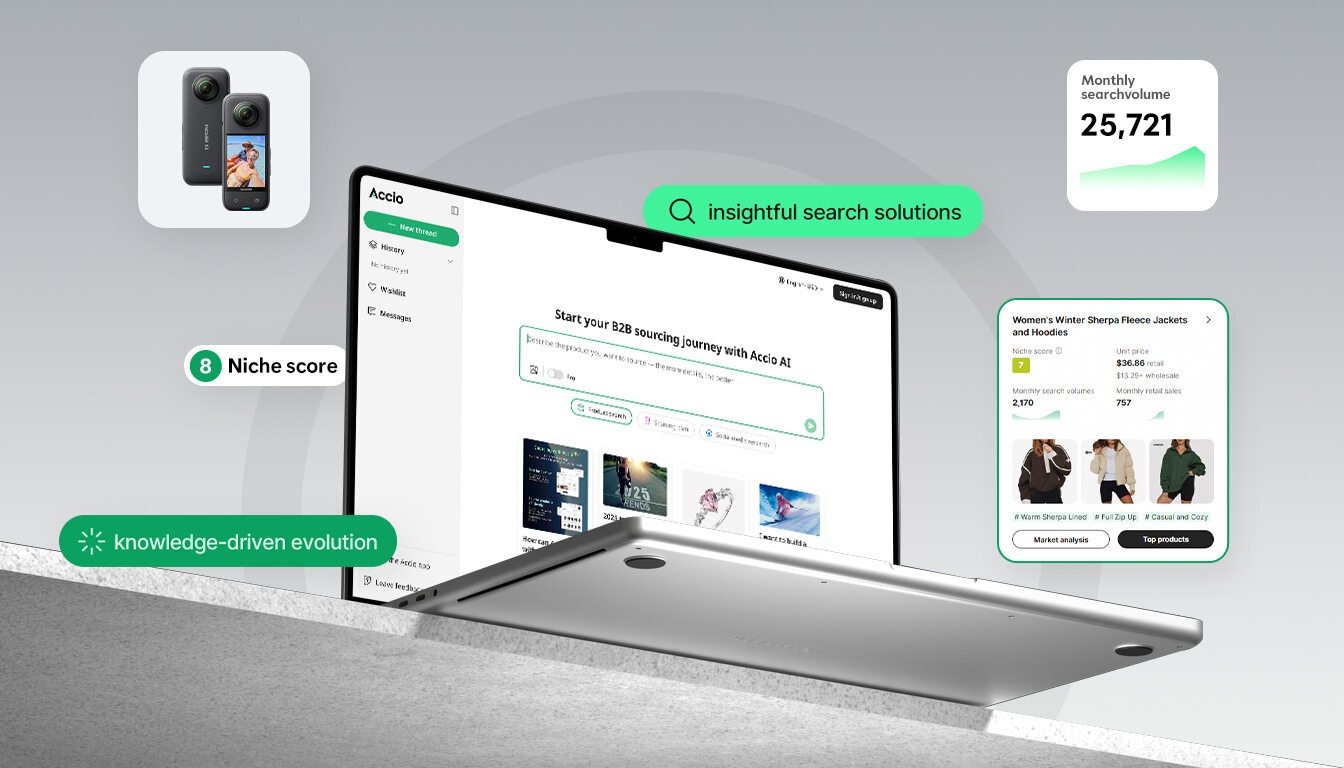
There’s a certain point in every workday where tabs multiply, messages blur together, and “just one quick task” turns into a 45-minute detour. That’s the reality of modern work. Tools promise efficiency, but often add more noise. Accio steps into this chaos with a clear goal: simplify how work actually gets done without turning your workflow into a complicated system you need to manage.
What Accio actually does for your daily workflow
Accio is designed to streamline the way you handle tasks, communication, and information by bringing them into one focused environment. Instead of jumping between platforms, Accio creates a central space where your work feels organised rather than scattered. The strength of Accio lies in how it reduces friction; it’s not about adding more features, but about connecting what you already do into something smoother. Whether you’re managing projects, tracking tasks, or simply trying to stay on top of daily responsibilities, Accio quietly removes the clutter that usually slows you down. It feels less like adopting a new tool and more like fixing the way your existing workflow behaves.
Why Accio feels different from traditional productivity tools
Most productivity platforms overwhelm users with endless options, dashboards, and features that look impressive but rarely get used. Accio takes a different route by focusing on clarity and usability. The interface is intentionally clean, which makes it easier to understand what needs attention without distractions. Accio avoids the trap of over-engineering by keeping interactions intuitive, so you spend less time figuring things out and more time actually working. The trade-off here is clear: if you love highly customisable, complex systems, Accio might feel too minimal. But for anyone tired of bloated tools, that simplicity becomes its biggest advantage.
Where Accio fits into modern remote and hybrid work
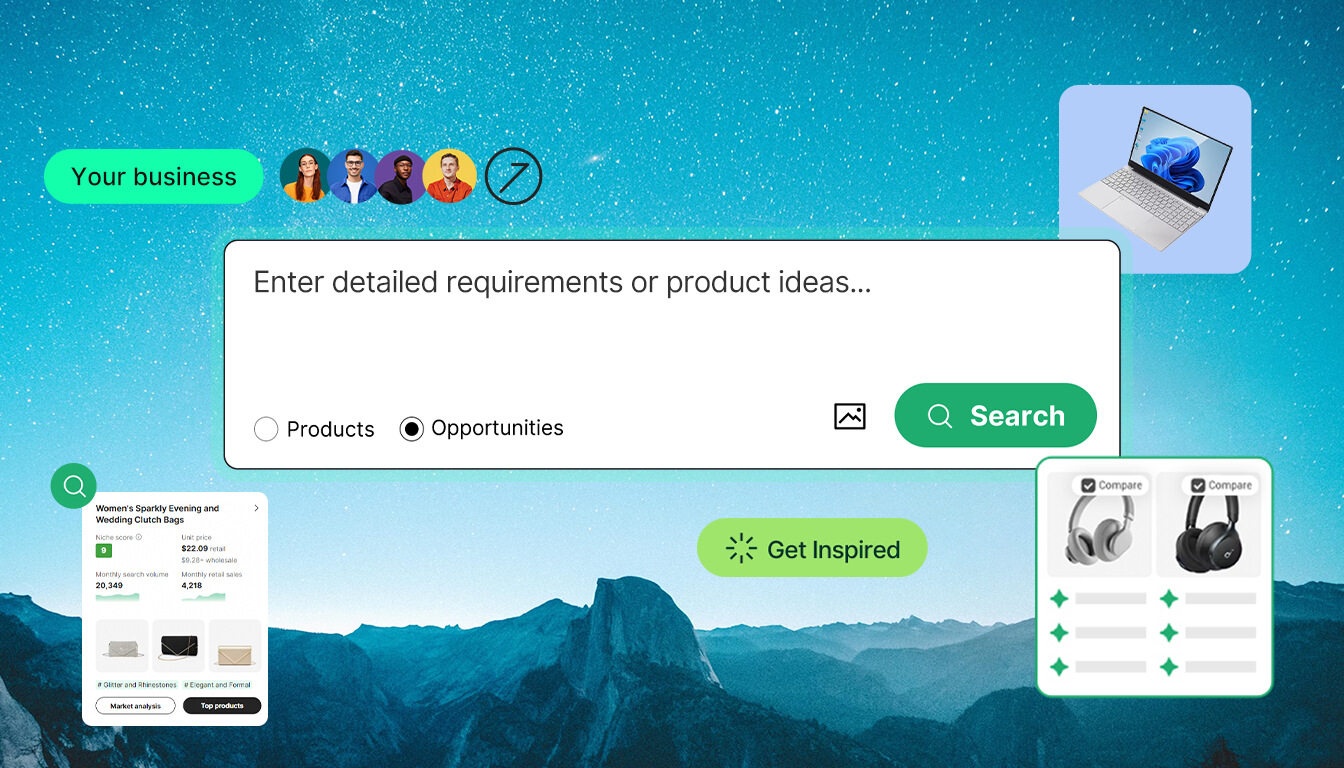
Remote and hybrid work have changed expectations around collaboration, and this is where Accio feels particularly relevant. It supports distributed teams by making communication and task visibility feel seamless rather than fragmented. Accio helps teams stay aligned without constant check-ins, which reduces unnecessary meetings and keeps work moving. The platform doesn’t try to replace human interaction but instead supports it by making information easier to access and share. For freelancers, small teams, or even larger organisations experimenting with flexible work setups, Accio offers a structure that adapts rather than dictates how you work.
The real benefit of using Accio day to day
The biggest shift with Accio isn’t just productivity, it’s mental clarity. When your tools are organised, your thinking tends to follow. Accio creates a calmer working environment where tasks feel manageable instead of overwhelming. Over time, this changes how you approach work itself. Instead of reacting to constant notifications or scattered priorities, you start working with intention. Accio doesn’t promise unrealistic productivity boosts, but it does create the conditions for more consistent, focused work. That’s a quieter benefit, but one that becomes noticeable the longer you use it.
Accio vs other work platforms that promise everything
Comparing Accio to other platforms highlights its core philosophy. While many tools aim to be all-in-one ecosystems packed with features, Accio focuses on doing fewer things better. It doesn’t try to replace every app you use, but instead improves how they work together. This makes Accio feel lighter and less demanding. The trade-off is that users looking for highly specialised features may still rely on additional tools. However, for everyday workflows, Accio covers the essentials in a way that feels cohesive rather than overwhelming. It’s less about having everything and more about having what actually matters.
The kind of user who gets the most from Accio
Accio works best for people who value simplicity, clarity, and efficiency over complexity. It suits professionals who are juggling multiple responsibilities and need a system that keeps up without adding pressure. Creatives, remote workers, and small business owners will likely find Accio especially useful because it supports flexible workflows rather than rigid structures. It’s also a strong option for anyone transitioning away from overly complicated tools and looking for something that feels easier to maintain long-term. Accio doesn’t try to force a new way of working, it simply supports the one you already have.
Why Accio quietly earns its place in your toolkit
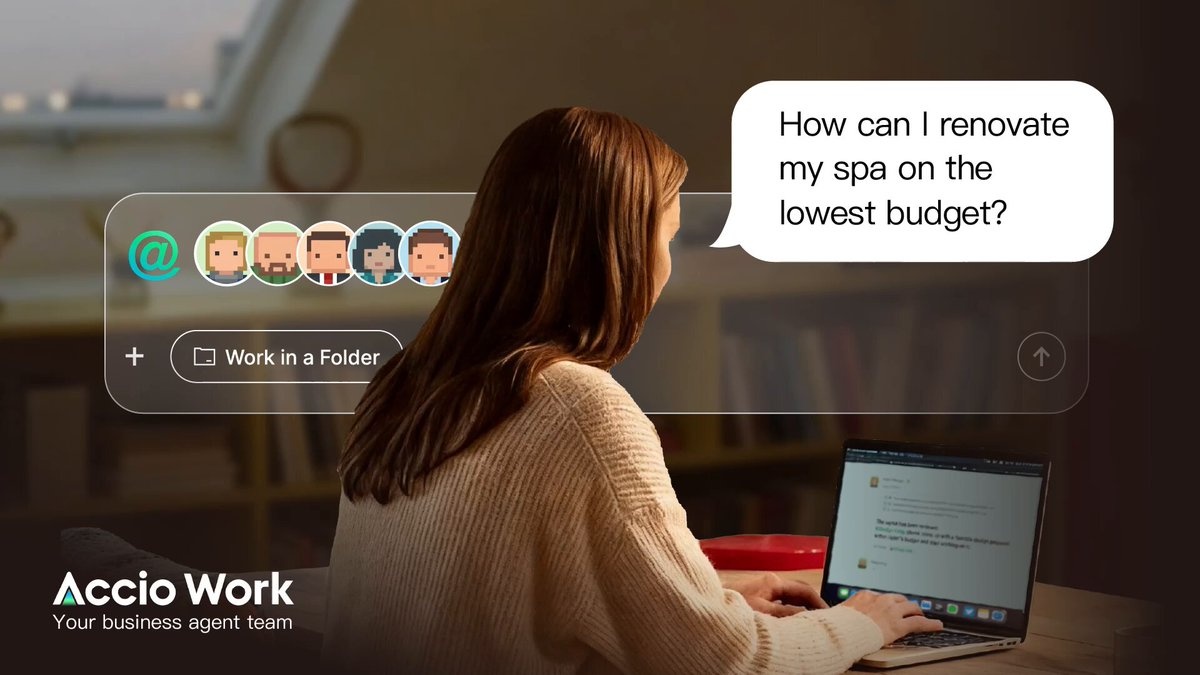
Some tools make a loud entrance with bold promises and flashy features, but Accio takes a quieter approach and that’s exactly why it works. It improves your workflow without demanding constant attention, which makes it easier to stick with over time. Accio proves that productivity doesn’t need to feel intense or overwhelming to be effective. It’s not trying to reinvent how you work, just refine it in a way that feels natural.
The smarter choice for real-world productivity
Accio makes the most sense for those who are done chasing complicated systems and just want work to feel manageable again. If you thrive on minimalism and want a tool that supports your day rather than dominates it, Accio fits effortlessly into your routine. For users who prefer deep customisation or advanced automation, it may feel slightly restrained, but for everyone else, that restraint is exactly what makes it powerful.
