

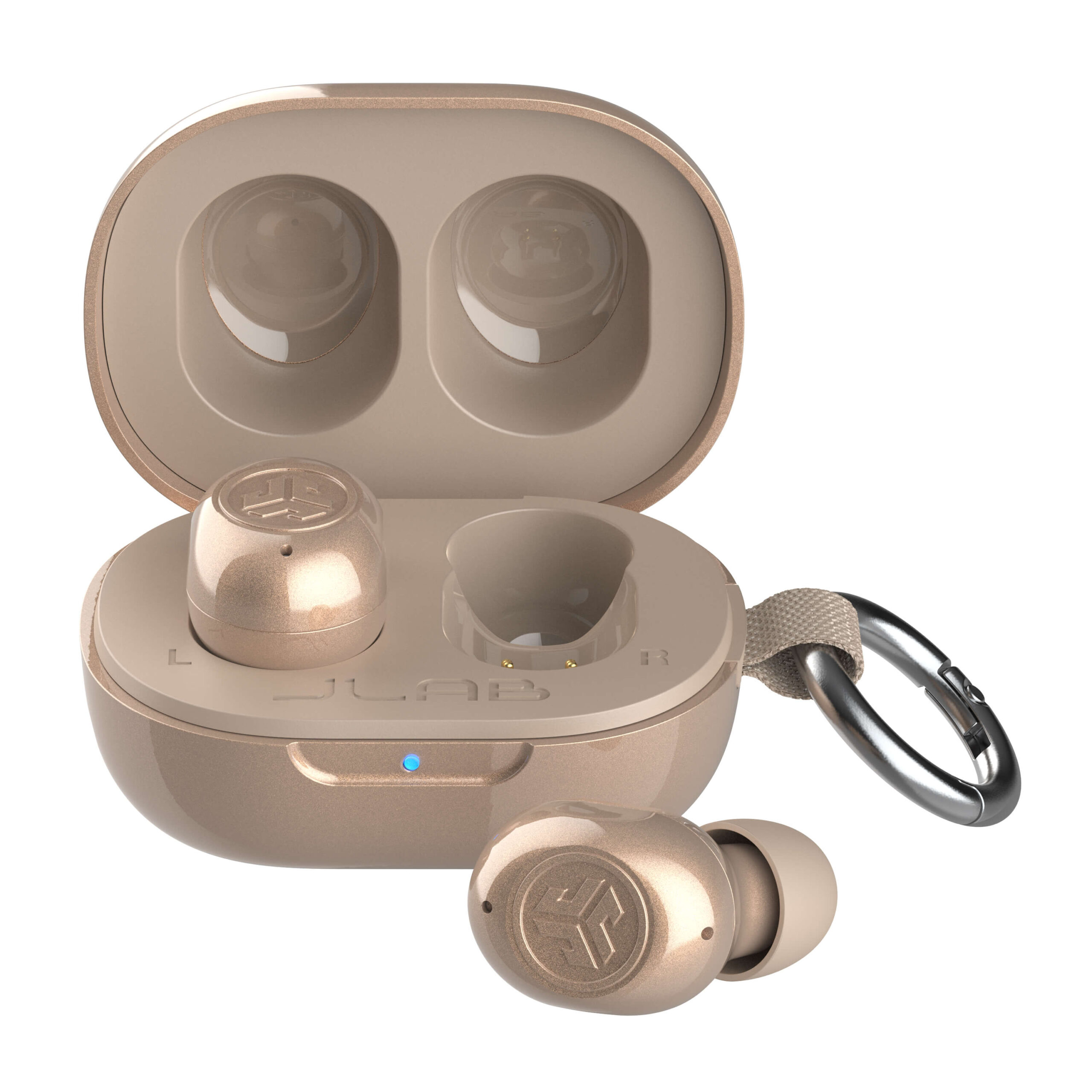
Audio quality profoundly impacts daily life, whether listening to music during workouts, enjoying podcasts during commutes or attending video conferences from home. Yet many settle for mediocre audio equipment simply because quality alternatives seem prohibitively expensive or require extensive research to identify. Modern audio accessory manufacturers have democratized premium sound, creating product ranges spanning diverse price points and use cases. Understanding what distinguishes quality audio equipment from commodity alternatives enables making informed purchasing decisions that genuinely enhance your audio experience without excessive spending. Quality audio accessories transform listening experiences from tolerable to genuinely enjoyable, justifying investment through daily satisfaction.
Understanding Audio Quality Fundamentals
Audio quality depends on interconnected factors driver quality determining frequency response accuracy, noise isolation blocking ambient sound, comfort enabling extended wear without fatigue and durability ensuring longevity. Entry-level audio equipment often sacrifices one or more dimensions, drivers with limited frequency response, minimal noise isolation, uncomfortable fit or questionable durability. Premium audio emphasizes balance across all dimensions accurate sound reproduction across full frequency spectrum, effective isolation for immersive listening, ergonomic design enabling hours of comfortable listening and construction quality ensuring years of reliable performance. Understanding these dimensions helps evaluate equipment beyond marketing hype and price tags. JLab Quality audio accessory brands emphasize transparent specifications and honest performance claims rather than aspirational marketing.
Wireless Versus Wired Technology Trade-offs
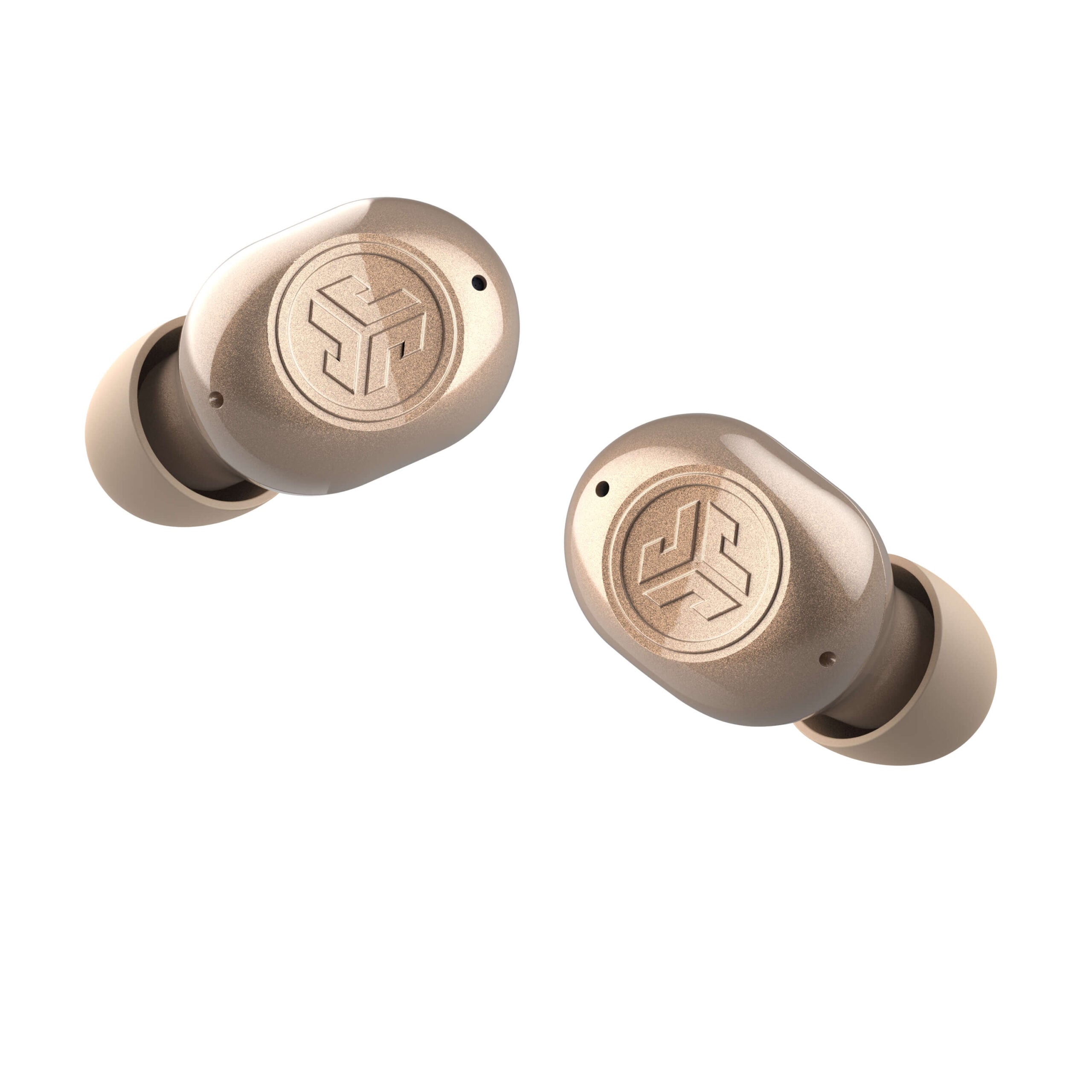
Modern audio consumers increasingly choose wireless over wired equipment, valuing freedom from cable entanglement despite minor latency and battery management considerations. Wireless technology has matured dramatically, quality wireless audio now matches or exceeds wired performance for most applications. Bluetooth codecs (aptX, LDAC, AAC) deliver high-fidelity audio over wireless connections. Battery technology enables multi-day listening between charges. Reliability has improved, with rare connection dropouts on quality equipment. However, certain applications still favor wired connections professional audio production requiring zero latency, situations demanding absolute reliability or preferences for battery-free operation. Understanding your specific use cases determines whether wireless flexibility outweighs wired guarantees.
Fitting Profiles and Comfort Considerations
- Over-ear designs distribute weight across entire head, enabling all-day wear without fatigue despite larger size and weight.
- On-ear designs offer portability through smaller profile while maintaining adequate comfort for extended sessions.
- In-ear designs provide maximum portability and discretion while requiring proper fit and seal for optimal performance.
- Ear loops and wingfits ensure secure positioning during active use, preventing slippage during exercise or movement.
- Customizable fitting options enable personalizing comfort through alternative ear tips or fit adjustments matching individual ear anatomy.
Active Noise Cancellation and Ambient Awareness
Active noise cancellation (ANC) technology blocks environmental noise through phase-shifted sound waves counteracting ambient sound. Quality ANC implementations improve audio immersion, reduce hearing damage risk from cranked volumes compensating for ambient noise and enable hearing conversations without removing equipment. Budget ANC implementations sometimes introduce artifacts or excessive phase shifting degrading sound quality. Premium implementations balance noise reduction with transparent sound quality. Ambient awareness modes enable hearing environmental sounds without removing equipment, valuable for fitness, commuting and awareness of surroundings. JLab Modern audio equipment often includes both ANC and transparency modes, enabling switching between immersive listening and environmental awareness.
Sound Signature and Frequency Response Preferences
Different audio equipment emphasizes different frequency ranges, some boost bass for aggressive sound, others flatten response for analytical listening, others boost treble for crisp highs. Personal preference determines optimal signature audiophiles prefer neutral frequency response enabling accurate source material reproduction, musicians prefer balanced response supporting diverse instruments, casual listeners often prefer bass-boosted profiles delivering exciting sound. Understanding your listening preferences helps selecting equipment matching your sonic tastes rather than industry standards. Testing equipment before purchasing whenever possible prevents buying equipment with signature mismatches causing listener fatigue or dissatisfaction.
Durability and Material Quality
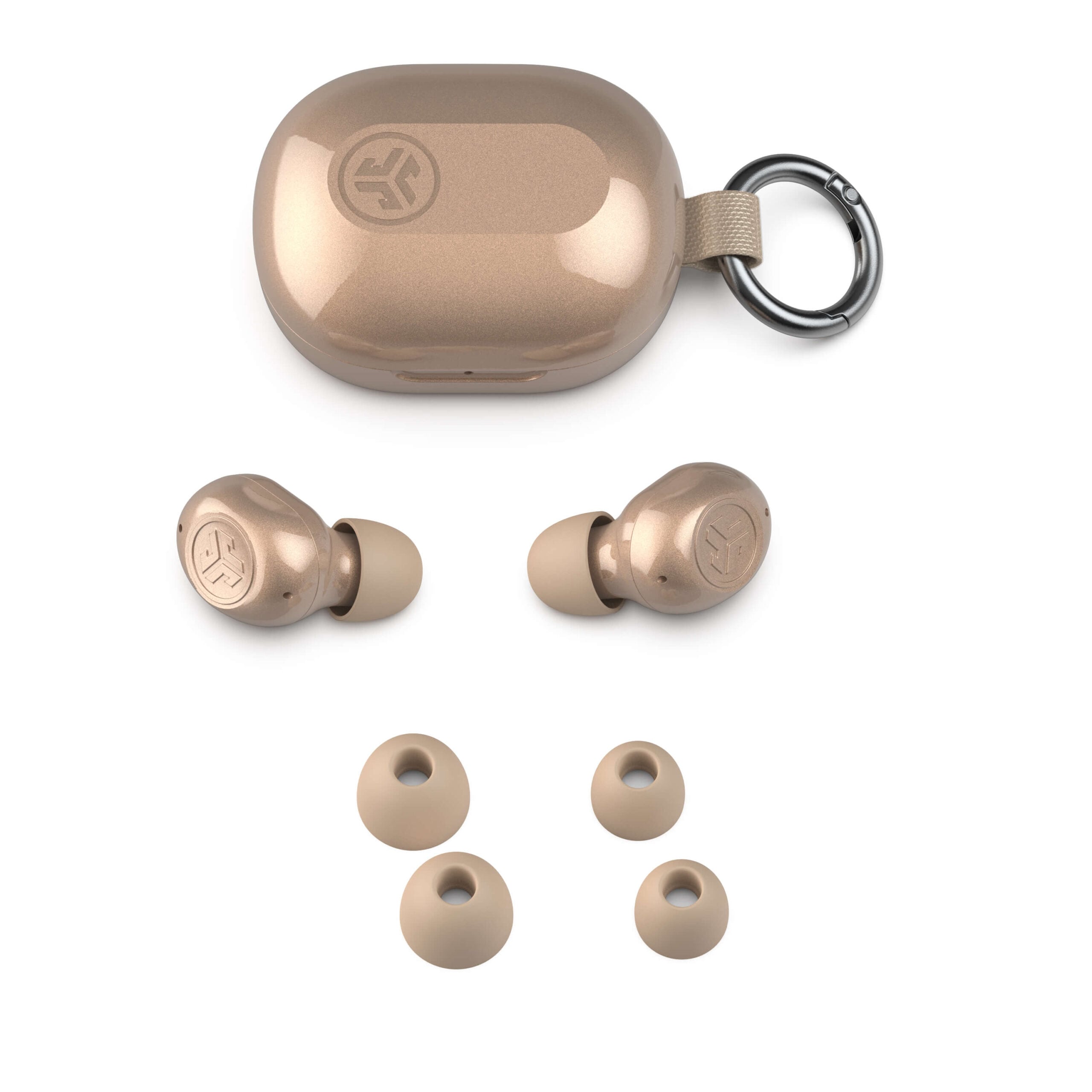
Daily-use audio equipment endures regular stress cable flexing, driver vibration, sweat exposure, temperature extremes and impact from falls or pressure. Quality construction materials resist these stresses reinforced cable connectors endure thousands of plug-unplug cycles, robust driver assemblies withstand years of vibration, water-resistant or sealed designs survive sweat exposure and occasional moisture. Cheap materials fail prematurely plastic components brittle with age, solder joints crack under flexing stress, drivers develop distortion. Investment in equipment with genuine durability often costs less over time than repeatedly replacing cheap equipment. JLab Audio products designed for durability justify higher initial costs through extended lifespan and reliable performance.
Application-Specific Equipment Optimization
Different use cases demand optimized equipment profiles. Fitness applications require secure fit, water resistance and motivational sound signatures. Professional monitoring requires neutral frequency response, precise driver positioning and isolation. Travel applications require portability, battery longevity and durability for packed luggage. Commuting applications require ambient awareness, comfortable fit for extended wear and discrete styling. Gaming applications require low latency, directional audio cues and responsive control. Selecting equipment optimized for your primary use cases ensures maximum satisfaction compared to universal equipment compromises across all applications. JLab
Budget Optimization and Value Assessment
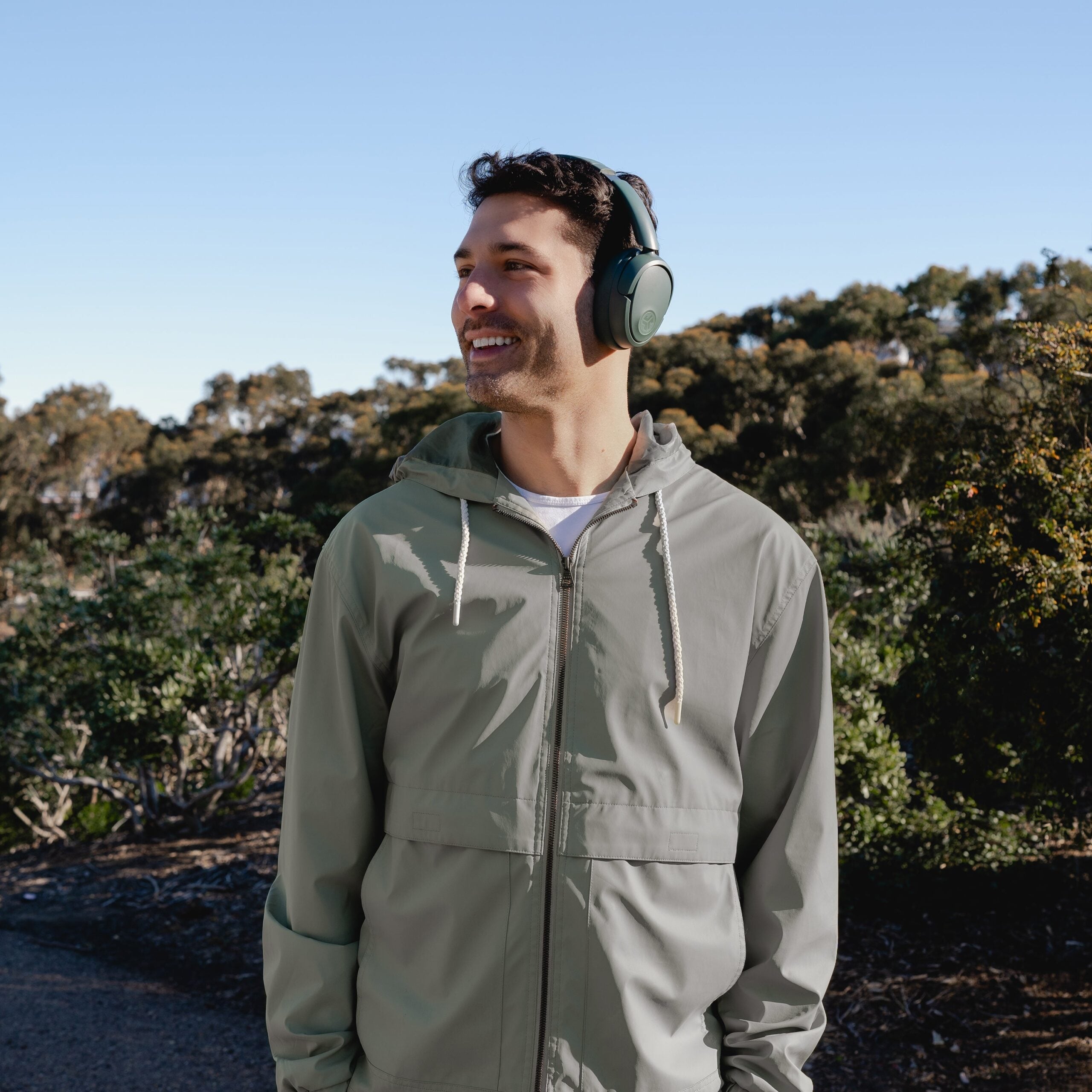
Quality audio equipment exists across all price ranges, products outperform mediocre equipment. Value depends on identifying where manufacturing improvements justify cost increases. Under audio quality improvements often correlate directly with price. -150 represents excellent value territory where quality construction and drivers deliver significant improvements per dollar. -400 remains productive spending if specific features (ANC, wireless, durability) matter to your use cases. Above diminishing returns intensify, marginal improvements require substantial cost increases, often reflecting brand prestige as much as acoustic performance. JLab Accessible audio brands deliver quality products at rational price points, maximizing value without premium brand markups.
Evaluating Specifications and Marketing Claims
Manufacturer specifications sometimes misrepresent capabilities. Frequency response claims like “5Hz-20kHz” sound impressive until understanding human hearing rarely extends below 20Hz or above 20kHz, more meaningful specifications describe response flatness and accuracy. Impedance specifications matter primarily for wired audio; wireless specifications matter more. Driver size correlates imperfectly with sound quality, larger drivers enable deeper bass but don’t guarantee quality sound. Wattage claims tell nothing about subjective loudness or audio quality. Understanding meaningful specifications versus marketing hype enables evaluating products objectively rather than through advertising.
Trying Before Buying and Return Policies
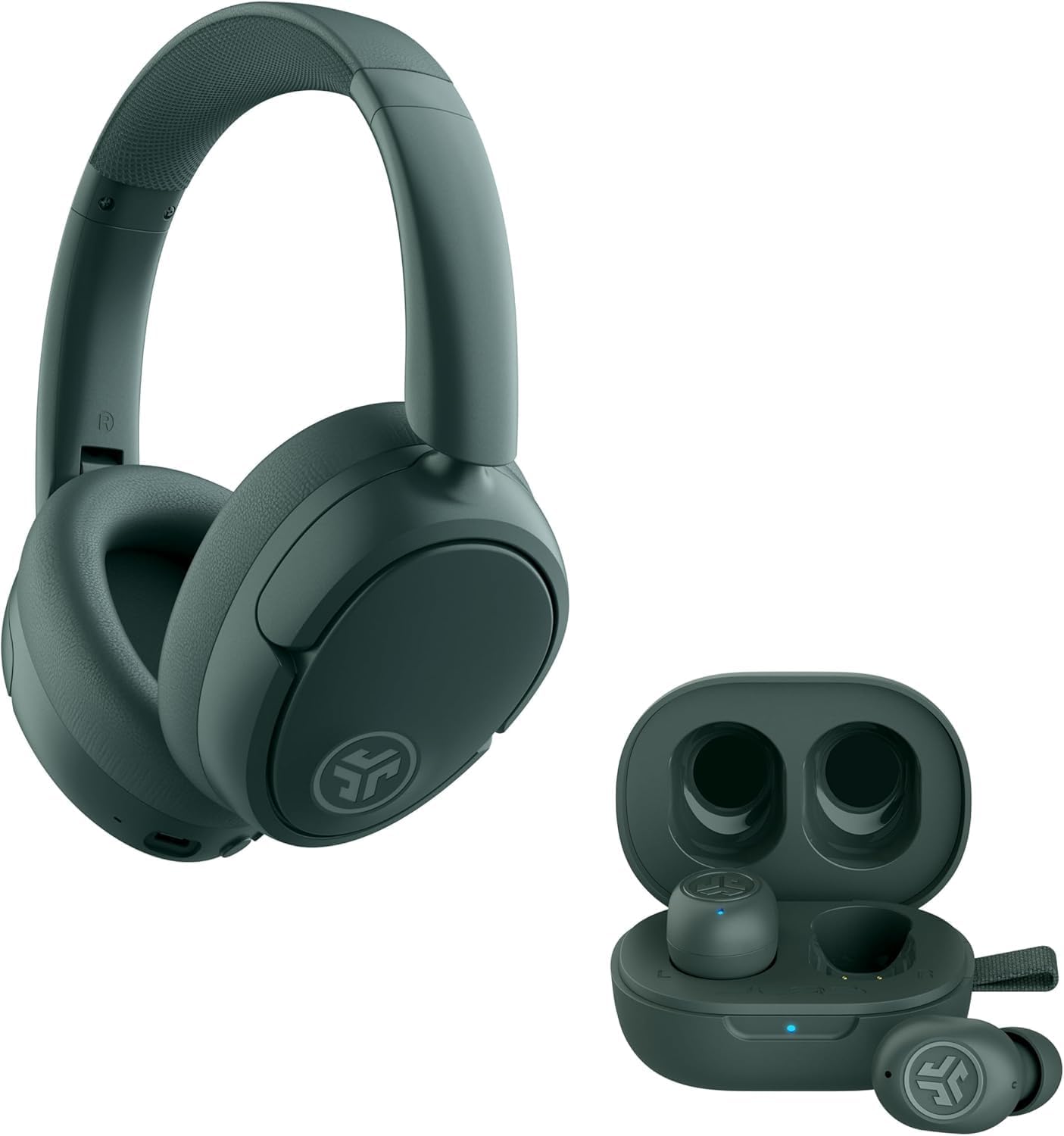
Audio preferences are intensely personal, what sounds perfect to one listener sounds uncomfortable to another. Whenever possible, try equipment before committing financially. Retailer return policies matter enormously 30-day returns enable risk-free evaluation of personal preference fit. Some manufacturers offer excellent return periods enabling home evaluation in your listening environment using your music and sources. Evaluating return policies alongside product quality reduces risk of expensive purchases that prove unsatisfactory upon extended use.
Selecting quality audio equipment requires balancing specifications, personal preferences, use case optimization and value considerations. By understanding audio fundamentals, identifying your specific requirements and evaluating equipment honestly against your needs, you can select accessories delivering genuinely improved audio experiences matching both your sonic preferences and budget constraints. Quality audio dramatically enhances daily life satisfaction, justifying thoughtful equipment selection.
