


A good day out begins before the car park
Historic houses, landscaped gardens and countryside walks can all belong to the same day, but that variety can also make planning harder for a mixed group. One person may want a long walk, another may be happiest in a house or café and younger visitors may need movement rather than a slow sequence of rooms. The most successful visit usually gives everyone a few anchors without trying to fit every attraction into one schedule. nationaltrust.org.uk provides opening times, facilities, accessibility information and place-specific highlights, so a group can shape the day around what is realistic rather than what looks impressive on a map.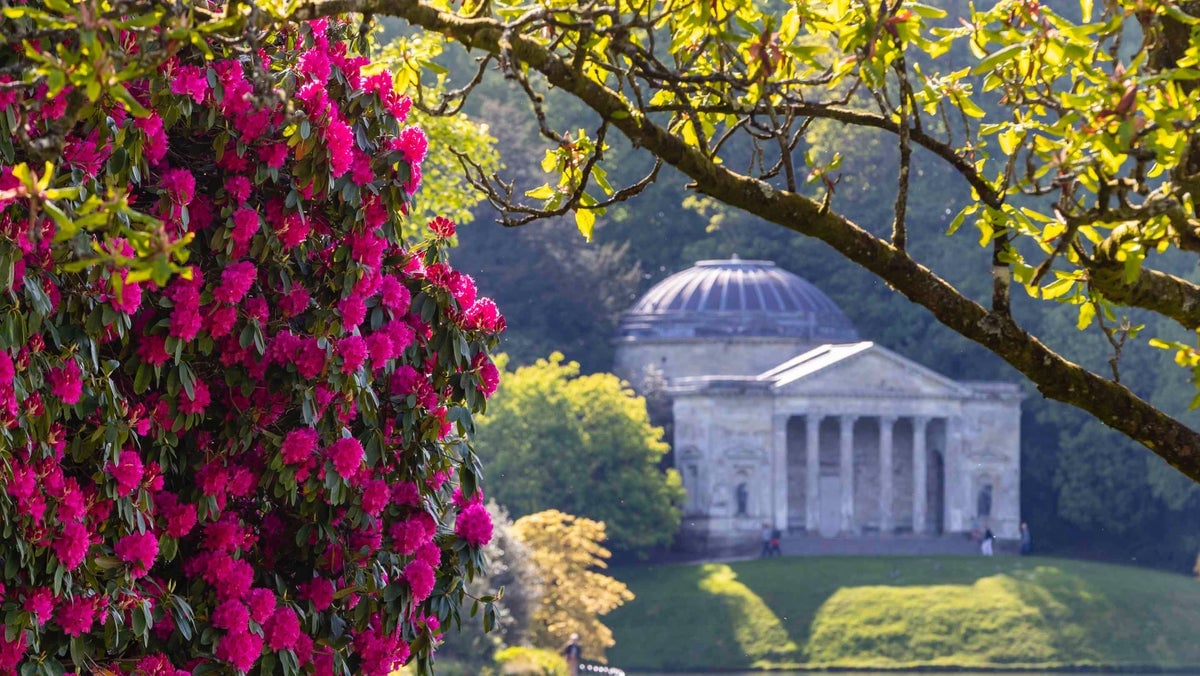
The strongest plan starts with a simple question about energy. A full-day visit suits some groups, while others enjoy a shorter morning or afternoon far more. Travel time, mobility, weather and meal needs should be considered before any list of must-see features.
Choose one main experience and let the rest support it
Large heritage sites can offer a house, formal garden, wider estate, exhibitions, cafés, shops and family activities. Trying to complete all of them can turn a leisurely visit into a checklist. A better approach is to pick one main experience. At a place known for its landscape, the garden may be the centre of the day. At another property, the house collection may be the priority. Everything else then becomes optional rather than overdue.
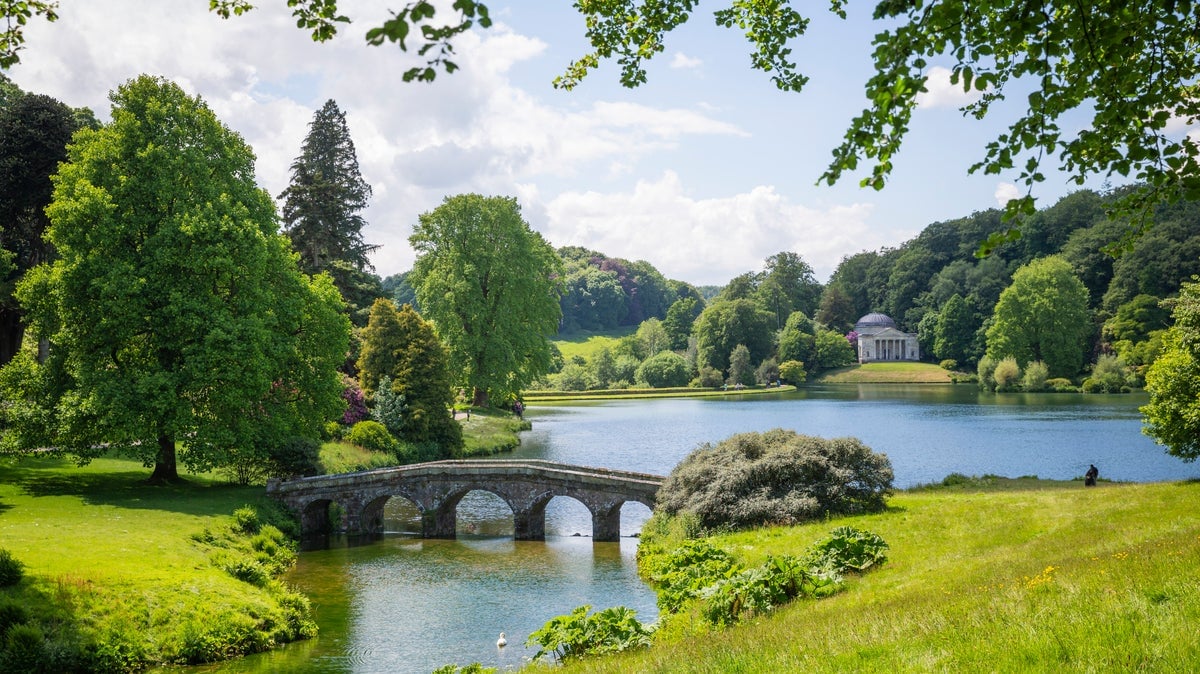
Stourhead is a useful example because the site combines a Palladian house with a well-known landscape garden and a much larger countryside estate. Information on nationaltrust.org.uk separates practical details from things to see and do, which helps visitors choose the level of activity that suits the group. A family might spend most of the day around the lake and garden while a history-focused pair may divide more time between interiors and architecture.
This approach also makes changing plans easier. If rain arrives, the house and café can become more important. If the weather stays clear, the group can extend the outdoor section. A flexible plan is usually more enjoyable than a timetable that collapses as soon as one queue or tired child changes the pace.
Build the day around comfort points
Mixed-age groups benefit from predictable pauses. Seating, toilets, cafés and shorter route options matter just as much as headline attractions, particularly for grandparents, young children or anyone managing limited stamina. Before travelling, a visitor can check the property page for access notes and opening times rather than assuming every part of a site operates on the same schedule.
Four practical checks make a noticeable difference.
- Opening times should be checked separately for the house, garden, cafés and any seasonal features.
- Parking and arrival arrangements should be understood before the group reaches a busy site.
- Accessible routes, mobility support and terrain notes should be reviewed for anyone who may need them.
- A shorter route or indoor alternative should be identified in case weather or energy levels change.
Membership can change the way frequent visitors plan
For people who visit regularly, membership can shift the goal from seeing everything in one day to returning for different experiences. nationaltrust.org.uk states that membership includes entry to more than 500 places in its care and free parking at most National Trust car parks. That can encourage shorter visits, seasonal returns and more relaxed decisions about leaving something for another time.
A repeat visit can also feel completely different. Gardens change across spring, summer and autumn. Houses may display different objects or exhibitions. Countryside routes can move from bright open walking to woodland colour and winter views. Families may return for trails or events while adults revisit the same place for a quieter walk. The pressure to complete a site disappears when the visit is treated as one chapter rather than a final opportunity.
Even without membership, the same planning principle remains useful. A visitor does not need to exhaust a place to feel that the day was worthwhile. One excellent garden circuit, an enjoyable lunch and a short house visit can be more memorable than rushing through every available area.
Leave enough space for the place to set the pace
Heritage days are often at their best when time is left unallocated. A viewpoint may hold attention longer than expected. A child may want to explore one garden area twice. A guide may start a conversation that changes the route. nationaltrust.org.uk also lists events and seasonal activities, but these work best when they complement the day rather than overload it.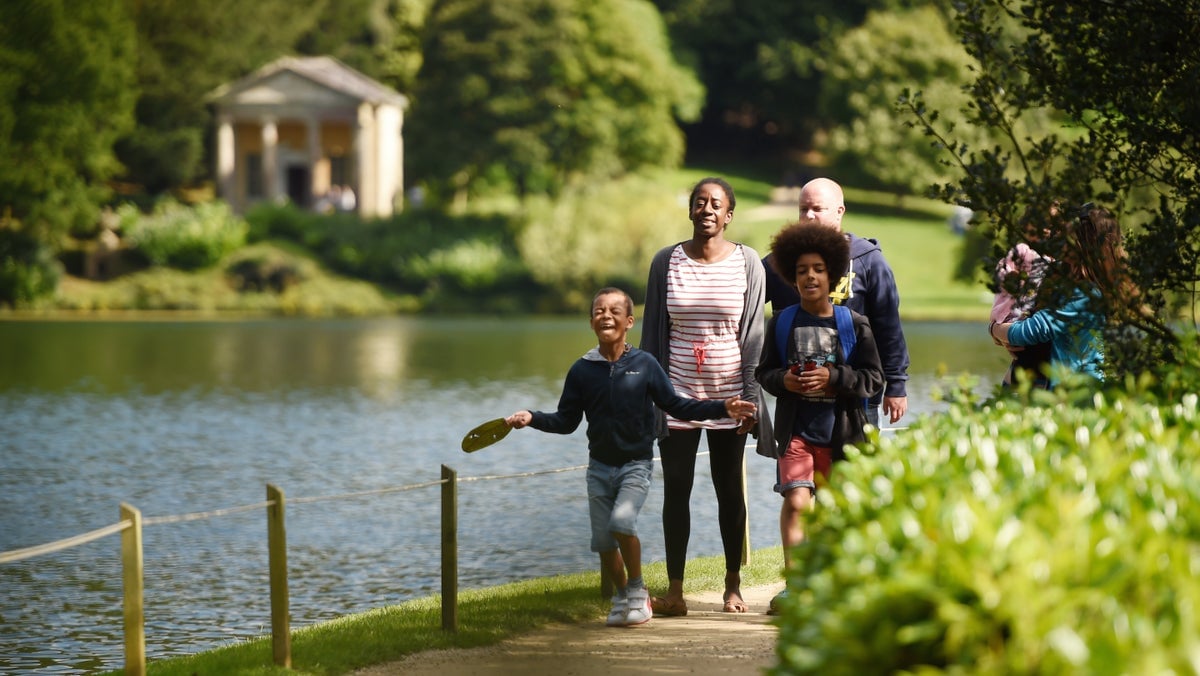
Planning therefore needs structure without rigidity. One main experience, a clear meal plan, realistic walking expectations and a backup option are usually enough. The result is a day that can work for different ages and interests without forcing every visitor to enjoy the same things at the same speed. nationaltrust.org.uk gives the practical information needed to make that kind of flexible visit easier, while the final shape of the day can remain pleasantly open.
