

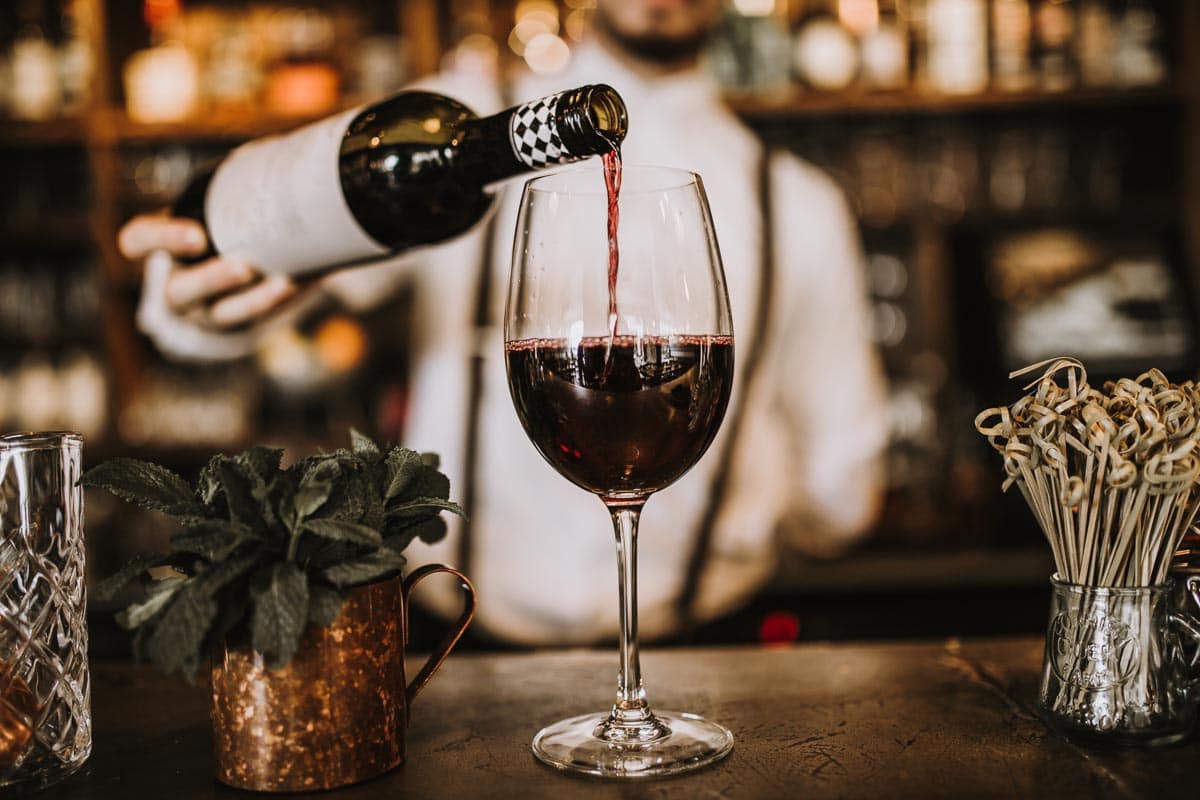
Wine has a rich and storied history, often intertwined with culture, celebration, and sophistication. Its allure lies not only in its delightful taste but also in the intricate art of wine tasting. This art allows us to unravel the layers of flavors, aromas, and textures that different types of wine offer. Whether you’re an experienced wine connoisseur or a newcomer to this fascinating world, this guide aims to walk you through the basics of wine tasting, enabling you to cultivate a discerning palate and a profound understanding of this ancient and cherished beverage.
The Five Senses of Wine Tasting
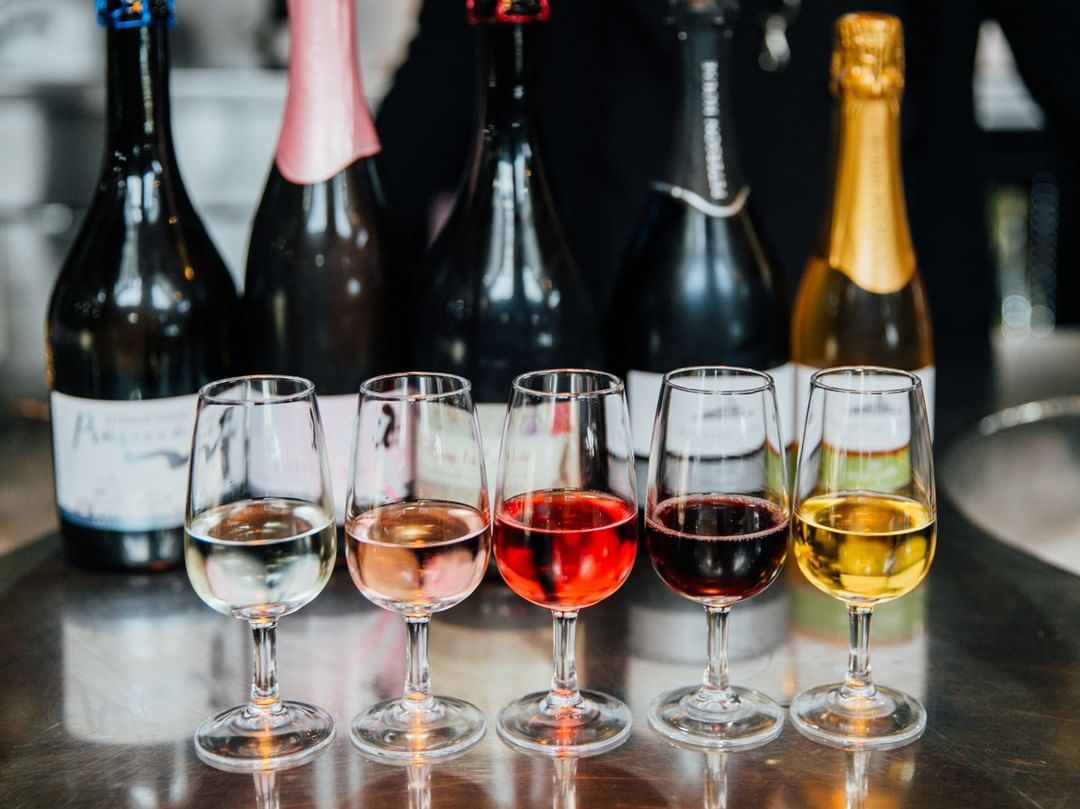
Wine tasting is a sensory adventure that engages all facets of our perceptiveness: sight, smell, taste, touch, and even sound. Each sense contributes uniquely to the overall appreciation of wine, painting a complete picture of its character.
Sight
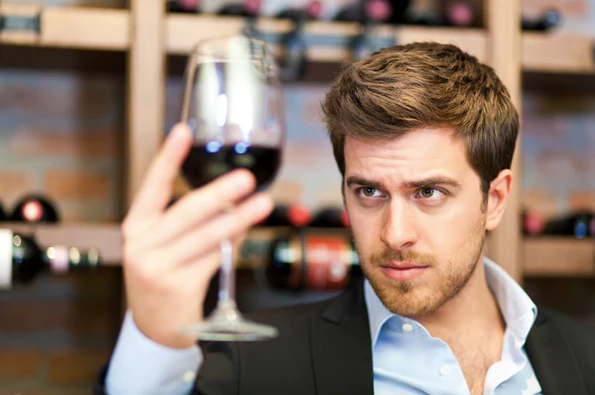
The visual examination of a wine is a captivating prelude to the tasting experience. The color of a wine can convey hints about its grape variety and age. From the vibrant reds to the palest of whites, hues provide insights into the wine’s complexities. Clarity is equally crucial, indicating the quality of the wine and the effectiveness of its filtration. Examining the rim variation offers a glimpse into the wine’s age, while the legs or tears that form as you swirl the wine can hint at its alcohol content and viscosity. For sparkling wines, the bubbles reveal much about their production process, from size and persistence to the methods used.
Smell
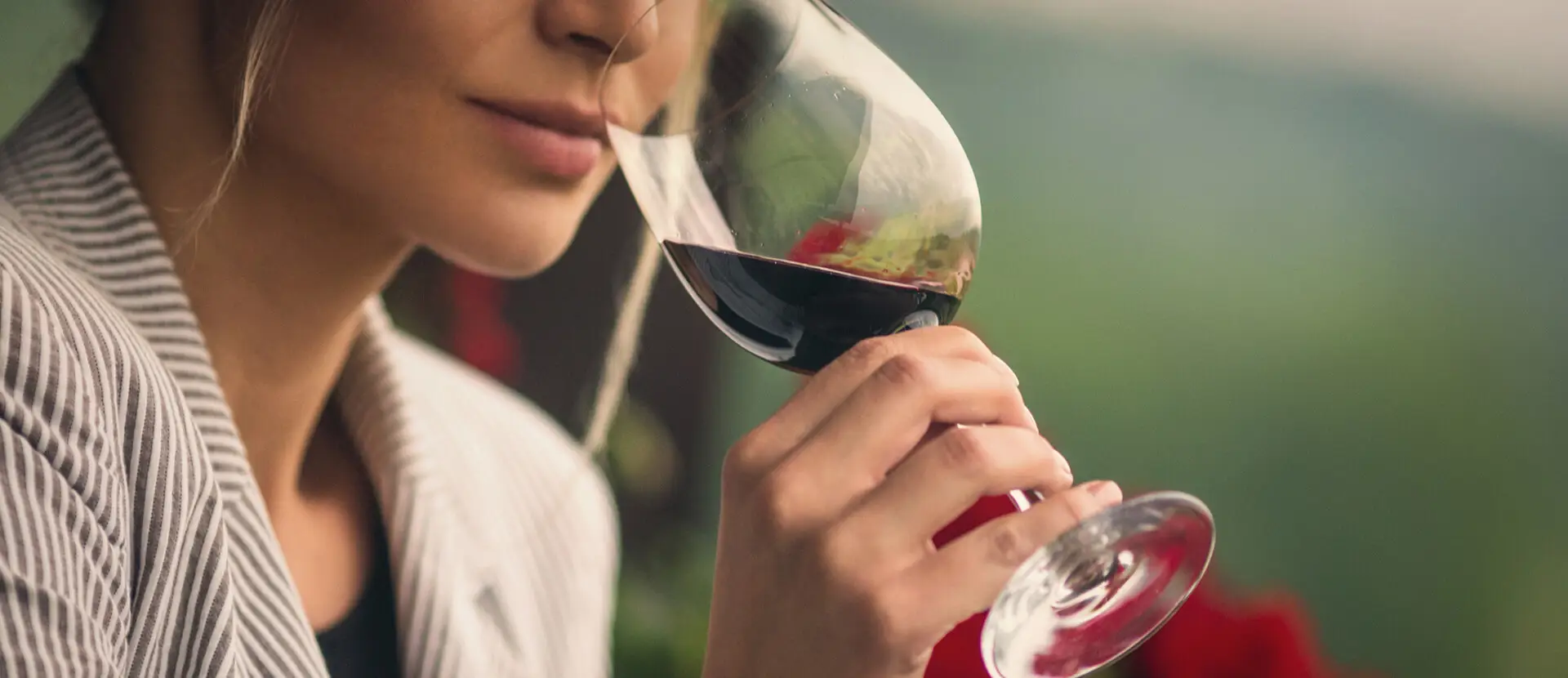
A wine’s aroma is an essential component of the tasting journey. The olfactory adventure begins with identifying the various scents that a wine exudes. Fruity aromas, ranging from citrus to berries and tropical fruits, provide an initial hint of what’s to come. Floral notes add a delightful bouquet to the experience, while the subtle presence of spices like cinnamon or clove adds depth and character. Wines aged in oak barrels impart distinct aromas of vanilla, caramel, or toast. Earthy or mineral notes offer a unique olfactory dimension, evoking images of vineyards and terroir.
Taste
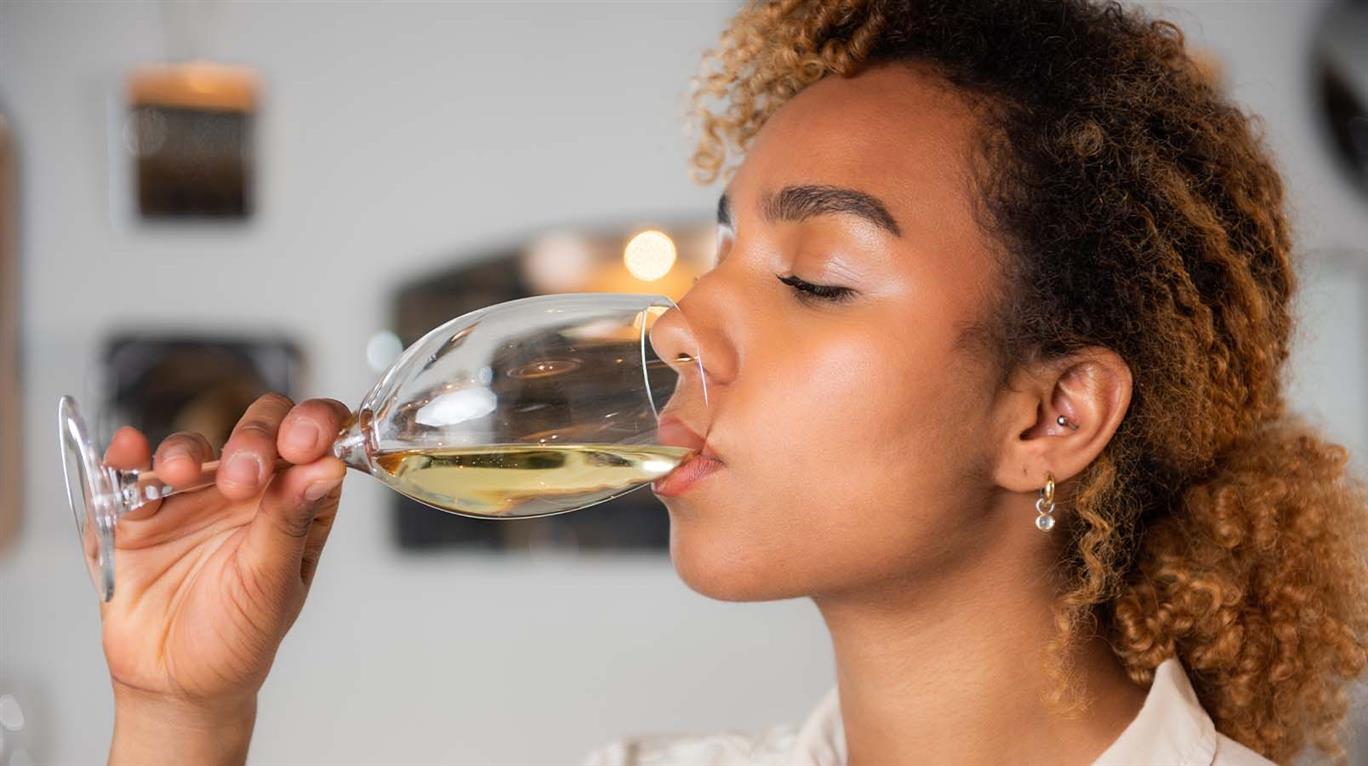
As the wine caresses your palate, tasting becomes a dance of flavors and textures. The level of sweetness, from bone-dry to dessert-sweet, sets the stage. Acidity, a fundamental characteristic, provides a burst of freshness and balances the sweetness. Tannins, especially prevalent in red wines, contribute to the astringent, drying sensation. The body of the wine, whether light and ethereal or full-bodied and robust, gives you a sense of its weight. The finish, the lingering taste that graces your senses after swallowing, provides a final note in this symphony of taste.
Touch

The sensation of wine in your mouth, known as mouthfeel, is a significant aspect of the tasting journey. As the wine glides smoothly or perhaps with a velvety texture, you appreciate its finesse. Astringency, caused by tannins, may leave your mouth with a pleasing dryness. For sparkling wines, the effervescence creates a delightful bubbling sensation, adding to the overall experience. Creaminess, often associated with aging or particular winemaking techniques, brings a luxurious element. And the coolness or warmth you sense while sipping is a testament to the wine’s alcohol content.
Sound
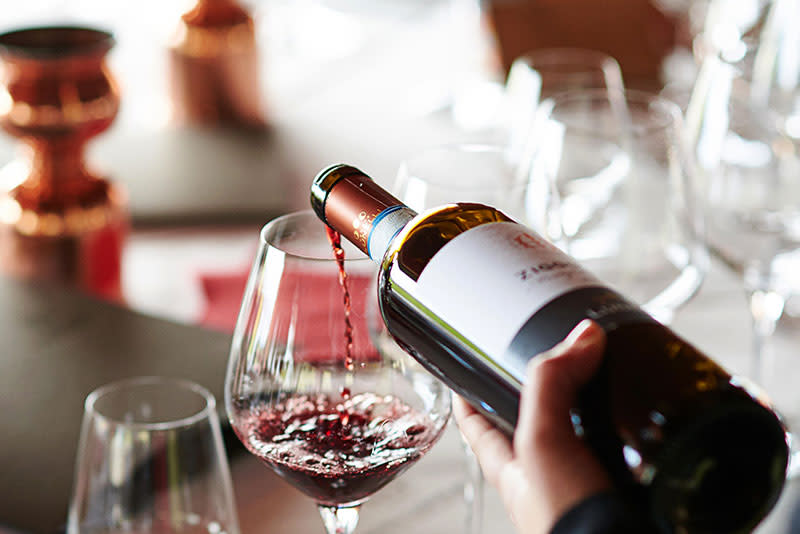
Though often overlooked, the sound of wine can provide valuable clues to its quality and effervescence, especially in the case of sparkling wines. The delightful fizz and the intensity of bubbles can be both seen and heard, adding a multi-sensory dimension to the wine-tasting experience.
The Art of Tasting Wine
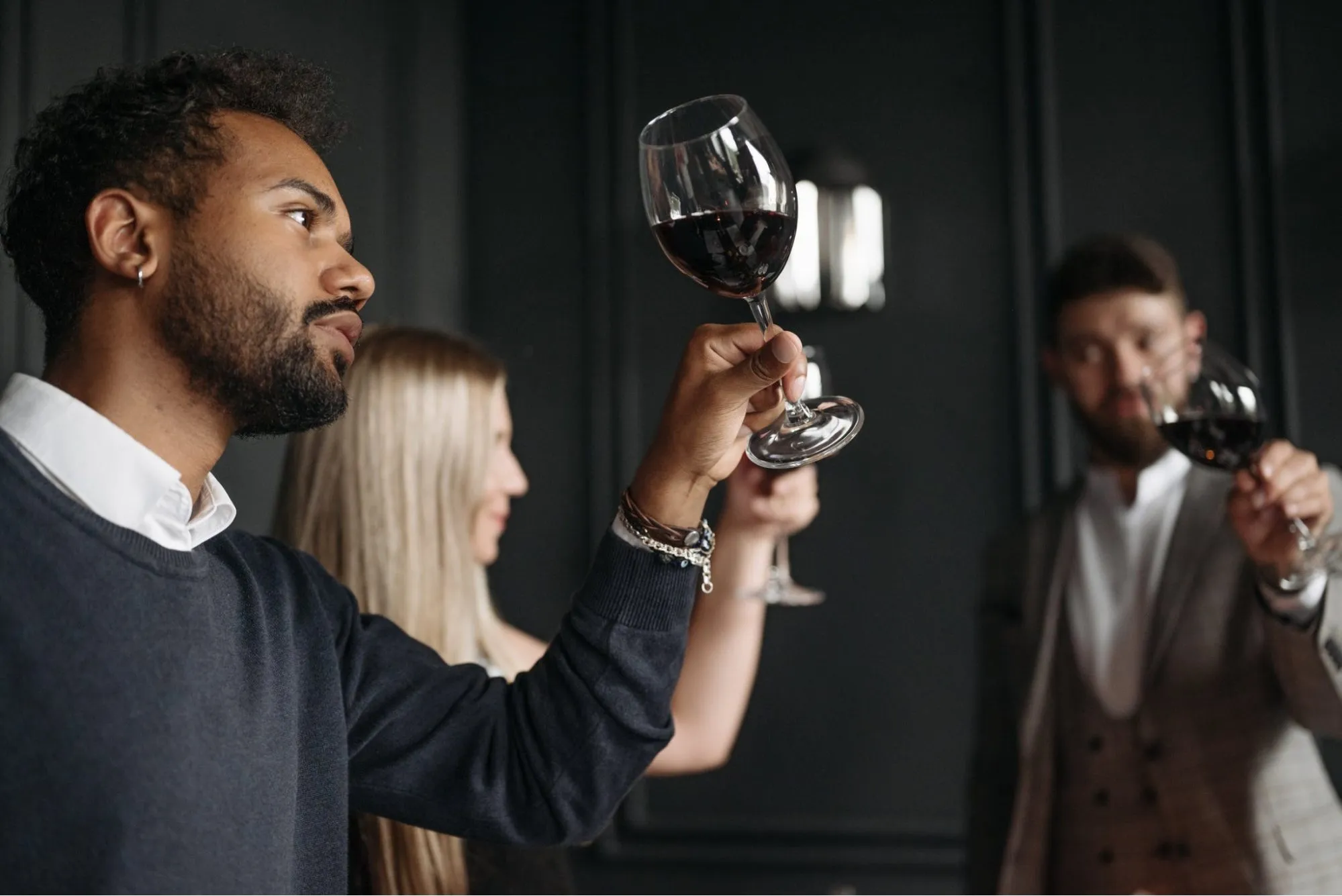
Now that we’ve explored the five senses involved in wine tasting, let’s delve into the art of actually tasting wine. The right approach to tasting can elevate your appreciation and help you distinguish the subtlest of flavors and aromas, turning each sip into an experience to savor.
Swirling
Swirling the wine in your glass is a classic technique that serves to aerate the wine and unlock its full aromatic potential. The act of swirling allows the wine to interact with oxygen, releasing its bouquet and enhancing the overall olfactory experience. As the wine coats the inside of the glass, it provides a visual display of its body and viscosity.
Sniffing
The sense of smell is crucial in appreciating the complexity of a wine. Taking the time to swirl and then gently sniff the wine allows you to identify various aromas. Different grape varieties and winemaking techniques produce distinct scents, ranging from fruity and floral to spicy and oaky. The initial whiff can give you a preview of the wine’s flavor profile, preparing your taste buds for the journey ahead.
Sipping
The first sip is a crucial moment in the wine-tasting process. It offers a glimpse into the initial taste and texture of the wine on your palate. As you take a small sip and let the wine coat your mouth, pay attention to the interplay of flavors and the way they interact with your taste buds. Notice the balance between sweetness, acidity, and any tannic notes, and let the wine reveal its unique personality.

Aerating
Aerating the wine in your mouth enhances its flavors and smooths out any rough edges. Swishing the wine gently allows it to mix with oxygen, enabling the tannins to soften and the overall taste to evolve. This process is particularly important for younger, more robust wines that may need a moment to breathe and reach their full potential.
Reflecting
After you’ve swallowed the wine, take a moment to reflect on the entire tasting experience. Consider the wine’s overall impression on your palate and senses. Was it a balanced and enjoyable experience? Did the flavors evolve or linger in a way that delighted your senses? Reflecting on these aspects allows you to appreciate the wine in its entirety, from the initial aroma to the final lingering notes.
Conclusion
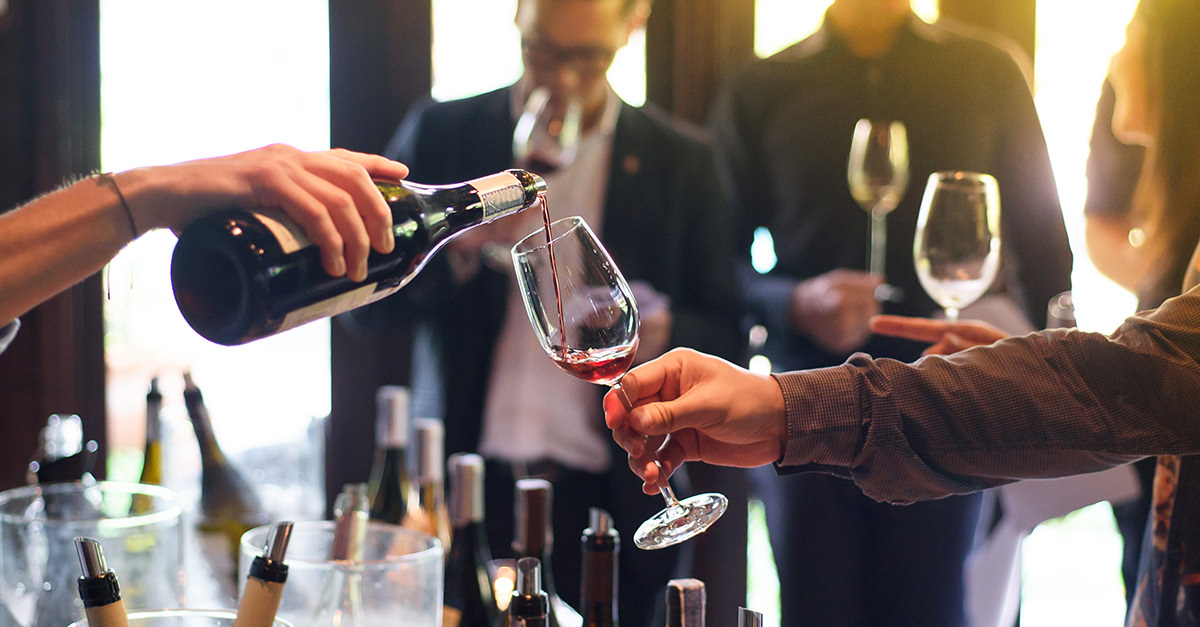
Wine tasting is an enjoyable and enriching experience that combines science, art, and sensory pleasure. By engaging your senses of sight, smell, taste, touch, and sound, and by practicing the art of tasting, you can unlock the secrets and nuances hidden within each bottle. Experiment with different wines, embrace the process, and above all, savor the journey of discovering the vast and fascinating world of wine. Cheers to your delightful adventures in wine tasting!