


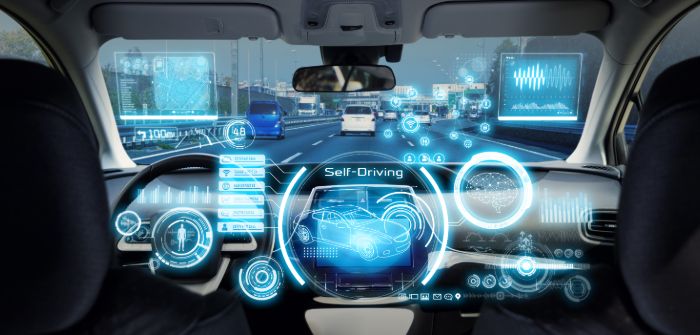
The advent of autonomous vehicles, often referred to as self-driving cars, has ushered in a new era of transportation technology. These vehicles have the potential to revolutionize the way we travel, offering promises of increased safety, reduced traffic congestion, and enhanced mobility for all. However, as with any groundbreaking technology, there are both proponents and skeptics regarding the widespread adoption of self-driving cars. In this article, we will explore the pros and cons of autonomous vehicles to determine if we are truly prepared for this transformative shift in the automotive industry.
The Pros of Autonomous Vehicles

- Enhanced Safety
Autonomous vehicles have the potential to significantly reduce the number of accidents caused by human error, such as distracted driving, speeding, and drunk driving.
Advanced sensors and real-time data analysis allow these vehicles to detect potential hazards and respond swiftly, minimizing the risk of collisions.
- Improved Traffic Flow and Reduced Congestion
Autonomous vehicles can communicate with each other and coordinate movements, leading to smoother traffic flow, reduced congestion, and shorter travel times.
Efficient routing and adaptive speed control can optimize traffic patterns and alleviate the strain on road networks during peak hours.
- Increased Accessibility and Mobility
Self-driving cars have the potential to offer newfound mobility to individuals with disabilities, elderly populations, and those who are unable to drive, enhancing their independence and quality of life.
Ride-sharing services with autonomous vehicles can provide convenient and affordable transportation options, expanding accessibility in urban and rural areas.
- Environmental Benefits
Autonomous vehicles can optimize fuel efficiency by predicting traffic patterns, reducing fuel consumption, and ultimately lowering emissions, contributing to a greener and more sustainable environment.
The potential for electric, self-driving cars could further reduce the carbon footprint and reliance on fossil fuels.
- Economic Growth and Job Creation
The development and deployment of autonomous vehicles can fuel economic growth, generating new jobs in research, development, manufacturing, maintenance, and other related sectors.
A shift to autonomous fleets could lead to cost savings for businesses and individuals, further stimulating economic activity.
The Cons of Autonomous Vehicles
- Technology Reliability and Safety Concerns
Autonomous vehicles heavily rely on complex technology systems, raising concerns about their reliability and potential malfunctions.
Failures in sensors, software glitches, or cyber-attacks could result in accidents or other safety issues, undermining public trust in self-driving cars.
- Ethical and Legal Dilemmas
Autonomous vehicles may face challenging ethical decisions in critical situations, such as determining who to prioritize in a potential accident scenario.
Legal frameworks and liability regulations are still evolving and require careful consideration to ensure accountability and fairness in the event of accidents or disputes.
- Job Displacement
The widespread adoption of autonomous vehicles could potentially lead to job losses for traditional drivers, impacting various industries such as trucking, taxis, and delivery services.
Retraining and providing alternative job opportunities for those affected will be crucial to mitigate the adverse effects on employment.
- Initial High Costs and Affordability
The initial cost of autonomous vehicle technology is currently high, making it less accessible to the average consumer.
The high costs associated with purchasing or retrofitting a vehicle for autonomy may limit the early adoption of this technology.
- Data Privacy and Security
Autonomous vehicles collect vast amounts of data about passengers, routes, and driving habits, raising concerns about privacy and potential misuse of personal information.
Ensuring robust data security measures and strict privacy regulations will be essential to address these apprehensions.
Conclusion

The advent of autonomous vehicles presents a promising future for transportation, offering potential benefits such as increased safety, improved traffic flow, and enhanced accessibility. However, challenges related to technology reliability, ethical considerations, job displacement, initial costs, and data privacy must be carefully addressed before widespread adoption. Striking a balance between embracing the advantages and mitigating the drawbacks will be crucial in ensuring a smooth transition to a world of self-driving cars. As technology continues to advance and society adapts, we will witness how autonomous vehicles shape the way we travel and interact with our ever-evolving world.