


A well-organized garden shed eliminates frustration and maximizes functionality, transforming cluttered spaces into efficient storage areas. Many shed owners struggle finding tools and equipment despite adequate space, frustrated by disorganization wasting their storage investment. Establishing systematic organization from the beginning prevents chaotic accumulation while enabling quick access when needed. Strategic organizing systems, categorization methods, and storage solutions transform even modest sheds into organized, functional spaces. Proper organization extends item lifespans by protecting tools from damage and moisture while making your shed genuinely useful. Organized garden sheds maximize functionality and accessibility, ensuring every stored item serves its purpose efficiently throughout seasons.
Vertical Storage: Wall-Based Organization Systems
Vertical storage transforms wall space into accessible item storage, dramatically expanding capacity without requiring floor space. Pegboards accommodate hooks, baskets, and tool holders organizing hand tools, rope, hoses, and smaller items. Pegboards mount easily on shed walls; customize layouts accommodating your specific tools and equipment. Wall-mounted shelving stacks items efficiently while keeping contents visible and accessible. Open shelving suits frequently-accessed items like potting supplies or garden chemicals; closed storage protects items from temperature fluctuations and pests. Hooks at various heights accommodate tools with holes or handles; arrange by frequency of use positioning everyday items at convenient heights. Magnetic strips secure metal tools preventing loss while displaying items effectively. Over-door organizers utilize otherwise wasted space behind doors for lightweight items or small tools. Vertical organization principles maximize storage while maintaining accessibility; well-organized walls eliminate digging through piles searching for specific tools.
Shelving Systems and Storage Units

Shelving forms the backbone of shed organization, providing horizontal storage for numerous items. Free-standing metal shelving units offer flexibility; rearrange shelving configurations as needs change. Wood shelving adds aesthetic appeal while supporting heavy items; ensure proper bracing and anchoring preventing collapse. Garage-style heavy-duty shelving accommodates substantial weight safely. Label shelves clearly indicating contents; this simple practice saves frustration when retrieving specific items. Divide shelves into zones organizing by category—power tools, hand tools, seasonal items, gardening chemicals. Store heavier items on lower shelves improving safety and ease of access. Shelving organization systems create organized storage environments; properly configured shelving transforms chaotic sheds into functional spaces where everything has its place.
Categorization and Zoning Strategies
Establish organizational zones assigning specific areas to item categories, creating logical layouts where related items group together. Dedicate one section to gardening supplies—spades, rakes, hoes, forks organized by size or function. Create a tool zone containing hand tools, power tools, and accessories grouped logically. Establish seasonal storage areas separating winter equipment from summer garden items; this approach prevents unnecessary items cluttering active storage. Chemical storage requires dedicated ventilated areas away from other items, following safety guidelines for flammable or toxic materials. Bicycle and sports equipment zones group similar items simplifying access and maintenance. Workbench areas designate space for hobbies or projects requiring dedicated surfaces and tools. Bulk item storage creates designated areas for larger equipment like lawnmowers, wheelbarrows, or storage bins. Clear zoning prevents chaos; everyone using the shed understands where items belong and retrieves them logically.
Containers, Bins, and Storage Solutions
Appropriate containers protect items while organizing space efficiently. Plastic storage bins stack neatly organizing seasonal decorations, holiday items, or off-season equipment. Clear bins reveal contents without opening; label bins clearly for quick identification. Tool boxes and organizers contain smaller items preventing scatter and loss. Drawer units store small items systematically; labeled drawers facilitate quick access. Wall-mounted baskets hold frequently-accessed items displaying them decoratively while maintaining organization. Pegboard baskets organize supplies by category, visible and accessible. Hanging organizers utilize vertical space for gloves, seeds, fertilizers, or small supplies. Tension rods hold rolled hoses or rope preventing tangling while displaying items. Battery-powered magnetic hooks secure metal tools without installation. The right containers suit your specific items and space; avoid over-purchasing storage solutions creating cluttered organization paradoxically defeating organization purposes.
Safety and Environmental Considerations

Organized storage protects both your belongings and personal safety. Secure heavy items preventing toppling hazards; anchored shelving and low placement prevent injuries from falling objects. Store chemicals and hazardous materials in designated locked areas away from children and pets. Ensure adequate ventilation preventing toxic fume accumulation; proper airflow protects stored items from moisture damage while maintaining air quality. Install lighting enabling visibility and safety; well-lit sheds facilitate organization and prevent accidents. Regular cleaning prevents pest problems and fire hazards; remove debris, sweep floors, and inspect for damage. Safe shed organization protects your items and family; thoughtful safety practices eliminate hazards while maintaining functional storage.
Seasonal Rotation and Ongoing Maintenance
Effective organization requires seasonal adjustment accommodating changing needs throughout the year. Spring storage prioritizes gardening tools and supplies; winter requires snow equipment accessibility. Rotate seasonal items preventing unused inventory from occupying prime space. Establish inventory systems tracking what you store preventing redundant purchases. Donate or discard items no longer serving purposes; accumulated possessions consume valuable space. Clean and maintain tools extending their lifespans and maintaining organization. Schedule quarterly organization reviews; seasonal maintenance prevents accumulation and disorganization. Track where items live establishing new organizational locations as your needs evolve. Shed maintenance and seasonal organization ensures long-term functionality; ongoing attention maintains organization preventing reversion to chaos.
Creating Your Organized Shed
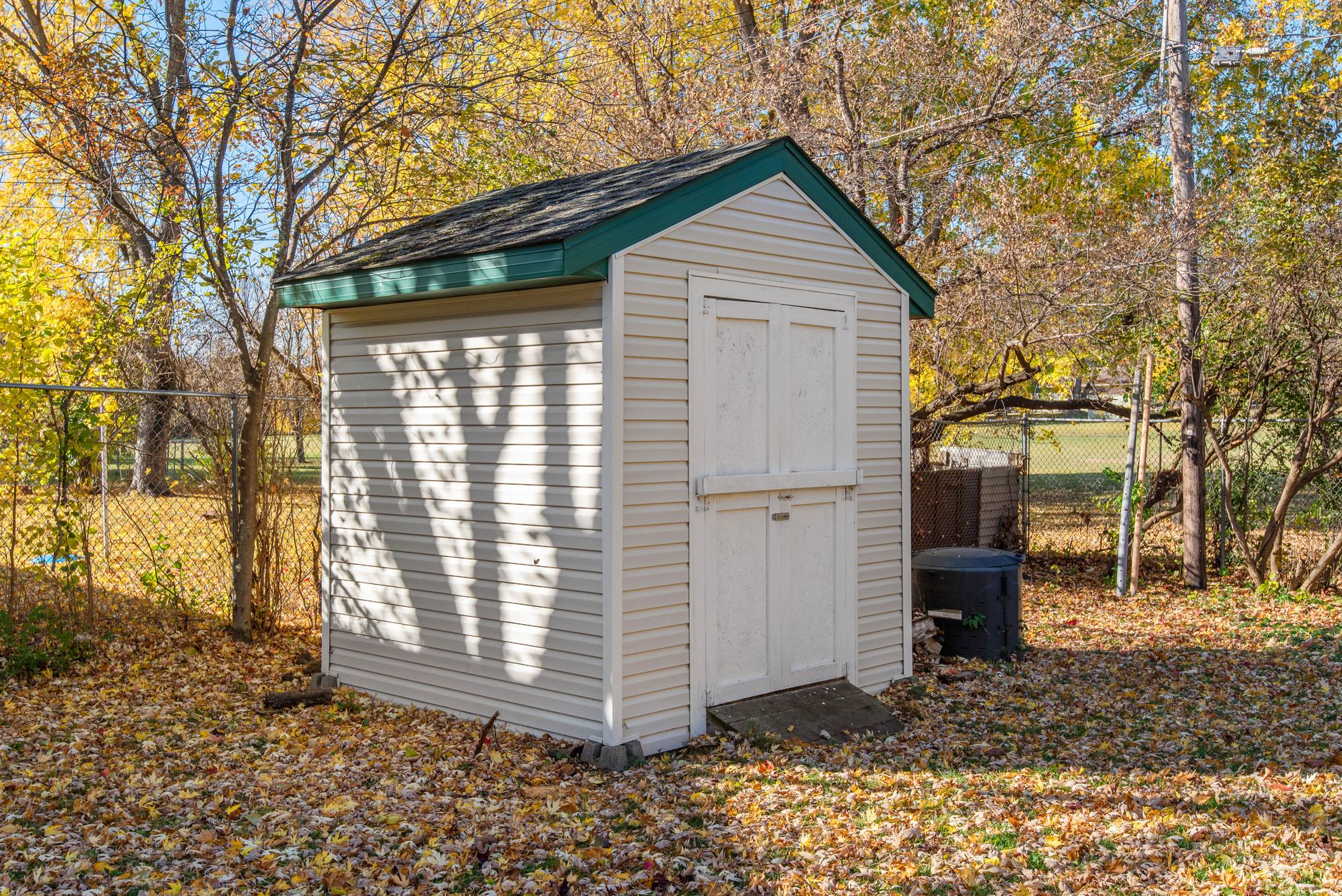
Transform your shed from cluttered storage area into organized, functional space through systematic organization. Assess your items establishing categories and zones. Invest in appropriate shelving and storage solutions suiting your specific needs. Label everything clearly enabling quick access and logical organization. Schedule regular maintenance preventing reversion to disorganization. Your organized shed becomes a valuable space streamlining outdoor living.
