

A garden shed transforms outdoor living by providing essential storage, workspace, and shelter from the elements. Whether you need space for tools, equipment, hobbies, or seasonal items, selecting the right shed requires understanding your specific requirements and available options. Many homeowners struggle with this decision, uncertain about materials, sizes, and features that justify their investment. Understanding fundamental shed characteristics, evaluating space constraints, and assessing your intended use ensures you select a structure serving your needs reliably for years. Quality garden sheds provide weatherproof protection and functional organization transforming cluttered outdoor spaces into orderly, productive areas.
Assessing Your Storage Needs and Space Constraints
Before exploring shed options, honestly evaluate what you’ll store and how much space that requires. Calculate items needing protection—lawn mowers, seasonal decorations, gardening tools, sports equipment, bicycles. Consider whether the shed serves storage exclusively or includes workspace for hobbies like woodworking or potting plants. Measure your available space carefully, accounting for access routes and maintaining clearance from property lines. Many people underestimate space requirements, then find their shed insufficient years later. Most homeowners discover they benefit from larger sheds than initially planned; choosing slightly oversized ensures accommodating future accumulation. Site selection matters equally; locate your shed on level ground with good drainage, away from tree roots and low branches that create maintenance challenges. South-facing positioning captures natural light through windows if installed, reducing interior gloom while providing some natural warmth during cooler months.
Understanding Shed Materials and Construction Quality
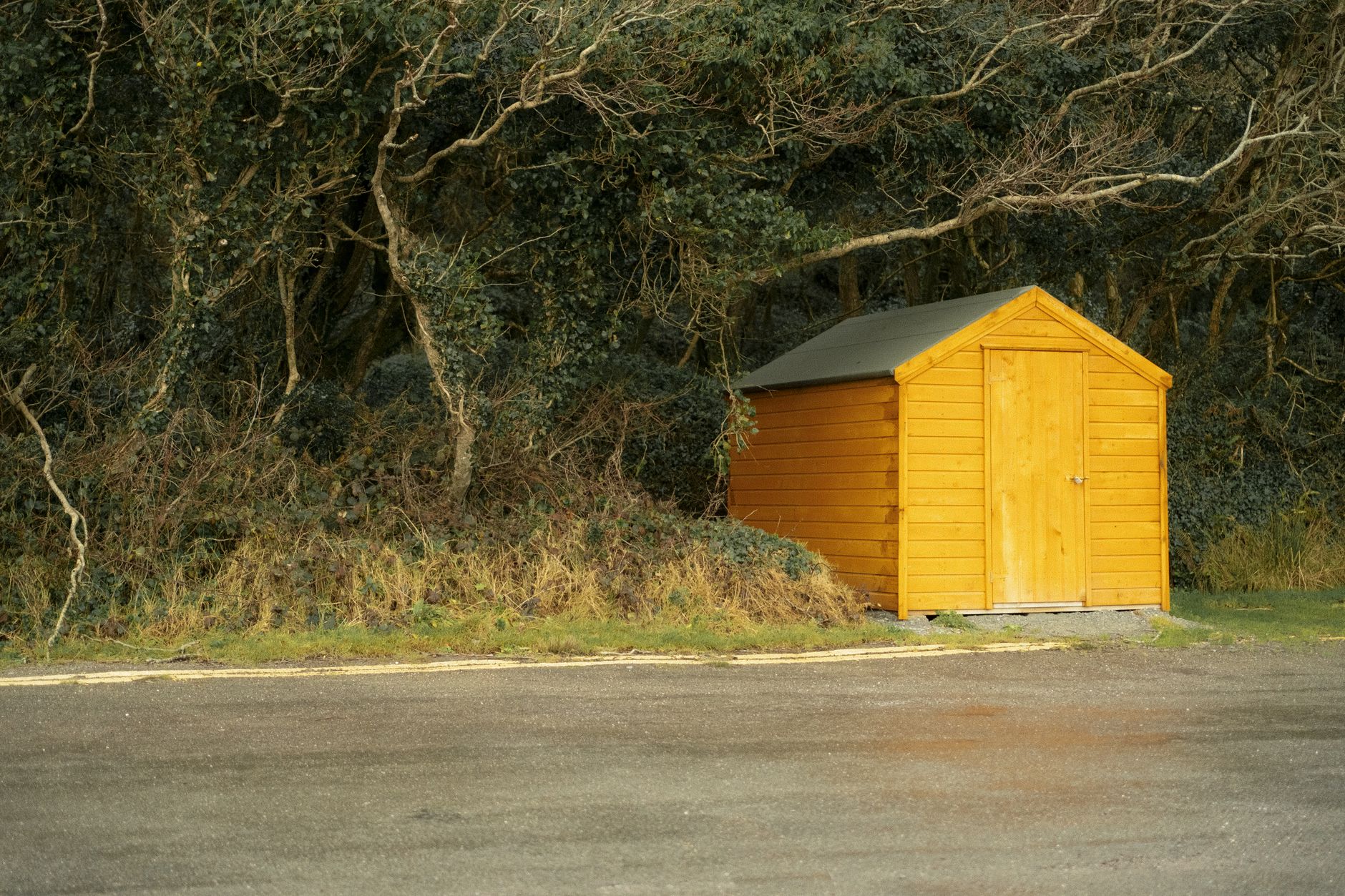
Garden sheds divide into material categories fundamentally affecting durability, maintenance requirements, and aesthetic appeal. Wood sheds offer traditional beauty and charm, blending naturally into garden landscapes. Quality wood construction resists rot and insect damage when properly treated, though wood requires regular maintenance—staining or treating every few years prevents deterioration. Metal sheds provide durability and minimal maintenance, resisting weather extremes and pests without demanding refinishing. Metal construction allows lighter weight making installation simpler, though metal can rust if coatings get damaged and lacks the aesthetic warmth of wood. Plastic or composite sheds require virtually no maintenance, featuring rot-proof materials and simple assembly. Plastic options cost less than comparable wood structures, though some find plastic aesthetics less appealing in garden settings. Durable shed construction ensures decades of reliable protection; selecting quality materials justifies higher initial investment through reduced long-term maintenance costs and superior weather protection.
Shed Styles, Designs, and Aesthetic Considerations
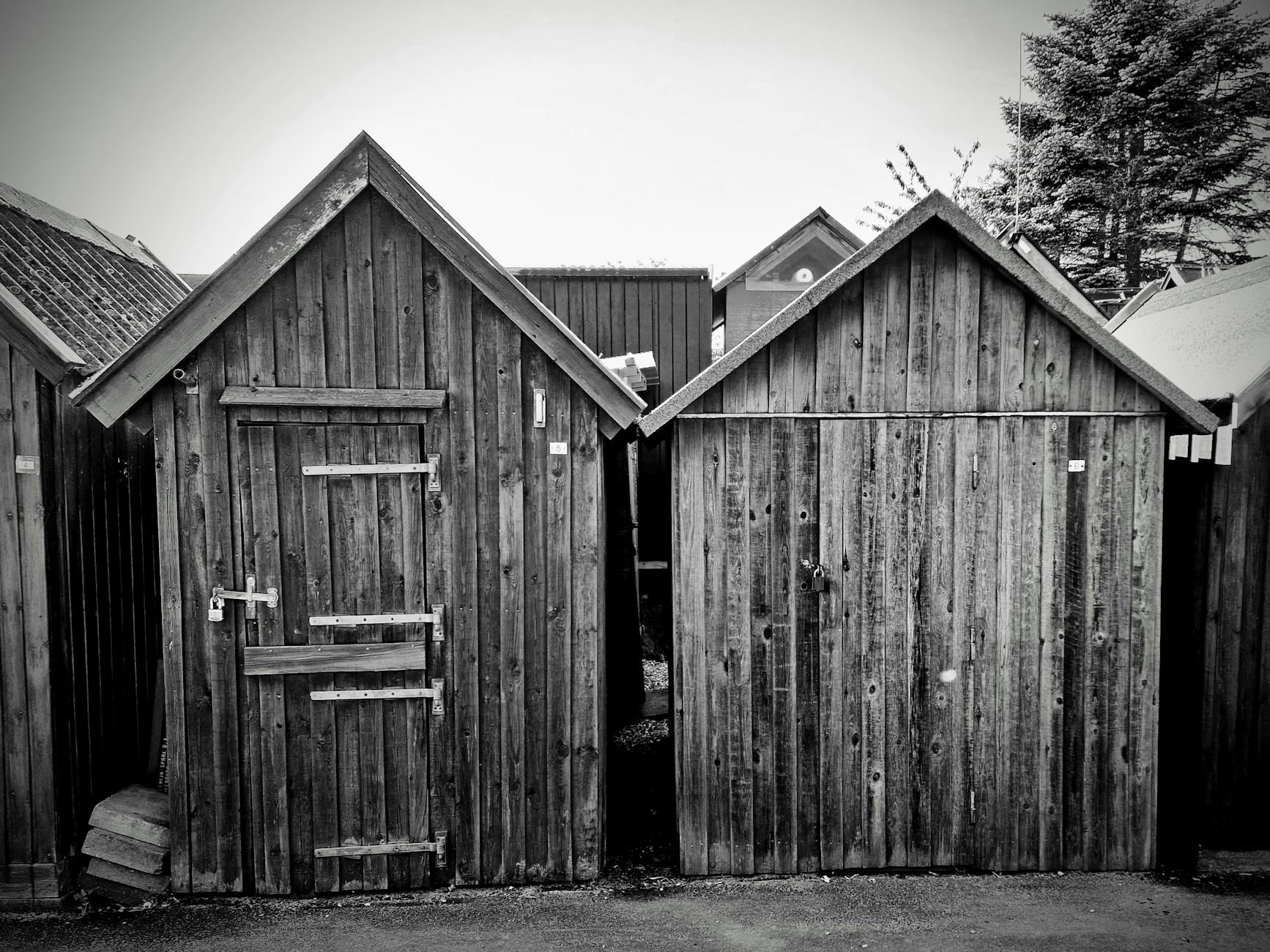
Shed styles range from simple utilitarian designs to attractive structures complementing garden landscapes. Traditional A-frame or pitched-roof designs shed water effectively, maximizing interior headroom at the peak. Lean-to designs attach against existing structures, minimizing footprint while providing functionality. Modern flat-roof designs suit contemporary landscapes, offering clean lines and contemporary aesthetics. Gothic or barn-style roofs add character while providing excellent weather protection and interior space. Consider your garden’s existing aesthetic; your shed should complement rather than clash with surrounding landscaping and home architecture. Ventilation matters significantly; adequate airflow prevents moisture accumulation protecting stored items from mildew and rot. Windows provide natural light reducing dependency on electrical lighting while offering visibility into interior space. Door placement affects usability; wide double doors simplify moving large items while single doors suffice for smaller sheds with modest contents.
Evaluating Essential Features and Upgrades
Beyond basic construction, numerous features enhance functionality and user experience. Shelving and racking systems organize interior space efficiently, separating tools, supplies, and seasonal items preventing disorganization. Workbenches provide dedicated surfaces for hobbies or maintenance tasks, increasing utility beyond simple storage. Guttering and downspouts manage water runoff preventing water pooling around shed foundations. Flooring options range from bare ground to concrete slabs or raised wooden floors; concrete or elevated flooring prevents moisture seepage and pest entry. Windows provide natural light and visibility; translucent roof panels offer economical lighting alternatives. Security features including lockable doors and solid construction protect valuable equipment. Shed upgrades and features enhance functionality; prioritize additions matching your specific needs rather than purchasing unnecessary bells and whistles increasing costs without serving your purposes.
Preparing for Installation and Ongoing Maintenance
Proper installation ensures your shed performs reliably throughout its lifespan. Establish a level base preventing water pooling and structural stress; gravel, concrete, or raised wooden foundations all work effectively. Check local building codes and zoning regulations; some jurisdictions require permits for structures exceeding certain dimensions. Ensure proper clearance from property lines and existing structures; mistakes here create legal complications. Organize a work crew for assembly day; even single-person sheds benefit from extra hands guiding wall sections during construction. Preventative maintenance protects your investment; establish regular inspection routines checking for damage, pest activity, and moisture issues. Address problems promptly before minor issues become major repairs. Seasonal maintenance including roof clearing of debris, gutter cleaning, and foundation inspection ensures longevity. Proper shed installation and maintenance practices guarantee years of dependable service protecting your stored possessions and providing functional outdoor space.
Cost Considerations and Value Assessment
Shed pricing varies dramatically based on size, materials, and features. Small plastic sheds cost under $500, suitable for minimal storage needs. Mid-range wood or metal sheds ($1,000–$3,000) provide excellent value, offering quality construction and meaningful size. Premium structures ($4,000–$8,000+) feature superior materials, finished interiors, and elaborate designs. Rather than minimizing upfront cost, consider lifetime value; durable construction costs more initially but saves money through reduced maintenance. Calculate whether purchasing a larger shed now costs less than adding an extension later. Many homeowners maximize value by selecting properly-sized sheds in quality materials rather than upgrading features that don’t address core needs. Evaluate whether kits requiring assembly save money justifying effort, or whether delivered professional assembly proves worthwhile. Quality sheds provide reliable storage for decades; thoughtful selection ensures satisfaction and prevents future regrets.
Making Your Final Selection
Choose your shed confidently after evaluating your needs, available space, budget, and aesthetic preferences. Review multiple options comparing specifications, customer reviews, and warranty coverage. Consult experienced shed owners discovering what they valued and what they’d change. Visit showrooms examining construction quality firsthand when possible. Ensure the seller offers proper support including assembly guidance and warranty service. Your shed transforms outdoor living; selecting thoughtfully ensures this investment serves your needs reliably throughout its lifespan.
