

Cycling performance and enjoyment depend on far more than a quality bike; proper gear enhances safety, comfort, and capability across varying conditions. Beginners often focus exclusively on bike selection while neglecting supportive equipment that transforms the cycling experience. Inadequate clothing in poor weather, missing safety equipment, or insufficient maintenance tools compromise rides and create unnecessary risks. Conversely, thoughtful gear selection removes obstacles preventing enjoyable cycling, enabling confident exploration of cycling’s diverse possibilities. Building a functional cycling setup doesn’t require exorbitant spending; strategic purchases focusing on essentials provide substantial benefits without premium pricing. Quality cycling gear from leading manufacturers ensures reliability and durability supporting years of consistent use and progressive riding adventures.
Safety Equipment: Helmets, Lights, and Visibility
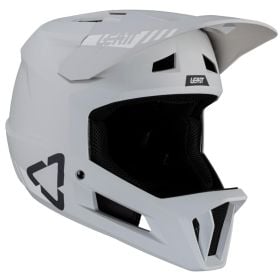
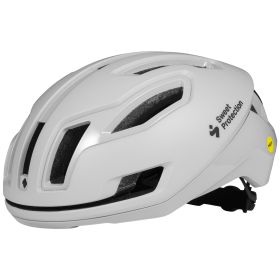
Helmet usage represents non-negotiable cycling safety fundamentals, reducing head injury risk dramatically in crashes. Modern helmets employ foam layers absorbing impact energy and hard shells distributing forces, providing protection in serious accidents. Proper fit ensures helmets remain positioned correctly during impacts; most shops adjust fit freely. Lights improve visibility during dawn, dusk, and night riding, protecting against collisions with vehicles and obstacles. Front lights illuminate road surface revealing hazards, while rear lights alert following traffic to your presence. USB rechargeable options eliminate battery expenses and environmental concerns of disposable batteries. Visibility enhances safety substantially; bright colors, reflective elements, and continuous lighting make riders conspicuous to motorists and pedestrians. High-visibility clothing in fluorescent colors dramatically improves detection, particularly in low-light conditions. Many safety-conscious cyclists wear bright jerseys and reflective vests during commuting and group rides, accepting aesthetic trade-offs for enhanced protection.
Clothing for Comfort in Varying Conditions
Proper cycling clothing regulates temperature, wicks moisture, and enhances comfort during extended riding. Entry cyclists often wear generic athletic clothing, which works adequately but introduces chafing, moisture accumulation, and discomfort limiting enjoyment. Purpose-designed cycling jerseys feature back pockets for carrying essentials, tight fits preventing flapping, and moisture-wicking fabrics maintaining dryness. Padded cycling shorts cushion prolonged saddle contact, preventing discomfort and injury affecting sensitive areas. Base layers for cold weather provide insulation while wicking moisture, preventing dangerous temperature drop. Vests offer layering flexibility without arm restriction for cool-season riding. Gloves protect hands in crashes while providing warmth and reducing vibration transmission from rough roads. Shoe selection affects power transfer and comfort; cycling-specific shoes with stiff soles maximize efficiency while minimizing foot fatigue. Building a clothing wardrobe covering seasonal temperature ranges enables year-round comfortable cycling. Strategic investment in quality base pieces suitable across multiple seasons optimizes value while providing genuine comfort improvements affecting riding frequency and enjoyment.
Navigation and Route Planning Tools
Planning efficient, enjoyable routes enhances cycling experiences while preventing frustrating navigation errors. Smartphone cycling apps like Strava, Komoot, and RideWithGPS provide turn-by-turn navigation, route discovery, and performance tracking. GPS devices dedicated to cycling offer advantages including extended battery life, simpler interfaces, and durability features. Route planning before rides prevents confusion, enables identification of scenic alternatives, and provides motivation through progress visualization. Most apps integrate social features connecting cyclists and facilitating group rides. Digital route planning eliminates paper map inconvenience and enables real-time adjustments based on road conditions or emerging preferences. Fitness tracking features quantify progress, motivate consistent training, and provide data informing future planning. Starting with smartphone apps suffices for most cyclists; dedicated devices benefit serious athletes seeking advanced metrics and navigation features.
Maintenance Tools and Repair Essentials
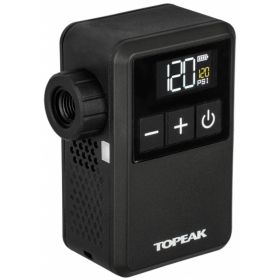
Basic maintenance tools enable quick roadside repairs preventing minor issues from ending rides prematurely. Essential items include spare tubes accommodating your bike’s valve type, tire levers for removing tires during repairs, portable pumps restoring tire pressure, and multi-tools providing various functions. Chain tools, cable cutters, and hex wrenches address common mechanical adjustments. Carrying these basics in a compact bag proves invaluable during rides. Home maintenance tools enable regular cleaning and adjustments extending component lifespan and improving performance. Basic items include degreaser for cleaning chains, brushes for scrubbing grime, and lubricant for smooth operation. Pump selection deserves care; efficient floor pumps dramatically reduce inflation time compared to portable options. Workstand provision simplifies maintenance, though experienced cyclists maintain bikes without stands. Quality maintenance tools and repair kits provide reliability when roadside issues arise, preventing frustration and enabling self-sufficiency.
Hydration and Nutrition Management
Proper hydration and fueling during rides directly affect performance and safety. Water bottle cages mounted on frame provide convenient hydration access during riding; most cyclists use two bottles for extended rides. Hydration packs offer greater capacity for longer adventures but add weight and complexity. Electrolyte drinks replace salts lost through sweating during intense or extended efforts. Nutrition becomes critical during rides exceeding two hours; energy bars, gels, and sports drinks provide convenient calories maintaining blood sugar and preventing bonking. Timing fuel intake before glycogen depletion prevents dramatic performance drops. Most cyclists benefit from eating small amounts frequently rather than attempting large meals during rides. Experimenting with various fuels during training rides identifies personal preferences before important events. Proper hydration and nutrition significantly impact how you feel during and after cycling, directly correlating with enthusiasm for future rides.
Performance Monitoring and Tracking Devices
Cycling computers and power meters quantify performance, track progress, and motivate continued development. Simple computers display speed, distance, and time; more sophisticated units add elevation gain, temperature, and various metrics. Power meters measure watts applied to pedals, providing objective training data and performance benchmarks. Heart rate monitors track cardiovascular effort, guiding training intensity and recovery management. Smartwatches integrate multiple functions including navigation, notifications, and fitness tracking. These devices prove useful for athletes pursuing performance improvement; recreational cyclists enjoying rides without metrics equally benefit from cycling. Data-focused training enables rapid improvement, though technology-independent training equally develops fitness. Selecting devices matches your motivational style; some cyclists thrive with detailed metrics while others prefer disconnected mindfulness during rides.
Building Your Complete Cycling Setup
Effective cycling requires intentional gear selection supporting your specific riding style and environmental conditions. Prioritize safety equipment—helmets, lights, visibility gear—above all else. Select weather-appropriate clothing preventing discomfort and enabling year-round riding. Invest in basic maintenance tools and spare parts preventing rides from ending prematurely. Add performance tracking and navigation tools matching your preferences. Rather than purchasing everything simultaneously, build your setup progressively based on discovered needs through riding experience. Many cyclists maintain relationships with local bike shops providing expert guidance, maintenance services, and genuine community connection. Complete cycling gear collections enable confident, safe, and enjoyable riding across diverse conditions and adventures. Your gear setup evolves with experience; initial modest investments create foundations supporting progressive improvements and expanding cycling possibilities.
