

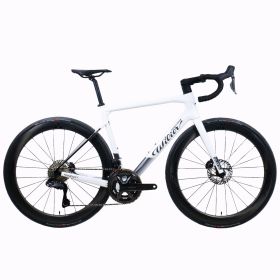
Selecting a road bike represents one of cycling’s most important decisions, directly influencing comfort, performance, and long-term enjoyment. Whether you’re planning weekend recreational rides or preparing for competitive racing, the right bike selection ensures your experience matches your aspirations and abilities. New cyclists often feel overwhelmed navigating the bewildering array of options: carbon versus aluminum frames, electronic versus mechanical shifting, rim versus disc brakes. This complexity, combined with significant financial investment, creates paralysis that delays purchases or results in suboptimal choices. Understanding fundamental components and factors guiding bike selection simplifies the process dramatically, enabling confident decisions aligned with your needs. Quality road bikes from reputable manufacturers provide reliable platforms supporting years of enjoyable riding and progressive skill development.
Understanding Road Bike Categories and Styles
Road bikes divide into several categories, each optimized for specific riding styles and purposes. Endurance road bikes prioritize comfort through relaxed geometry, wider tire clearance, and forgiving frame characteristics, suiting long-distance touring and casual recreational riding. Race bikes feature aggressive geometry positioning riders forward, optimizing aerodynamics and power transfer at the cost of comfort during extended periods. Gravel bikes accommodate wider tires and rougher terrain while maintaining drop bar aesthetics, bridging road and mountain biking experiences. Cyclocross bikes specifically target technical off-road racing and handling. Understanding your primary riding intention—casual weekend rides, century centuries, racing, or mixed-terrain touring—guides initial category selection. Most cyclists benefit from endurance or all-road geometry providing comfort without sacrificing performance. Specialization becomes relevant only when riding experience clarifies personal preferences and intentions.
Frame Materials: Aluminum, Carbon, Steel, and Titanium
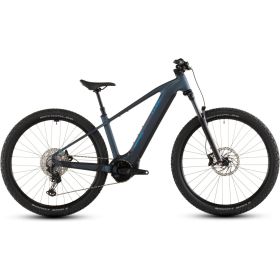
Frame material profoundly impacts bike characteristics including weight, compliance, durability, and cost. Aluminum frames offer excellent value, providing light weight and stiff power transfer at accessible prices. Quality aluminum frames deliver performance exceeding bikes costing significantly more. Carbon fiber frames provide superior ride quality through inherent vibration damping, enabling lighter weight without sacrificing comfort. Carbon’s disadvantages include higher cost, potential fragility from impacts, and repair complexity. Steel frames, historically traditional, provide durability and comfort through natural compliance, though they weigh more than alternatives. Steel requires rust protection but maintains repairability throughout decades of use. Titanium combines steel’s durability with lightness approaching carbon, though astronomical cost restricts titanium to enthusiasts accepting premium pricing. For most cyclists, aluminum or carbon provides optimal balance of performance, durability, and value. Personal budget and intended use guide final selection; no material universally excels across all priorities.
Understanding Frame Sizing and Proper Fit
Proper bike fit fundamentally determines comfort and riding experience; undersized or oversized bikes create discomfort limiting enjoyment and performance. Frame size calculations traditionally used seat tube measurements, though modern manufacturers increasingly use reach and stack measurements more accurately reflecting actual rider position. Reach measures horizontal distance from bottom bracket to top of head tube, determining forward extension. Stack measures vertical distance from bottom bracket to head tube top, determining how low the rider bends. Accurate sizing requires knowing your inseam measurement and testing actual bikes whenever possible. Slight adjustments through stem length and seatpost setback accommodate minor variations, but significant sizing errors require frame changes. Professional bike fitting services optimize saddle height, fore-aft position, and bar reach, improving comfort dramatically for riders experiencing discomfort or seeking performance optimization. Many bike shops offer fitting services; investment in proper fit pays dividends through enhanced comfort and reduced injury risk.
Groupsets and Drivetrain Components
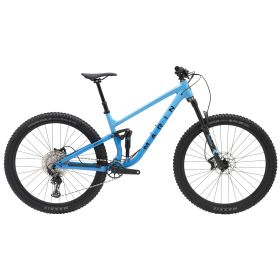
The drivetrain system—shifters, derailleurs, crankset, cassette, and chain—profoundly affects shifting smoothness, reliability, and maintenance requirements. Major groupset manufacturers, primarily Shimano and SRAM, offer tiered options from entry-level to professional-grade. Higher groupsets feature lighter weight, faster shifting, and greater reliability, justified by price premiums only if you cycle extensively. Mid-range groupsets provide exceptional performance suitable for most riders, offering reliability and shifting quality without premium pricing. Mechanical groupsets employ cable-actuated derailleurs, remaining popular for durability and simple maintenance. Electronic groupsets shift faster with greater precision but require battery management and professional servicing. For beginning cyclists, mechanical mid-range groupsets provide optimal value and learning platform. Drivetrain selection involves balancing intended usage, budget, and maintenance preferences rather than pursuing top-tier components unnecessary for recreational cycling.
Wheelsets and Tire Considerations
Wheels dramatically affect handling, acceleration, and rolling resistance. Lighter wheels improve acceleration and climbing performance noticeably, though heavy riders gain less benefit than light ones. Wheel depth—measured in millimeters—affects aerodynamics, wind handling, and weight. Shallow wheels (40-50mm) provide stable handling in crosswinds and lighter weight. Deep wheels (80-120mm) sacrifice some wind stability for aerodynamic benefits benefiting racing applications. Tire selection involves width, tread pattern, and pressure considerations. Wider tires (28-32mm) provide greater comfort and traction than traditional 23mm widths, now standard across most modern road bikes. Higher quality tires use better rubber compounds and construction techniques, improving grip, durability, and rolling resistance noticeably. Premium wheelsets and tires significantly improve ride quality and performance; reasonable investment here yields substantial improvements compared to equivalent expenditure on drivetrain upgrades.
Budget Considerations and Value Optimization
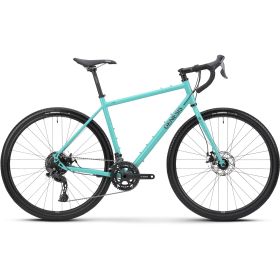
Road bike pricing ranges dramatically, from entry-level options under $500 to professional machines exceeding $10,000. Entry-level bikes provide functional platforms suitable for fitness riding and casual recreational use. Mid-range bikes ($1,500–$3,000) represent optimal value for most cyclists, offering reliable performance without premium pricing for marginal improvements. High-end bikes ($4,000–$8,000) target competitive cyclists justifying premium components and materials through extensive usage. Professional-grade bikes exceed performance plateaus accessible to most recreational riders. Rather than maximizing initial bike budget, consider purchasing moderately-priced bikes allowing experimentation with cycling before committing substantial resources. Upgradeable components—shifting systems, wheelsets, tires—enable progressive performance improvements without full frame replacement. Many cyclists ride satisfying cycling careers on modestly-priced bikes through thoughtful component upgrades matching evolving preferences.
Testing and Final Selection Process
Physical testing on candidate bikes provides invaluable information no specification sheet communicates. Most bike shops allow test rides; serious buyers should ride multiple bikes in target categories before deciding. Pay attention to handling characteristics, comfort during extended pedaling, and how the bike responds to your power input. Assess braking modulation, shifting feel, and general ride quality. Consider feedback from experienced cyclists and online reviews, though personal preference ultimately matters most. Once narrowing choices to finalists, consult local bike shop staff about warranty coverage, available service, and spare parts availability. Quality road bikes from trusted manufacturers ensure long-term satisfaction and reliable performance through years of enjoyable riding. Trust your experience during testing, balance research with practical testing, and select confidently knowing no single bike perfects all priorities.
