


Artificial Intelligence (AI) has emerged as a disruptive force that is reshaping industries across the globe. With its ability to analyze vast amounts of data, learn from patterns, and make autonomous decisions, AI technologies are automating tasks that were previously performed by humans. While this technological revolution brings numerous benefits, it also raises concerns about job displacement. In this blog post, we will delve into the impact of AI on job automation, examining how various industries are being transformed, the potential for job displacement, and the critical need for upskilling and reskilling.
Transforming Industries with AI
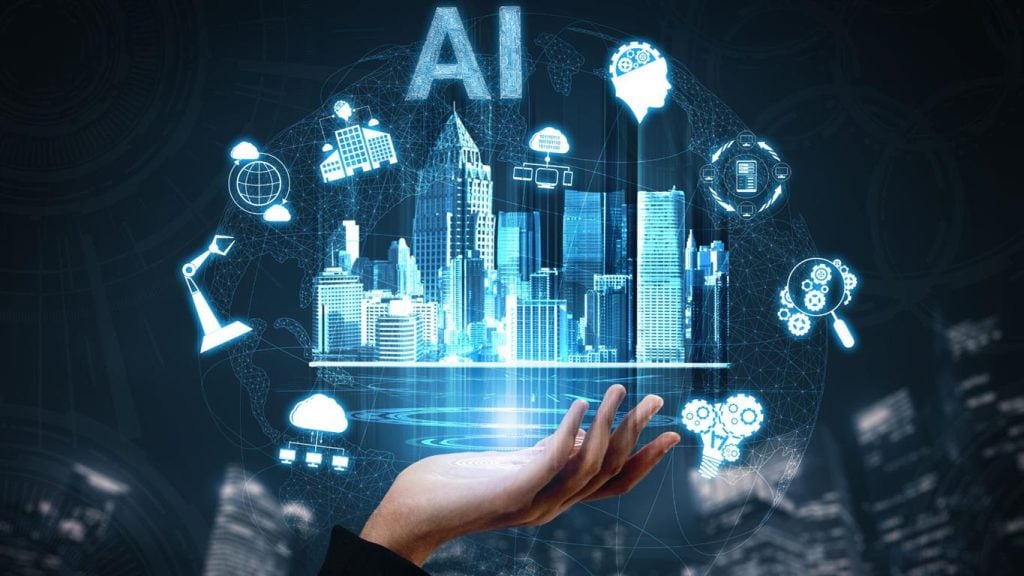
Artificial intelligence has permeated a wide range of industries, revolutionizing the way work is done. From healthcare and finance to manufacturing and transportation, AI technologies are streamlining processes, increasing efficiency, and enabling organizations to make data-driven decisions. Let’s explore a few sectors that have experienced significant transformations:
a. Healthcare: AI-powered diagnostic systems can analyze medical images, detect diseases, and assist doctors in making accurate diagnoses. Additionally, virtual health assistants and chatbots are enhancing patient care by providing personalized support and answering common medical queries.
b. Finance: AI algorithms are transforming financial services by automating tasks such as fraud detection, credit scoring, and portfolio management. Intelligent trading systems leverage machine learning to analyze market trends and make investment decisions in real-time.
c. Manufacturing: AI-driven automation is revolutionizing the manufacturing industry with robotics and smart machines. These systems can handle complex assembly tasks, monitor quality control, and optimize production schedules, leading to increased productivity and reduced costs.
d. Transportation: Self-driving cars and trucks are becoming a reality, thanks to AI technologies. Autonomous vehicles have the potential to enhance road safety, reduce traffic congestion, and improve transportation logistics.
Job Displacement and the Rise of AI

The rapid adoption of AI technologies has sparked concerns about job displacement. As AI systems take over routine and repetitive tasks, there is a potential for certain job roles to become obsolete. Occupations that involve manual labor, data entry, or routine decision-making are particularly vulnerable. However, it is important to note that while AI may replace certain jobs, it also creates new opportunities.
a. Routine Tasks: AI excels at automating routine tasks, such as data analysis, customer support, and administrative duties. As a result, jobs that heavily rely on these tasks might experience a decline in demand.
b. Cognitive Tasks: AI’s ability to process vast amounts of information and derive insights challenges certain cognitive job roles. For example, AI-powered algorithms can analyze legal documents, reducing the need for extensive manual review by legal professionals.
c. New Job Roles: While AI may displace certain jobs, it also creates new roles that require human expertise. These include AI system developers, trainers, and maintainers, as well as jobs in ethical AI governance and policy-making.
Upskilling and Reskilling for the AI Era

To adapt to the changing job landscape shaped by AI, upskilling and reskilling initiatives are crucial. Organizations and individuals must invest in acquiring new skills to remain relevant and take advantage of emerging opportunities. Here’s why upskilling and reskilling are essential:
a. Continuous Learning: AI technologies are constantly evolving, and staying updated with the latest advancements is vital. By investing in continuous learning, professionals can remain competitive and harness the potential of AI in their respective fields.
b. Skill Enhancement: Upskilling allows individuals to enhance their existing skill sets to align with the demands of AI-driven industries. For example, employees can develop expertise in data analysis, machine learning, or AI programming, enabling them to work on developing and maintaining AI systems or leveraging AI tools in their roles.
c. Job Transition: Reskilling empowers individuals to switch to new job roles that are emerging due to AI technologies. By acquiring relevant skills, workers can transition into positions that require higher-level decision-making, creativity, or human interaction, which are areas where AI currently lacks capabilities.
d. Ethical Considerations: As AI technologies advance, ethical implications and responsible AI practices become increasingly important. Upskilling and reskilling initiatives should also focus on educating professionals about ethical AI principles, ensuring the responsible development and deployment of AI systems.
Collaborative Workforce: Humans and AI Together

It is essential to recognize that AI technologies are not here to replace humans but to augment their capabilities. The future of work lies in collaborative efforts between humans and AI systems. By leveraging AI tools and technologies, workers can offload repetitive tasks and focus on activities that require human judgment, creativity, empathy, and problem-solving skills.
a. Human-Machine Collaboration: AI can serve as a powerful assistant, supporting humans in their work. For example, AI-powered chatbots can handle routine customer queries, allowing human agents to engage in more complex problem-solving or personal interactions.
b. Enhanced Decision-Making: AI systems can process vast amounts of data and provide insights to inform human decision-making. By leveraging AI-driven analytics and predictions, professionals can make more informed choices and achieve better outcomes.
c. Adaptability and Agility: Upskilling and reskilling enable individuals to be adaptable in the face of technological advancements. By embracing AI technologies and learning to work alongside them, workers can navigate evolving job requirements and seize new opportunities.
The impact of artificial intelligence on job automation is reshaping industries, with both positive and potentially disruptive consequences. While AI technologies have the potential to displace certain job roles, they also create new opportunities that demand human skills and expertise. The key lies in embracing upskilling and reskilling initiatives to equip individuals with the knowledge and capabilities necessary to thrive in the AI era.
By investing in continuous learning, enhancing existing skills, and transitioning to new roles, individuals can adapt to the changing job landscape. Collaborative efforts between humans and AI systems will be crucial, with AI serving as a powerful tool to augment human capabilities rather than replace them. As we move forward, it is vital to prioritize ethical considerations and responsible AI practices to ensure a future where AI benefits both individuals and society as a whole.