

A single pocket-sized device that replaces a drawer of remotes and a wallet of access cards sounds like a stretch, yet that is exactly the premise behind Flipper Zero remote control functionality. Instead of juggling separate controllers for every appliance and every door, a single tool captures signals and stores credentials in one place. The result is a compact gadget built for people who are tired of clutter and curious about how their devices actually talk to each other.
What Flipper Zero Does as a Universal Remote
Flipper Zero is a portable multi-tool built around an ultra low power STM32 MCU, designed for daily exploring of access control systems and radio protocols. It is fully open source and customizable, which means its behavior is not locked behind a closed system. At home, the device replaces a drawer full of remotes and stores every access card a person can carry, putting every signal within reach from one pocket-sized unit.
Because it is completely autonomous, Flipper Zero remote control operation does not require a phone or a computer nearby. A five-button directional pad handles the main menu and everyday functions on its own. For deeper control or firmware updates, it can also connect over USB-C or Bluetooth.
Replacing Multiple Remotes with Flipper Zero’s Radio Capture
Most households accumulate a separate remote for the television, the air conditioner, the garage door, the projector, and the sound system. Flipper Zero stores and replaces them all, consolidating every signal into a single interface. That consolidation is the core of its appeal as an everyday remote control rather than a niche gadget for specialists.
This capability rests on capturing and replaying wireless signals, a feature the brand lists explicitly among its everyday uses. For tech enthusiasts, that same function doubles as a way to learn how everyday devices communicate over radio. The practical upshot for a household is fewer plastic remotes scattered across a coffee table.
Storing and Managing Access Cards with RFID and NFC
Beyond infrared and radio remotes, the device reads NFC tags and RFID cards, which covers a large share of building access systems. This lets a single unit act as a backup key fob for an apartment or office building. Reading, storing, and recalling these credentials is handled from the same interface used for remote signals.
For tinkerers and developers, this extends further into RFID badge cloning and access control testing, alongside protocol analysis and RF signal mapping. Flipper Zero makes these normally invisible wireless signals visible and tangible, according to the brand, without requiring coding or prior experience. That accessibility is part of why the device appeals both to casual household use and to more technical experimentation.
The Monochrome LCD Display and Five-Button Interface
Flipper Zero uses a 1.4 inch monochrome LCD display at 128×64 pixels, chosen deliberately over a TFT, IPS, or OLED screen. It is ultra-low power and sunlight-readable, which keeps the interface usable outdoors. Navigation runs through the five-button directional pad, a back button, and a status LED, so no touchscreen gestures are needed.
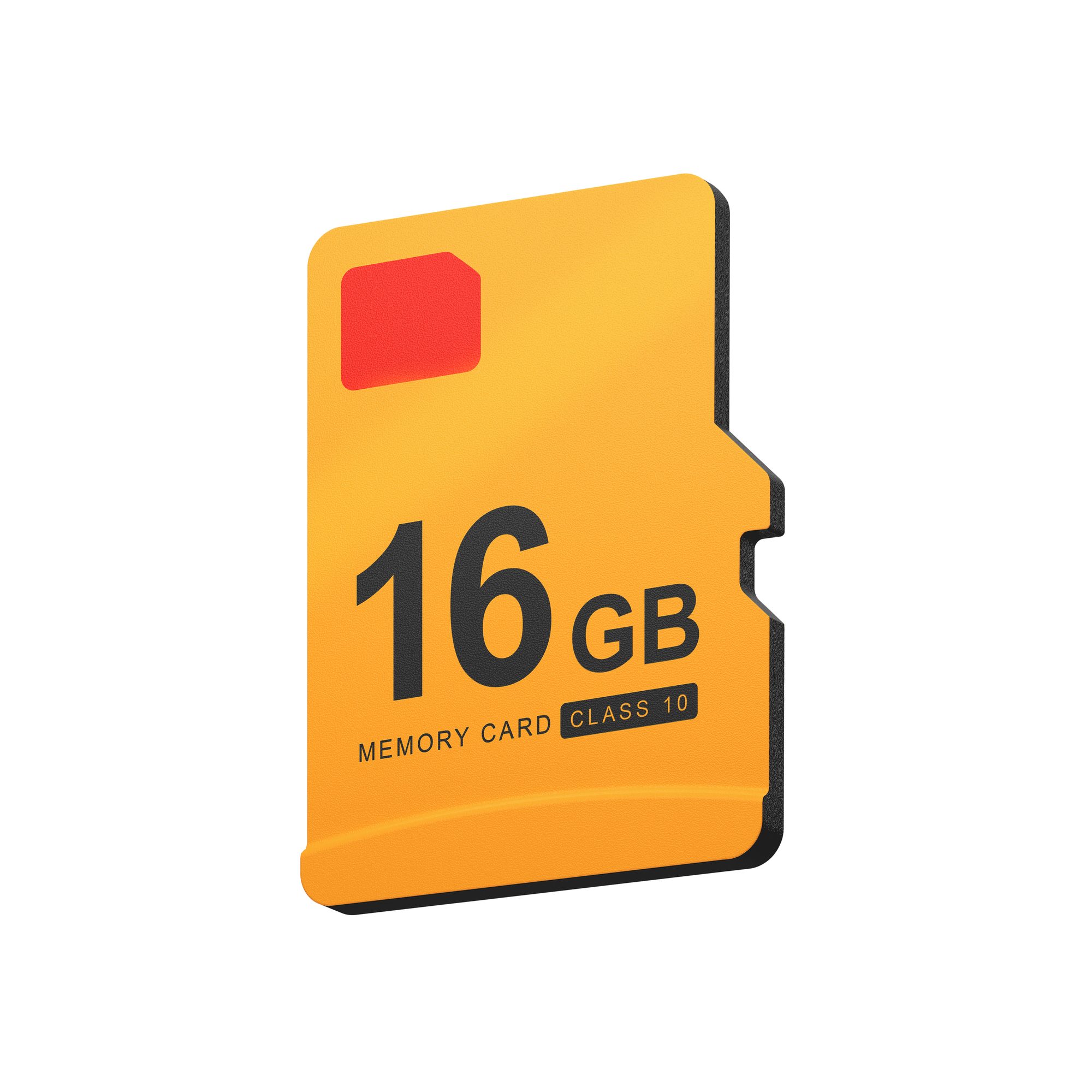
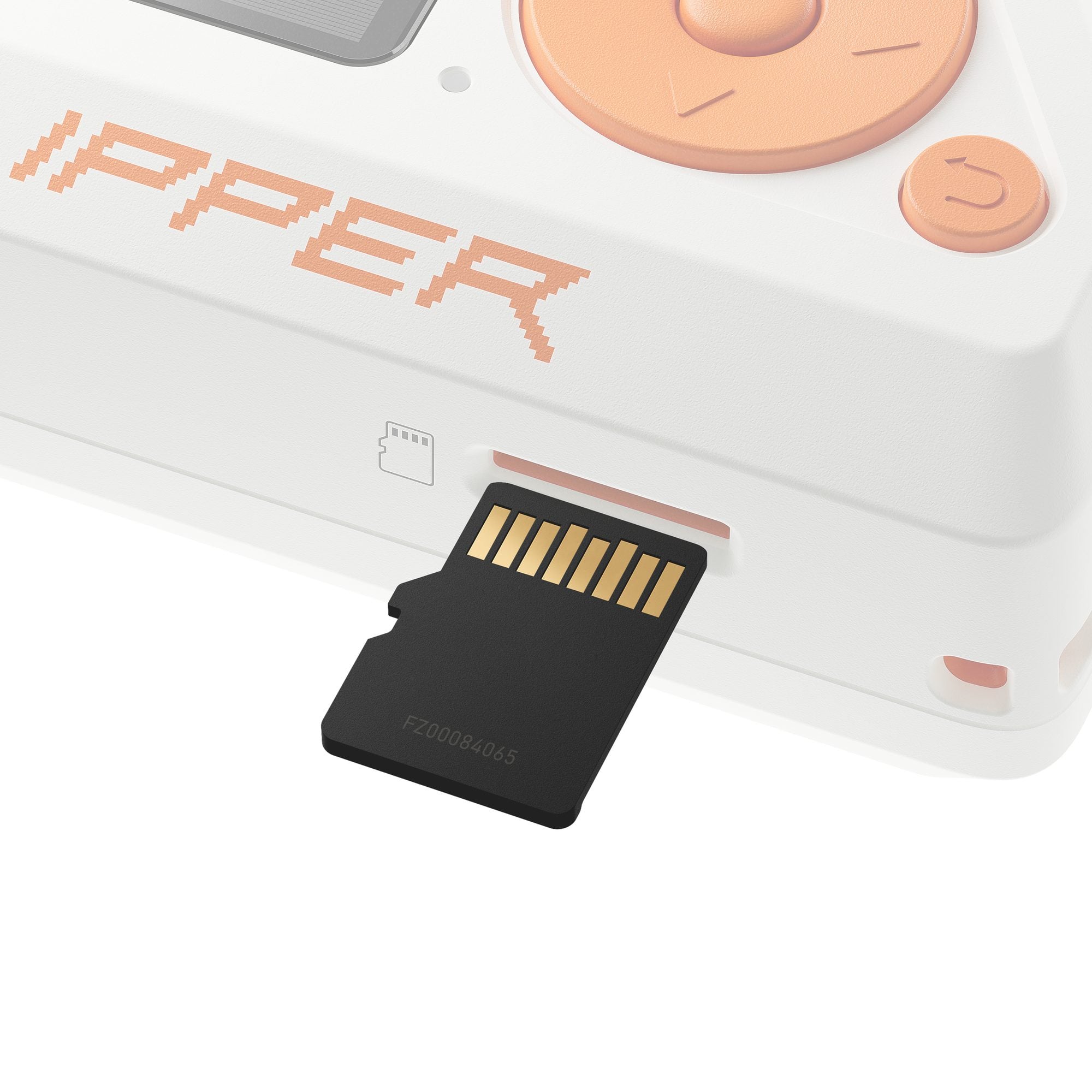
This old-school display choice fits the toy-like, almost gamified character the brand describes. A microSD card slot, a lanyard loop, and GPIO pins round out the physical design. The device requires a microSD card to operate, and the brand sells a 16GB Kodak card listed as guaranteed compatible.
Expanding Flipper Zero with Accessories and Modules
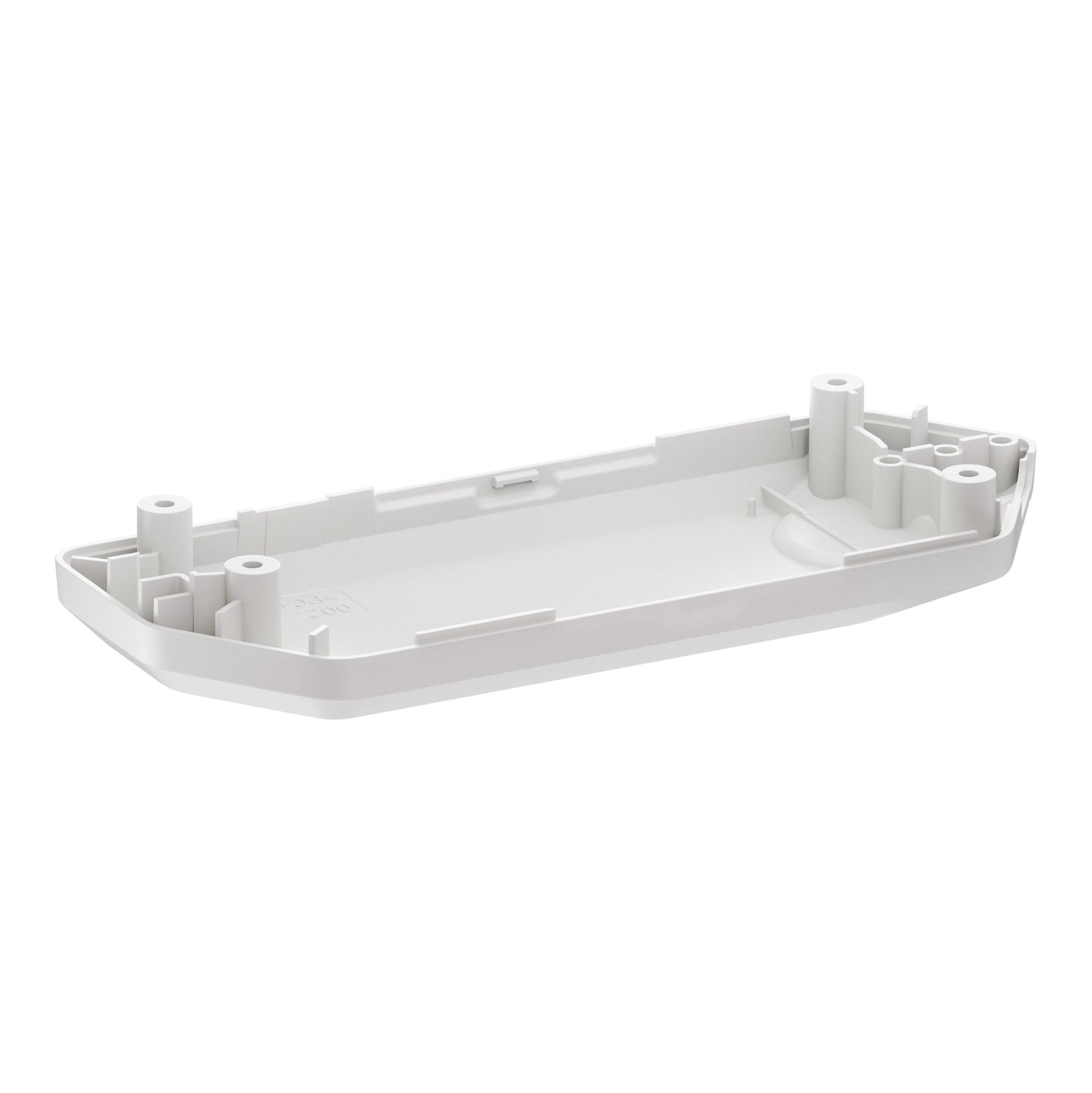
The hardware is designed to be opened up rather than sealed shut. Repair parts are sold individually, including a bottom case, a top case with the screen and IR window already attached, and a separate display module for replacing a damaged screen. A teardown guide and a display replacement guide accompany these parts, since basic soldering skills are needed for some repairs.
On the accessory side, a Video Game Module adds a Raspberry Pi RP2040 microcontroller, video output for display on a television, a motion sensor with an open API, a 14-pin GPIO port for DIY expansion, and a USB-C port for PC communication and firmware updates. It can also run as a standalone device and ships with open-source firmware and schematics. Screen protectors are available as well, for everyday protection of the display.
- Televisions, projectors, and stereo systems typically each have their own infrared remote that the device can capture and store.
- Air conditioners often use proprietary infrared codes that add to the pile of remotes in a household drawer.
- Smart lighting systems frequently rely on radio or infrared signals that fall within the same capture capability.
- Garage doors and gates commonly use sub-GHz radio signals that can be captured and replayed.
- Building access cards based on RFID or NFC can be read and stored as a backup key fob.
Open-Source Customization for Home Automation
Flipper Zero ships with 100% open-source firmware, a detail the brand highlights alongside figures like over 1M units shipped worldwide and more than 50,000 GitHub stars on its repositories. That openness means the device’s capabilities are not fixed at the factory. Enthusiasts and developers can build custom scripts, a process the brand says rewards the deeper a person goes into it.
For home automation specifically, this translates into a device that keeps pace with new protocols rather than becoming obsolete once a single remote fails. The emphasis throughout the brand’s own materials is on everyday convenience paired with a toy-like, approachable design. That combination is what distinguishes a universal Flipper Zero remote control setup from a simple universal remote bought off a shelf.
Closing Thought
A single open-source tool that absorbs remotes, access cards, and radio curiosity in equal measure is an unusual mix for a pocket-sized gadget. It is this range, from tidying a coffee table to probing how a garage door actually listens for its signal, that keeps the device relevant well beyond its first use.