


Shopping across borders often means juggling several storefronts, several tracking numbers, and several shipping bills that arrive at different times. International package consolidation addresses that problem directly by gathering purchases in one place before they travel as a single shipment. CAINIAO built its platform around this idea, aiming to simplify how orders move between Asian-Pacific markets and the rest of the world.
What Is Package Consolidation and Why It Matters for Cross-Border Shoppers
Package consolidation refers to combining multiple purchases, often from different sellers or platforms, into one outgoing parcel. Instead of paying separate shipping fees for each order, a shopper pays once for a bundled shipment. This matters most for cross-border purchases, where each individual parcel can carry its own customs paperwork, handling fee, and delivery timeline.
For anyone buying from several stores at once, that complexity adds up quickly. International package consolidation reduces the number of moving parts by routing everything through a single warehouse step before final dispatch. The result is fewer parcels to track and, typically, a simpler customs process.
How CAINIAO Consolidates Orders from Multiple Platforms
CAINIAO works by linking to various online marketplaces and pulling order details into one account. Once items arrive at a designated warehouse, they get grouped by destination and shipped together rather than separately. This approach is what makes international package consolidation practical for shoppers who routinely buy from more than one platform.
Because the system handles the matching and grouping automatically, there is less manual coordination required between different sellers. Orders placed on unrelated platforms can still end up in the same outgoing shipment, provided they reach the warehouse within the same handling window. That structure is the core of what CAINIAO offers as a consolidation service.
CAINIAO’s Coverage Across China, Hong Kong, Singapore, Malaysia, and Australia
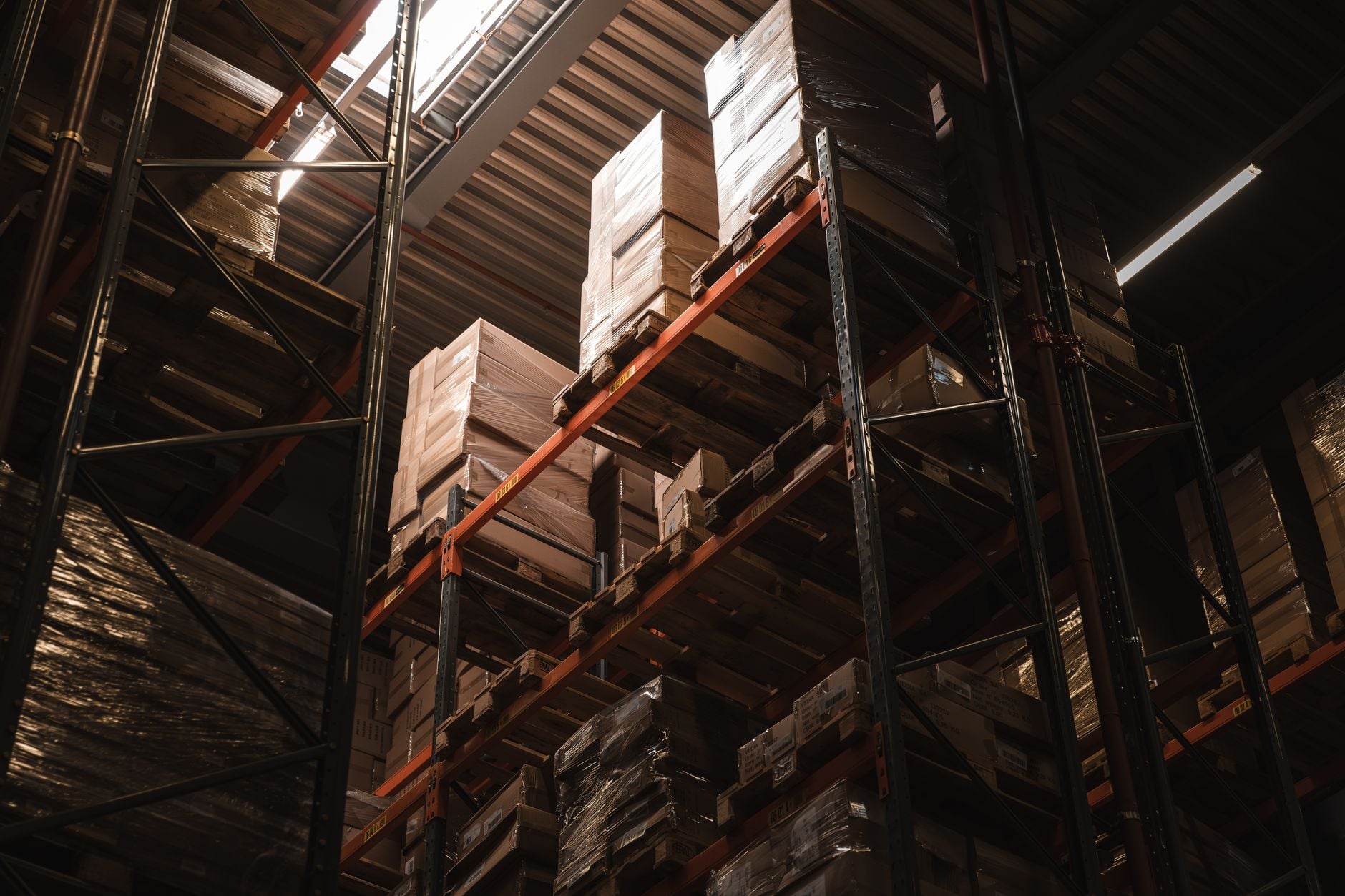
CAINIAO‘s warehouse network spans mainland China, Hong Kong, Singapore, Malaysia, and Australia. This spread of locations allows shoppers in or near those markets to route purchases through a regional hub rather than relying on a single origin point. It also means sellers based in different countries within that network can feed into the same consolidation flow.
Coverage across five markets gives the platform flexibility that a single-warehouse service cannot match. A shopper buying from sellers in China and Singapore, for example, can have both shipments meet at a common point before the final international leg. That reduces the number of separate international shipments a buyer would otherwise need to arrange.
Automatic Order Import and Warehouse Management Features
One of the more practical aspects of the platform is automatic order import. Rather than entering tracking numbers manually for every purchase, the system pulls order information directly once a purchase is linked to the account. This cuts down on administrative work, particularly for buyers managing several orders in the same week.
Warehouse management tools then take over once goods physically arrive. Items get logged, checked, and held until the shopper decides to combine them into an outgoing shipment. This gives some control over timing, since a shipment can wait for additional purchases rather than going out immediately after the first item lands.
Shipping Protection: Loss and Damage Guarantees
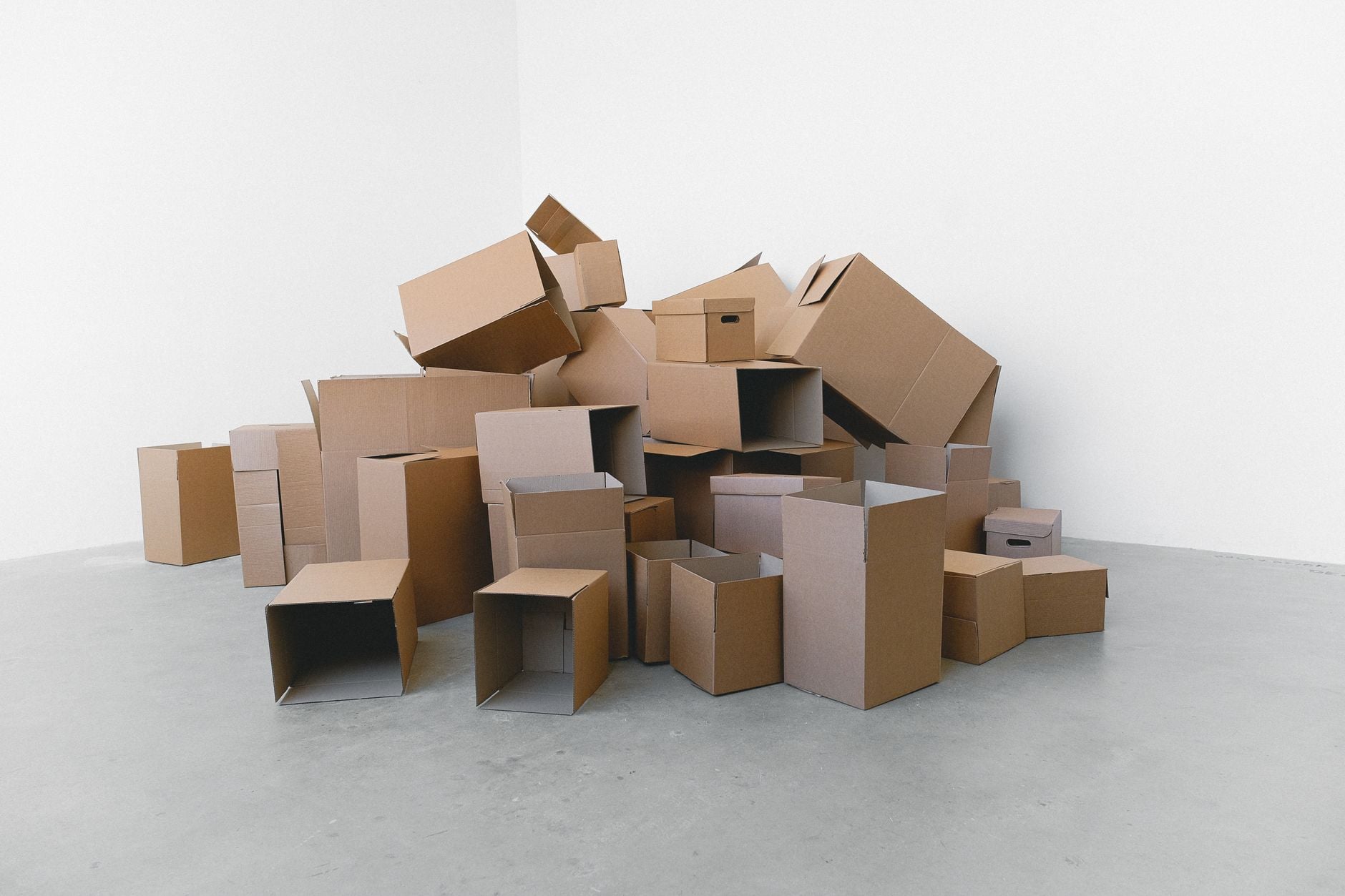
Cross-border shipments carry more handling steps than domestic ones, which raises the chance of damage or loss somewhere along the route. CAINIAO addresses this with shipping protection that covers both scenarios. This gives shoppers a form of recourse if a consolidated parcel does not arrive as expected.
Shipping protection is particularly relevant for consolidated shipments, since several individual orders are now travelling inside one package. A single mishandled parcel could otherwise affect multiple purchases at once. Having loss and damage guarantees attached to the whole shipment offers a layer of reassurance that matches the scale of what is being moved.
Station Pickup Options and Delivery Flexibility
Beyond warehouse consolidation, the platform also offers station pickup as an alternative to home delivery. This can suit buyers who prefer collecting parcels at a convenient location rather than waiting for a courier. It also gives some flexibility around scheduling, since pickup windows do not always depend on someone being home.
Delivery flexibility extends to how final-mile handling is arranged once a consolidated shipment reaches its destination country. Depending on the market, recipients may be able to choose between direct delivery and a nearby pickup point. That choice adds a layer of convenience on top of the consolidation process itself.
- Automatic order import pulls purchase details from linked platforms without manual entry.
- Warehouse staff log and hold items until a shopper chooses to merge them into one shipment.
- Shipments can wait for additional purchases instead of departing after a single item arrives.
- Coverage across five markets allows orders from different countries to meet at a shared hub.
- Shipping protection covers both loss and damage on consolidated parcels.
- Station pickup offers an alternative to waiting for home delivery.
Taken together, these features show why international package consolidation functions differently from standard international shipping. A standard shipment usually moves one order at a time, with its own paperwork and its own fee. Consolidation groups several such orders under one process, which is the structural difference that defines the category.
Shoppers considering CAINIAO for this purpose can review the current consolidation options through the official offer page linked throughout this article.
Cross-border shopping continues to grow more complex as buyers spread purchases across more platforms. Consolidation, in whatever form it takes, remains one of the more direct ways to keep that complexity manageable.