

A home often has to support more than one activity in the same room. A living area may also need to host overnight guests, a dining space may double as a work zone and a spare room may need to function as both an office and a bedroom. Good furniture planning makes those changes easier without filling every corner. Furniture123 carries furniture for living rooms, bedrooms, dining areas, offices and other parts of the home, making it possible to compare pieces according to how each room is actually used.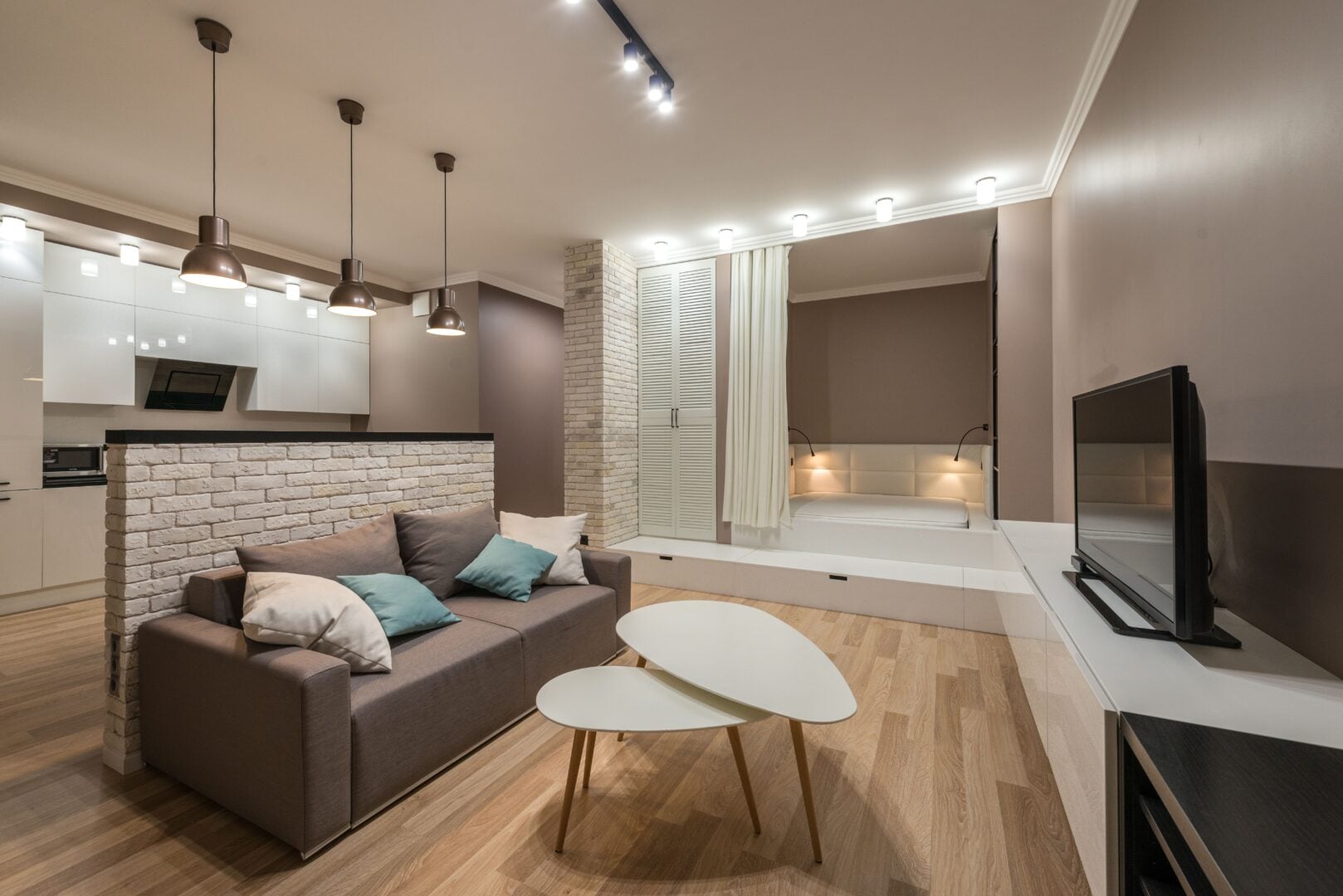
The most effective approach begins with dimensions, movement and daily routines rather than appearance alone. A well-furnished room does not necessarily contain more furniture. It contains the right pieces in proportions that allow the space to remain comfortable, practical and easy to adapt.
Start with the room before choosing furniture
The first decision should be based on usable floor space. A piece can look appropriately sized online yet still feel oversized once doors, walkways and existing furniture are considered. Measuring the room is only the beginning. Radiators, sockets, windows and door swings can all influence where a sofa, table or bed can sit comfortably.
Circulation matters particularly in compact homes. Furniture should not force people to squeeze between pieces or move chairs every time someone crosses the room. Clear routes through the main living areas usually make a space feel calmer and more open.
A simple floor plan can also reveal where multifunctional furniture makes more sense than several separate items. A sofa bed, for example, can provide everyday seating while creating temporary sleeping space when required. Furniture123 lists sofa beds in several formats, including compact designs, corner models and options with integrated storage.
Dining furniture benefits from the same thinking. A large fixed table may dominate a modest room, while a drop-leaf or extendable table can remain compact during ordinary use and provide additional surface area when more people are present. Furniture123 offers dining tables and sets across different shapes, sizes and space-saving configurations.
Choose pieces that solve more than one problem
Multifunctional furniture is most useful when every function has a genuine purpose. A sofa bed should still be comfortable enough for regular sitting. A storage bed should provide useful capacity without making access difficult. An extendable dining table should remain practical even when it is used in its smallest form.
Several details help determine whether a piece will remain useful over time.
- Dimensions should be checked in both closed and extended positions when furniture changes shape.
- Storage compartments should be accessible without moving several other pieces first.
- Upholstery and finishes should suit the level of everyday use the room receives.
- Assembly requirements should be considered before large furniture needs to pass through narrow halls or stairways.
Guest rooms are another area where flexible furniture can make a noticeable difference. A room that is used only occasionally for visitors does not always require a permanent large bed if that floor space is needed for another purpose most of the time.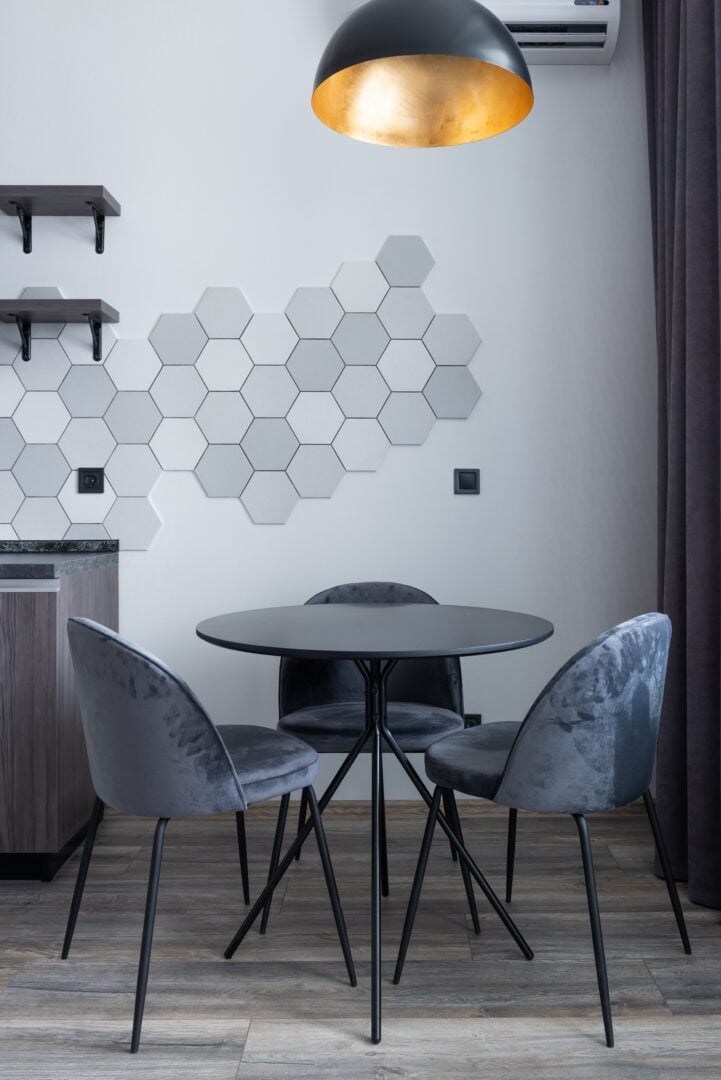
Day beds and pull-out designs can provide an alternative, especially in spaces that also function as studies or hobby rooms. Furniture123 describes day beds as furniture that can combine daytime seating, sleeping space and sometimes storage underneath.
The same principle applies throughout the home. Pieces that can adapt to changing routines often reduce the need to add more furniture later.
Build visual consistency without matching everything
A flexible home still needs to feel intentional. Matching every item exactly is unnecessary. In many rooms, repeating a material, colour family or shape is enough to create a visual connection between separate pieces.
A dining area with warm timber tones can relate to the living room through wooden legs or shelving even when the furniture belongs to different collections. Neutral upholstery can make it easier to introduce stronger colours through smaller items that are less expensive and easier to replace.
Scale also deserves attention. A deep, substantial sofa paired with extremely delicate tables may feel unbalanced. Several bulky pieces grouped together can have the opposite problem and make a moderate room feel crowded.
Furniture123 carries furniture across living, dining, bedroom and office categories, giving households the option to compare different materials and proportions while keeping a broader interior scheme in mind.
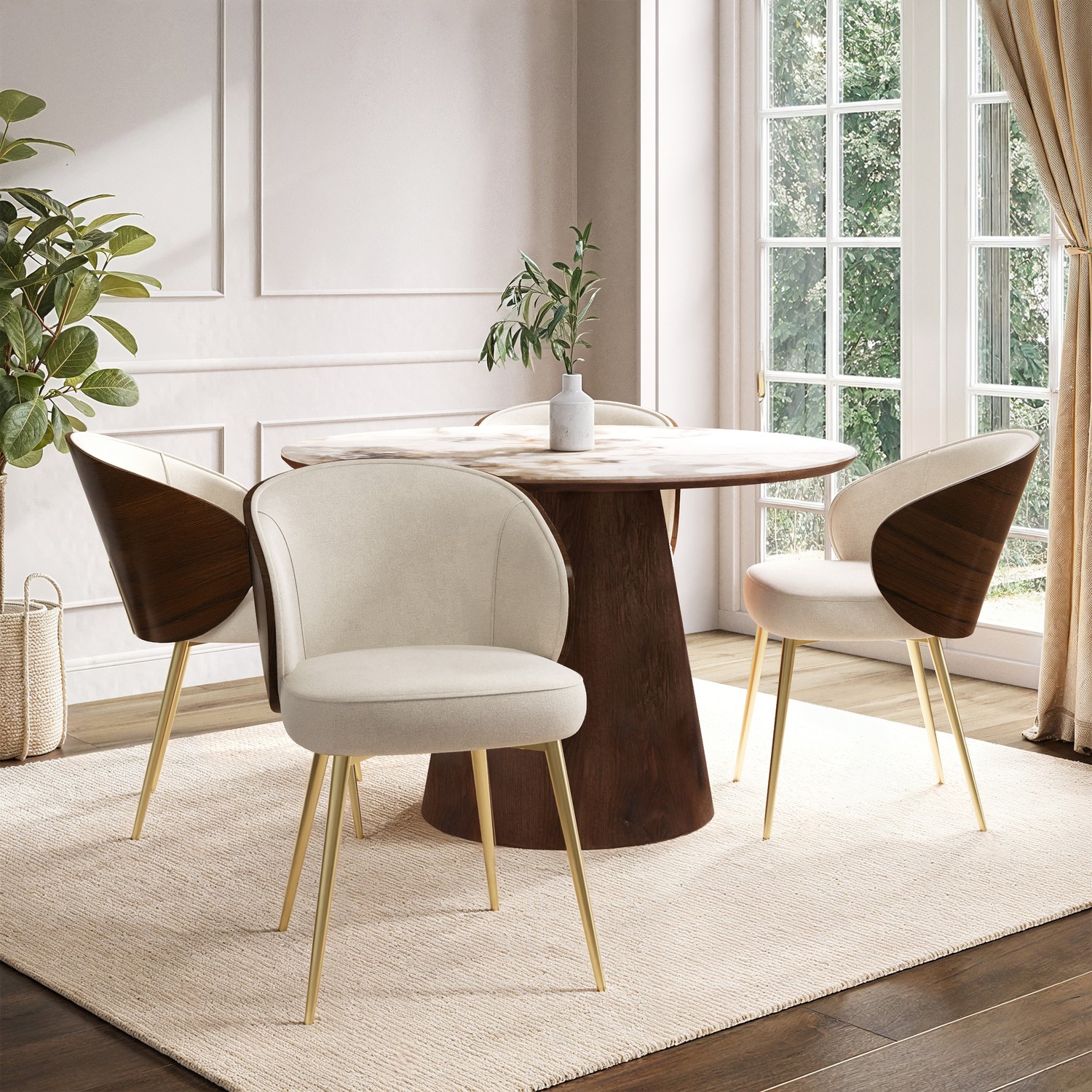
Dining tables are especially important in open-plan homes because several zones may be visible at once. Round tables can soften compact layouts while rectangular designs often suit longer rooms. Extendable tables can preserve more open floor space during everyday use and expand when additional seating is needed.
Material also changes how visually heavy a table appears. Solid wood can create warmth and presence while glass can produce a lighter impression. Marble-effect surfaces can introduce a more decorative finish without requiring genuine stone. The correct choice depends on the surrounding furniture, maintenance expectations and the way the room is used.
Leave enough room for the home to change
Good furniture planning should allow for changes in how a household uses its rooms. A home office may later become a guest room, nursery or study. A dining area may eventually need more seating. A living room may need to accommodate overnight visitors more frequently.
That does not mean every item needs to transform. Instead, the largest pieces deserve the most careful planning because they have the greatest influence on layout. Sofas, dining tables and beds usually determine what can fit comfortably around them.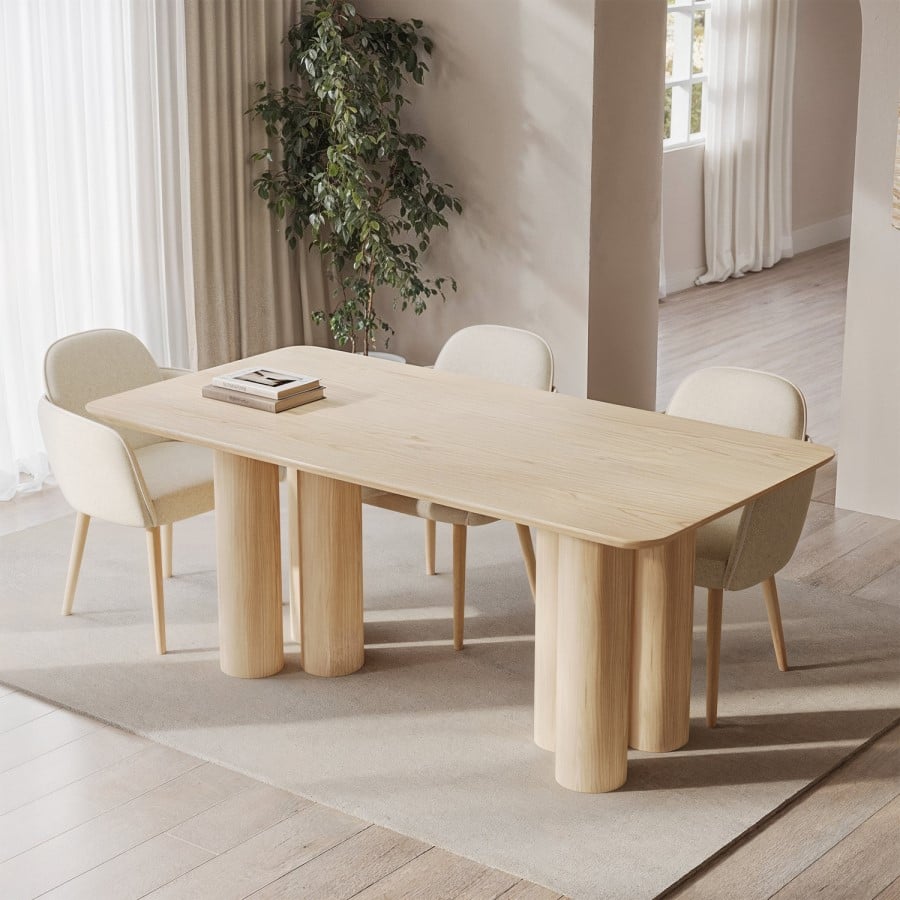
Smaller storage units, occasional chairs and side tables can then be introduced only where they solve a clear problem. Empty floor space should be treated as useful rather than unfinished. Leaving breathing room around furniture improves movement, simplifies cleaning and gives the room more flexibility when circumstances change.
The strongest interiors are often built around real routines rather than a fixed showroom arrangement. Careful measurements, useful multifunctional pieces, balanced proportions and a degree of restraint allow rooms to remain comfortable without feeling underfurnished. The result is a home where each substantial piece has a clear purpose and where future changes do not automatically require starting again.
