

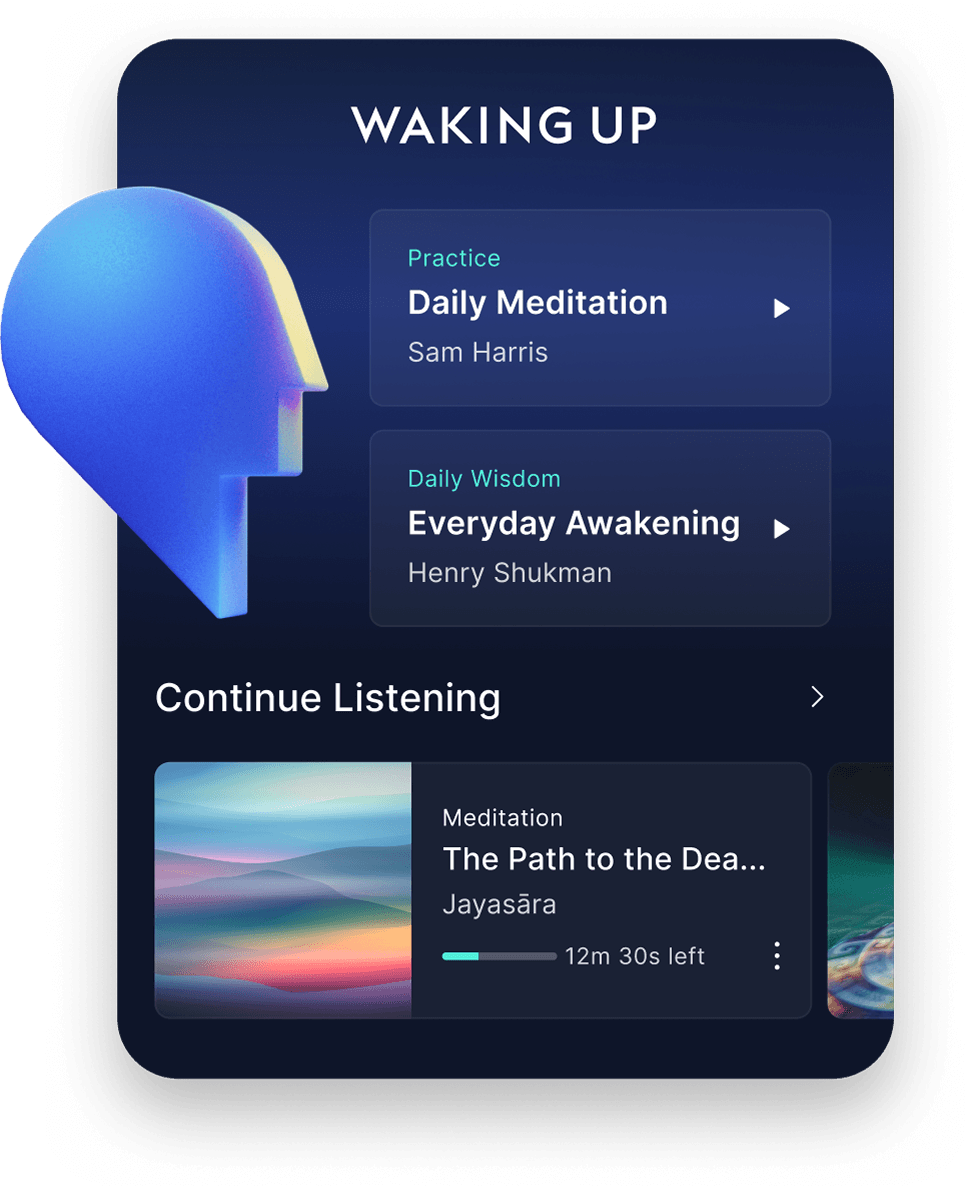
Choosing between meditation app subscription plans usually comes down to one practical question: pay a little each month or settle the account once a year. Waking Up offers exactly this choice, and the decision affects far more than a billing date. This comparison looks at what each plan provides, where the trade-offs actually sit, and how the introductory material and teacher roster behave once a subscriber signs up.
Understanding Waking Up’s Subscription Structure
Waking Up runs as one platform with two ways to pay for it rather than separate product lines. Both routes open the same meditation library, the same teacher conversations, and the same lesson archive. Because the underlying content is shared, the meaningful comparison across meditation app subscription plans here is about billing rhythm and what that rhythm asks of a subscriber financially and mentally, not about locked features.
That shared foundation makes Waking Up a useful case study for anyone sorting through meditation app subscription plans in general. Many apps in this category separate free and paid tiers by content; this one separates its plans by payment cadence instead. That distinction shapes the rest of the comparison.
The Monthly Plan: Flexibility and Direct Access
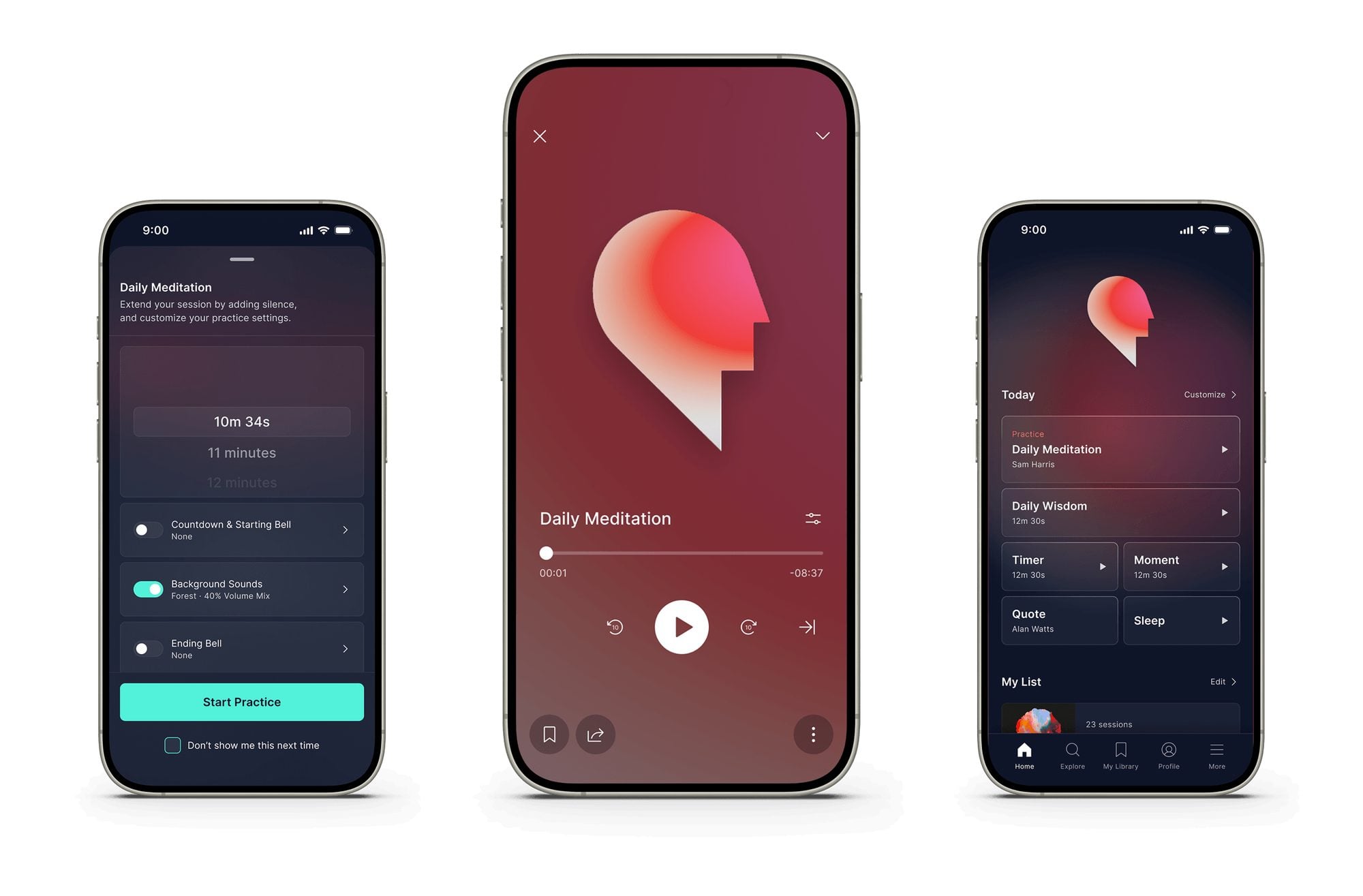
The monthly plan bills on a recurring short cycle and unlocks the full library right away. It suits someone who wants to test whether a daily meditation habit actually sticks before committing further. There is no need to plan beyond the next payment date, which keeps the financial commitment small at any given moment.
That flexibility carries a real trade-off, though. Paying every month, cycle after cycle, generally costs more over a full year than paying once for an annual term. Someone uncertain about sticking with a practice may still prefer that higher ongoing cost in exchange for the ability to stop at any point without losing a prepaid balance.
The Annual Plan: Extended Commitment and Value
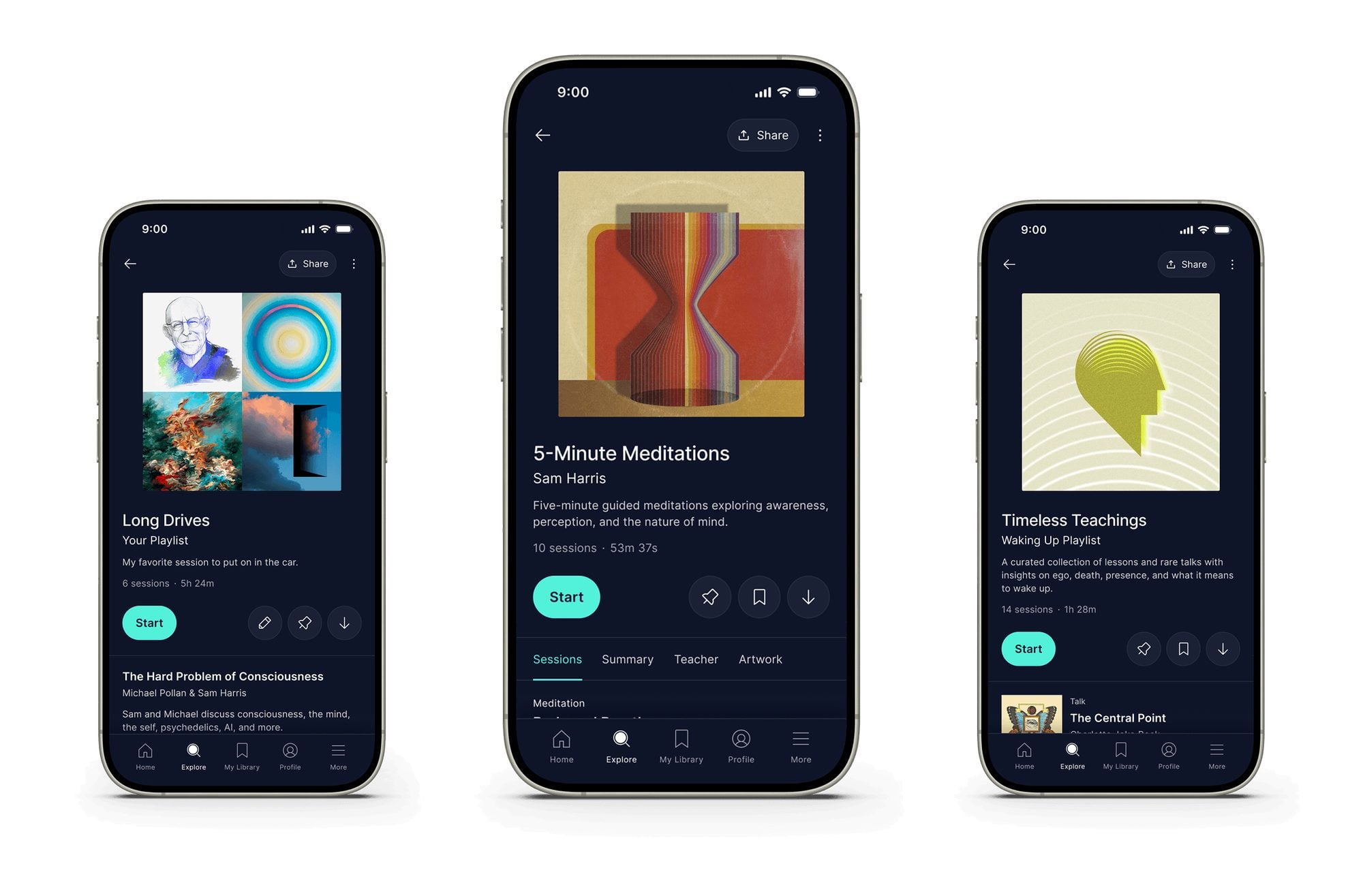
The annual plan bundles a full year of access into one upfront payment. Waking Up presents this option on its official offer page alongside the monthly alternative, and the two sit side by side as the only billing choices. Subscribers who choose the annual route settle payment once and do not revisit billing again until the term ends.
Because the annual plan covers twelve months in a single transaction, it also removes the recurring decision of whether to keep paying each month. That can matter to someone who already knows meditation fits into daily life and wants one less account to track. The trade-off runs the other way from the monthly plan: a larger sum up front in exchange for a lower effective rate across the year.
Content Access Across Both Subscription Tiers
Regardless of which plan a subscriber picks, the content library itself does not change. Subscribers move between guided meditations, recorded talks, and structured series without any extra unlocking step. Material is organized loosely around practice, theory, and life application, spanning everything from body scans to lessons on time management.
The app also includes customization tools that apply to both plans equally. Listeners can adjust countdown timers, choose a singing bowl tone, and layer in background sounds such as rain or ocean audio during sessions. Stats tracking and notification preferences, including reminders and a daily quote feature, work the same way no matter which billing option is active.
- Guided meditations cover practical techniques such as body scans, attentive breathing, and sessions focused on deep rest.
- Conversations with scholars and teachers explore topics like nonduality, consciousness, and the philosophy behind meditation practice.
- Lessons on philosophy and science draw on archival recordings and talks, including material addressing Stoicism and psychedelics research.
- A daily mindfulness reminder delivers a short audio message intended to carry practice into everyday moments.
- Themed series address specific life areas, including anxiety, resilience, and navigating difficult emotional states.
How the Introductory Course and Teacher Library Differ by Plan
The Introductory Course, led by Sam Harris, works as the entry point for new subscribers on either plan. It delivers a short meditation and mindfulness lesson each day over the course of a month, merging theory with hands-on practice. Waking Up builds this course into the standard experience for every subscriber rather than selling it as a separate add-on.
Figures such as Jack Kornfield, Joseph Goldstein, Diana Winston, and Henry Shukman appear throughout the catalog, alongside archival audio from teachers like Alan Watts and Douglas Harding. That roster does not shrink or expand depending on billing frequency, so the pacing of payment has no bearing on who a subscriber hears. In that sense, the plan choice and the teaching content stay cleanly separated.
Risk-Free Trial and Cancellation Policies
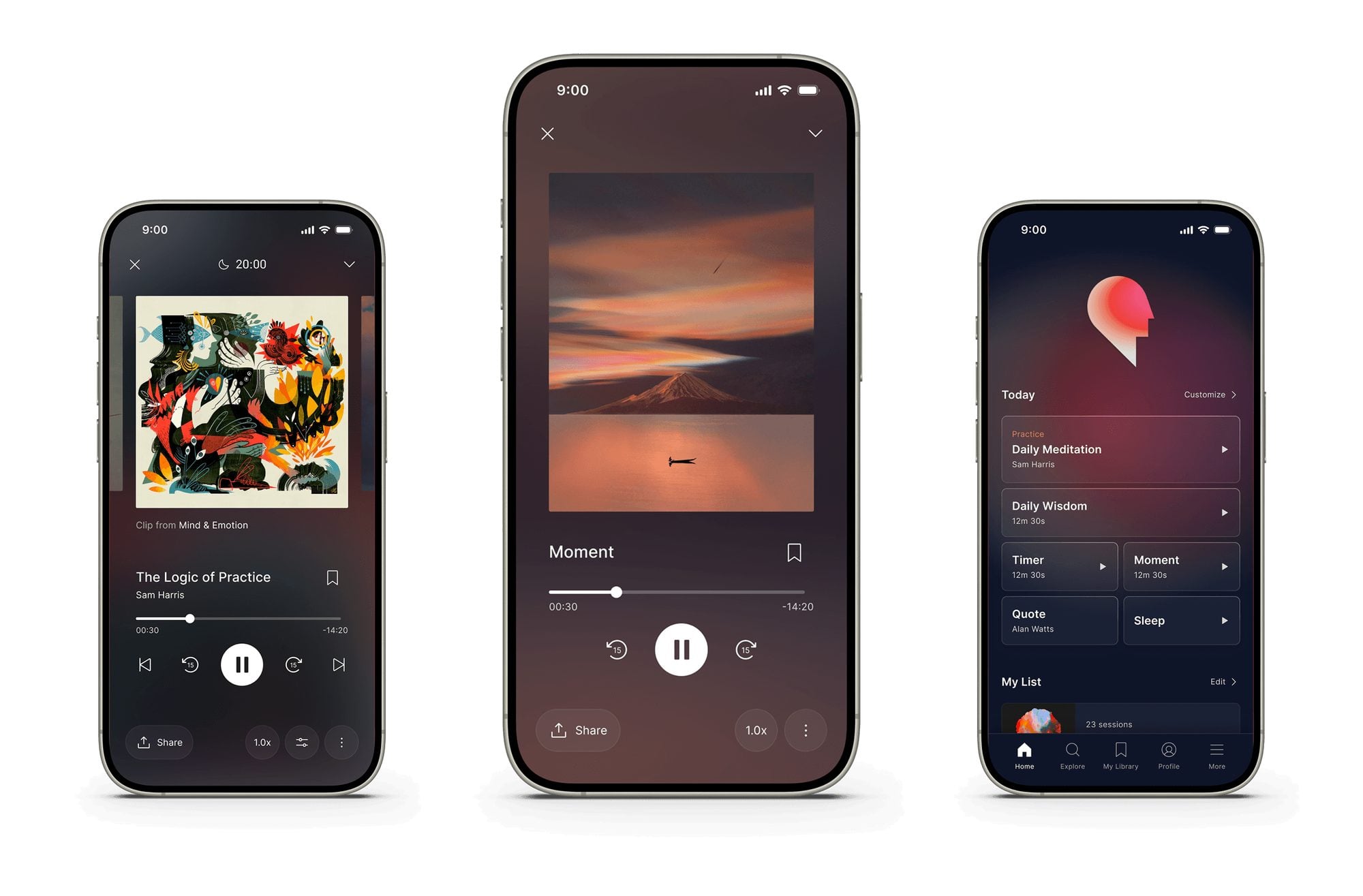
Waking Up advertises a free trial period on its official offer page, giving new subscribers time to explore the app’s structure before any charge applies. Its main site mentions a shorter free period in other placements, so confirming the exact trial length at the point of signup is worth doing. A money-back guarantee is also noted as applying across subscriptions, rather than being limited to one plan type.
Cancellation is available at any point, without a described penalty for stopping partway through a billing cycle. For the monthly plan, that means stopping simply ends future charges. For the annual plan, the guarantee is what gives an early exit its practical weight, since the term is already paid in full.
Billing cadence, not content, is what actually separates these two paths going forward.