

Shopping for a stroller, car seat, or nursery setup often means wading through secondhand advice from other parents, old product reviews, and marketing claims that no longer match what current gear actually does. Many baby gear misconceptions stick around simply because strollers and car seats have changed faster than common knowledge about them. Clearing up a few of these ideas can make comparing options, including the lineup carried by Little Canadian, a lot less confusing.
Misconception: All Full-Size Strollers Are One-Size-Fits-All
A common assumption is that any full-size stroller will suit any family, regardless of how many children they have or plan to have. In reality, full-size strollers range widely in seating capacity, frame adjustability, and how they transition between single and double configurations. Treating them as interchangeable is one of the more persistent baby gear misconceptions, since a stroller built for a single rider does not automatically expand into something that works for two.
Little Canadian organizes its stroller selection into distinct categories, including full-size strollers, travel systems, travel strollers, jogging and multisport strollers, and double strollers. That structure exists because each type solves a different practical problem, from everyday neighborhood walks to all-terrain jogging routes. Assuming one stroller style covers every scenario overlooks how differently these product lines are actually built.
The Truth About Convertible Strollers Like the Cybex Gazelle S 2
Convertible strollers are often misunderstood as simply having a few extra seat positions. The Cybex Gazelle S 2, listed among Little Canadian’s full-size strollers, is described as a premium single-to-double stroller designed to grow alongside a family. It offers over 20 seating configurations, which allows it to adapt whether a household is strolling with one child, expecting a second baby, or preparing for twins.
That range of configurations is a meaningful distinction from standard single strollers, which typically do not reconfigure into double setups at all. The Gazelle S 2 also includes a spacious design intended to accommodate changing seating needs over time. Understanding this kind of adaptability helps separate genuine convertible functionality from gear that merely looks adjustable.
Why Infant Car Seats and Stroller Combos Don’t Work for Every Family
massla_US_20261117_134938 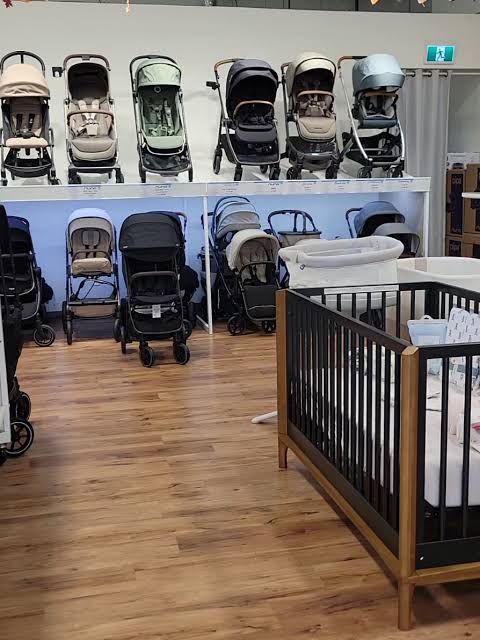
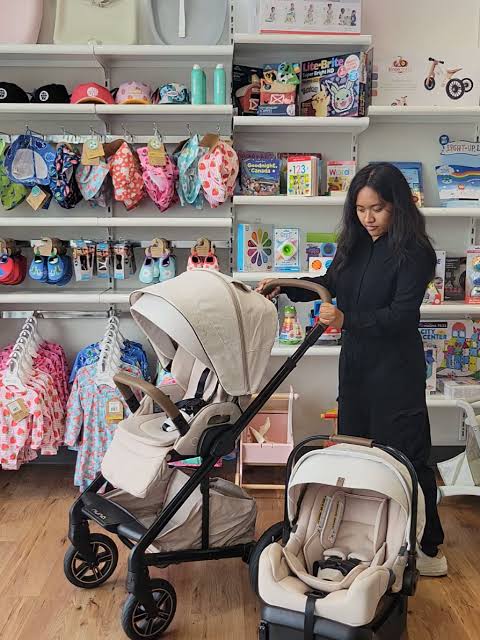
Infant car seat and stroller combinations, sometimes called travel systems, are frequently assumed to be a universal solution for newborn transport. The Evenflo Shyft DualRide, available through Little Canadian, is built as a single piece of gear that shifts from infant car seat to stroller in one step. It also includes SensorSafe, a feature meant to connect caregivers to a child from the backseat.
Even so, a combo unit like this is designed around a specific use case, namely streamlining transitions between a vehicle and a stroller frame. Families with different routines, such as frequent public transit use or multiple vehicles, may find a dedicated infant car seat and a separate stroller more practical. Assuming every family needs, or benefits equally from, a combo system is another of the common baby gear misconceptions worth reconsidering.
Common Myths About Activity Centers and Developmental Play
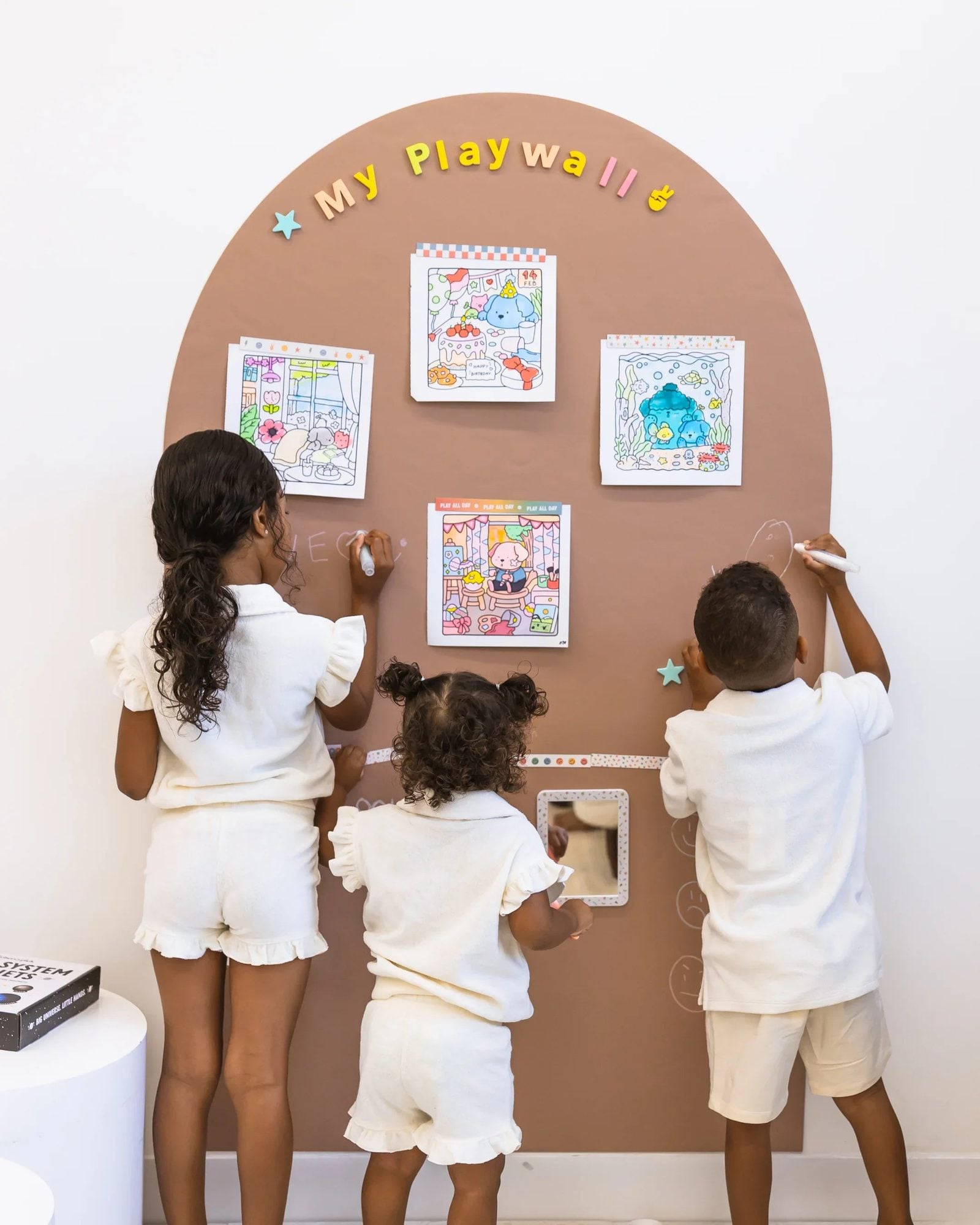
Activity centers, play mats, and similar gear are sometimes dismissed as simple distractions rather than genuine play tools. Little Canadian‘s gear category includes activity mats alongside carriers, high chairs, playards, and swings, bouncers, and seats, reflecting how varied this segment of baby gear actually is. Products like the CherryPick Jumbo Magic Playwall and Glow-in-the-Dark Dinosaur Magnets set, which includes over 40 soft foam magnets, are built around hands-on, screen-free play.
The Flower & Garden Magnets set, listed as a 116-piece collection, is similarly designed for open-ended, hands-on activity. These products are framed by the brand as tools for imaginative and sensory exploration rather than passive entertainment. Recognizing that distinction matters when comparing gear meant to occupy a child briefly against gear built around sustained, hands-on interaction.
Separating Fact from Fiction: What Double Strollers Can and Cannot Do
Double strollers carry their own set of assumptions, particularly the idea that any double stroller suits twins and siblings of any age gap equally well. The Safety 1st Side-by-Side Double Duo Stroller is designed for twins or close-in-age siblings, weighs under 29 lbs, and is built to fit through most standard Canadian doorways. Its two independently reclining seats let each child adjust position without affecting the other.
The Thule Urban Glide 3 Double, by contrast, is an all-terrain jogging stroller with a magnetic buckle, built to be lightweight and agile for navigating varied routes. These two double strollers solve different problems: one prioritizes narrow-doorway maneuverability, the other prioritizes terrain versatility. That difference underscores why double strollers cannot be treated as a single, interchangeable category.
- Many parents assume a full-size stroller automatically converts into a double stroller when a second child arrives.
- Some caregivers believe any infant car seat will click into any stroller frame to form a travel system.
- A common belief holds that activity tables and play mats are purely for distraction rather than hands-on exploration.
- Others assume all double strollers handle doorways, sidewalks, and jogging routes equally well.
- A frequent myth suggests convertible strollers only add a handful of seating options rather than a genuinely wide configuration range.
The Role of Baby Gear in Learning Through Play
Separate from safety-focused categories like car seats and strollers, a large share of baby gear is designed around learning through play. Items such as the Magnetic Play Mirror, described as shatter-resistant and designed for sensory exploration and self-discovery, fall into this category. These products attach to magnetic surfaces, giving infants an interactive surface at eye level rather than a static toy.
Little Canadian groups these items under broader categories like Sensory Toys and Learning Toys within its toys and gifts section. This organization signals that gear marketed for play is treated as functionally distinct from gear marketed for transport or safety. Keeping that distinction in mind helps clear up baby gear misconceptions that lump every product into a single, generic category.
Clarity about what each piece of gear actually does, rather than what it is assumed to do, makes comparison shopping considerably more straightforward.