

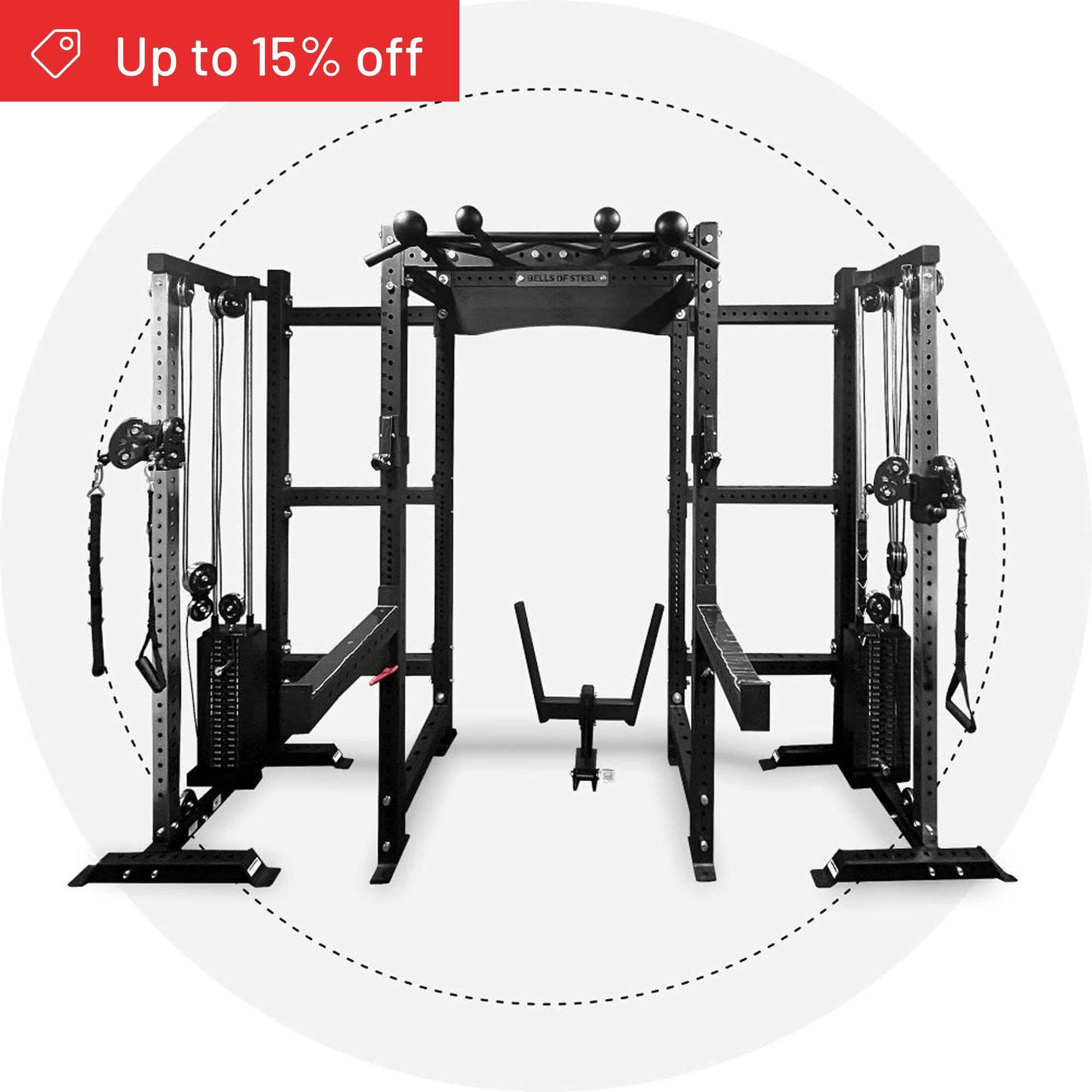
Deciding between power racks vs cable towers often depends less on brand loyalty and more on what a lifter actually trains for each week. Both pieces of equipment anchor a home gym, yet they solve different problems across barbell work, accessory movements, and conditioning. Bells Of Steel builds both categories, along with a hybrid unit that blends the two, so the comparison deserves a closer look before floor space gets committed to one system.
Power Racks and Their Role in Barbell Training
A power rack exists to support heavy barbell lifts safely. Squats, bench presses, and overhead work all depend on adjustable safety pins and sturdy uprights that catch a failed rep. Bells Of Steel offers rack configurations ranging from Four Post builds to Six Post frames, plus the Manticore Folding Power Rack Builder for smaller rooms that still need a sturdy frame for heavy squats, bench presses, and chin-ups.
These frames rely on steel tubing with multiple hole patterns, giving lifters flexibility in pin height and attachment placement. Because the rack itself carries no cables or pulleys, its core job stays simple. It holds a barbell at the right height and keeps the lifter protected during maximal attempts.
Cable Towers and Machine-Based Training Mechanics
Cable towers approach strength training from a different angle. Instead of a fixed barbell path, a pulley system lets resistance move in almost any direction, which suits isolation work, rehab-style movements, and functional training patterns. The Cable Tower from Bells Of Steel includes over 30 height settings and dual pull ratios of 2:1 and 1:1, giving a wide spread of resistance options from a single column.
A rack stays locked to a single bar path, while a cable tower can reposition the line of pull for dozens of exercises, which is why the power racks vs cable towers question rarely has one universal answer and instead hinges on which movement pattern a program needs most that week. That difference in mechanics, more than any single spec, separates the two categories.
The Hydra Trident Station: Rack and Cable Integration
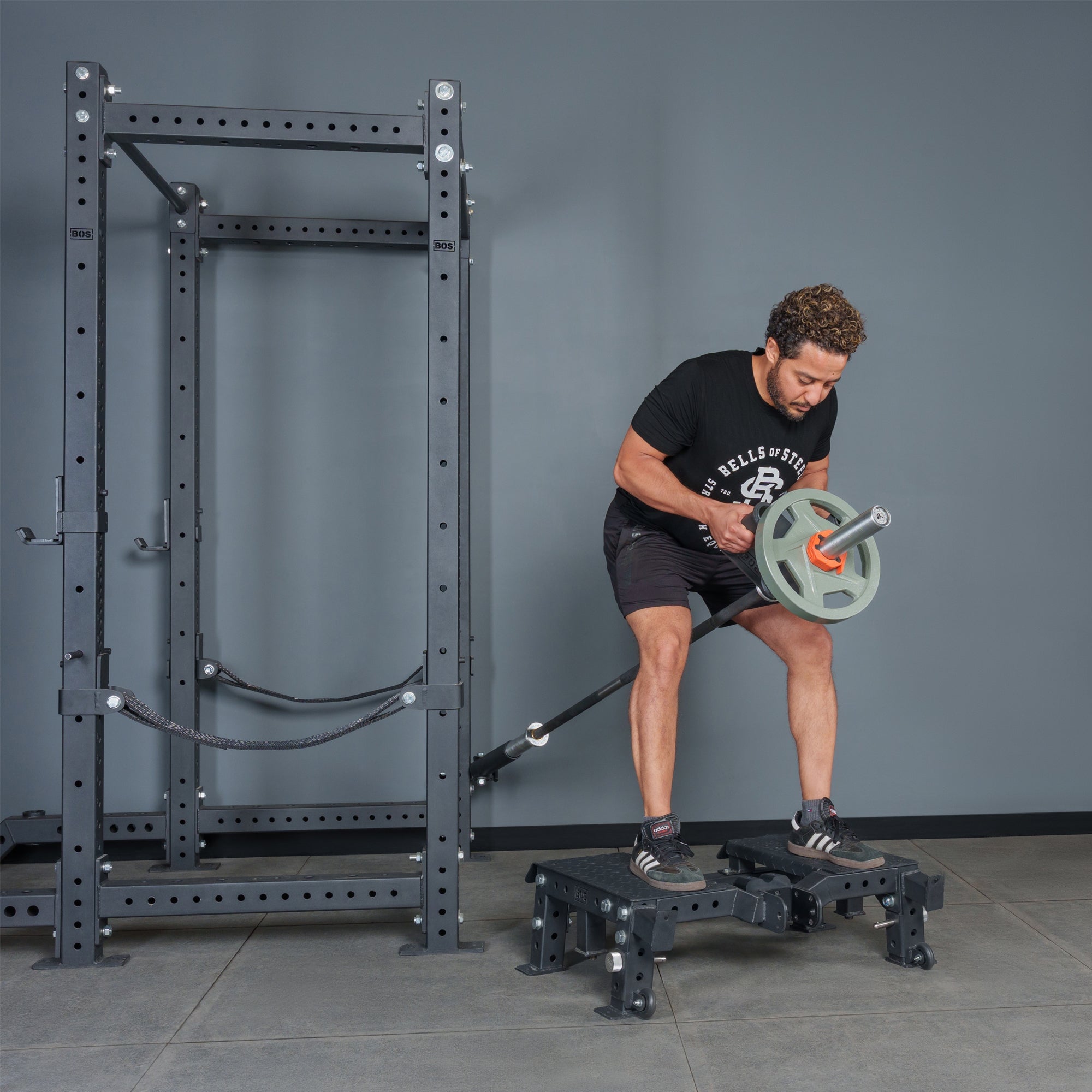
Some lifters want both functions without buying two separate machines. The Hydra Trident Station from Bells Of Steel answers that directly, combining a 4-Post Hydra Rack, a built-in storage system, and a pair of Weight Stack Cable Towers in one frame. It pairs barbell lifts, storage, and machine-based cable exercises in a single footprint.
Instead of choosing a rack or a cable tower outright, this station lets both training styles share the same corner of a room, and the built-in storage keeps plates and accessories off the floor around it. For anyone comparing standalone options against a combined station, the Hydra Trident Station reads as a clear middle path in the current lineup.
Footprint and Space Efficiency Across Bells of Steel’s Lineup
Space is often the deciding factor long before training style enters the conversation. The Manticore Folding Power Rack Builder is designed specifically for smaller gyms, built to handle heavy squats and bench presses despite its compact folding frame. A standalone rack ties its footprint purely to barbell training, while the standalone Cable Tower, with a footprint under 2.5′ x 2.5′, keeps pulley-based training compact enough for a corner of a room.
For lifters weighing cable towers against power racks purely on room size, the comparison tends to favor cable towers in tight apartments and racks in dedicated garage or basement gyms. The brand also lists an All-in-One Trainer, pitched as replacing a functional trainer, squat rack, and several individual attachments within one corner-friendly frame.
Plate-Loaded vs. Weight Stack Options in Cable Systems
Cable towers are not a single, uniform product. The Cable Tower can be configured with plate-loaded resistance or with factory-set weight stacks available in 110 lb or 210 lb options, so the choice of loading method sits alongside the choice of height and pull ratio already built into the frame. Plate-loaded setups let lifters use existing weight plates, while weight stack versions use a pin-selected system built into the tower itself.
Each path changes how the machine integrates with the rest of a home gym. A plate-loaded tower shares plates with barbell work on a nearby rack, which can simplify equipment overall. A weight stack version, on the other hand, keeps resistance changes fast and self-contained.
Single-Equipment vs. Multi-Station Trade-offs
Choosing a single rack, a single cable tower, or a combined station involves real trade-offs. A multi-station build adds exercise variety but also demands more planning around room dimensions, post spacing, and attachment placement, which is the practical cost behind the simplicity-versus-versatility trade that defines power racks vs cable towers. Neither path is automatically better, since the right one depends on what the training plan needs week to week.
Power racks from Bells Of Steel also extend well past the base frame through a range of attachments built around a standard hole pattern and post sizing. These add-ons let a single rack cover more training bases without requiring a second cable machine nearby.
- Spotter Arms Rack Attachment adds a secondary safety point for heavier barbell attempts.
- Y Dip Bar Rack Attachment turns a rack into a dip station without extra floor space.
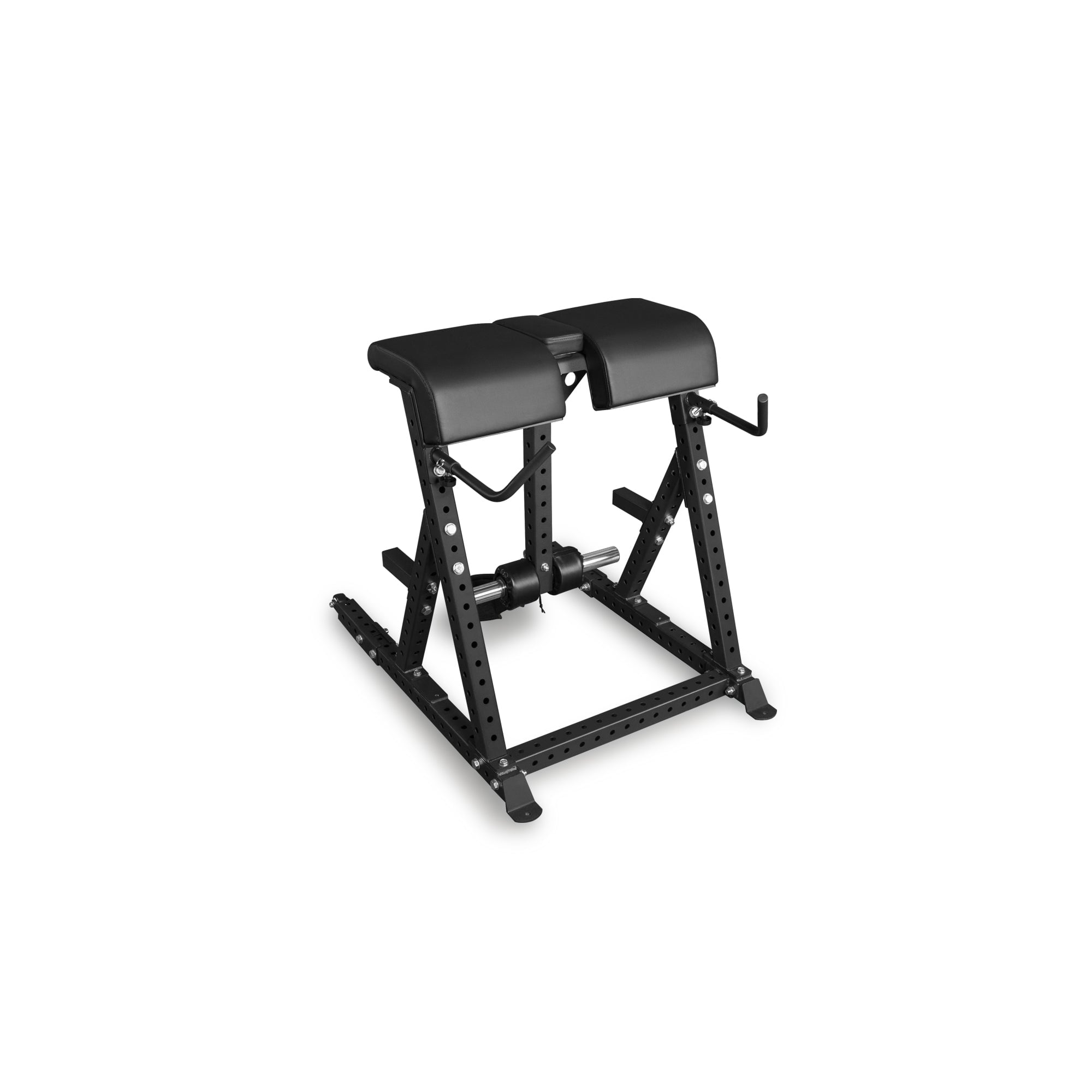
- Seal Row Pad Rack Attachment supports chest-supported rowing directly off the rack posts.
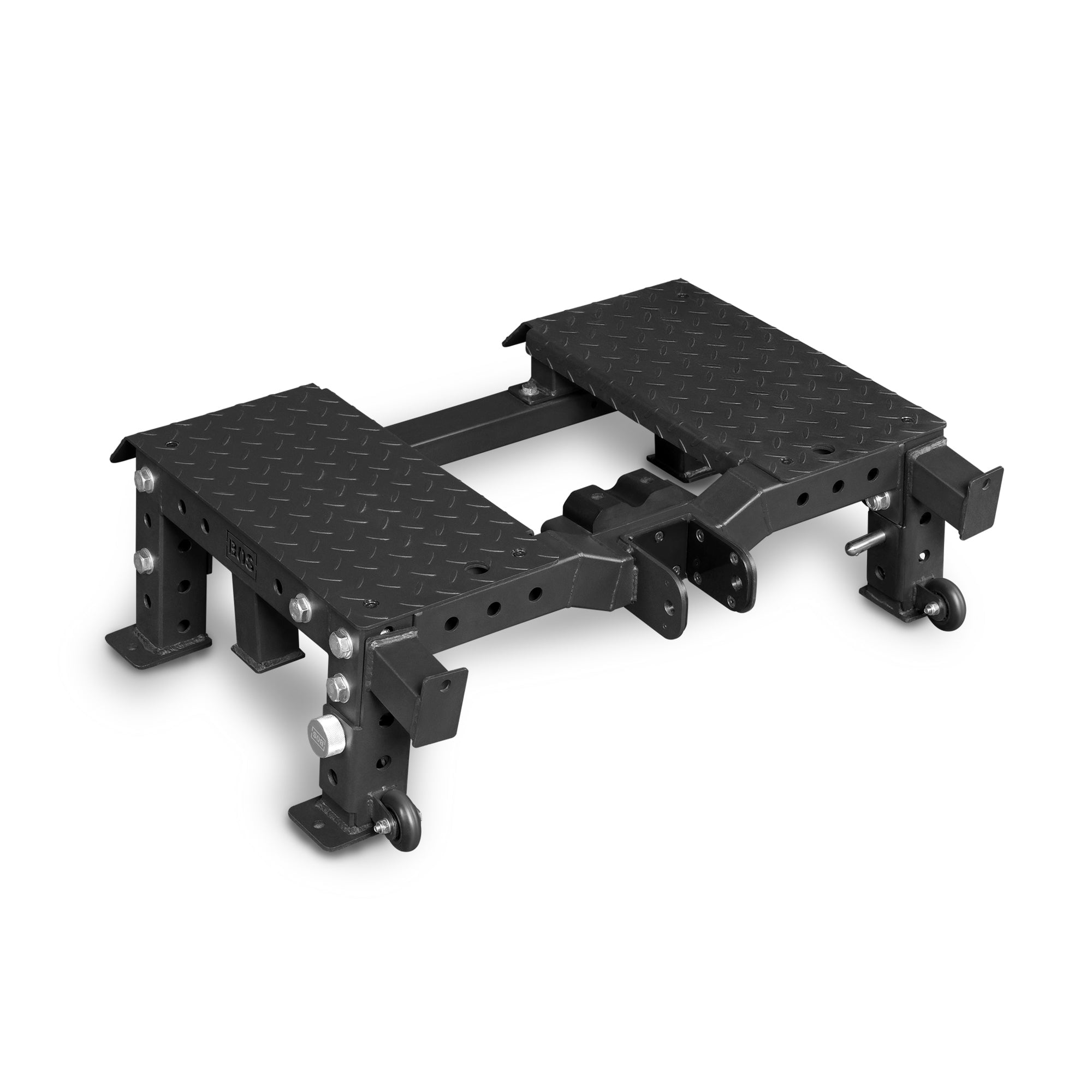
- T-Bar Row Platform and Bench Spotter Platform replaces improvised corner setups with a dedicated platform.
- Anvil Handles bring independent arm paths to Smith Machine style pressing and pulling.
- Selfie Sentinel magnetic phone holder attaches directly to the rack for hands-free filming.
Reviewing that list, it becomes clear that a rack’s value often grows through these add-ons rather than through the frame alone. For anyone still undecided between power racks and cable towers, attachments can narrow the gap by giving a rack some of the exercise variety normally associated with cable machines. Those exploring current configurations can review the full catalogue through the linked offer page.
Closing Thought
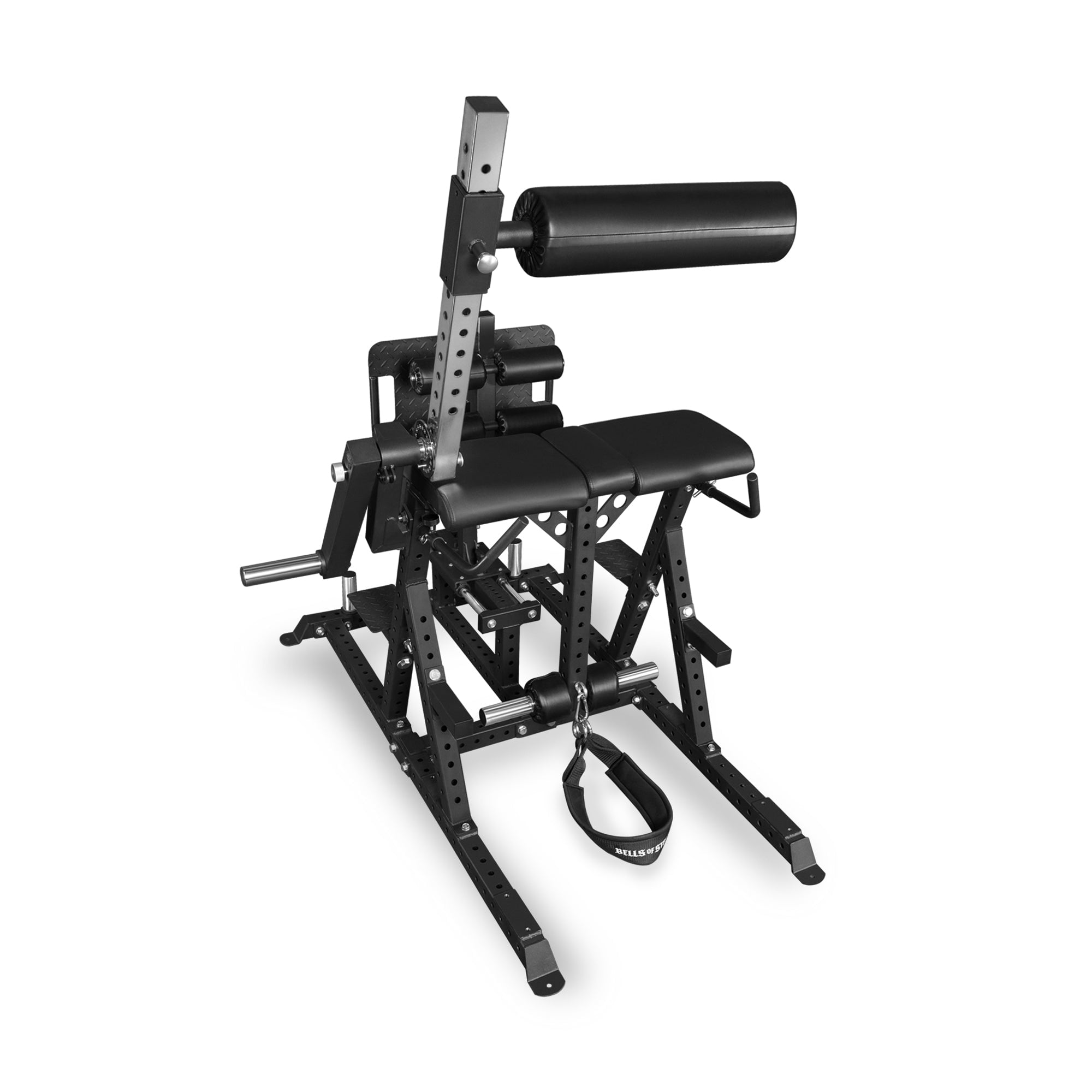
Neither category replaces the other outright. The decision between them, or a combined station, comes down to available space and the specific lifts a program demands.