

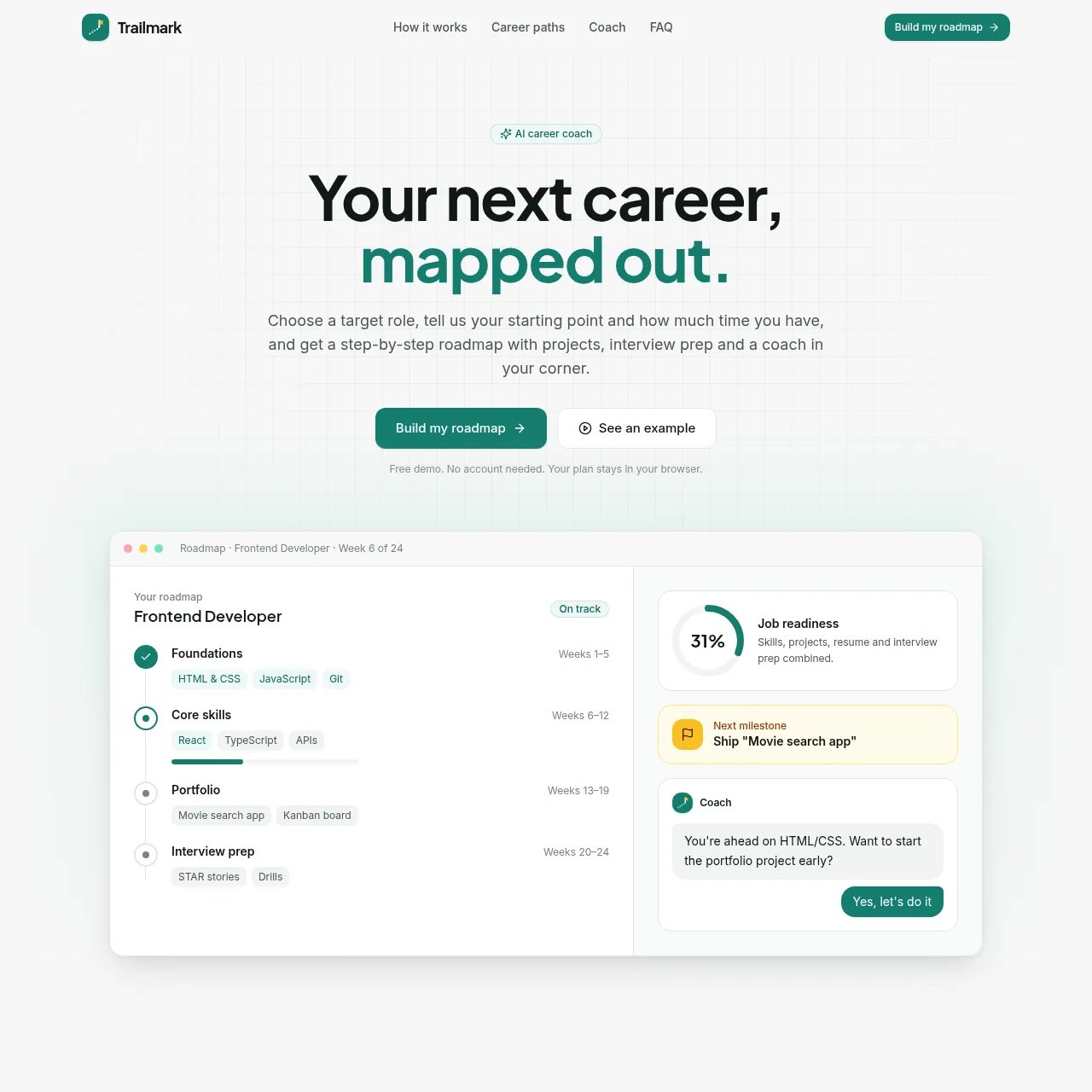
Turning a concept into a working product usually means hiring developers, setting up servers, and waiting weeks for a first demo. Bolt AI changes that timeline by letting entrepreneurs, product managers, and agencies describe what they want and get a live build back almost immediately. This approach to rapid prototyping with AI removes much of the manual setup that traditionally slows teams down, and it does so inside a single interface rather than a patchwork of tools.
What Bolt AI Builder Does: Automated Coding and Full-Stack Infrastructure
Bolt AI builder lets people create websites, apps, prototypes, and even slides by describing them in plain language. Projects can start from scratch, from a Figma file, from GitHub, or from a team template, which gives flexibility depending on where an idea already lives. Rather than requiring separate platforms for coding, hosting, and databases, the builder bundles these pieces together so building and scaling happen in one flow. This is the foundation that makes rapid prototyping with AI practical for people who are not full-time developers.
Bolt Agent Standard vs. Bolt Agent Max: Choosing the Right Model for a Project
Bolt offers two coding agents, Bolt Agent Standard and Bolt Agent Max, and automatically routes tasks to the right one so nobody has to guess which model fits a given job. Standard is available to all users and is recommended for general development, offering high speed, high intelligence, and balanced token cost. Max is reserved for Pro users and is built for heavier demands. Because the routing happens automatically, teams avoid juggling platforms or manually switching models mid-project.
From Idea to Prototype: How Product Managers Accelerate Testing and Iteration
Product managers often lose days translating a concept into something a team can actually react to. With Bolt, that gap shrinks considerably, since insight can become a testable prototype in hours rather than weeks. Teams can review a working build together before the day is even over, which changes how quickly feedback loops happen. This speed matters for anyone practicing rapid prototyping with AI as a regular part of product discovery, not just a one-off exercise.
The platform also reduces the friction of fixing mistakes along the way. It automatically tests, refactors, and iterates, reducing errors by 98%, according to the brand’s own figures. That means less time spent chasing bugs and more time spent deciding whether an idea is actually worth building further.
Bolt Cloud: Backend Infrastructure, Hosting, and Databases Built In
Stitching together separate services for hosting, databases, and user authentication is one of the slower parts of traditional development. Bolt Cloud addresses this by including enterprise-grade backend infrastructure directly inside the builder. Unlimited databases, enterprise-grade user management and authentication, SEO optimization, and hosting with analytics and custom domains are all built in. Because everything sits inside one familiar interface, there is no need for extra accounts or a steep learning curve just to get a project live.
Launching a Full Business Without Custom Development: The Entrepreneur’s Path
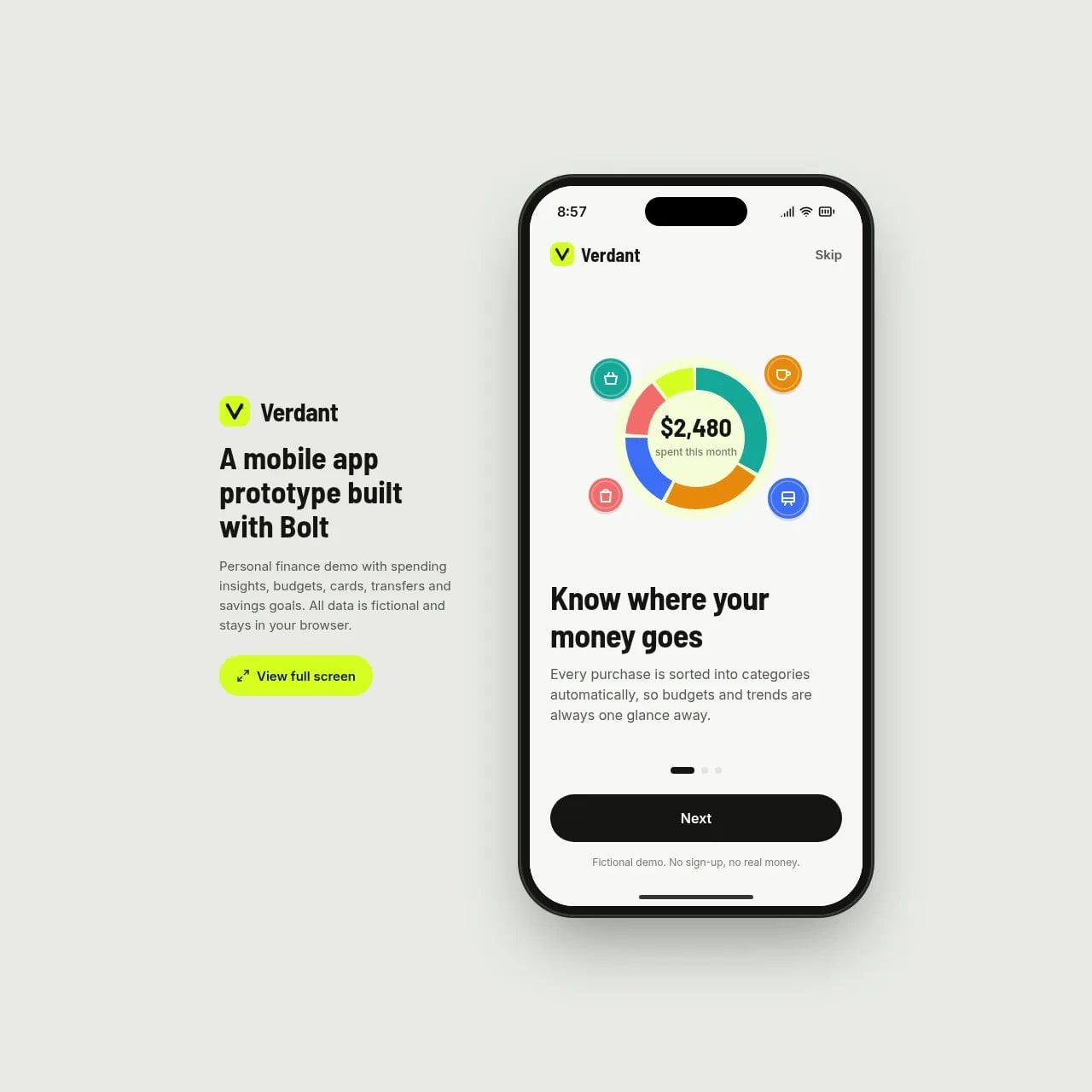
For entrepreneurs, the appeal of Bolt AI is less about experimentation and more about getting an entire business live quickly. The brand states that a full business can go from landing page to product in days rather than months, all within one continuous flow. That removes the need to separately commission a website, a backend, and hosting from different providers. Marketers get a similar benefit, since campaign pages can be created in hours with SEO and hosting already built in.
Agencies fit into this picture as well, since the same tools let them deliver more projects without growing headcount. Rather than adding staff to handle more client work, an agency can lean on the automation available to multiply output. This is part of why rapid prototyping with AI has become relevant well beyond solo founders, extending into teams that serve multiple clients at once.
Scaling Projects 1,000 Times Larger: How Bolt Handles Complexity
Early prototypes tend to be simple, but real products grow in scope quickly. The builder is designed to handle projects 1,000 times larger than before, supported by improved built-in context management meant to keep complexity under control as a project expands. This matters because a tool that only works for small demos has limited value once a team wants to move toward a real launch. Building on a design system also means projects do not need to be reconstructed from scratch as they scale, since everything stays on-brand throughout.
- Automatic routing between Bolt Agent Standard and Bolt Agent Max means teams do not have to pick a model manually.
- Automatic testing, refactoring, and iteration reduce errors by 98%, cutting down on manual debugging work.
- Bolt Cloud supplies unlimited databases, enterprise-grade user management and authentication, and SEO optimization inside the same workspace.
- Hosting comes with analytics and custom domain support, removing the need for a separate hosting provider.
- Improved context management allows projects to scale up to 1,000 times larger without breaking down.
- Starting points include a blank project, a Figma file, GitHub, or a team template, giving flexibility for how work begins.
Across these use cases, the throughline is the same. Steps that used to require multiple vendors, specialists, and handoffs are consolidated into one flow. Whether the goal is a quick internal prototype or a fully launched business, the platform is positioned to compress the distance between an idea and something people can actually use. For teams evaluating rapid prototyping with AI as an ongoing practice, that consolidation is the part worth paying attention to.
What stands out most is how little separates a first idea from a working build inside this system. That shift, from waiting months to shipping in days, is quietly changing what teams expect from product development.