

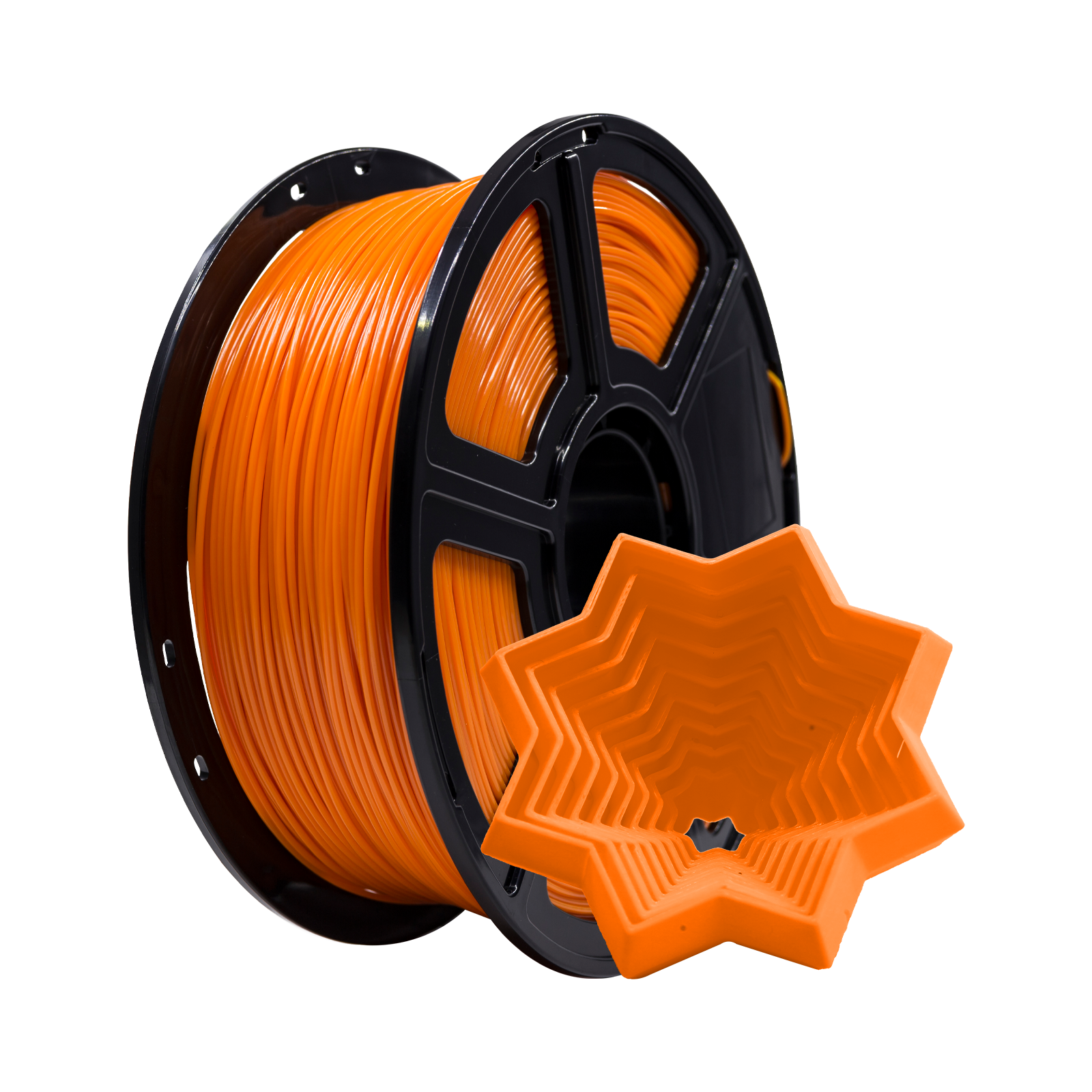
Picking between FDM machines gets confusing once a lineup grows past one or two models. With Flashforge 3D printers compared side by side, the differences in toolheads, enclosures, and material handling become much clearer. This piece walks through the Creator 5 series, the AD5X, and the Adventurer 5M series, and how each fits different kinds of printing work.
Understanding Flashforge’s FDM 3D Printer Lineup
Flashforge builds its FDM range around three distinct product families, each aimed at a different kind of project. The Creator 5 and Creator 5 Pro focus on multi-color and multi-material output. The AD5X takes a more streamlined approach built for performance. The Adventurer 5M and Adventurer 5M Pro round things out with enclosed, easy-to-set-up machines meant for everyday use.
Across all of these, the common thread is fast printing paired with automated calibration. That consistency is part of why Flashforge 3D printers compared against each other still feel like a coherent family rather than unrelated products.
Creator 5 and Creator 5 Pro: Multi-Color and Multi-Material Printing
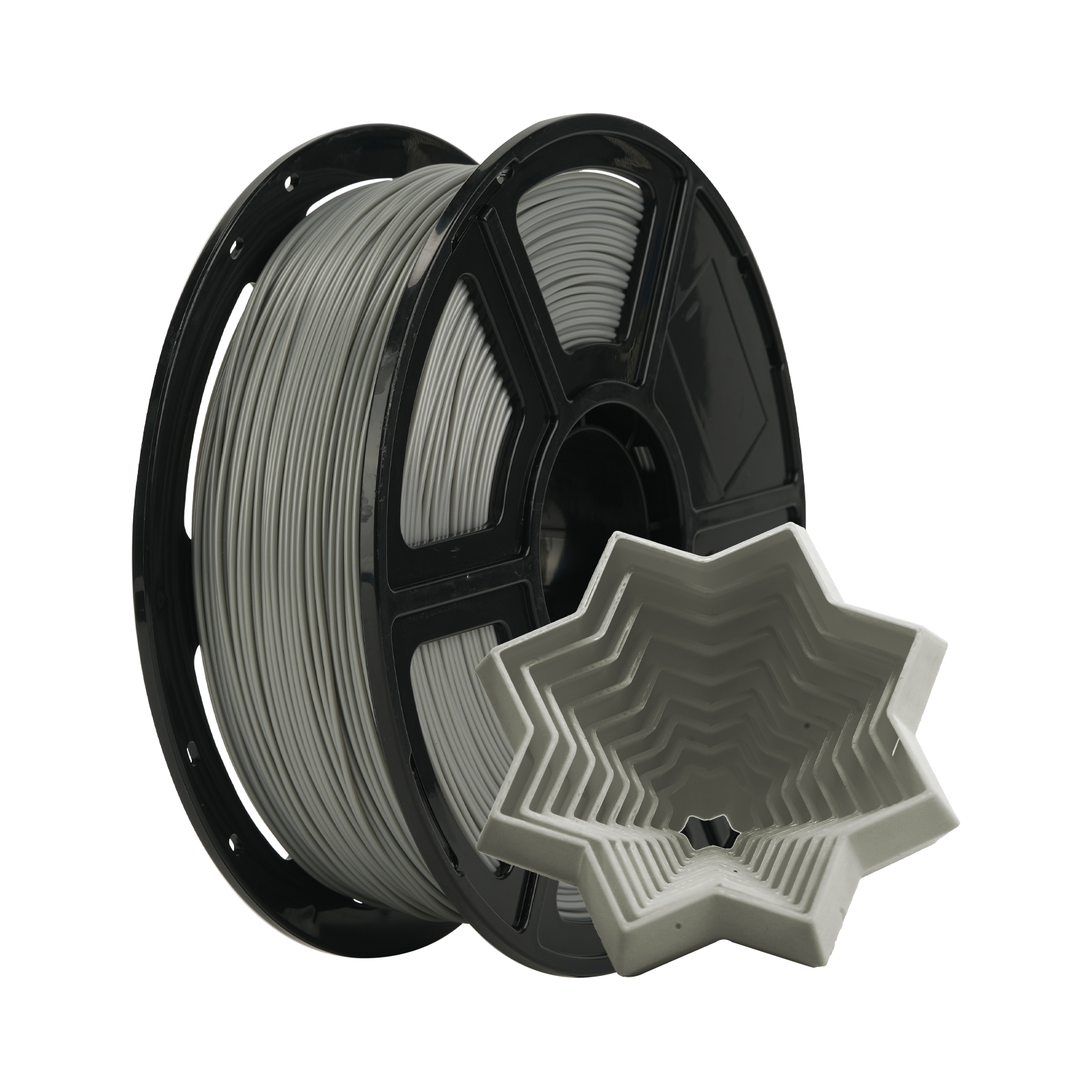
The Creator 5 stands out for its four independent toolheads, which allow true multi-color and multi-material printing within a single job. Flashforge lists the Creator 5 as capable of up to 500% faster multi-color printing compared with single-toolhead setups, along with a zero purge waste design that reduces material loss during color changes. Maximum print speed reaches 600 mm/s, and the machine includes fully automatic calibration and leveling.
The Creator 5 Pro carries the same four-toolhead architecture and the same headline speed figure, but adds a fully enclosed chassis. That enclosure makes it suited to materials that benefit from a stable internal environment. Both models apply smart compensation during printing to help maintain consistent quality across multi-material jobs.
AD5X: High-Performance Single-Material Printing
The AD5X is positioned as an entry-level multicolor 3D printer, built for enthusiasts, professionals, and educators who want dependable results without managing four separate toolheads. It still supports multicolor work, but through a different approach than the Creator 5 series, leaning on precision and reliability instead of running independent extruders side by side. It describes it as suited to advanced projects where speed and accuracy both matter.
Accessories for the AD5X, including nozzles and a dedicated PTFE tube kit, point to a machine designed for regular upkeep and material swaps. That supports classrooms and small studios that cycle through different filament types often.
Adventurer 5M and Adventurer 5M Pro: Enclosed Printing and Ease of Use
The Adventurer 5M is built around ease of setup, with Flashforge stating it can be ready to print in under 10 minutes. It includes automatic bed leveling, a heated print bed, and a build volume of 220 x 220 x 220 mm. Its maximum speed of 600 mm/s and acceleration of 20000 mm/s² put it in line with the faster end of the FDM category, despite its simpler single-toolhead layout.
The Adventurer 5M Pro builds on that foundation with added precision and versatility aimed at more demanding projects. Both Adventurer models use a CoXY all-metal motion system, and both prioritize a smooth out-of-box experience. This makes the Adventurer 5M series a practical starting point for anyone who wants reliable results without managing an open-frame printer.
Build Volume, Speed, and Print Quality Across the Series
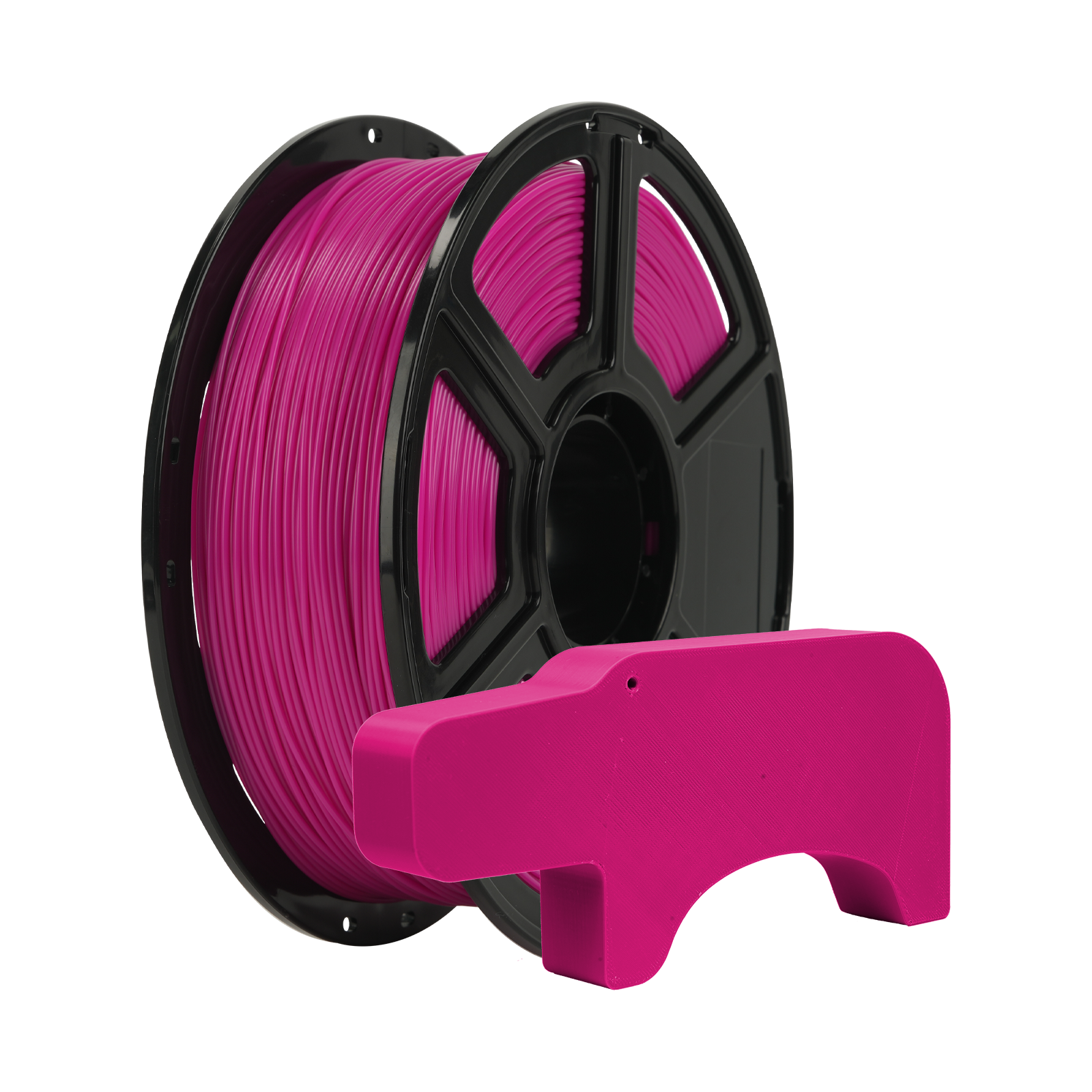
Looking at Flashforge 3D printers compared on raw specification sheets, speed is a consistent strength across the lineup. The Creator 5, Creator 5 Pro, and Adventurer 5M all reach a maximum print speed of 600 mm/s, while the Adventurer 5M also lists a specific acceleration figure of 20000 mm/s². That kind of consistency across different models is notable, since high speed is usually reserved for flagship-only machines elsewhere.
The Creator 5 Pro adds a fully enclosed chassis suited to materials that need a stable environment, the AD5X takes a semi-enclosed approach that sits between that chassis and the open-frame Adventurer 5M, and the standard Creator 5 keeps an open build like the Adventurer 5M series. Automatic calibration and leveling appear throughout the range, reducing the manual setup that FDM printing traditionally requires.
- The Creator 5 and Creator 5 Pro each use four independent toolheads for true multi-color and multi-material printing.
- Both Creator 5 models reach a maximum printing speed of 600 mm/s with fully automatic calibration and leveling.
- The AD5X is described as an entry-level multicolor 3D printer aimed at enthusiasts, professionals, and educators.
- The Adventurer 5M offers a 220 x 220 x 220 mm build volume alongside a 600 mm/s maximum speed and 20000 mm/s² acceleration.
- The Adventurer 5M uses a CoXY all-metal motion system paired with automatic bed leveling and a heated print bed.
- The Creator 5 Pro adds a fully enclosed design on top of the same four-toolhead architecture as the standard Creator 5.
Choosing Between Flashforge FDM Printers by Use Case
For anyone weighing Flashforge 3D printers compared by intended use, the choice tends to follow the kind of output needed. Multi-color figures, mixed-material prototypes, and projects that call for distinct filament properties in one build point toward the Creator 5 or Creator 5 Pro. Projects needing reliable single-material output with multicolor flexibility and classroom-friendly upkeep point toward the AD5X.
Everyday models, household items, and simpler decorative prints align well with the Adventurer 5M series, especially given its quick setup and enclosed frame. Flashforge also offers a guided selection tool on its site that asks about experience level and project type before suggesting a model. That kind of built-in comparison reinforces how deliberately the three lines are separated by capability rather than by a simple feature ladder.
Final Thoughts on the Flashforge FDM Range
Each line in this range serves a distinct purpose, from multi-material flagship printing to straightforward enclosed use. The real decision comes down to matching toolhead needs and material variety to the project at hand.