

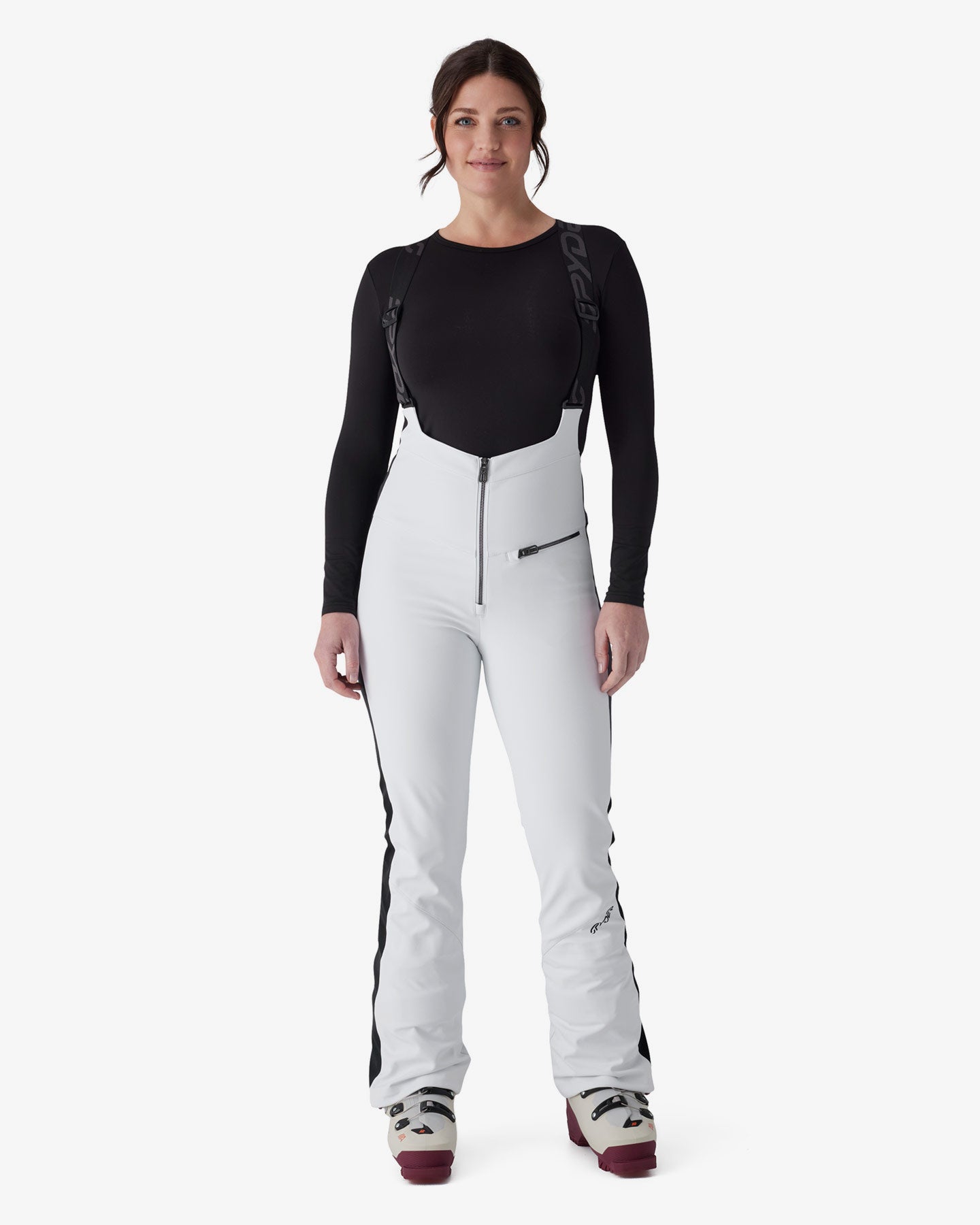
Cold-weather dressing usually means piling on layers until movement gets awkward. Spyder heated vests and jackets take a different approach, building heating technology directly into quilted shells so warmth can be dialed up without adding bulk. The lineup spans vests and jackets for men and women, each running on a rechargeable battery with adjustable heat settings and a range of color options. That combination of targeted heating and layering flexibility sits at the center of this collection.
How Spyder Heated Vests Work
Spyder builds its heated vests around carbon nanotube panels placed at the neck, hand pockets, and back, covering four heat zones. The brand describes this heating layer as thinner, stronger, and more flexible than traditional wire heating, with a faster warm-up than older systems. A 10,000mAh, 3.6V rechargeable battery powers the setup, and it recharges through a USB-C or USB-A port. A chest-logo power button controls three heat settings, so warmth can be adjusted without digging through outer layers.
The Falcon and Mariposa Heated Vests Compared
The Men’s Falcon Heated Vest and the Women’s Mariposa Heated Vest share the heating layout already outlined above, right down to the battery and switch. The Falcon comes in Black, Dark Navy, and Polar, while the Mariposa is offered in Black, Wine, Burgundy, and Shell Pink. Beyond color, the two vests differ mainly in fit, since one is cut for a men’s silhouette and the other for a women’s silhouette.
Spyder finishes both vests in a quilted 400T nylon shell. That shell adds HydroWeb water resistance and ProWeb wind resistance, paired with ThermoWeb insulation that keeps bulk down. Each vest also packs into its own built-in bag when not in use, which makes it easier to store between wears.
Spyder’s Heated Jacket Options: Rockfall and Roan
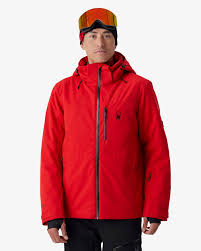
For those seeking heated warmth in a full jacket rather than a vest, Spyder offers the Men’s Rockfall Heated Jacket and the Women’s Roan Heated Jacket. The Rockfall delivers warmth on demand through carbon nanotube heating panels at the chest, and it comes in Black, Dark Navy, and Polar. Unlike the four-zone layout on the Falcon and Mariposa vests, the Rockfall’s heating is concentrated at the chest rather than spread across multiple zones.
The Roan follows the same heated-jacket format as the Rockfall and is available in Black and Wine. Both jackets extend the heating concept found in the vests into a full-sleeve silhouette, giving shoppers a choice between vest-style layering warmth and a jacket that covers the arms as well. The heated jacket and heated vest ranges stay visually consistent, which makes it easier to match pieces across a wardrobe.
Layering Heated Gear with Spyder Shells and Insulation

These heated pieces are built to sit comfortably under or over other layers. The Falcon and Mariposa vests function well layered over a sweater or under a shell, which points to their role as a mid-layer rather than an outer layer. That flexibility means a heated vest can pair with a lighter shell on milder days or sit closer to the body under a heavier insulated jacket when temperatures drop.
The wider Spyder lineup includes insulated jackets like the Rainier, built from a two-way stretch mini ripstop shell with feather-touch insulation, and the Delta Puffer, lined throughout with sherpa. These are not heated pieces themselves, but they show the kind of outerwear a heated vest can slide under or sit alongside. Venom by Spyder’s 3L shell jackets and bibs offer another layering option for those building out a fuller cold-weather system.
Battery Life and Heat Settings on Demand
Battery performance on the Falcon and Mariposa vests depends on the heat setting chosen. On low, the vest runs for up to 8 hours of warmth. On medium, that drops to up to 4 hours, and on high it runs up to 2 hours. The three settings correspond to specific temperatures, with high reaching 122°F (50°C), medium at 113°F (45°C), and low at 104°F (40°C).
This setup means the choice of heat level carries a direct trade-off with runtime. A longer outing in milder conditions might favor the low setting for extended coverage, while a shorter, colder stretch could call for higher output. Because the battery recharges via USB-C or USB-A, it works with standard charging equipment already common with phones and other electronics.
Heated Outerwear for Travel and Everyday Winter Activities
Spyder markets its heated vests and jackets as lifestyle pieces rather than purely technical ski gear, which places them alongside items like the Rainier jacket, described as suited for travel. A compact battery pack and a shell that packs into its own bag make these heated vests practical for commuting, errands, or trips where luggage space is limited. The quilted 400T nylon construction also keeps the garments from feeling like bulky technical wear.
The heating panels on the vests target the neck, hand pockets, and back, addressing areas of the body that often feel cold first during ordinary daily routines. That focus on targeted zones, rather than heating an entire garment evenly, reflects a practical approach to everyday winter dressing. The broader apparel range, including sweaters, hoodies, and shirts, can pair with the heated pieces for additional coverage depending on conditions.
- Carbon nanotube heating panels sit at the neck, hand pockets, and back on the Falcon and Mariposa vests, and at the chest on the Rockfall jacket.
- A 10,000mAh, 3.6V rechargeable battery powers the Falcon and Mariposa vests and charges through either USB-C or USB-A.
- Three heat settings are available on the vests, reaching 104°F (40°C) on low, 113°F (45°C) on medium, and 122°F (50°C) on high.
- The quilted 400T nylon shell on the vests adds HydroWeb water resistance and ProWeb wind resistance alongside ThermoWeb insulation.
- Each heated vest packs into its own built-in storage bag for easier transport when not in use.
Across vests and jackets, Spyder‘s heated options rely on the same carbon nanotube heating, rechargeable battery, and adjustable settings. That shared foundation makes it simpler to compare models within the range, since the underlying heating approach stays consistent. Current colors and availability can be reviewed through the official offer page.
As heated garments become more common in winter apparel, distinctions emerge in how precisely that warmth can be controlled and where it is delivered.