

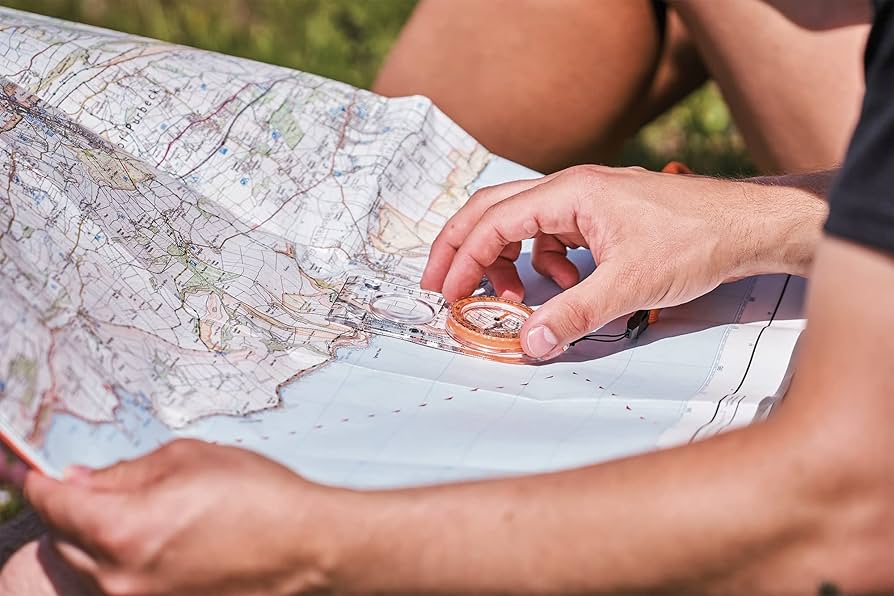
If you’re searching for a detailed Ordnance Survey review, you’re probably trying to figure out whether its maps are still the gold standard for navigation or if modern apps have overtaken it. Whether you’re hiking, planning routes, or working with detailed geographic data, accuracy matters more than convenience. This breakdown looks at how Ordnance Survey performs in real use and whether it still earns its reputation.
- Highly Accurate Mapping Data: provides detailed and reliable geographic information that is trusted for navigation, planning, and outdoor activities
- Wide Range of Map Products: offers digital maps, paper maps, and specialist mapping tools for different user needs
- Outdoor Navigation Support: designed for walkers, hikers, and cyclists who need precise terrain and route details
- Professional Grade Data Sets: used by planners, developers, and government services for accurate land and infrastructure mapping
- Digital Mapping Tools: includes apps and online platforms that make map access easier on mobile devices
- Detailed Terrain Information: shows elevation, footpaths, and landscape features not always available in standard GPS apps
- Trusted National Mapping Authority: long standing reputation for accuracy makes it a benchmark compared to commercial map providers
View all on Ordnance Survey
First Impressions of the Ordnance Survey Platform

The first thing you notice when exploring Ordnance Survey is how structured and information focused it is. It is not designed like a casual navigation app. Instead, it feels like a serious mapping system built for precision.
Navigation across the site is more functional than flashy, which fits its purpose.
- Clear product categories for maps and tools
- Easy access to digital and print options
- Strong focus on usability over design trends
You can explore the full range through the Ordnance Survey homepage, which gives a good sense of how deep the mapping ecosystem really is.
Accuracy and Mapping Detail in Real Use
A key reason people search for an Ordnance Survey review is accuracy. This is where the brand has built its reputation over decades.
The mapping data includes:
- Detailed footpaths and walking routes
- Precise elevation and contour lines
- Clear land features and boundaries
This level of detail is especially useful for outdoor navigation where standard GPS apps may oversimplify terrain. It is built for users who need precision rather than just directions.
Digital Tools and Modern Accessibility
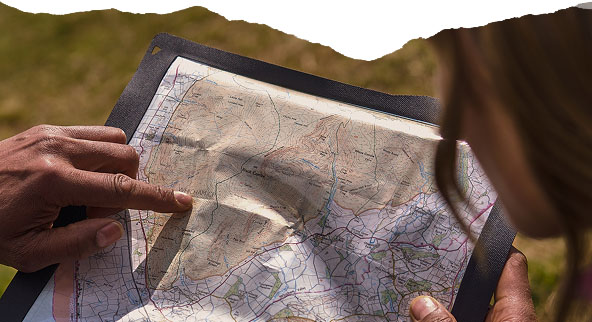
While Ordnance Survey has traditional roots, it has expanded into digital tools to stay relevant. These tools aim to bridge the gap between professional mapping and everyday usability.
Key features include:
- Mobile friendly map access
- Route planning tools for outdoor activities
- Integration with digital navigation workflows
The experience is more structured than consumer navigation apps, but it offers greater depth for users who want control over their mapping data.
Outdoor Navigation and Hiking Use
One of the strongest use cases in this Ordnance Survey review is outdoor navigation. Hikers, cyclists, and walkers benefit most from the detailed terrain information.
In practical use, it provides:
- Clear walking and hiking routes
- Reliable path tracking in rural areas
- Terrain awareness for elevation changes
This makes it especially valuable in places where standard GPS apps may lack detail or accuracy.
Professional and Planning Applications
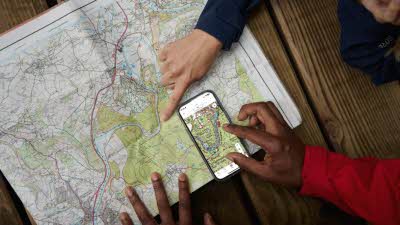
Beyond personal use, Ordnance Survey is widely used in professional environments. Its data is trusted by planners, engineers, and public services.
Common uses include:
- Urban planning and development
- Infrastructure mapping
- Environmental and land analysis
The consistency and reliability of the data make it suitable for decision making where accuracy is critical.
Product Range and Map Formats
Ordnance Survey offers more than just digital maps. Its range includes different formats designed for specific needs.
Options include:
- Printed maps for offline use
- Digital subscriptions for continuous access
- Specialist maps for outdoor activities
This variety allows users to choose based on how they prefer to navigate or study geography.
You can browse different formats through the Ordnance Survey homepage to compare options based on your needs.
Ease of Use and Learning Curve

While powerful, Ordnance Survey tools can feel complex for first time users. The depth of information means there is a slight learning curve.
What users typically notice:
- More detailed interface than standard map apps
- Requires some familiarity with map reading
- Strong documentation and guides available
Once understood, the system becomes highly effective, but it is not as instantly simple as consumer navigation apps.
Who Ordnance Survey Is Best For
This Ordnance Survey review shows a service designed for users who value precision over simplicity.
It works best if you:
- Enjoy hiking, cycling, or outdoor exploration
- Need accurate geographic data for planning
- Prefer detailed maps over simplified navigation
It may not suit users who want quick turn by turn navigation without any technical detail.
Limitations to Keep in Mind
While highly respected, Ordnance Survey does have a few limitations depending on user expectations.
- Not as instantly intuitive as mobile navigation apps
- Some features require subscription access
- Can feel overly detailed for casual users
These limitations are balanced by the depth and reliability of the information provided.
Final Thoughts on Ordnance Survey Mapping Services
This Ordnance Survey review highlights a mapping service that prioritizes accuracy, detail, and reliability over simplicity. It remains one of the most trusted geographic data sources available.
For users who need more than basic navigation, Ordnance Survey continues to deliver a level of precision that standard apps often cannot match.
